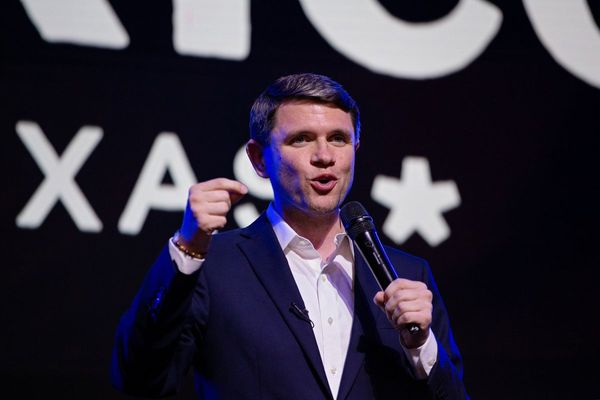
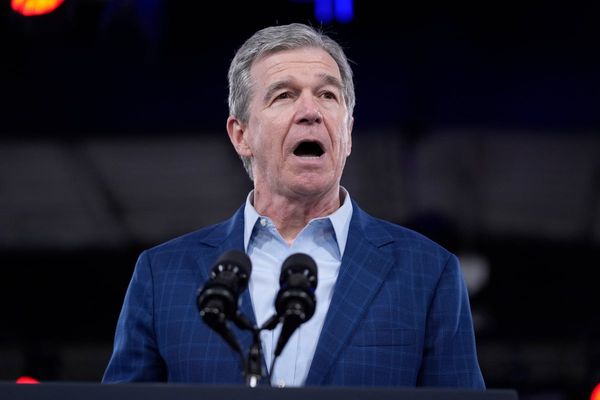
Time to share ... William Forsythe. Photograph: Linda Nylind
The great arts patrons of history were defined by the Medici family: legendarily rich, legendarily corrupt. Today's new breed of patrons, however, has a far more discreet style, and Rolex - a brand so classy that it hardly has to advertise - seems to be leading it. Over the last six years, the Swiss company has been funding a scheme modelled on the traditional master/apprentice relationship, by which great names across the art forms have been subsidised to mentor, inspire or instruct younger artists, one on one, for a year.
So far the list of participating mentors has been staggering, including Peter Hall, Mario Vargas Llosa, Pinchas Zukerman and Martin Scorsese (next year's film mentor) - and its not surprising that nearly all those who've been picked as their proteges (and offered $25,000 plus expenses) have dismissed the first phonecall or email from Rolex as a hoax. As one of them has said, it felt too surreal, being paid to "hang out with your hero".
These proteges get selected, in secret, by a team of advisors, and they come from all over the world. Dancers Junaid Jemal Sendi and Anani Dodji Sanouvi were in Ethiopia and Senegal respectively when they received the invitation to work with their allotted choreographers, Saburo Teshigawara and Anne Teresa de Keersmaeker. Josué Méndez was in Peru editing his second film when he was offered a year's mentoring by Stephen Frears. Matthias Weischer was painting in Germany, when he was given the chance to shadow David Hockney. Tibetan-born Sang Jijia was in Hong Kong when he heard of his chance to work with William Forsythe.
What's intriguing about this scheme is that Rolex - while presumably earning giant tax breaks - has remained so impeccably private about it. Until the showcase weekend recently staged in New York (with dance and music performances, art exhibitions and readings reflecting some of the work from the scheme), there had been no public exposure of the work and very little interest in informing the press about it. There has been no flaunting of the Rolex brand.
Rolex say they run the scheme "because they can" - and it's this relatively disinterested stance that earns them their overriding benefit: the glowing goodwill of the arts community and its public. It's not just the lucky proteges who offer ecstatic testimonials to the effect this scheme has had on their individual careers - many feel they've made several years' progress within their 12-month apprenticeship, that they have been given a kind of confidence and validation that they couldn't otherwise have dreamed of. The mentors, too, unanimously admire and endorse it. It's not the money (though Rolex pay them an honorarium of $50,000) but the chance to make an immediate, human contribution. William Forsythe - known on occasions to have a very wary attitude towards sponsors - cannot speak highly enough of the scheme, and like many of his colleagues is busy recommending to his peers that they take part in future years.
For all the millions of artists excluded from the scheme, this Cinderella scenario may seem implausible and unfair: so much money and opportunity bestowed on so few lucky individuals. But Rolex's argument is that as most arts funding goes to institutions, not to single people, they are filling a gap. And one of the most impressive achievements of the scheme is its consequent trickle-down effect. Sang Jijia, for instance, has returned from his time with Forsythe to teach what he's learned to the rest of China's small modern dance community - still desperate for outside influences and information. Junaid Jemal Sendi has gone back to Ethiopia where he is choreographer with the country's sole modern dance company, and working on a scheme of dance therapy for the disabled.
There is another kind of happy logic too. All those people with £10,000 to throw away on a new Rolex are unwittingly subsidising young artists, some of them in places where the only Rolexes around are rip-off copies sold on the streets.