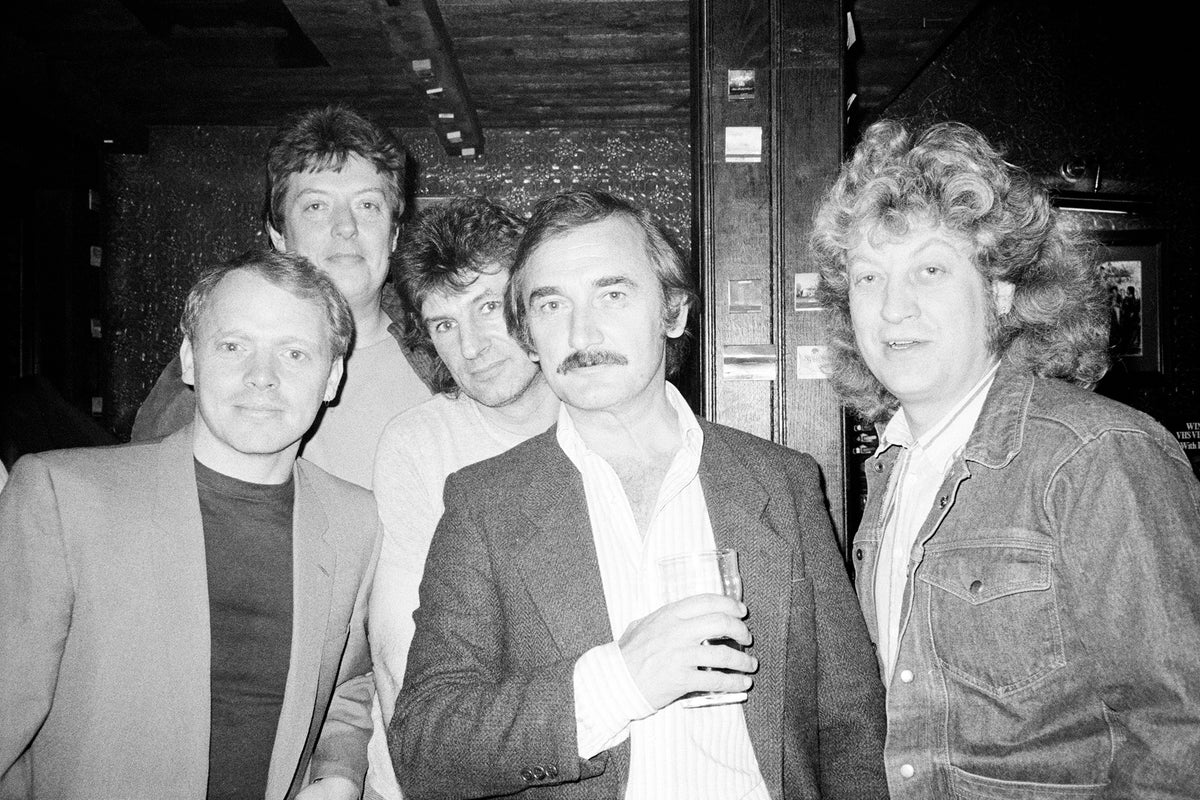
Keith Altham, the pioneering music publicist widely regarded as Britain’s first rock PR, has died aged 84 following a Parkinson’s diagnosis.
Over a career that helped shape the modern music industry, Altham represented some of the biggest names in rock – including The Rolling Stones, The Who, Jimi Hendrix, Marc Bolan, Slade, Status Quo, Van Morrison and Sting – while mentoring generations of publicists who followed in his wake.
In a tribute, Roger Daltrey said: “Keith had the magic touch of taking care of an artist’s trajectory. He really cared about the people he represented. He was the best in the business in his day, and taught the best in the business of today.”
Despite decades spent among some of rock’s wildest personalities, Altham retained a warmth and humanity that earned him immense affection across the industry. News of his death prompted tributes from artists spanning generations, from Squeeze to Spandau Ballet.
Born in Battersea, south-west London, on 8 May 1941, Altham was the son of Stanley Altham, a print compositor, and Eileen (née Watts), a barmaid. Raised in the Surrey suburbs, he entered publishing as a teenager and quickly found his way into the nascent world of British pop music journalism. By the mid-1960s he was writing for Fabulous magazine and later worked as a prominent writer and features editor at the New Musical Express during the height of Beatlemania and the British rock boom.
Altham possessed an instinctive understanding of both musicians and journalists. Friends and colleagues often said he invented the template for modern music PR long before the profession became a recognised industry. In 1971 he founded KA Publicity, pioneering a style of artist representation built as much on trust and friendship as promotion. He understood how stories worked, how photographs created mythology, and how to balance the needs of demanding artists with the realities of newspaper deadlines.
He was already a celebrated raconteur before he entered PR. Among the many stories attached to his name was his role in suggesting that Hendrix burn his guitar on stage – a stunt at the 1967 Monterey Pop Festival that went on to become one of rock’s defining images.
For many younger publicists, Altham was more than an industry figure: he was a mentor and teacher. One former colleague, who met him in 1975 while working as a junior reporter for Sounds, recalled being persuaded by Altham that his future lay in PR. “Keith’s tutelage and guidance was wonderful,” he said. “He was more than just a boss to me, he was a mentor, a tutor and a father figure.”
He remembered Altham ending working days with literary conversations about George Orwell and Ernest Hemingway, authors he passionately admired. “As a PR, he was always incredibly patient and sympathetic towards journalists and what they needed,” he said. “Having been a writer himself at the NME in the ’60s he understood what it took to create a story: the necessity of an angle and the importance of a good photograph.”
The same colleague recalled Altham’s extraordinary ease with musicians, stating: “He had an easy, natural way with musicians, and had got to know John Lennon, been Hendrix’s last PR, and looked after the Rolling Stones. He knew everybody and was universally popular.”
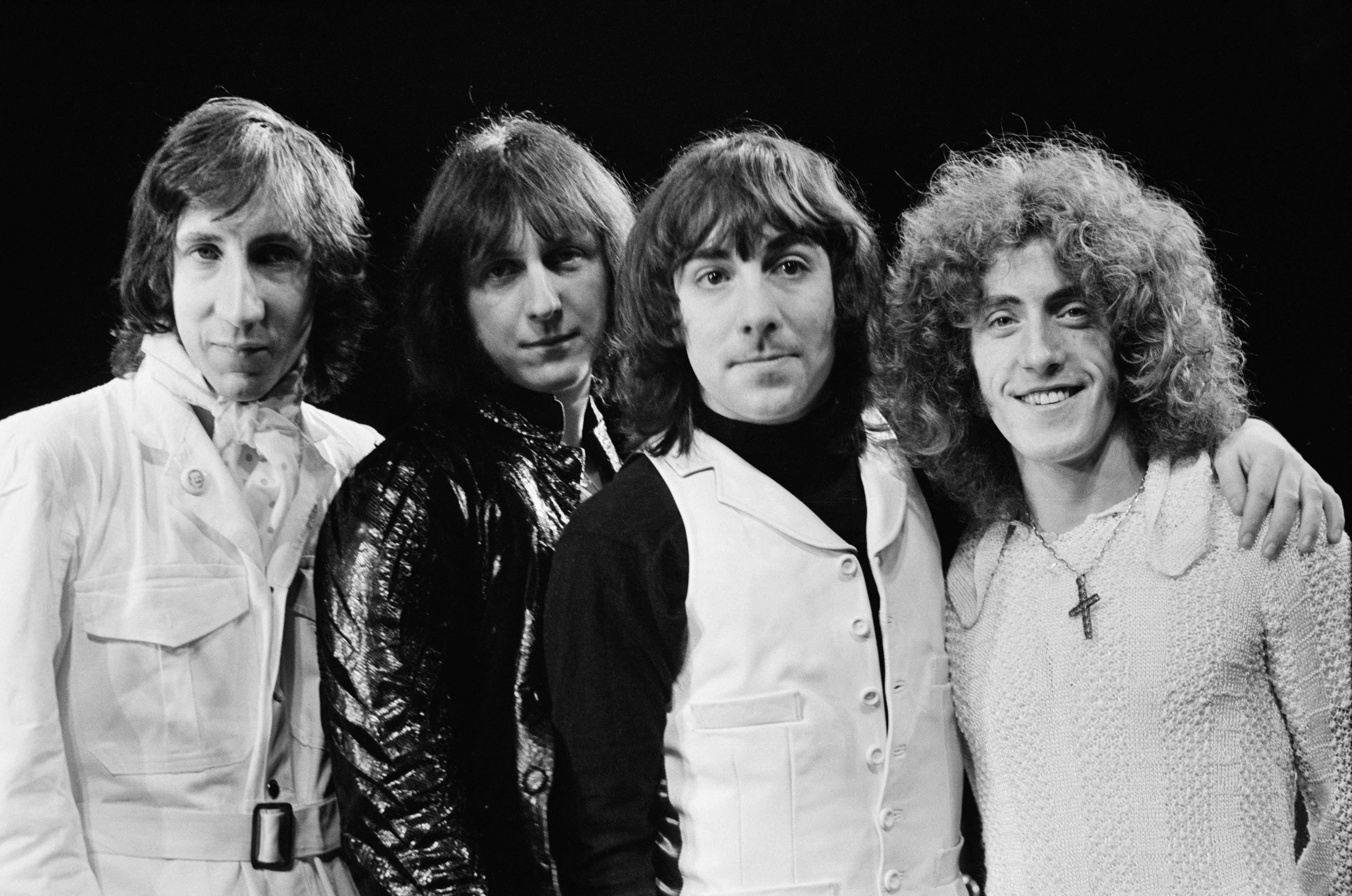
Altham also believed in learning by immersion. Just days into the job, his young recruit was instructed to escort a group of journalists to a Who concert at Wembley Arena, despite having no idea how to organise a press trip. The evening descended into chaos backstage amid a brawl involving Keith Moon, but the lesson endured. “I went back that night and wondered if I’d be able to cut it in PR,” he remembered, “but Keith giving me that start was standing me in very good stead.”
Moon featured in many of Altham’s most famous stories. On one occasion, while Altham was out for lunch, the drummer arrived at the office dressed in a top hat and monocle, overturned his desk in theatrical fashion and calmly departed after asking for a message to be passed on. When Altham returned and surveyed the wreckage, he reportedly sighed: “Oh, Moon’s been in, has he?”
Altham remained deeply engaged with music until the end of his life. Friends who visited him during his final illness said he was still enthusiastically recommending new bands and recounting old industry lunches and escapades with delight.
He is survived by his children Nancy and Bryan from his first marriage, his grandchildren Sam, Finn and Tate, and his sister Janice. His second wife, Adelaide, died in 2021.
Rolling Stones confirm album with guests Paul McCartney and The Cure’s Robert Smith
Taj Mahal: ‘Wherever the Rolling Stones went, it was happening’
The Rolling Stones tease new music release in
The Rolling Stones tease new music in cryptic Instagram video
Bring Me the Horizon frontman suffers ‘mild concussion’ after being hit by phone
Ellie Goulding among names to receive honours from Prince of Wales