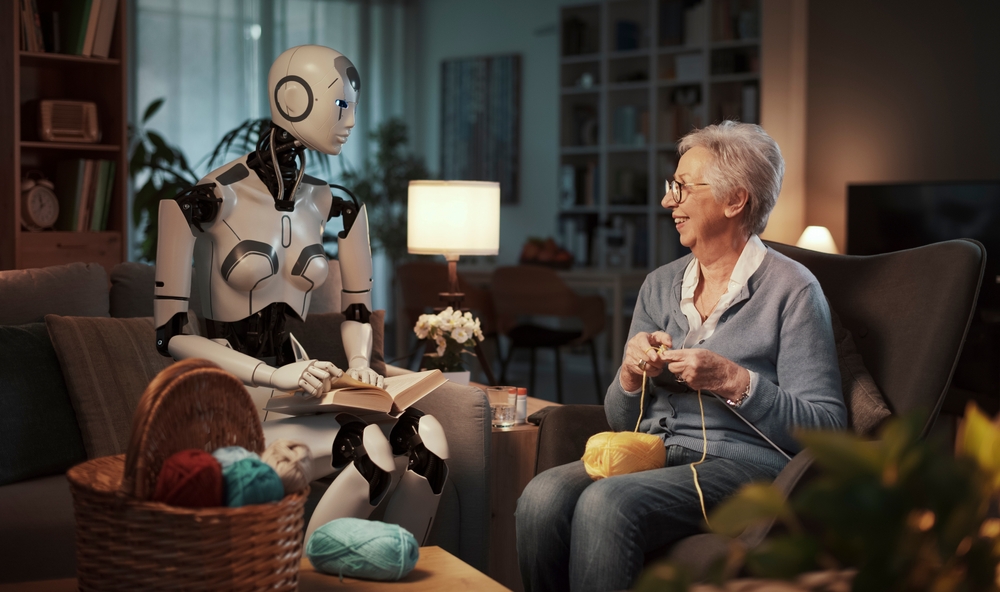
Technology has always promised convenience, but in senior care, it now promises companionship. From robotic pets that wag their tails to AI-powered assistants that remind users to take medication, robots are being marketed as solutions to loneliness. Families often see these devices as a way to provide peace of mind, ensuring their loved ones are monitored and supported even when human caregivers aren’t available. For seniors, robots can offer conversation, reminders, and even emergency detection. The question, however, is whether these machines truly ease loneliness—or simply mask it with artificial interaction.
Why Robots Appeal to Families and Facilities
Senior living facilities are under pressure to provide affordable care while managing staff shortages. Robots can fill gaps by offering consistent monitoring, reducing labor costs, and providing entertainment.
Families also find comfort in knowing their loved ones have a “companion” that never tires, forgets, or complains. For seniors who live alone, robots can provide a sense of presence, reducing anxiety about isolation. Yet the appeal often comes from convenience rather than genuine emotional connection.
The Risks of Substitution
While robots can provide practical support, they may unintentionally replace human interaction. Seniors who rely solely on technology may miss out on the warmth of real relationships.
Over time, this reliance can lead to deeper isolation, depression, or a false sense of security. A robot may remind someone to take medication, but it cannot offer empathy when a senior feels anxious or lonely. Technology should supplement—not replace—human care, and the danger lies in treating robots as a complete solution.
The Ethical Debate
The rise of robot care raises ethical questions. Is it fair to replace human connection with machines? Are seniors being offered technology because it’s cheaper, not because it’s better?
Critics argue that robot care risks dehumanizing older adults, treating them as problems to be managed rather than people to be cherished. Supporters counter that robots can free up human caregivers to focus on tasks requiring empathy and judgment. The debate underscores the need for balance between efficiency and dignity.
The Role of AI in Monitoring Health
Beyond companionship, robots are increasingly used to monitor health. AI-driven devices can track vital signs, detect falls, and alert caregivers to emergencies. For seniors with chronic conditions, this technology can be lifesaving.
Yet privacy concerns loom large, as constant monitoring raises questions about data security and autonomy. Seniors may feel safer, but they may also feel surveilled, creating tension between safety and independence.
Loneliness: The Real Epidemic
Loneliness among seniors is a growing public health crisis, linked to higher risks of dementia, heart disease, and depression. Robots may provide temporary relief, but they cannot replace the depth of human relationships. True solutions require community engagement, family involvement, and social programs that foster connection. Robots can play a role, but they should never be the only answer.
Finding the Right Balance
The future of senior care will likely involve a mix of technology and human support. Robots can handle routine tasks, provide reminders, and monitor health, while caregivers focus on emotional and social needs. Families should view robots as tools, not substitutes, and ensure seniors still have opportunities for genuine interaction. The challenge is to integrate technology without losing sight of humanity.
Robot care is rising, but companionship cannot be automated. Seniors deserve more than programmed responses—they deserve empathy, respect, and real connection. Technology can ease burdens, but it must never replace the human touch that makes care meaningful.
Would you trust a robot to care for you? Leave a comment with your thoughts.
You May Also Like…
- How Technology Is Helping Older Adults Catch Hidden Bank Fees
- Embracing Technology Without Overwhelm: Tips for Digital Confidence in Later Life
- 11 Things That Were Useful… Until Technology Made Them Obsolete
- 9 Times Technology Solved a Problem It Actually Created
- How Convenience and Security Are Driving Financial Technology Trends