For years, homelessness in the US has been linked to rising rents, stagnant wages, mental health pressures and a shortage of affordable housing. Now businessman and author Robert Kiyosaki has pointed the blame elsewhere. He says the real cause lies at the centre of America's financial system.
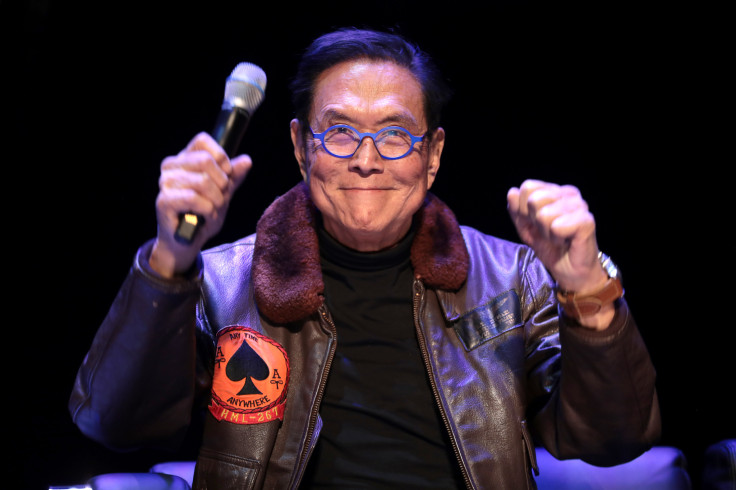
In a recent discussion, Kiyosaki launched a fierce attack on the Federal Reserve, describing it as a 'criminal organization' and accusing it of creating the conditions that have made home ownership unattainable for millions.
The comments have sparked debate online and renewed questions about the widening gap between asset owners and ordinary workers in the US economy.
A Harsh Criticism of the Federal Reserve
Kiyosaki argued that the Federal Reserve's monetary policies are directly responsible for rising homelessness across the country.
Robert Kiyosaki claims the Federal Reserve is the REAL reason we have homelessness
— The Iced Coffee Hour (@TheICHpodcast) May 21, 2026
"The reason we have homelessness today is because we have a Federal Reserve bank... It's a criminal organization" pic.twitter.com/lITFcQdrec
'The reason we have homelessness today is because we have a Federal Reserve Bank,' he said during the discussion. He also claimed that central banking systems damage ordinary citizens by weakening purchasing power through inflation. Referring to former US President Thomas Jefferson, Kiyosaki said Americans risk becoming 'homeless in their own lands' when governments and central banks control money creation.
His remarks reflect a long-standing criticism shared by some investors and economists who argue that aggressive money printing inflates the cost of housing and essential goods.
Inflation at the Centre of the Debate
At the heart of Kiyosaki's criticism is inflation. He argued that printing what he described as 'fake money' has driven up the cost of living while also increasing the value of assets held by wealthier Americans.
According to Kiyosaki, people who already own property, businesses or investments often benefit when large amounts of money enter the economy because asset prices rise. Those without assets, however, face higher living costs without the same financial protection.
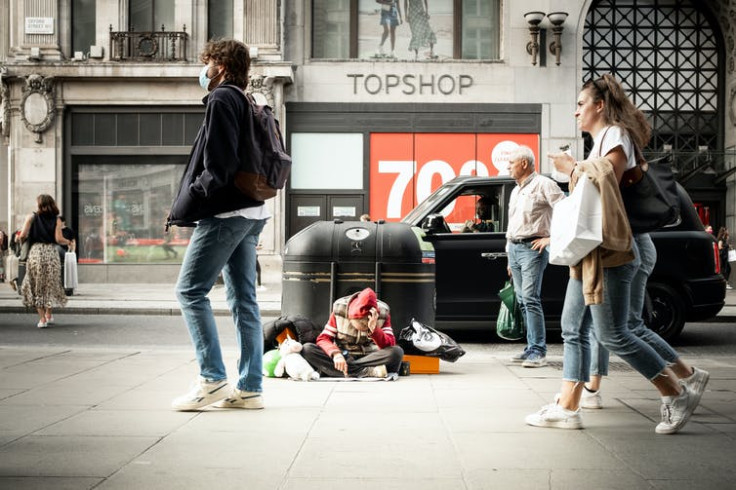
He pointed to rising coffee prices as an example of how inflation affects everyday life. 'People can't afford homes,' he said. 'Your age is having a tougher time because prices are so high.'
Younger Americans Under Pressure
Housing affordability has become one of the biggest economic concerns facing younger Americans. In cities such as San Francisco, New York City and Los Angeles, rising rents and property prices have left many households struggling despite stable employment.
Government housing data and independent studies have repeatedly shown that inflation, limited housing supply and rising borrowing costs have made home ownership increasingly difficult for first-time buyers. Kiyosaki's comments appear to resonate with many younger Americans who feel locked out of the housing market despite years of work and saving.
Concerns Over Retirement and Inflation
Kiyosaki also warned that inflation could severely affect older Americans, particularly retirees living on fixed incomes. 'Inflation is going to wipe out my generation,' he said, adding that many baby boomers may not have enough savings to cope with years of rising prices.
The warning reflects broader concerns in the US over retirement security as healthcare, food and housing costs continue to climb. Economists remain divided over the long-term effects of Federal Reserve policy. Some argue that interest rate increases are necessary to control inflation, while others believe prolonged money expansion has widened wealth inequality.
A Divisive Figure in Economic Debate
Kiyosaki has spent years criticising traditional financial institutions and warning about economic instability. The author of Rich Dad Poor Dad frequently speaks about inflation, debt and what he views as the dangers of government-backed currency systems. Supporters believe his warnings reflect the frustrations of Americans struggling with affordability and rising living costs. Critics argue that homelessness is a far more complex issue involving mental health challenges, housing shortages, addiction and wage inequality.
Still, his latest comments have reignited debate over who bears responsibility for America's growing economic pressures. As inflation and housing costs continue to dominate public concern, criticism of the Federal Reserve is likely to remain part of the national conversation.