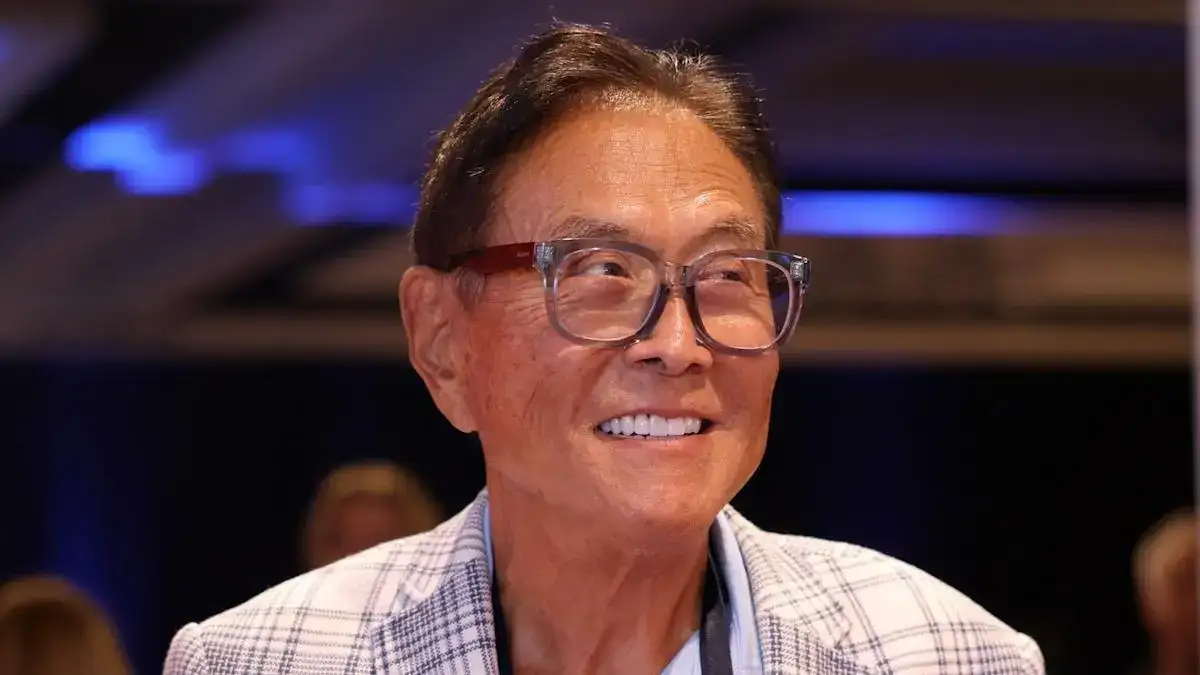
For millions of working professionals, higher salaries were supposed to mean freedom. Yet rising incomes have not stopped financial stress, debt anxiety, or the fear of falling behind. That contradiction sits at the center of the viral wealth lessons shared by Robert Kiyosaki, whose ideas continue reshaping conversations around financial freedom, passive income, and wealth creation worldwide. His message feels especially relevant today because many educated professionals still struggle financially despite impressive careers and increasing paychecks.
The core argument behind the global popularity of Rich Dad Poor Dad is unsettlingly simple. Traditional education teaches people how to work for money, but rarely teaches them how money actually works. Schools reward obedience, grades, and job preparation. However, they often ignore financial literacy, tax strategy, investing, debt management, and asset building. As inflation rises and living costs continue climbing, more professionals are realizing that salary growth alone cannot guarantee long-term security.
Kiyosaki argues that wealth begins when people stop measuring success only through income and start understanding cash flow, assets, liabilities, and financial systems. In an era dominated by layoffs, economic uncertainty, and rising consumer debt, these ideas are attracting readers searching for smarter ways to protect their future.
Why Robert Kiyosaki says traditional education fails financial literacy
According to Robert Kiyosaki, one of the biggest failures in modern society is the absence of financial education inside traditional schooling systems. Students spend years learning mathematics, science, and history, yet graduate without understanding taxes, investing, debt, or cash flow management. That gap creates adults who work hard but struggle financially because they were never taught how wealth actually operates.
Kiyosaki repeatedly argues that many professionals remain trapped because they follow outdated money habits taught by previous generations. The traditional formula of “study hard, get a stable job, and save money” no longer delivers the same security in modern economies shaped by inflation, automation, and unstable job markets. Salaries may rise, but expenses often rise faster. Without financial literacy, increased earnings simply create bigger lifestyles and larger liabilities.
His lessons became globally influential because they challenged a deeply accepted belief. Most people assume income determines wealth. Kiyosaki instead argues that financial intelligence determines wealth. Someone earning modestly but investing consistently into income-generating assets may become financially independent faster than a highly paid professional trapped by debt, expensive lifestyles, and poor financial decisions.
How Rich Dad Poor Dad changed global conversations about assets and liabilities
One of the most discussed lessons from Rich Dad Poor Dad involves the difference between assets and liabilities. Kiyosaki simplified a complex financial concept into a powerful everyday principle. Assets put money into your pocket. Liabilities take money out. That distinction transformed how millions began evaluating spending decisions, investments, and long-term financial goals.
The idea became controversial because it challenged common assumptions about homeownership and consumer success. Many people view expensive homes, luxury cars, and financed lifestyles as symbols of wealth. Kiyosaki argues that if those purchases constantly drain income without generating returns, they function more like liabilities than true assets.
This mindset shift explains why his work continues trending globally decades after publication. Readers are not merely searching for investment advice. They are searching for clarity about why financial pressure persists despite professional success. His philosophy encourages individuals to stop chasing appearances and instead focus on building cash-flow-producing systems.
Kiyosaki’s framework pushes readers toward a difficult but transformative question: does your money work for you, or do you spend your life working for money?
Why wealthy people think differently about debt, taxes, and opportunity
Perhaps the most misunderstood aspect of Robert Kiyosaki’s teachings involves debt. Most people are taught to fear debt entirely. Kiyosaki instead separates “good debt” from destructive debt. Wealthy investors often use borrowed money strategically to acquire income-producing assets like businesses or real estate. Poor financial habits, however, use debt mainly for consumption and lifestyle inflation.
This distinction changes how financially educated individuals approach opportunity. Rather than immediately saying “I cannot afford it,” Kiyosaki encourages asking, “How can I afford it?” That subtle mental shift promotes problem-solving, creativity, and investment thinking instead of limitation-focused thinking.
Taxes also play a central role in his philosophy. Kiyosaki argues that financially literate individuals understand legal tax structures more effectively than average workers. Business ownership, investments, and passive income streams often receive different tax treatment than salary income. Learning these systems, he believes, helps people preserve and grow wealth more efficiently.
His teachings resonate because they address emotional realities surrounding money. Many professionals feel exhausted despite working harder every year. Kiyosaki’s philosophy suggests the problem may not be effort alone. The deeper issue may be financial systems, habits, and beliefs inherited without questioning.
Can changing your financial mindset really transform your future?
The lasting influence of Robert Kiyosaki lies less in technical investing advice and more in psychological transformation. His central lesson is that financial freedom begins internally before it appears externally. People who constantly believe opportunities are impossible often stop looking for them altogether. Meanwhile, financially curious individuals continue learning, adapting, and exploring new income possibilities.
That mindset matters increasingly in today’s rapidly changing economy. Automation, artificial intelligence, remote work, and digital entrepreneurship are reshaping how wealth is created globally. Traditional career paths remain important, but they no longer guarantee lifelong security the way previous generations believed. Financial education has become a survival skill rather than an optional interest.
For many readers, that realization feels deeply personal. It changes how they view work, spending, debt, investing, and even success itself. The viral appeal behind “you will never be poor again” is ultimately not about becoming instantly wealthy. It is about understanding money clearly enough to stop being controlled by fear, confusion, and outdated financial habits.
FAQs:
Q1. Why are Robert Kiyosaki wealth lessons going viral among high-income professionals in 2026?Robert Kiyosaki wealth lessons are trending again because rising salaries are no longer guaranteeing financial stability or long-term freedom. Many professionals now realize that inflation, debt pressure, taxes, and lifestyle expenses continue growing faster than income, making traditional career success feel financially incomplete despite strong earnings.
Q2. How did Rich Dad Poor Dad change modern financial literacy and passive income thinking?
Rich Dad Poor Dad transformed personal finance discussions by simplifying complex wealth concepts into practical lessons about assets, liabilities, cash flow, and passive income. The book encouraged readers to rethink consumer-driven lifestyles and focus on investments that generate long-term financial security instead of temporary social status.