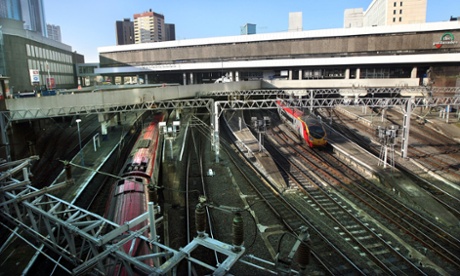
The results of a ballot for the first nationwide rail strike since the days of British Rail are to be announced by the RMT union on Tuesday.
Around 16,000 RMT members are voting on industrial action after overwhelmingly rejecting a four-year pay offer from Network Rail. The deal would see a one-off £500 bonus payment but no pay rise this year, and salaries then frozen at inflation until 2019 with the removal of a guarantee against job losses.
Staff have been angered at the freeze when senior directors at Network Rail last year received massive retention bonuses that almost doubled their total pay packages to around £900,000 each. Two of the three directors have since left.
RMT believes that signallers’ jobs will be in jeopardy when centralised control centres come into operation in the next few years.
A second rail union, the TSSA, is announcing the result of a strike ballot of its own 3,000 members on Friday.
Network Rail says that pay for its staff has risen faster over the last four years – just ahead of inflation – than for workers in most other sectors, who have seen wages decline in real terms since 2011.
Industrial action by Network Rail workers, including track engineers and maintenance staff as well as signallers, would seriously disrupt most rail services.
Beyond its likely effect on the rail network, the outcome of the ballot is likely to be closely monitored by the new Conservative government. The prime minister, David Cameron, threatened during the last parliament to tighten the law on strike ballots in transport and essential services and legislation may be announced in the Queen’s speech.