Bengi Ünsal assumed the helm of the Institute of Contemporary Arts (ICA) in a squall of world events. Russia had just launched the full-scale invasion of Ukraine – which disrupted planned exhibitions – and post-pandemic operational costs were soaring. Week one, the organisation lost nearly a quarter of its Arts Council funding.
Since then, with the eruption of conflicts and changes in global leadership, the world has continued to become bitterly, and at times dangerously, divided. In that climate, censorship and self-censorship have often prevailed.
But the Istanbul-born ICA chief leaned on skills she learned as the director of a major multi-arts centre in Turkey, where she says political pressure and financial turbulence were a daily reality.
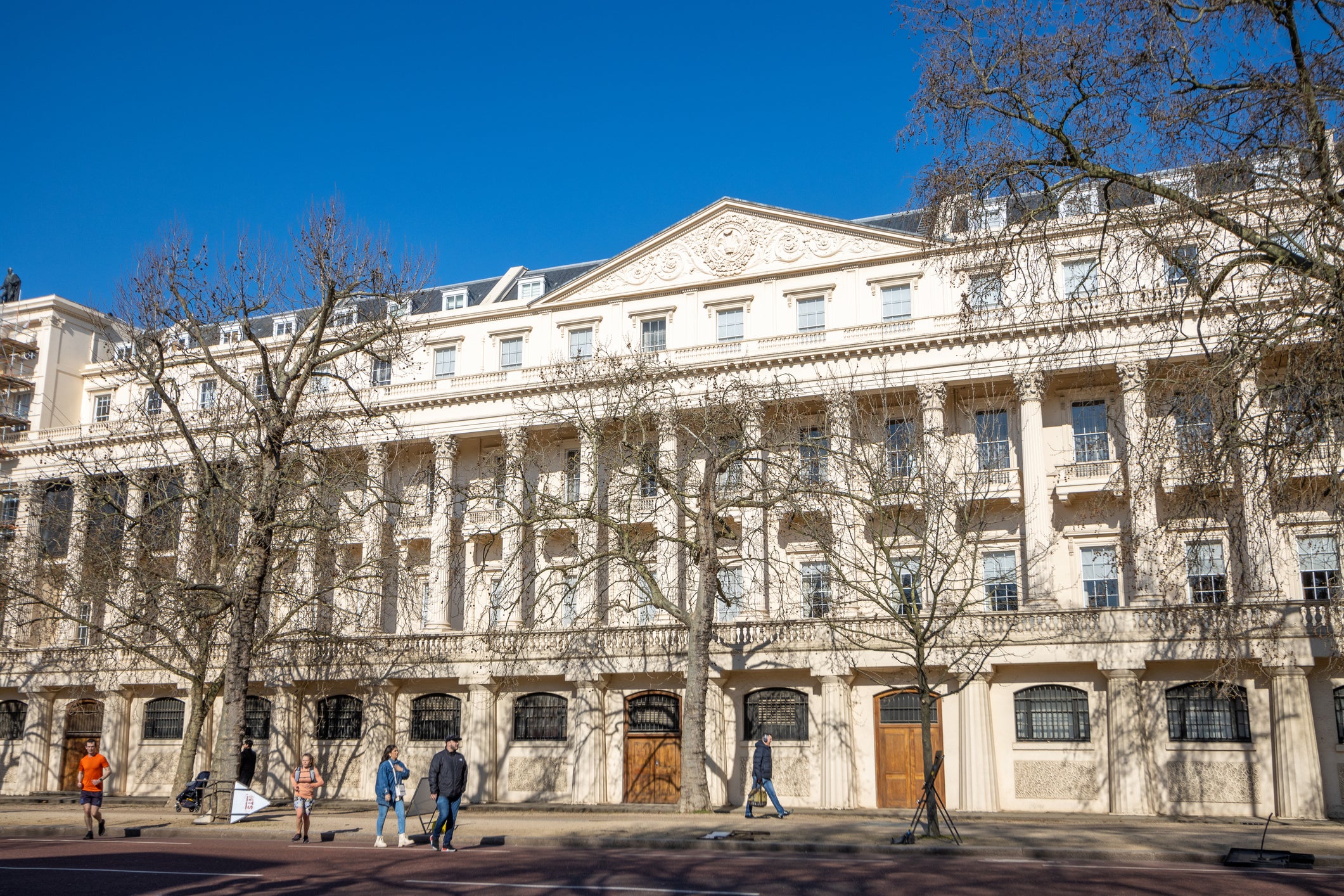
And so as the ICA, which hosted the debut shows of the likes of Steve McQueen, The Clash and Damien Hirst, is moving towards its 80th birthday, she has steered it back towards its radical interdisciplinary roots. It is a space which does not shy away from difficult subjects at difficult moments.
This year, the ICA hosted 14 screenings of Gaza: Doctors Under Attack, a documentary investigating Israeli military assaults on Gaza’s hospitals, which made headlines when it was shelved by the BBC over alleged “impartiality” concerns.
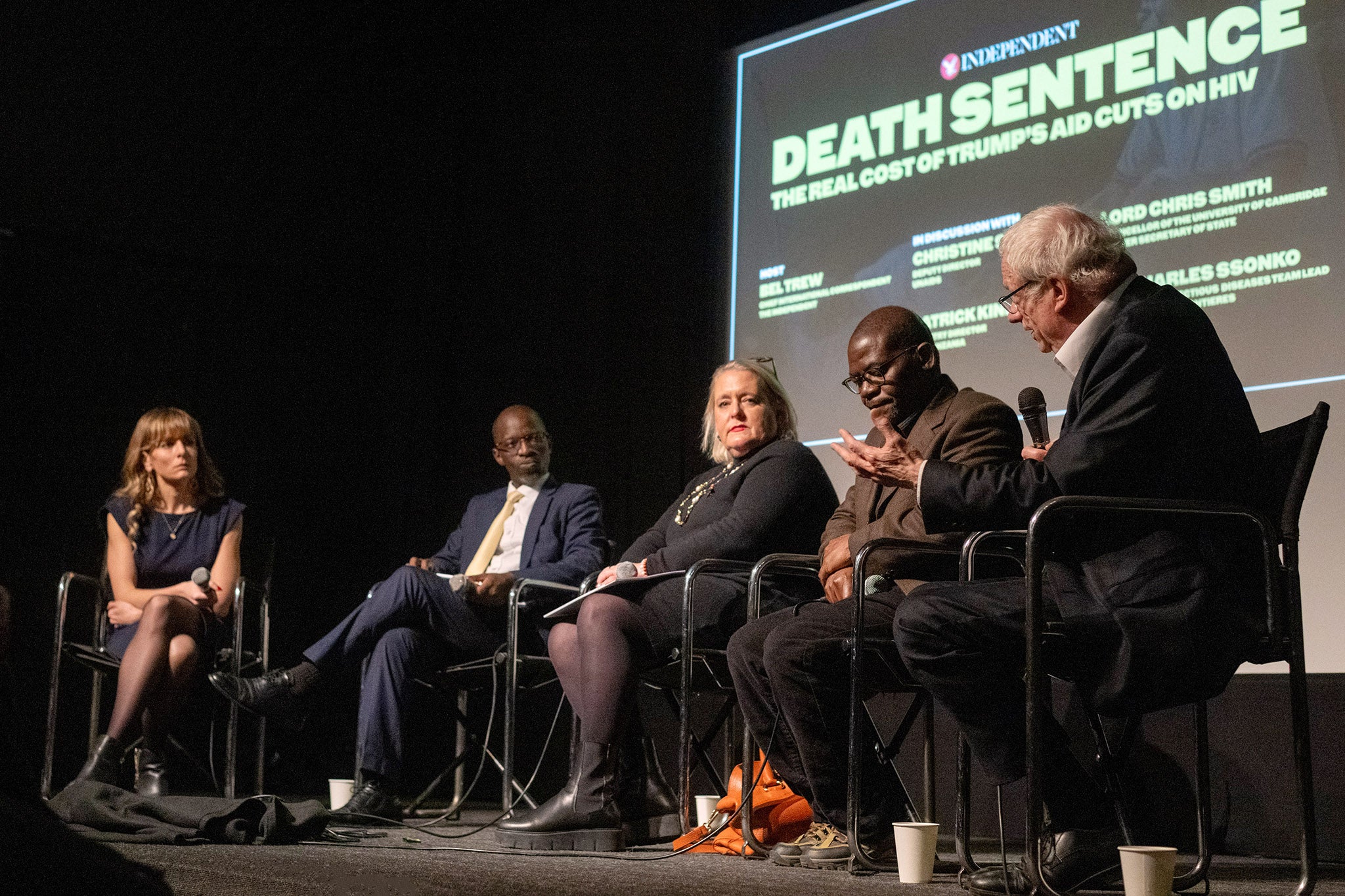
Amid the unprecedented collapse of US aid funding, the ICA also screened Death Sentence, an Independent film examining the impact of Trump era cuts on global HIV programmes.
Here, she talks about her career and hopes for the ICA.
Talk me through your journey – how did you come to take up the helm of the ICA?
I was working at the Southbank Centre as head of contemporary music, programming the Meltdown festival and around 200 gigs a year.
But my journey really begins in Istanbul, where I’m from and where I founded Salon IKSV, the Istanbul Foundation for Culture and Arts multi-arts venue. The experience of building something in a city that lives with constant political and financial turbulence taught me resilience, agility, and how to keep an institution moving through uncertainty – skills I leaned on heavily in my early years in London and at the ICA.
And challenges came quickly... but also a clarifying one, reminding me why institutions like the ICA matter.
What are the biggest challenges you have faced since then?
When I joined the ICA, we were immediately hit with a 23 per cent cut to our Arts Council funding.
Because we run a heritage building and a genuinely multi-arts programme, our costs are significantly higher than a gallery or a single-discipline venue and this puts real pressure on the whole organisation.
The broader picture is also tough. Four-year cycles of national funding cuts mean institutions everywhere are trying to do more with less. At the ICA, we’ve had to put in a huge amount of blood, sweat, and tears to keep delivering the kind of risk-taking, future-facing programme we believe in and to continue supporting the next generation of creatives.
What have been the highlights for you over the last few years?
I’m most proud of how the ICA has truly become an interdisciplinary, multi-arts centre again. From our “In the Round” music gigs, allowing artists to experiment with our unique 360 degree audio technology, to our “Long Takes” seasons diving into the legacy of individual filmmakers, to exhibitions by incredible emerging artists, the range and energy of the programme feels very alive.
How have you been trying to lean into the ICA’s legacy?
The ICA was born from a dialogue between boundary-pushing artists and thinkers who wanted to rethink what an arts institution could be.
Returning to the ICA’s multi-arts roots has meant reactivating the organisation as a place of production, not just consumption: a space where new ideas, new forms, and new artists can take shape. Our history is full of firsts, such as Steve McQueen, the Clash, Damien Hirst, Basquiat, ARCA, and that commitment to giving early space to the artists who will shape the future remains central.
Eighty years on, the world has changed, but the ICA’s founding questions still matter. We see ourselves as an active-listening institution, continually asking what artists and audiences need today, and shaping our future in response.

You recently screened the Gaza doctors film more than a dozen times with panel discussions
Our managing curator for cinema, Nicolas Raffin, was the one who initiated the discussions when we heard the film was being pulled.
What made the run of these screenings so important was not only the film itself but the communal experience around it. The realities depicted are so heavy that absorbing them alone can feel overwhelming. Coming together, asking questions, listening to panellists, and sharing reactions created space for understanding and care. It transformed the singular relationship between viewer and screen into something collective, a community holding a difficult truth together, rather than individuals carrying it in isolation.
In a moment of deep global division – and in a climate where censorship and self-censorship are increasingly shaping what can be said – the ICA’s role feels more vital than ever. We believe that divisions can only be bridged through dialogue, empathy, and the free exchange of ideas.
Why do you think it is important for an organisation like the ICA to host hybrid events like Death Sentence, which had a panel of experts who aren’t necessarily directly involved in the film?
Although this crisis is ongoing and deserves attention every day, hosting the event around World Aids Day gives it a moment of collective focus. It’s a chance to spark empathy and care across borders, and to remind audiences here that these issues aren’t far away or disconnected from our lives. Cultural institutions have a responsibility to help bring that awareness into public view, to amplify vital voices, and to use culture to foster understanding, connection, and action.
What are your concerns about the future of the Arts in the UK?
In the UK, government support is declining, arts education is shrinking, and many institutions feel increasingly pressured to play it safe. When funding is scarce, risk-taking becomes harder, and the artists who question, imagine differently, or respond urgently to the world around them are often the first to lose space.
That’s exactly why the ICA feels needed more than ever. Our role is to safeguard a platform for those vital, challenging voices and to resist the narrowing of what is considered acceptable or “safe” culture. As we approach our 80th year in 2027, we’re expanding our programme and leaning even more into experimentation and new ideas. I deeply believe in the reforming power of the avant-garde, and I want the ICA to remain a beacon for that future.
Jerry Seinfeld says his sitcom ‘never would have happened’ without Rob Reiner
BBC denies major change for Strictly 2026 series
Lizzo celebrates legal victory after judge dismisses fat-shaming allegations
‘Madeline’ behind Lily Allen song speaks out over David Harbour affair allegations
Netflix has just cancelled popular new series after just one season
David Jason to reunite with Only Fools and Horses cast for anniversary series