
France has unveiled a framework bill with 53 measures to curb rising violence against women after a spike in domestic femicides. The bill, announced by Gender Equality Minister Aurore Bergé, comes as countries on Tuesday marked the International Day for the Elimination of Violence Against Women.
Feminist organisations have sought such a text for years, while the bill also extends to violence against children.
In an interview with French news agency AFP, Bergé said that a comprehensive framework "would go further on a number of issues that have not yet been addressed, or have only minimally been addressed by the law".
The bill was drafted with all parliamentary groups and includes 53 legislative measures plus regulatory steps.
The move comes as deadly attacks on women rise in France. The latest figures from the Interministerial Mission for the Protection of Women (Miprof) show domestic femicides rose 11 percent between 2023 and 2024, with 107 women killed by a partner or ex-partner.
Deadly attacks on women rise in France amid growing partner violence
Shift in responsibility
Bergé says more emphasis needs to be place on the perpetrators of violence who have until now "not felt afraid" due to a number of reasons.
"The statute of limitations protects them, the anxiety of filing a complaint protects them, the anxiety of confrontation protects them, the anxiety of the length of the legal process also protects them, " she says.
"They must be the ones who are afraid, they must be aware that the victims, at any moment, will be able to access justice."
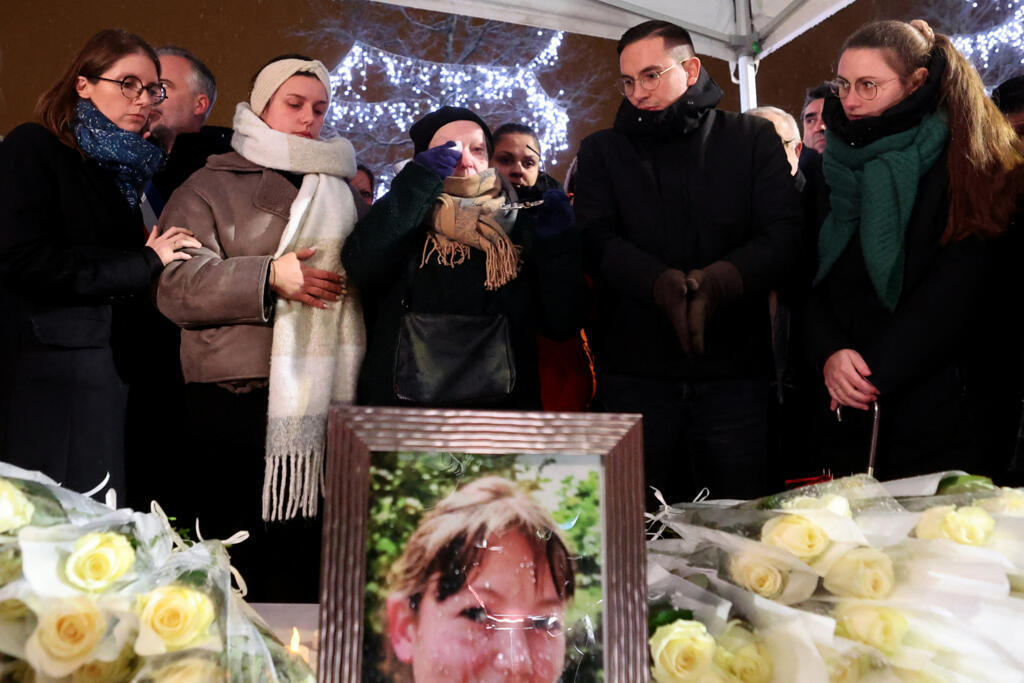
Bergé said the killing of a woman by a partner or ex-partner is a collective failure and shows the lack of a cultural shift.
“Today, unlike in Spain, we haven't yet achieved the momentum that leads the whole of society to say 'This is also my share of responsibility as a company, as a colleague, as a friend, as a neighbour'," she said.
Bergé said progress is visible but barriers remain. She said all victims should have unconditional access to legal aid in cases of domestic or sexual violence “but this is not currently the case”.
Emergency fund supports thousands of French women fleeing domestic violence
Support for victims
Victims should be able to have their lawyer present during medical examinations if they wish, Bergé said, adding that this should include guidance on how they will be questioned.
The law will allow victims to record their testimonies so they do not have to repeat themselves during the legal process. Case dismissals must always be justified and could be open to appeal.
The other measures in the bill are designed to tackle the issue of coercive control, less obvious to the untrained eye.
"Being a victim of domestic violence doesn't necessarily mean having bruises, being strangled, or being raped; it also means being under control," Bergé said.
It can mean bank account closures, GPS tracking, phone chips and the monitoring of victims' social interactions.
All of these actions must be defined in law much more systematically, Bergé added.
France changes criminal code to define rape as sex without consent
Bergé said platform managers on sites like OnlyFans “must be classified as pimps”.
On sexual violence against young children, the bill proposes criminal record checks for all professionals who work with children, including civil servants, temporary workers, trainees and contract staff.
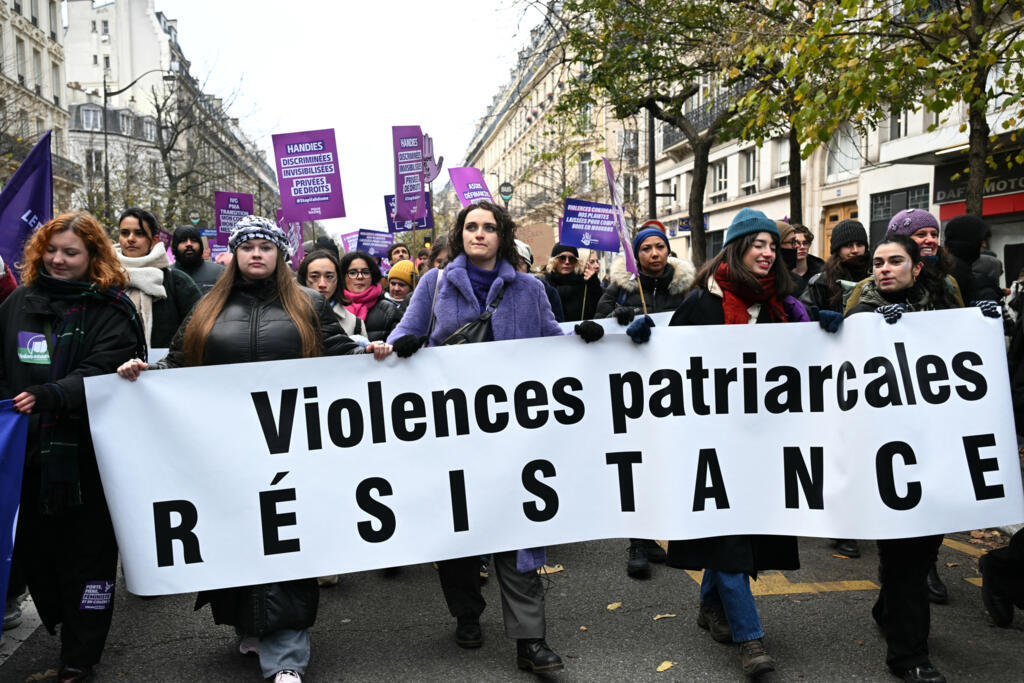
Bergé's proposal has been met with scepticism by some women's associations who demonstrated at the weekend and are calling for a budget of €3 billion euros to implement the law.
They are concerned that the state budget being debated in parliament "would result in massive setbacks for women's rights, because many associations would see their funding called into question", warned Sophie Binet, the general secretary of the CGT union.
Role of technology
Tuesday marks the International Day for the Elimination of Violence Against Women, an annual awareness campaign coordinated by the United Nations.
Accoring to a report by the United Nations Office on Drugs and Crime and UN Women, released Tuesday, some 50,000 women and girls were killed by intimate partners or family members in 2024.
Based on data from 117 countries, this breaks down to 137 women per day, or around one woman every 10 minutes, the report said.
The report said technological development has exacerbated some kinds of violence against women and girls and created others, such as non-consensual image-sharing, doxxing, and deepfake videos.
"We need the implementation of laws that recognise how violence manifests across the lives of women and girls, both online and offline, and hold perpetrators to account well before it turns deadly," said Sarah Hendricks, Director of UN Women's Policy Division.