Ringing migratory birds at Spurn Point - in pictures
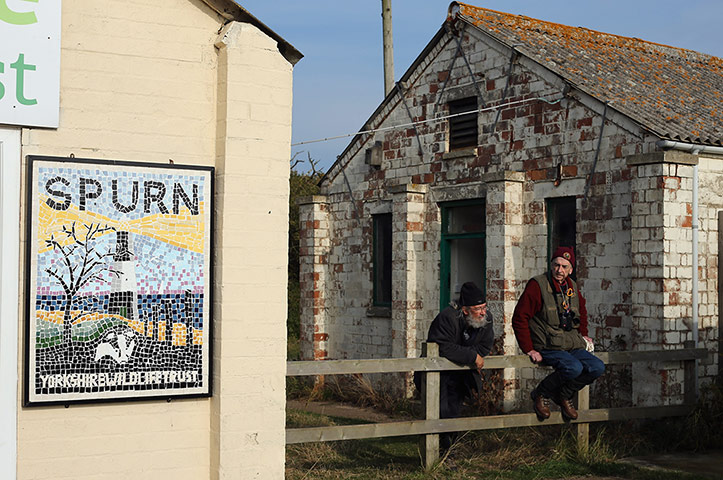
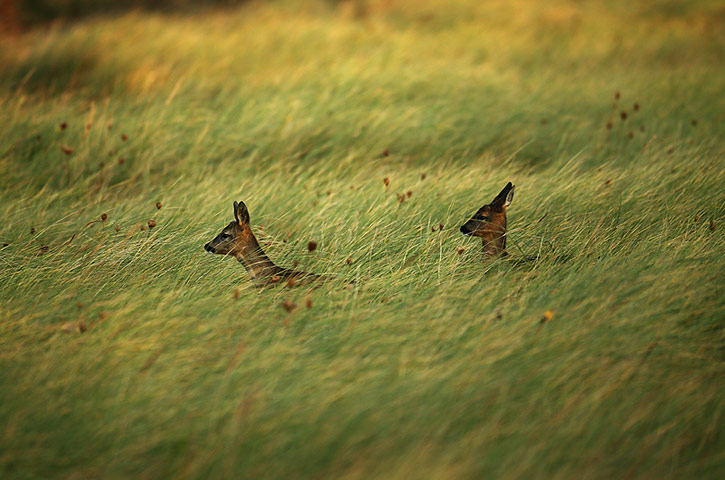
BTO volunteers take a break at Spurn Point coastal reserve. The reserve has been managed by the Yorkshire Wildlife Trust since the 1950s after it was purchased from the Ministry of Defence. The 3.5-mile long, narrow and curving peninsula provides perfect opportunities for watching birds, marine and coastal wildlife Photograph: Dan Kitwood/Getty ImagesThe reserve, only 50 metres wide in some places, lies on the northern bank of the Humber Estuary and is significantly affected by coastal erosion. Due to Spurn's location, it is one of the UK's key areas for ornithological observation, as it is the first landfall for many migratory species on their way over the North Sea to Scandinavia and beyondPhotograph: Dan Kitwood/Getty ImagesRoe deer walk through the grassy dunesPhotograph: Dan Kitwood/Getty Images
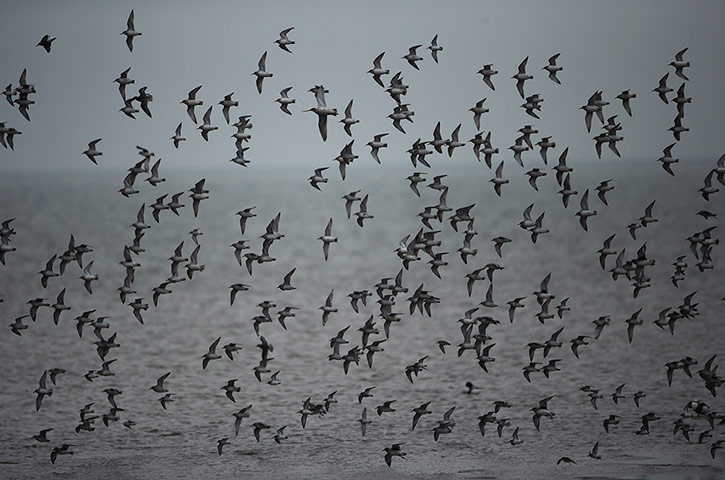
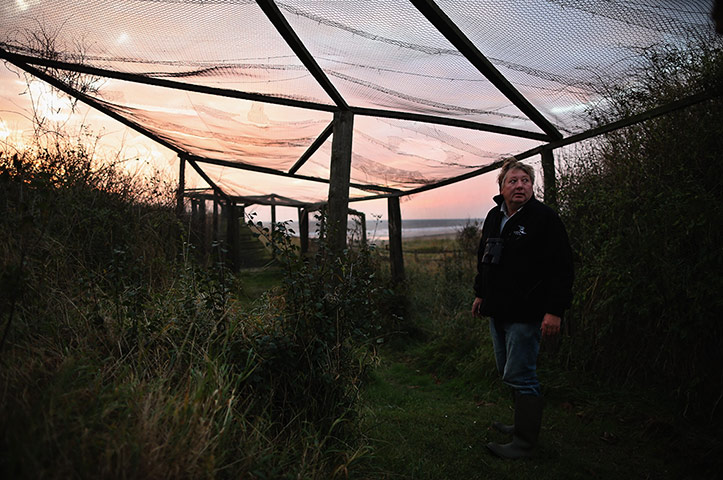
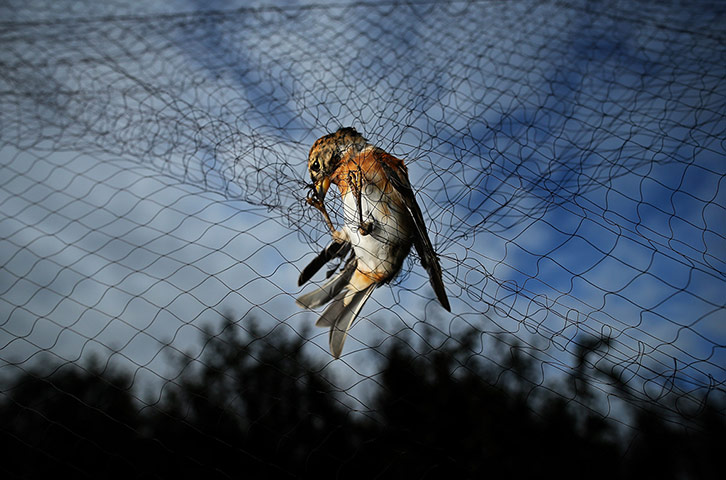
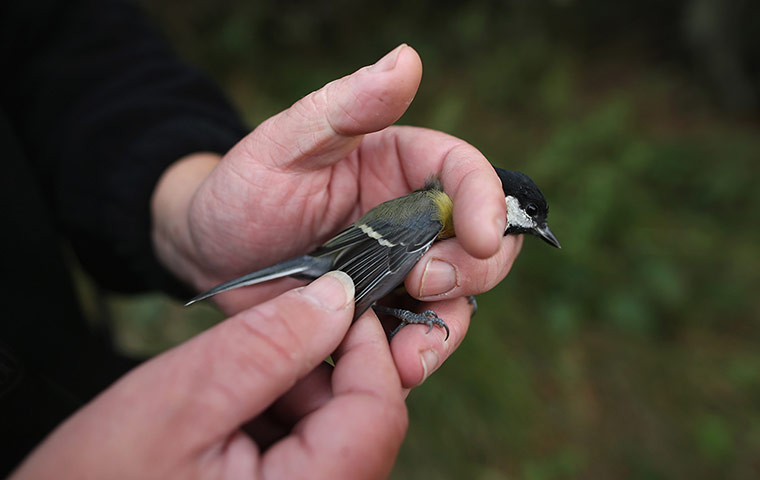
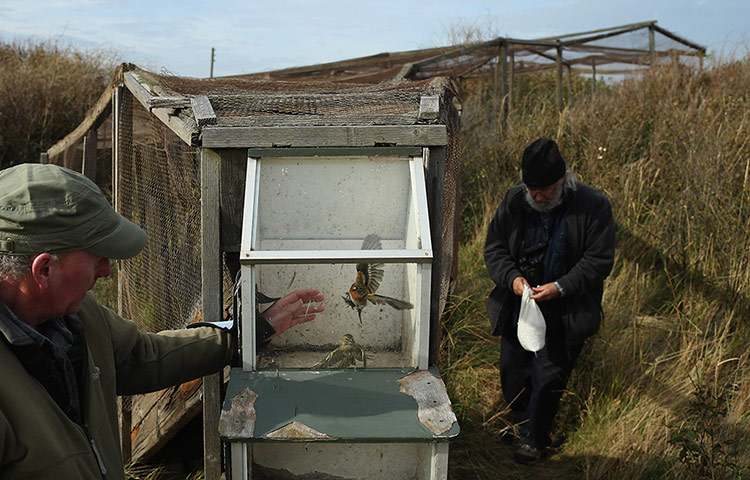
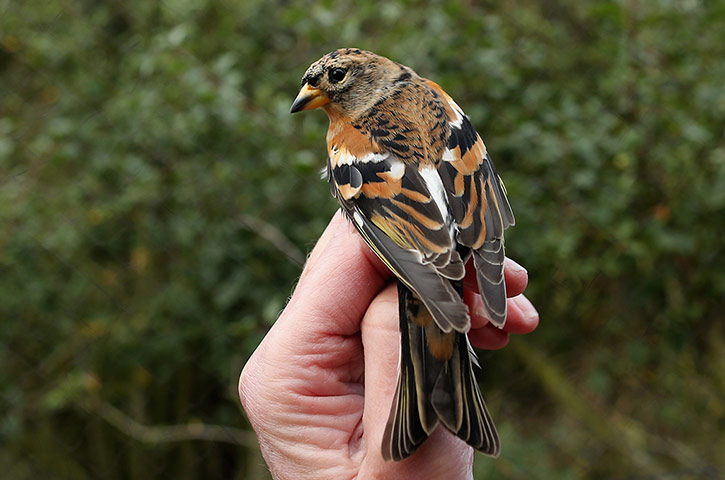
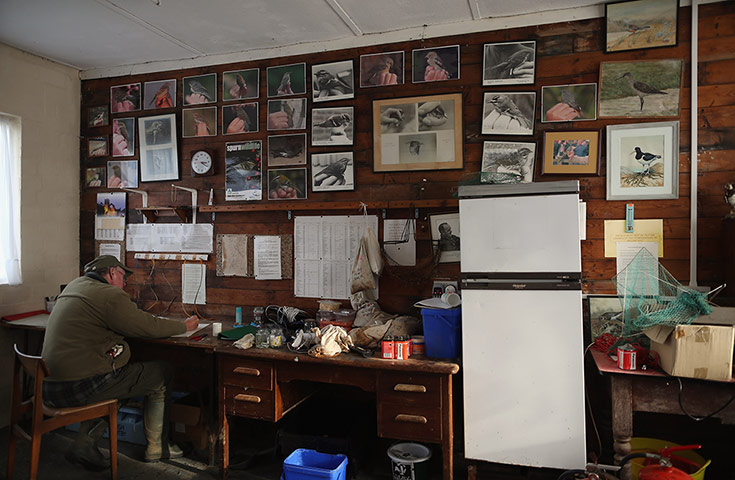
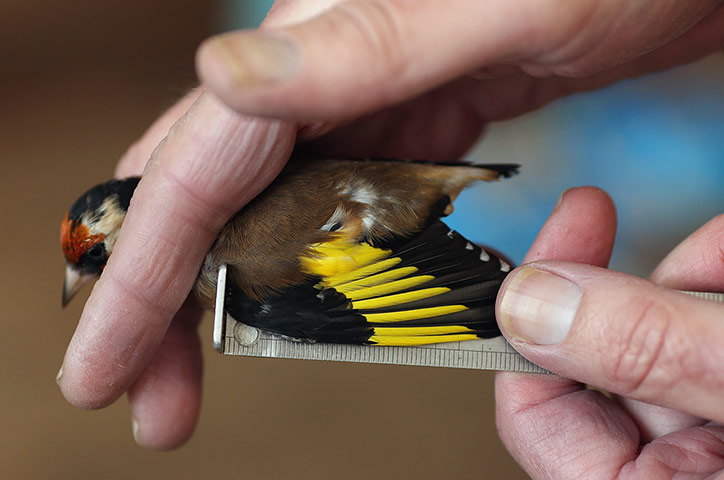
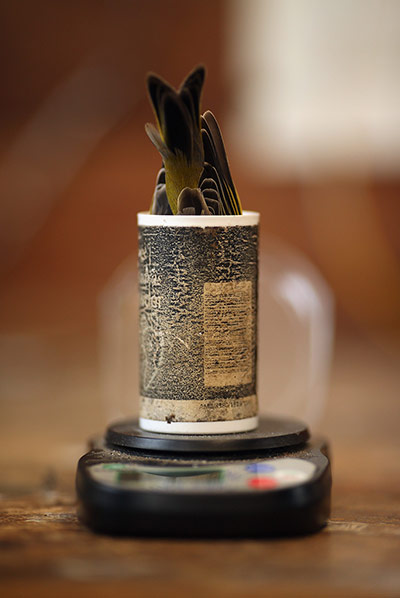
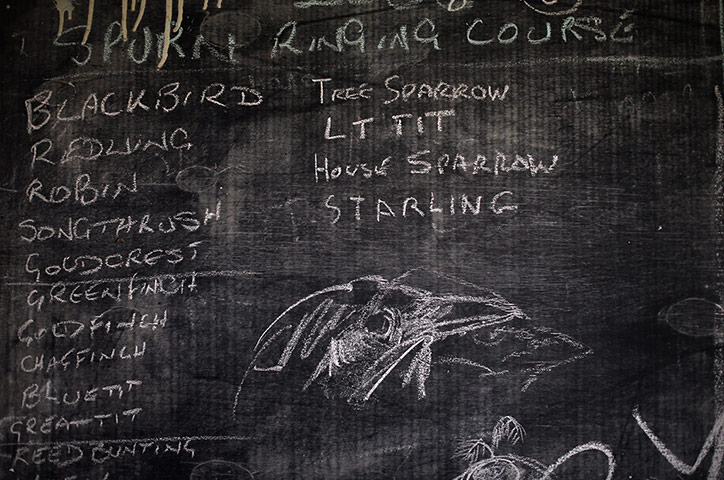
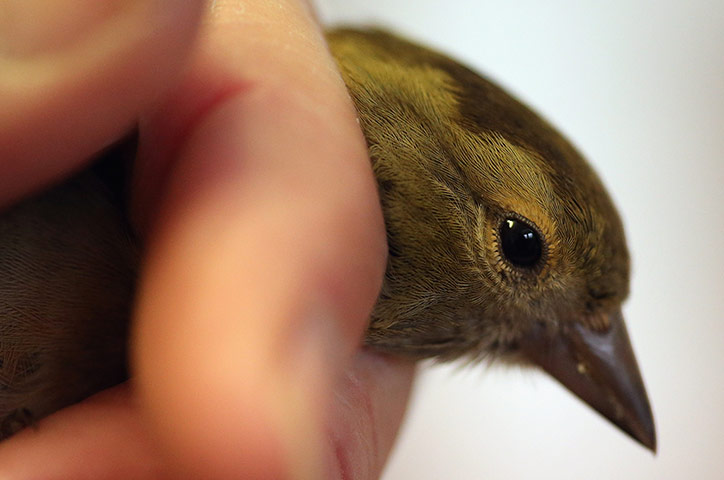
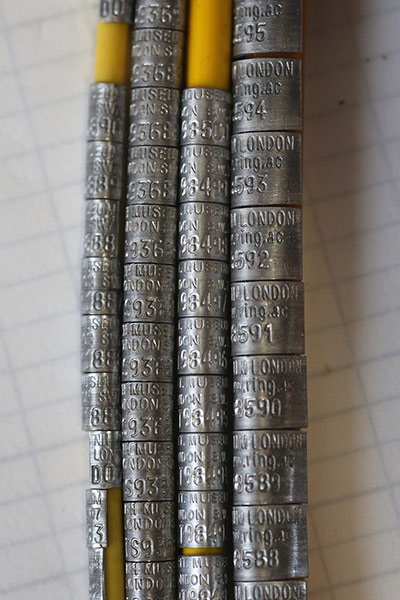
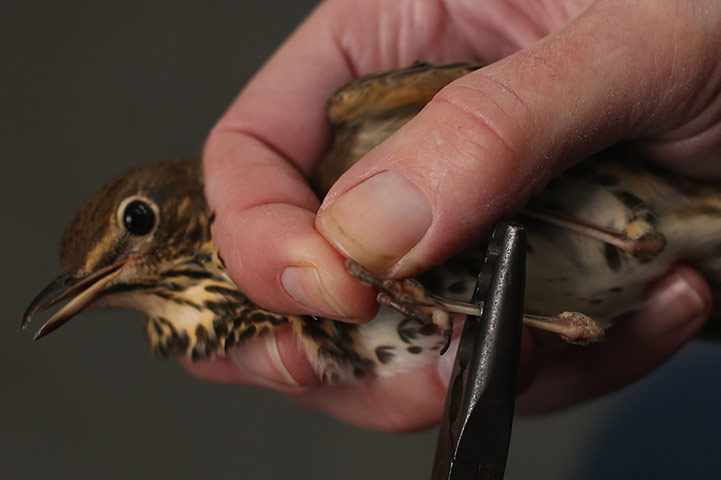
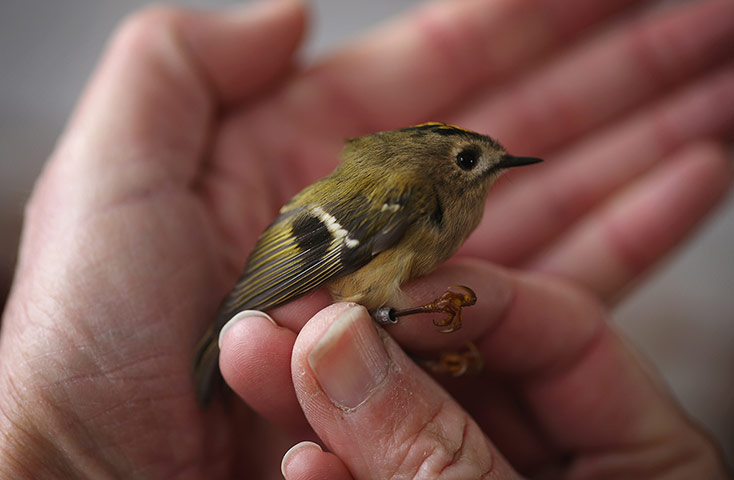
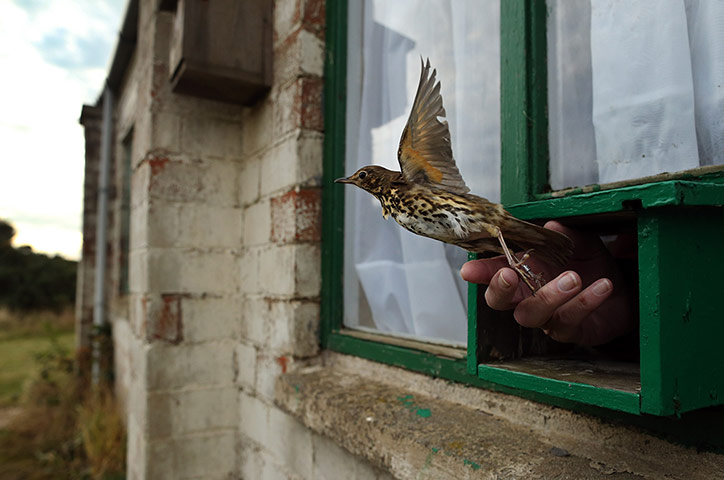
Knots fly over the estuary. The BTO says importance of ringing is to find out as much as possible about where a species breeds, its migration routes and life expectancy, as well as population trendsPhotograph: Dan Kitwood/Getty ImagesPaul Collins of the BTO walks through a Heligoland trap. These large traps - a series of chambers that funnel the birds into a small enclosure - are named after the German archipelago in the North Sea where they were invented Photograph: Dan Kitwood/Getty ImagesAn MP3 device plays bird song to attract birds into a mist netPhotograph: Dan Kitwood/Getty ImagesA brambling is caught in a mist net. Many of the birds that migrate between Africa and Europe each year are declining in Britain and across Europe as a wholePhotograph: Dan Kitwood/Getty ImagesA great tit is held after being ringed by volunteers Photograph: Dan Kitwood/Getty ImagesVolunteers Pete Smith (left) and Dave Smith capture a chaffinch and a greenfinch. The rapid intensification of agricultural systems and habitat loss in Europe has driven declines of some species and global climate change is implicated in the declines of othersPhotograph: Dan Kitwood/Getty ImagesA volunteer holds a brambling before it is fitted with a ring. As migratory bird populations may be affected by threats on their breeding grounds, wintering grounds and stopover sites, they are particularly vulnerable to the effects of environmental changePhotograph: Dan Kitwood/Getty ImagesVolunteer Pete Smith sits in the ringing officePhotograph: Dan Kitwood/Getty Images A goldfinch is held after being ringedPhotograph: Dan Kitwood/Getty ImagesA greenfinch is weighed after being ringed by volunteers Photograph: Dan Kitwood/Getty ImagesBird sightings are marked down in a ringing officePhotograph: Dan Kitwood/Getty ImagesA greenfinch is held after being ringedPhotograph: Dan Kitwood/Getty ImagesBird rings are assembled, ready for use. Placing a light, uniquely numbered ring around a bird’s leg is a reliable and harmless method of identifying birds as individualsPhotograph: Dan Kitwood/Getty ImagesA song thrush is ringed Photograph: Dan Kitwood/Getty ImagesA volunteer holds a goldcrest after it has been fitted with a ringPhotograph: Dan Kitwood/Getty ImagesVolunteer Dave Williams releases a song thrush after being fitted with a ringPhotograph: Dan Kitwood/Getty ImagesA brambling is released by volunteers Photograph: Dan Kitwood/Getty Images
Sign up to read this article
Read news from 100’s of titles, curated specifically for you.