
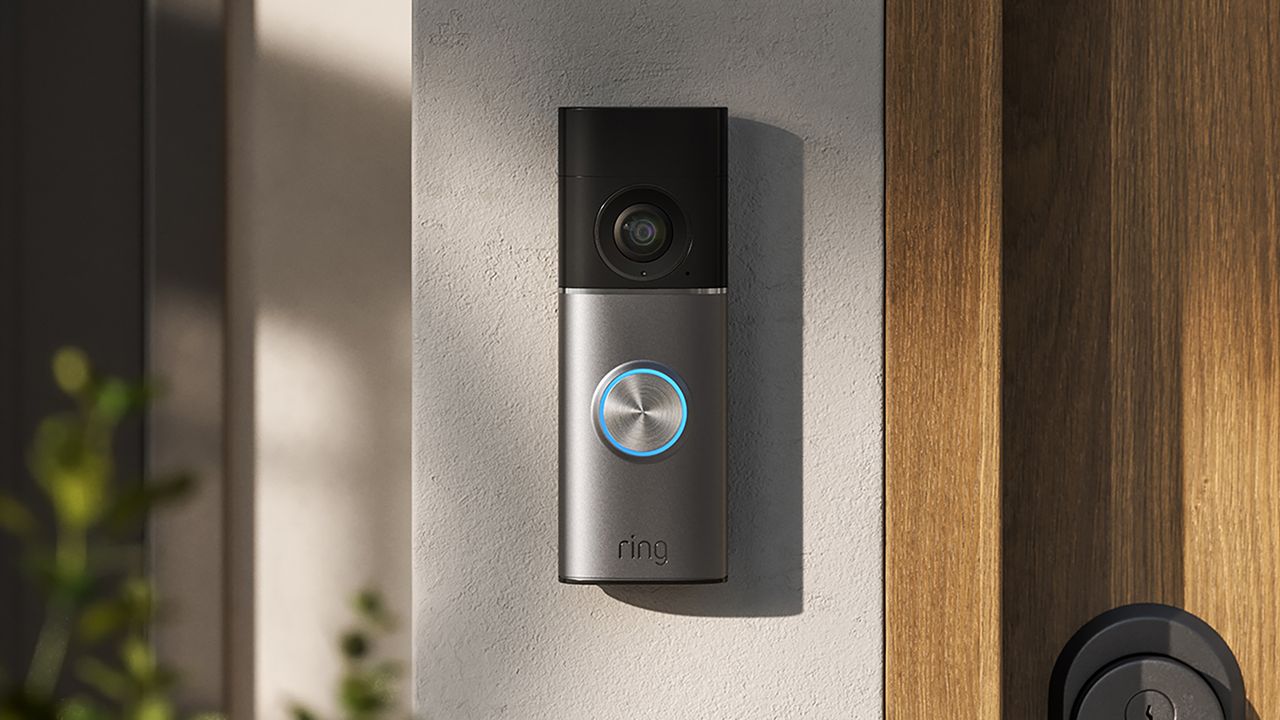
Ring's Familiar Face feature is rolling out in the US, providing facial recognition of callers.
The feature will identify who is at the door, but raises privacy questions.
Ring has confirmed that it's rolling out the Familiar Face feature in the US. This will identify visitors using AI, so that instead of "a person" being spotted, that person can be named if they're on a familiar faces list.
The feature was announced alongside the launch of new Ring products at Amazon's September event. It's part of a package of software updates alongside Alexa+ Greetings – which can interact with callers on your behalf.
Familiar Faces will recognise people you know and allow better control of notifications, while also customising the announcement of their arrival. Up to 50 faces are supported, with a catalogue basically built in the Ring app. Through facial recognition, it will be possible to remove notifications about yourself, so you're not told that you are at the door when you're putting out the bins.
According to TechCrunch, the feature won't be turned on by default, so users will have to activate it in the app's settings. It's likely to prove popular, with Nest doorbells offering a similar feature for many years, as when a caller stops by they are identified, so you don't have to look at your phone feed – the notifications or announcement has already told you.
Why is this proving controversial?
But as useful as many will find it, facial recognition is a privacy hot potato, with overarching fears that people's movements are captured and stored, able to be recalled at a moment's notice thanks to AI. Ring says that unrecognised faces are deleted after 30 days, while captured images are encrypted and never shared.
However, Ring has a history of sharing camera footage with law enforcement, including various partnerships, and faces challenges on the new feature from a privacy perspective. Questions have been asked about what the data could be used for in a world where tech companies are using data to train AI models.
EEF – Electronic Frontier Foundation – has also raised concerns about the feature, saying that it could easily be used for mass surveillance. It also makes the point that with facial recognition, the company's "search party" feature that's designed to help people track lost dogs, could just as easily be repurposed to track a person's precise movement through a neighbourhood.
On one hand, if someone is going door-to-door looking for houses to target for burglary, then this sort of technology could quickly provide stacks of evidence should they then commit a crime. On the other hand, how far are people willing to forego their right to privacy for such a feature to exist?
For many, I suspect they will be happy to have "Chris is at the door" notifications while accepting that the downside of such notifications is that this Amazon device could learn more about your comings and goings.