An Australian human rights group has called on Rio Tinto Ltd <RIO.L> <RIO.AX> to fund a review of health and safety issues it says plagues people near a huge copper mine in Papua New Guinea that the company ran for nearly two decades.
The review would be a starting point for talks around compensation and rehabilitation of the Panguna site that was run by Rio Tinto unit Bougainville Copper (BCL) from the early 1970s to 1990, the Human Rights Law Centre in Melbourne said.
Rio Tinto said it acknowledged the concerns of some civil society groups alleging past and current environmental and human rights issues. It said it had not had access to the mine since 1990 after it called back staff due to rising civil unrest and that it had complied with regulations up to that time.
"We believe the best means of addressing any current issues is through the owners of the mine working directly with the people of Bougainville," Rio Tinto said in a statement.
Rio handed its controlling 53.8 per cent shareholding to national and local governments in 2016.
Miners have come under pressure from investors to act in the best interest of all stakeholders, including local communities.
So far, miners have not been forced to account for mines they operated in the past, or those they inherited, but growing access to the internet in remote areas has allowed civil society groups to gather material to challenge them.
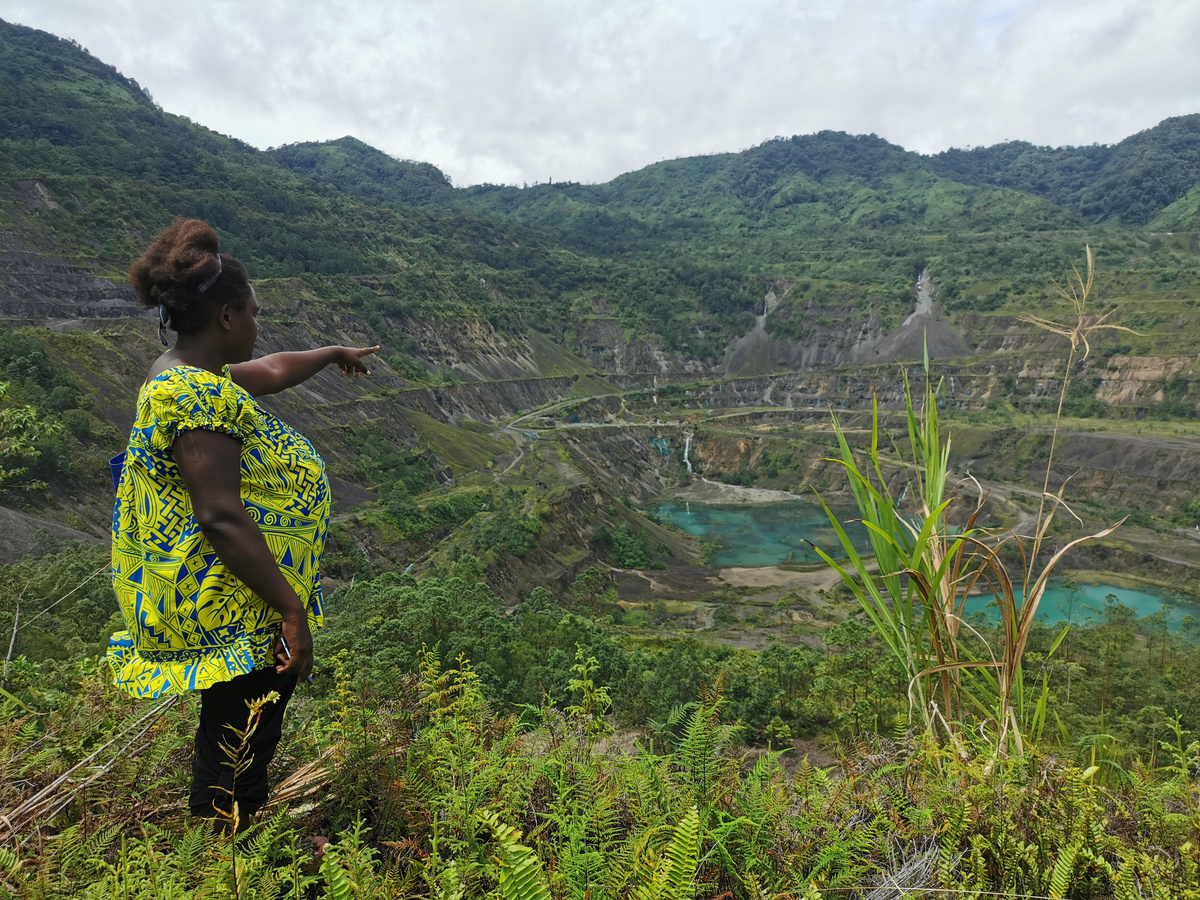
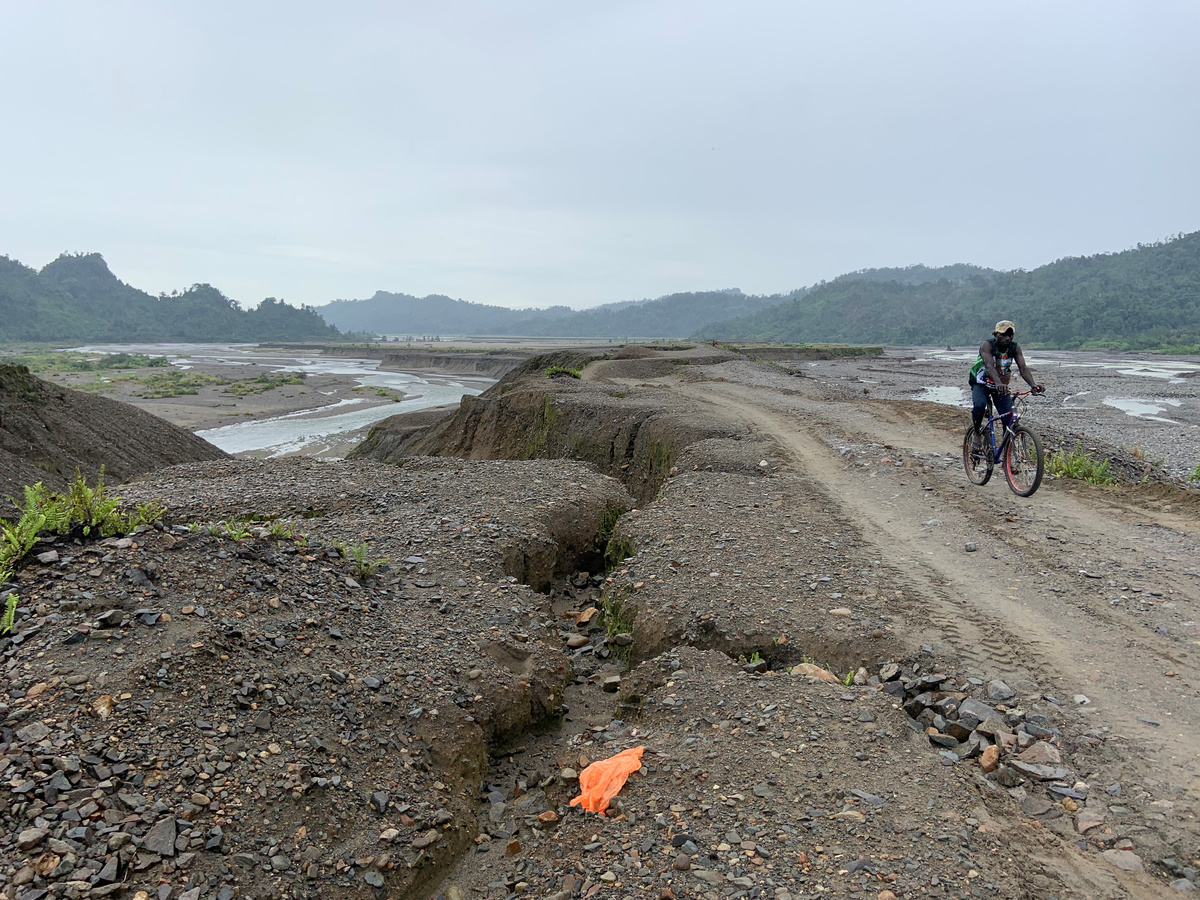
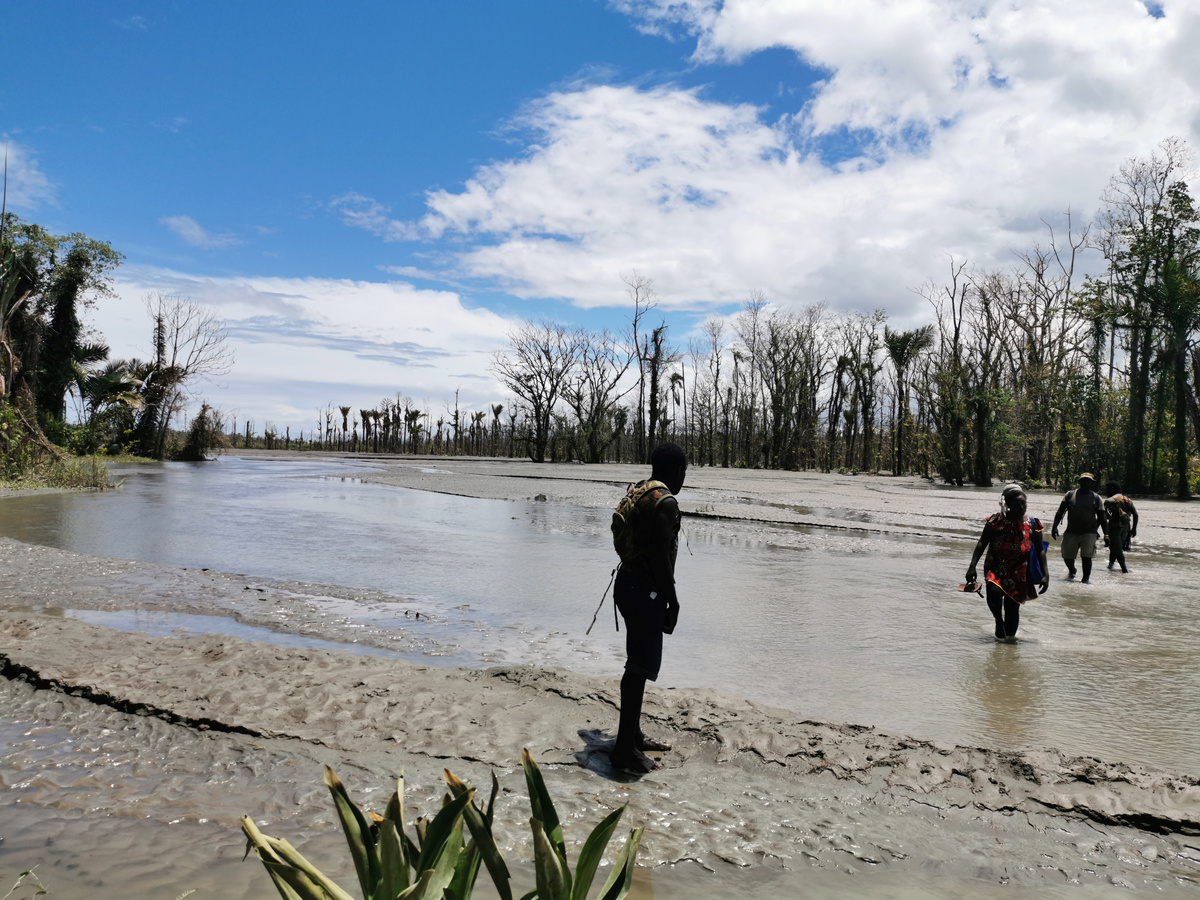
The rights group report said the Bougainville mine and its waste dumps contaminated the Jaba-Kawerong valley rivers, restricting access to clean water for 12,000 to 14,000 people who live downstream and denuding 40 km to the coast.
"Polluted water from the mine pit flows unabated into local rivers, turning the riverbed and surrounding rocks an unnatural blue," it said.
Tensions over how the mine's profits should be shared forced Rio Tinto to abandon the mine amid an escalation into civil war. At the time, it was Papua New Guinea's largest source of export revenue and accounted for about 7% of global copper production.
Bougainville voted to become independent from Papua New Guinea in December and there has been talk of resuming mining as a form of income.
(Reporting by Melanie Burton; Editing by David Clarke)