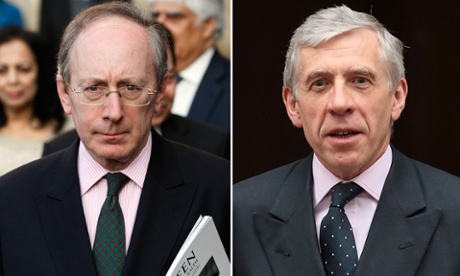
Suppose that the editor of the “Daily Crusade” who appointed Sir Humphrey Flannel to be supreme press ombudsman then found himself being investigated for dirty dealing by the selfsame Flannel, who lugubriously declared him not guilty. Hacked Off rockets would be heading for the moon in a moment. But Sir Malcolm Rifkind was on the committee that appointed Kathryn Hudson as parliamentary commissioner for standards a couple of years ago – and Hudson did give Sir Malcolm (along with Jack Straw) a cleanish bill of ethical health in her report to parliament’s standards committee last week. This doesn’t mean that somehow the whole inquiry was a decorous Westminster fix. Of course not. Hudson lays out her assessment of the evidence at length and in detail. But it does mean that rules are rules – and that they vary widely if you’re a TV reporter, a newspaper editor or an MP (remember that Rifkind and Straw are lawyers to boot).
The basic story – from Channel 4 Dispatches and the Daily Telegraph – claimed that the two former foreign secretaries, approached by a fake Chinese company, were pretty eager to do lucrative lobbying business. The sting went in: their responses were filmed and broadcast. But were there specific infringements of the parliamentary rulebook? At one point, Hudson reports Rifkind as acknowledging that “he had made ‘errors of judgment’ and ‘off the cuff’ remarks about which he might have been ‘mistaken’ – but while those errors allowed others to draw unflattering inferences, they do not provide evidence that Sir Malcolm had done anything which could be considered a breach of the rules on lobbying”.
The Independent Press Standards Organisation has its own rules about stings. You can’t just trawl around for dirt without reasonable cause for specific suspicion. (That’s why those same rules against trawling stung the Telegraph when Vince Cable was a victim a few years ago). And Ofcom - a statutory regulator, remember - has different rules again, which Channel 4 traditionally applies with added rigour. There has to be evidence-gathering in initial investigations: no trawling. Two exhaustive stages of form-filling - first for filming, then to secure permission to broadcast - must be completed through the production process. Two lawyers sit on top of it throughout. This isn’t the wild west, or an excuse to run wild around Westminster.
So here’s the rub. You can quite see why Rifkind and (especially) Straw felt themselves hard done by. You can understand why the MPs’ committee Hudson reports to clambered onto a high horse. But you can’t quite see why the film shown and the offers made weren’t assessed as multimedia, not just as print transcripts. Nor is it easy to understand a process where the ombudsman meets in person with aggrieved parliamentarians, but doesn’t seek personal appearances from the journalists involved. Seven years after the Telegraph’s revelations about MPs’ expenses, and 27 years after “Cash for Questions”, parliament is still doing its own regulatory thing. Channel 4 is right and feisty to take its case to Ofcom. Ipso, anxious to set standards as well as hear complaints, might prod the Telegraph to do likewise.