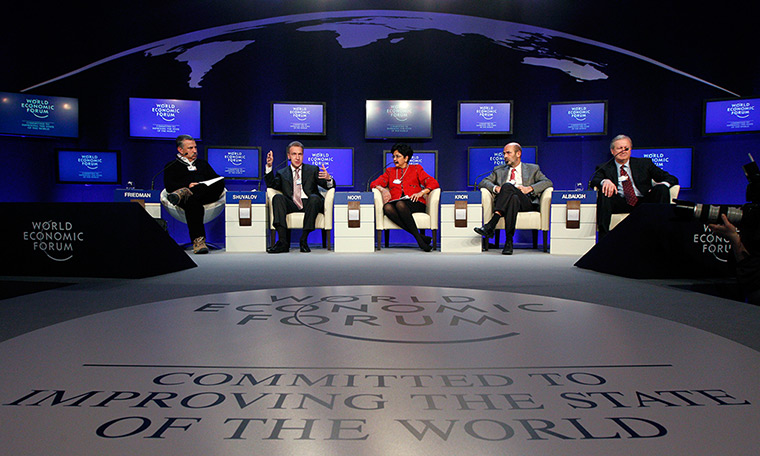
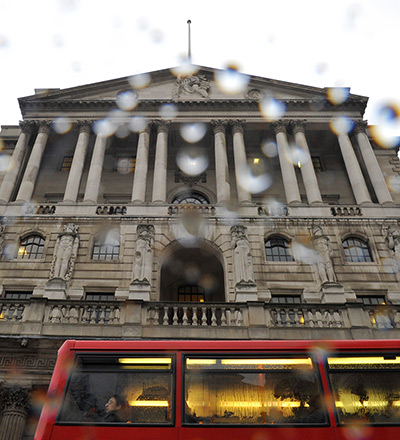
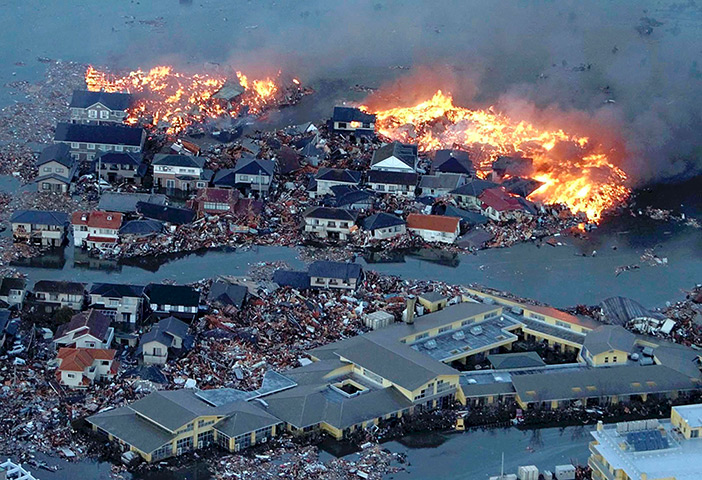
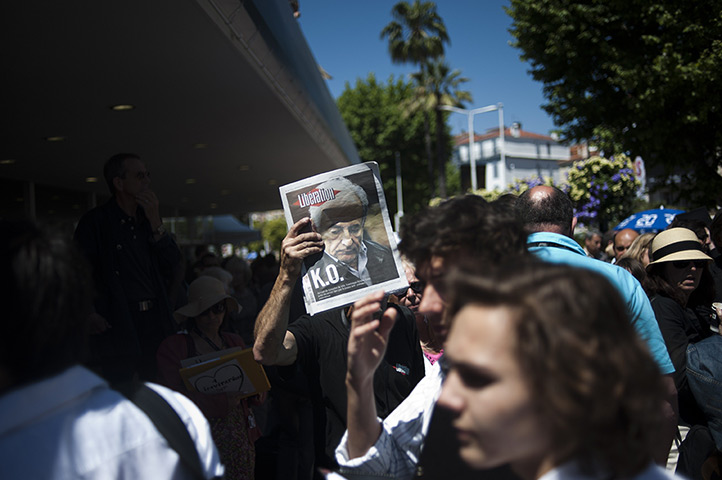
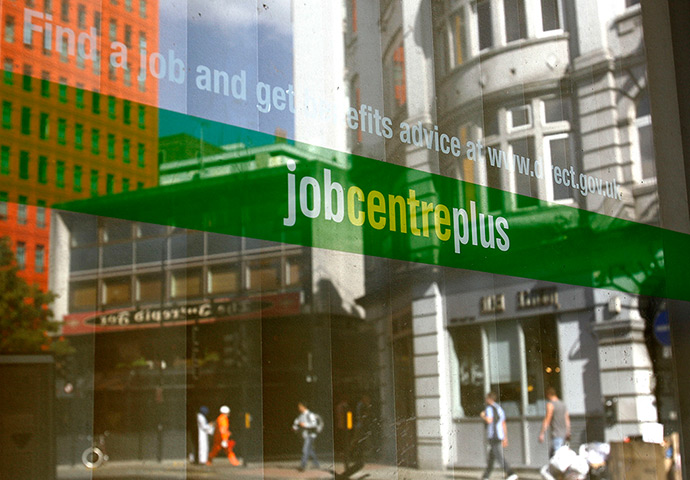
January The year begins with a prediction. "We have to save the euro over the next six months," says Hungary's prime minister Viktor Orbán, as the country starts its six-month turn heading the European Union. In the UK, the economic data shows inflation shooting up to 3.7% in December, prompting growing speculation that the Bank of England will raise interest rates by the spring. It is revealed that the UK economy shrank by a shock 0.5% in the last quarter of 2010 as Britain's recovery faltered in the pre-Christmas snow. At the annual get-together for world leaders in Davos, George Soros – the speculator who famously "broke the Bank of England" – warns that the UK faces recession unless its austerity package is relaxed. Photograph: Christian Hartmann/ReutersFebruary News that inflation rose to 4% in January, the highest annual rate in more than two years, prompts a predictable response. Deputy governor of the Bank of England, Charles Bean, warns that interest rates may have to rise, and is joined by Andrew Sentance - a soon-to-depart member of the Bank’s Monetary Policy Committee. City wags, concerned that his medicine might finish off the UK, dub him “Death” Sentance. No such concerns in China, which becomes the world’s second-largest economy after taking title Japan had held for more than 40 yearsPhotograph: Toby Melville/ReutersMarch The last thing the world’s economy needed in March was another shock, but that’s what it got. An earthquake in Japan rocks financial markets. Meanwhile, having spent the run-up to the financial crisis insisting there was nothing risky about stuffing sub-prime mortgages into collateralised debt obligations, the credit ratings agencies awake. Moody’s slashes Greece’s rating by three notches to B1, while also downgrading Spain’s to Aa2. Borrowing costs for weaker members of the eurozone continue to rise, raising fears that further rescue packages will be needed. The agency also has a few words for George Osborne following the chancellor’s “budget for growth”. It says Britain could lose its prized AAA credit rating if growth forecasts prove too optimisticPhotograph: Yomiuri/Reuters
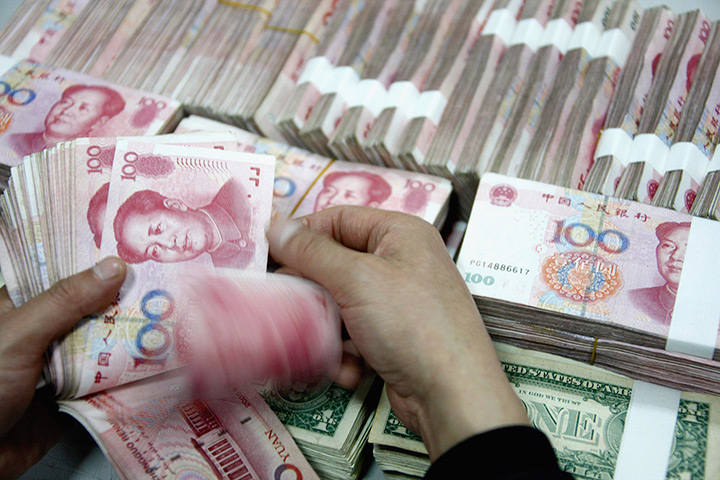
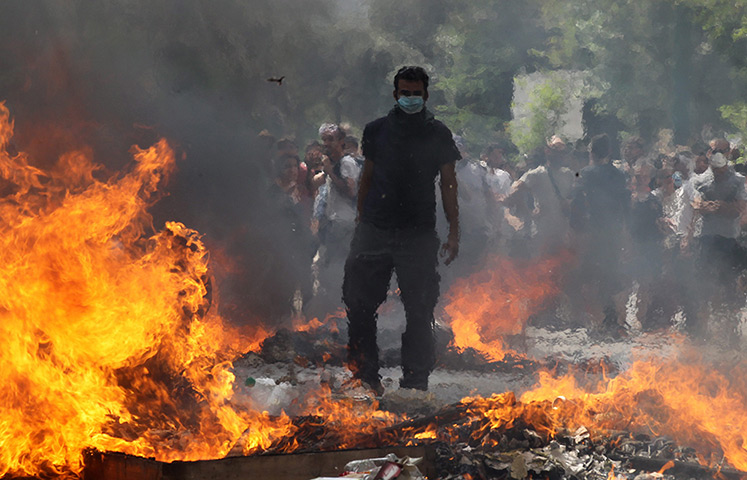
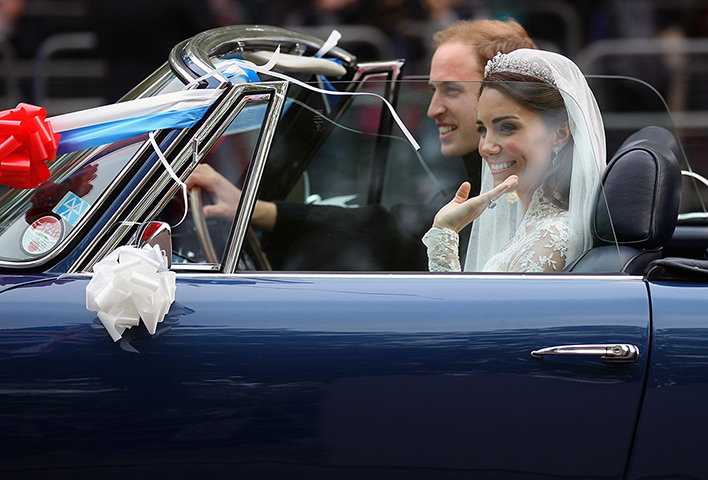
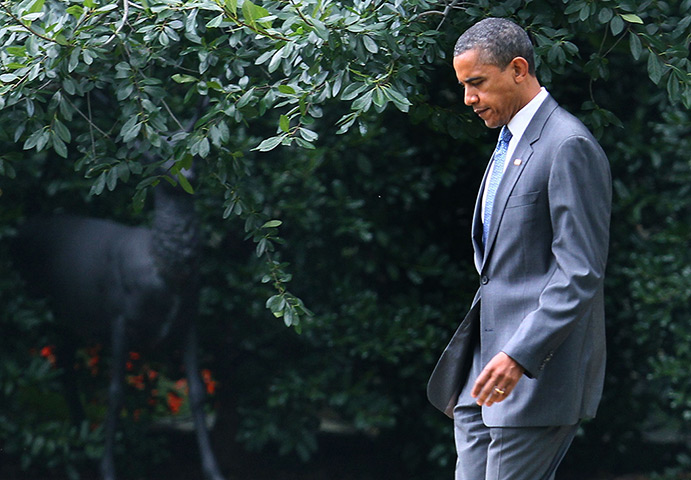
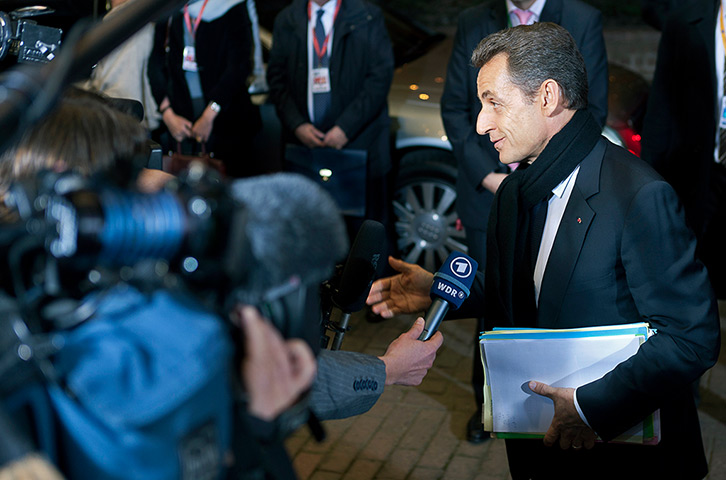
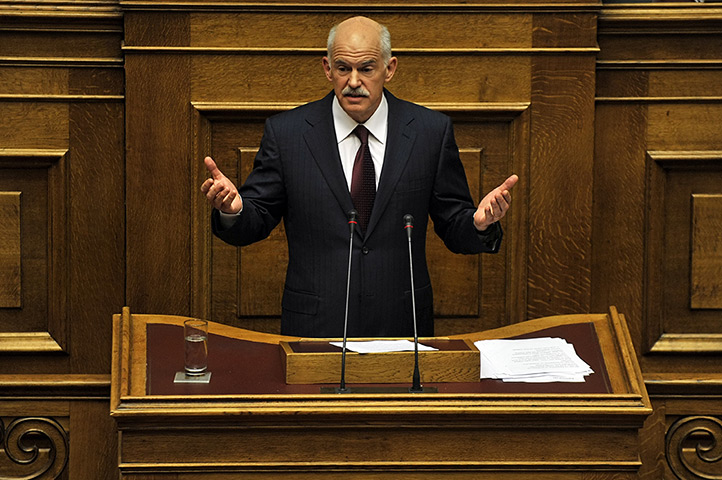
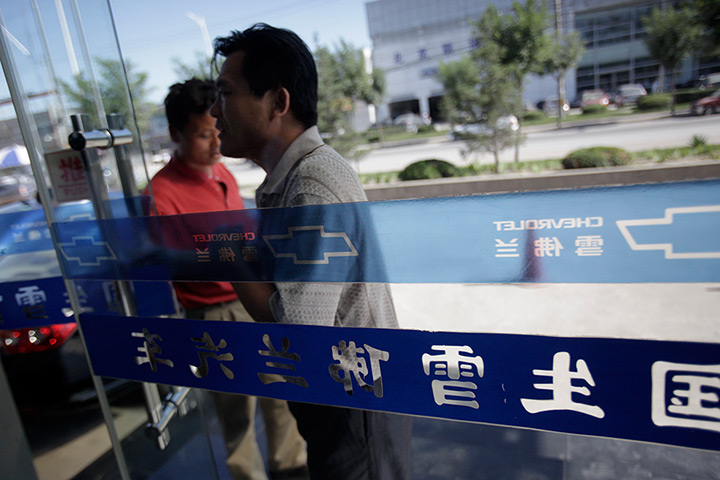
April The ratings agencies are developing a taste for this downgrading lark. Standards and Poor’s snips US debt outlook from stable to negative for the first time since the Pearl Harbor attack. Meanwhile, China raises its interest rates for the second time in 2011, adding to concerns that its economy is overheating. A shutdown of the US federal government is averted with a late deal on spending cuts, but the gold price hits a new record of $1,500-an-ounce as investors seek safe havensPhotograph: ChinaFotoPress/Getty ImagesMay With the world looking towards its financial institutions for firm leadership, Dominique Strauss-Kahn gets himself arrested in New York on sexual assault allegations forcing his resignation as the boss of the International Monetary Fund (the charges are subsequently dropped). Portugal’s negotiates a €78bn bailout deal, while the economic thinktank, the Paris-based OECD, says the UK will have to start raising interest rates to prevent inflationPhotograph: Fred Dufour/AFPJune The Orbán timescale still looks valid. Five months after Hungary’s PM warned there was six months to save the euro, a Berlin meeting between Germany’s chancellor Angela Merkel and France president Nicolas Sarkozy prompts headlines: “45 minutes to save the euro”. Meanwhile, the rudderless IMF supports the UK’s austerity measures, but stock markets fall sharply on the imminent prospect of a Greek default. Its bonds hit record levels after riots add to the pressure on the governmentPhotograph: Orestis Panagiotou/EPAJuly What a relief. “At the 11th hour, a new solution to save the euro has emerged,” reports the Wall Street Journal, after European leaders hammer out a new deal including a “Marshall plan” to stimulate the Greek economy. In the UK, a royal wedding, an earthquake, hot weather, heavy snowfall and the Olympics are all lined up to excuse poor second quarter GDP figures. French finance minister Christine Lagarde is appointed as the new head of the IMF (it’s always a European). Emerging nations say the post should be filled on the basis of competence not nationality. Whatever next?Photograph: Jeff J Mitchell/Getty ImagesAugust Congress passes a new US debt ceiling deal, but it’s still not a great month for Barack Obama. The president is rocked as ratings agency Standard and Poor’s carries out its threat to downgrade the US’s gold-plated triple A rating to AA+, as it judges that a deficit reduction plan is too tame. Switzerland moves to counteract the “massive overvaluation” of the Swiss franc. The MPC suddenly agrees. Dissenters Martin Weale and Spencer Dale fall back into line in a unanimous vote for interest rates to remain at their record low of 0.5%Photograph: Mark Wilson/Getty ImagesSeptember Having solved the problem in July, the world’s leaders start doubting if they really have saved the euro. Leading central banks are to flood the financial system with US dollars, in a co-ordinated action designed to boost market confidence. Public sector job cuts send unemployment back through the 2.5m barrier, and having backed the UK’s austerity drive in June the IMF hedges its bets. It cuts UK economic growth forecasts and warns that the UK may have to slow his deficit reduction programmePhotograph: Kirsty Wigglesworth/APOctoberMerkel and Sarkozy hold emergency talks in Frankfurt to cement a deal to save the eurozone (again). Sarkozy flies to Germany rather than stay with his wife, Carla, for the birth of their first child - underlining either the scale of the panic or his fear of maternity wards. Inevitably, Europe’s leaders claim another victory after increasing the firepower of the main bailout fund - the European Financial Stability Facility (EFSF) - to around €1tr. The Bank of England takes action to kick-start Britain’s flat-lining economy by pumping another £75bn into the banking system – more, and earlier, than economists had expectedPhotograph: Thierry Monasse/ReutersNovember The much heralded October eurozone victory suffers a setback. The Merkozy eyebrow arches as Greece prime minister George Papandreou proposes a referendum on deal. The plebiscite is subsequently crushed, as is Papandreou, who quits. He’s not alone. Italy’s prime minister, Silvio Berlusconi, also says he’s off as interest rates on Italian bonds rise above 7%. In the UK there is some good news, as figures show GDP was stronger than expected in the third quarter growing by 0.5%, while inflation is also starting to fall. But there’s bad news too. Youth unemployment hits 1m, while in his autumn statement Osborne concedes the UK will barely grow next yearPhotograph: Louisa Gouliamaki/AFPDecember UK unemployment hits a fresh 17-year high of 2.64m. The tension between America and China over international trade escalates when Beijing imposes additional duties on cars imported from the United StatesPhotograph: Bloomberg/Getty
Sign up to read this article
Read news from 100’s of titles, curated specifically for you.