When someone breaks your heart, it’s time to get sad. Or get even. The latter might sound like something out of a trashy American romcom – does anyone actually date for revenge? Wasn’t that the plot of John Tucker Must Die? Didn’t that end pretty badly for all involved? – but in this heterofatalistic era that has cast men and women in juxtaposing villain-victim roles, it has become a go-to dating tactic.
Just ask Emily Ratajkowski, whose viral essay in The Cut details how, in the wake of her divorce, the model-slash-writer embarked on a dating tirade, embodying a character who needed nothing from men and could therefore be in total control, and totally detached, at all times. As the 35-year-old mother-of-one puts it: “The character I’d learned to embody after my divorce, in my period of compulsively dating, was a villain: Poison Ivy. Catwoman. Sexual but scary.”
The compulsion, she explains, came from a position of being jaded by romance and marriage. “I’d learned the hard way that being alone was better than most partnerships,” she writes. “I’d seen too much, discovered what many women do only when they get divorced in their mid-40s. I’d lived through the failure of a unit, yet I was barely into my 30s. This was my villain origin story.”
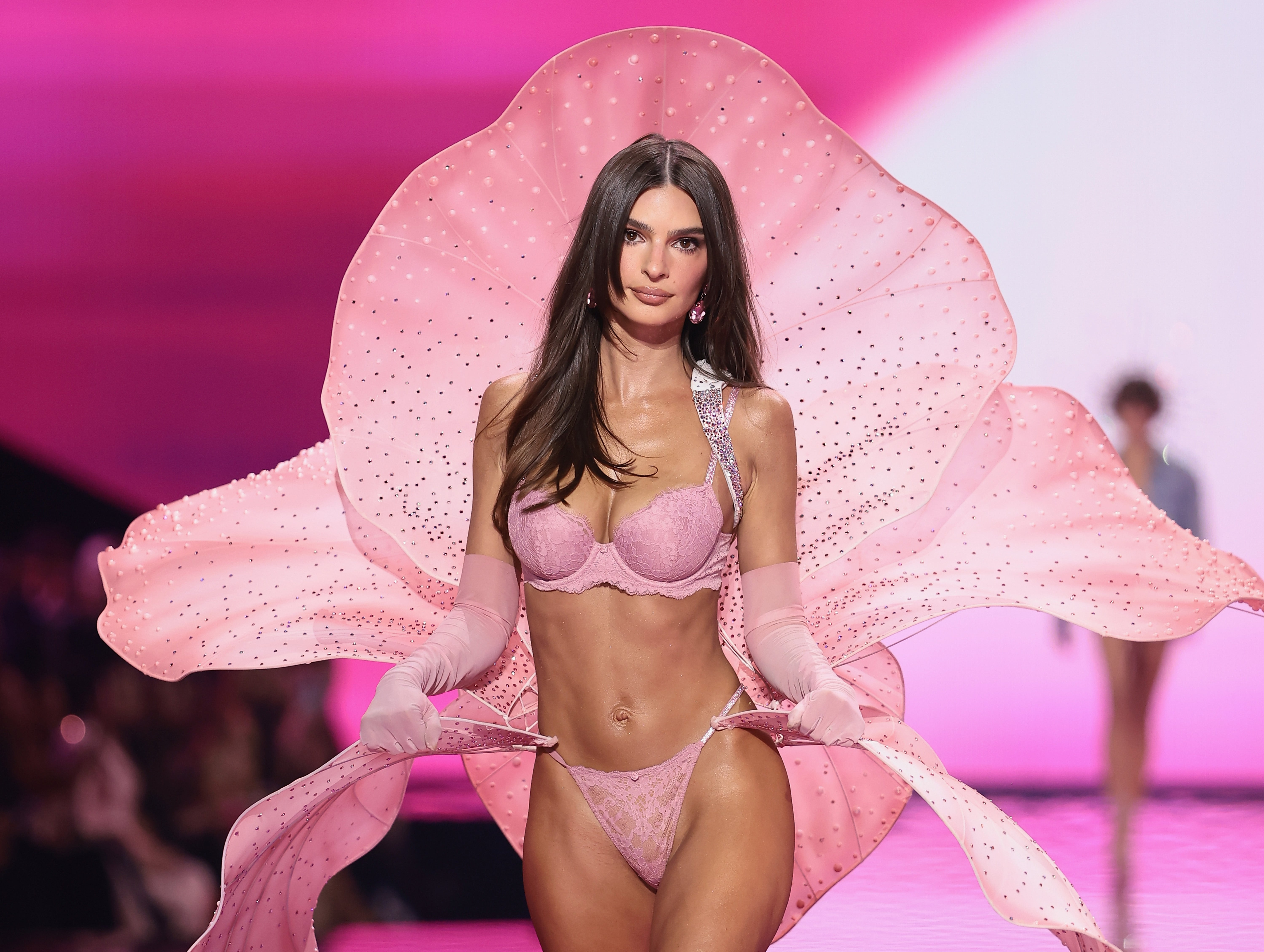
The rest of the piece details Ratajkowski’s dating adventures in a similarly cynical tone, comparing her newfound malevolent persona with her pre-married self, when she had never had a one-night stand and “only slept with eight people”. It’s an excellent essay, by the way, and one that will strike a chord with anyone who has ever found themselves wanting to reclaim whatever they might’ve lost to a toxic ex, or a situationship who treated them poorly.
One such person might be Cara Delevingne, who expressed a similar stance in an interview with Alex Cooper on the Call Her Daddy podcast earlier this month. “Any man that I hurt, I feel very bad because I did take these, actually very nice guys, for a ride because I didn’t know,” she said concerning dating men before she knew she was attracted to women. “And I also… I was quite hurt by one guy, specifically, who took my virginity, and I was like, after this, I am going to hurt all of you. It’s so rude and mean,” she added.
While not remotely logical, revenge dating is not exactly a surprising strategy: get hurt by someone you loved, and look to soothe that hurt by hurting other people. It’s something that dating psychologists and counsellors recognise as often resulting in seeking out partners you know aren’t right for you to maintain an emotional distance from them, which makes it a lot easier to feel vindicated when you treat them poorly without consequence. It’s also easier than ever, given we’re all only a few taps away from finding potential candidates to project our pain onto via a dating app.

“After a painful betrayal or rejection, many people experience a temporary shift from vulnerability to self-protection,” explains Jo Hemmings, behavioural psychologist and relationship coach. Dating people who are clearly wrong for you, keeping emotional distance, or even treating potential partners badly can create an illusion of control at a time when control feels as though it has been taken away.”
It’s something that’s particularly common among women. “In a cultural moment when heterosexual relationships are increasingly experienced by women as a site of exhaustion and disappointment, adopting the persona of the femme fatale (detached, unfeeling, impossible to hurt) feels tempting,” explains counselling psychologist Dr Madeleine Roantree.
While it may feel like enacting revenge, this approach tends to be more about acquiring power and maintaining it in dynamics that, in the past, have forced you to relinquish it. “By choosing relationships with poor emotional potential, there is less risk of genuine intimacy and therefore less risk of rejection,” adds Hemmings. “The problem is that while this strategy can feel empowering in the short term, it often prevents the very healing people are looking for.”
Emotional detachment forecloses the possibility of real intimacy, meaning each new encounter quietly reinforces the original belief that love is something that happens to you, not with you
Dr Madeleine Mason Roantree, counselling psychologist
Ultimately, revenge dating is a form of self-sabotage. Or, as Dr Roantree puts it: “grief in a leather jacket”. She explains: “The very mechanism that makes it appealing is what makes it destructive: emotional detachment forecloses the possibility of real intimacy, meaning each new encounter quietly reinforces the original belief that love is something that happens to you, not with you.”
In other words, it’s likely only ever going to hold you back rather than push you forward. And the pain you're trying to run from? Well, it might only feel more potent the longer you keep up the act. This was the conclusion Ratajkowski came to: “It occurred to me then that, despite my performance as the supervillain, a character I’d believed made me impenetrable, I was just as misguided and vulnerable as I’d been in my 20s when I was playing the good girl,” she posits.
The vulnerability comes across in Ratajkowski’s essay in myriad ways that will be familiar to anyone in a similar position: getting off on someone else’s attraction to you rather than considering your own (“I was especially satisfied by his expression when he looked down at me”), reducing the men you date to caricatures (”Elder Millennial”, “Vegan Graffiti Artist”, “Spanish Gen-Zer”) to reinforce your disassociation, and playing into a man’s slightly misogynistic kinks, subsequently putting his pleasure above your own: Ratajkowski recounts how “Elder Millennial” called her “streetwalker” and “dirty wh*re” during sex.
In the moment, all this might make you feel like you’re the one benefiting. This is a persona you created, which means your agency is preserved regardless of the position you happen to put that persona in. Except this isn’t the case. Because the second you start dating as someone else, you’re going to wind up meeting people who want something from a version of you that doesn’t exist. Not only can that feel desperately empty and unfulfilling, but it will also push you farther away from finding meaningful connections with people you’re actually compatible with. Very quickly, what started as a series of funny anecdotes becomes a defence mechanism to disguise your loneliness.
The best way out of this mindset is to do the difficult work of analysing what it is that led you to it. “The healthiest response to being hurt isn’t to stop caring, it’s to become more discerning about who earns access to your vulnerability in the future,” suggests Hemmings. “Ultimately, the greatest revenge is not making someone else suffer. It’s reaching the point where they no longer dictate how you approach love, trust, or your own happiness.”