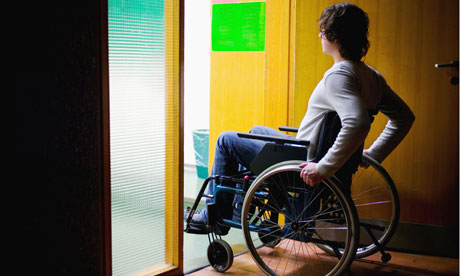
Before she was diagnosed with breast cancer, school administrator Hilary Norsworthy considered herself a valued member of her team. But when she returned to work after several months off for treatment, she immediately felt out of place. Her desk was occupied by someone else and she was no longer allowed a password for the computer system.
"I had been there for 22 years and never had any complaints," she says. "But when I came back everything had changed. The school became like a jail to me, when before it had been my whole world." Within a few weeks, she felt she had no option but to resign.
Research by Macmillan Cancer Support suggests that increasing numbers of cancer patients feel discriminated against, or even bullied, when they return to work. Nearly 40% of those surveyed said that they felt they'd experienced discrimination of some sort when going back to work after treatment, compared with 23% in 2010.
Although it's not clear what's behind the rise, the tough economic climate might be partially to blame. Macmillan's head of policy, Duleep Allirajah, points out that many employers fear that the changes needed to accommodate employees after treatment for a serous illness will be too costly.
In fact, relatively small changes might make all the difference. "The big message is that employers should understand what the needs of their employees are," he says. "It's not necessarily expensive. One woman I spoke to, just wanted somewhere she could sit down when she was feeling wiped out."
Allirajah says both employers and employees need to be realistic when it comes to work after a cancer diagnosis. Agreeing a phased return or suspending performance targets while an employee gets back on their feet can be crucial.
"Getting back to work is hugely important as a signifier of normality. It's a milestone," says Allirajah. "But when people get back, they may realise they're not quite back to normal. When their treatment finishes, they go straight back into the deep end and then they may realise they can't cope and have to leave. If you've got a plan in place to make the return to work much more aligned to the recovery, then you've got a chance of retaining staff."
Macmillan recommends a number of ways employers can support staff, including maintaining good communication during their absence, as well as before and during the return-to-work period. Line managers are especially important in the process, and should have access to advice from HR teams to ensure they're giving staff the right support. Employees, the charity says, should discuss all their options with their employer. A buddying scheme, where a trusted colleague or someone who has been through cancer treatment themselves offers workplace support, can be helpful.
It's not just cancer patients who are affected. Catriona Hauser, a solicitor and multiple sclerosis legal officer at the Disability Law Service, says people with MS are often relatively young when they are diagnosed and have many potentially productive work years ahead of them. But some of those who'd like to continue in their career are kept out of the jobs market by unsympathetic employers.
Under the Equality Act, employers are required to make "reasonable adjustments" to prevent employees or job applicants from being disadvantaged. But Hauser says: "Some employers will just think it's going to cost their business too much, while other employers may have a misunderstanding as to what adjustments are reasonable."
Hauser says there is still too little awareness of the help available via occupational health or through the Access to Work grant programme. But she adds that the legislation does not require their organisations to make every adjustment employees might ask for.
For Allirajah, helping an employee to continue in the workplace makes sense. "Businesses need to see that losing a very valuable trained member of staff can affect their business – and recruitment costs," he says. "When people come back after cancer, it's so important to them. If they feel their employer is supporting them it will pay dividends in the commitment they give back."
Hilary Norsworthy would have welcomed that sort of opportunity. "Employers need to understand that after you have had this sort of treatment you need boosting and encouraging," she says. "We've only been ill – if they would just support your fledgling confidence, in no time at all you could get back to how you were – you just need time to build up your strength."
Macmillan's guide to work and cancer is available here. Factsheets for employees and employers are also available from the Disability Law Service here.
This content is brought to you by Guardian Professional. To get more content and advice like this direct to your inbox, sign up for our weekly update and careers ebook.