Return to form: Thomas Schütte's Faces & Figures - in pictures
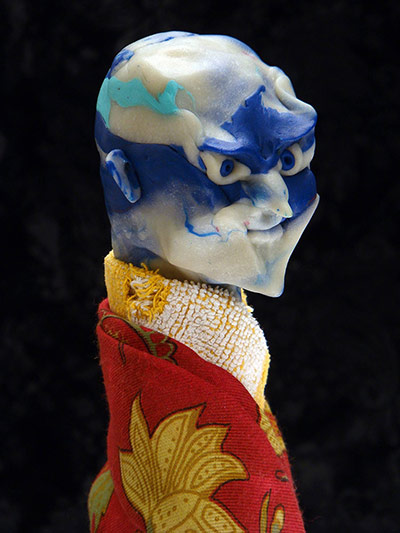
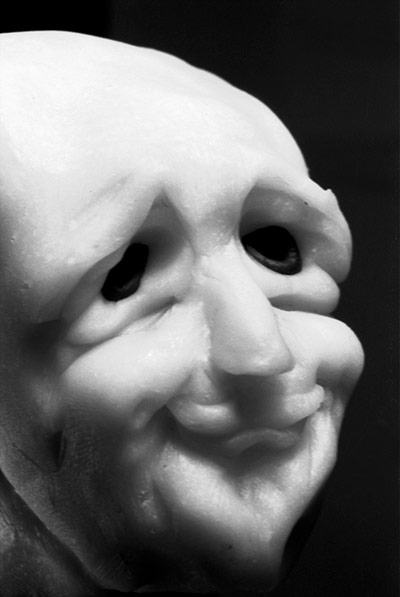
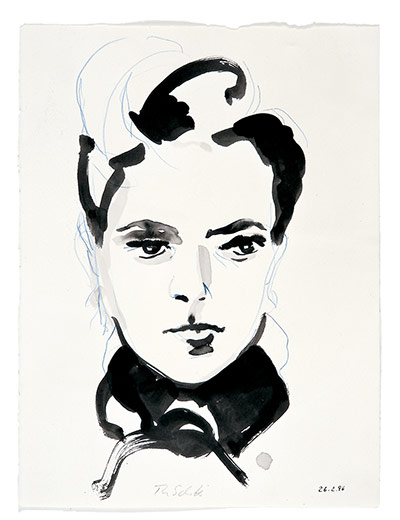
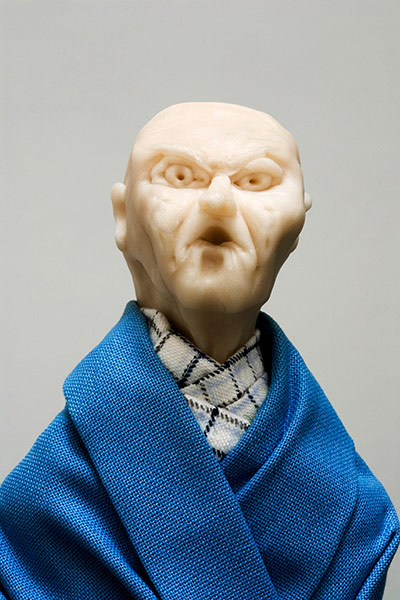
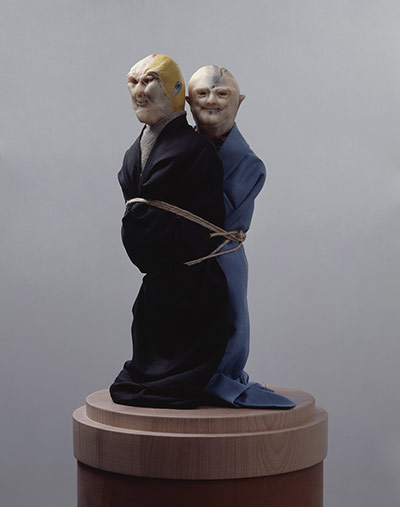
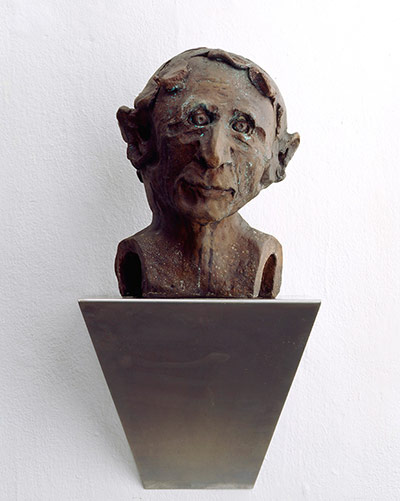
In pieces such as Bert, says Adrian, 'Schütte is riffing on basic problems and opportunities: how to form noses, or eyes in their sockets, eyebrows, ears, hair, character and expression'Photograph: Gino Bühler/DACS 2012Innocenti (1994). 'Schütte’s works, too, might be seen as micro-fictions – moments rather than stories, each from a different sculpted or drawn world'Photograph: Thomas Schütte/DACS 2012Luise (1996). 'His drawings and prints are invariably more personal. There is a great deal of tenderness. The strokes are sometimes delicate and precise, sometimes looser' Photograph: Wilfried Petzi/DACS 2012
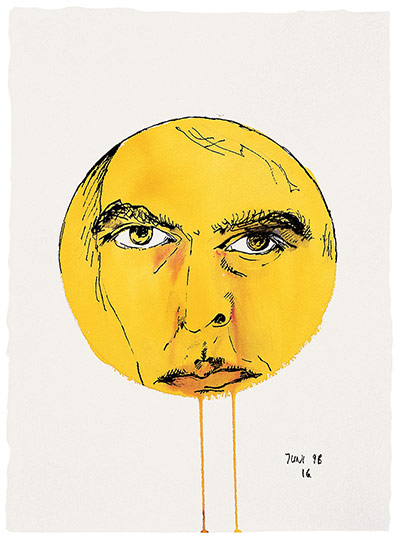
United Enemy (1994). 'There is an idea of beauty here, and beauty in art is immeasurably difficult. This sculpture could be kitsch, but isn’t. Somehow, Schütte manages to undermine the form, giving it a twist. I stand there and think, how dare he?' Photograph: Mathias Johansson/DACS 2012United Enemy (1995). 'As a ceramicist, he knows how to use the accidents of glazes, and how sculptures can slump or break in the kiln. The question is, how to take advantage of such accidents'Photograph: Mathias Johansson/DACS 2012Wicht (2006). 'A whole room is devoted to imaginary bronze heads, each on a little shelf. Schütte riffs on both art and on the lump, on material and meaning. These heads are called Wichte, or Jerks, and they’re just the kinds of jerks you might avoid in a bar'Photograph: Nic Tenwiggenhorn/DACS 2012Mirror Drawings (1998). 'Here is Schütte himself again and again, staring into a little round glass as though through a porthole, unsmiling and focused, somehow other than himselfPhotograph: DACS 2012
Sign up to read this article
Read news from 100’s of titles, curated specifically for you.