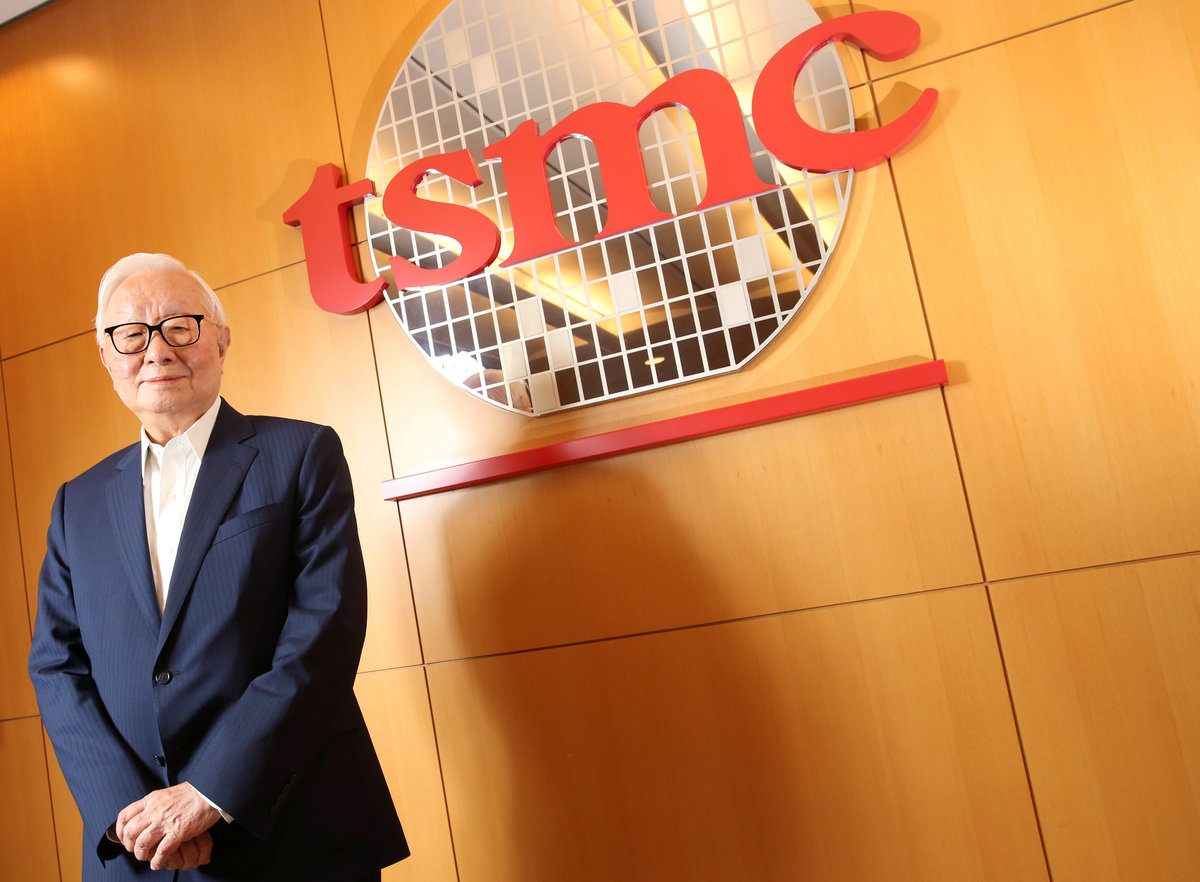
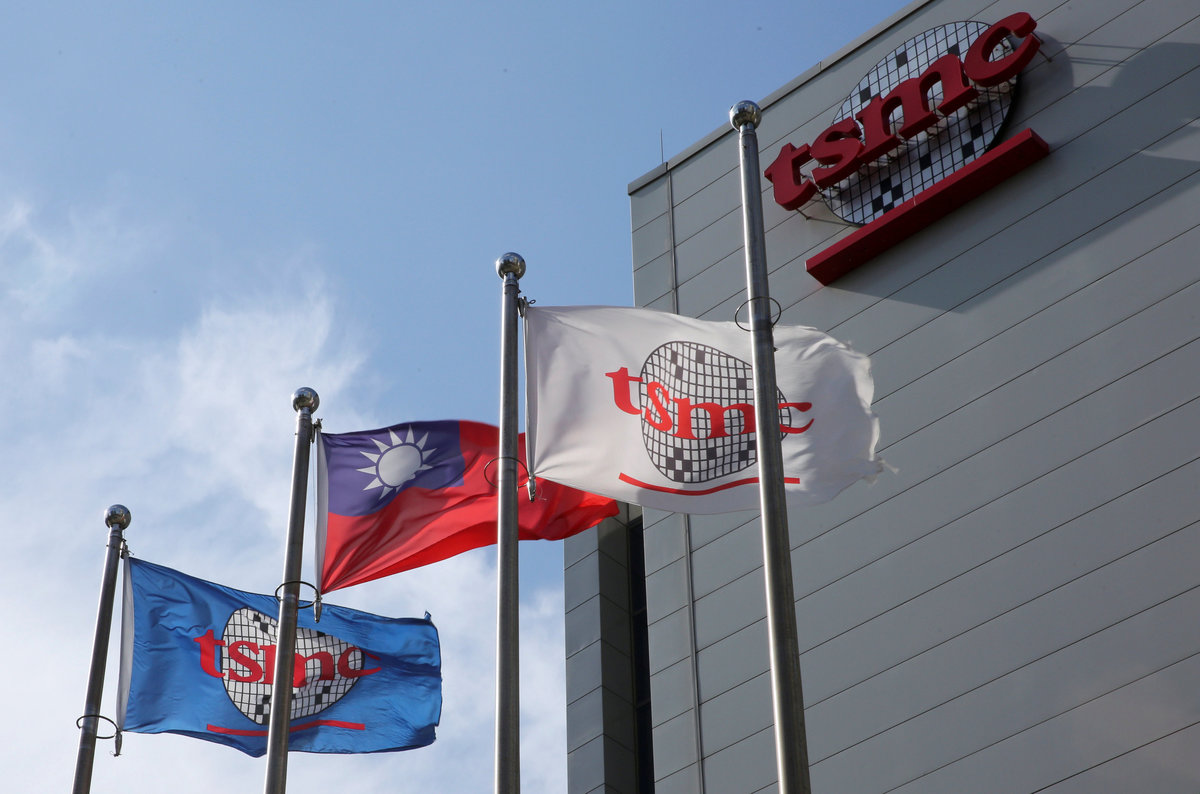
TAIPEI (Reuters) - Taiwan Semiconductor Manufacturing Co (TSMC) will remain an industry leader, with growth driven by the Internet of Things (IoT), automotive, high-performance computing (HPC) and mobile, its chairman Morris Chang said in an interview.
Chang, 86 and dubbed the father of Taiwan's semiconductor industry as he built up the Apple Inc supplier into the world's biggest foundry chipmaker, said he expects driverless taxis in 10-20 years and sees artificial intelligence (AI) replacing many doctors.
"We're going to be right there, hopefully ahead of anybody. But at least we're going to be there with other people to the upper limits of technology," Chang told Reuters at the company's headquarters in Taipei.
Chang expects TSMC, which has a market value of about $185 billion, to increase its capital spending by 5-10 percent over the next five years, and to continue to invest in research and development where it employs about 6,000 workers. He also expects further consolidation in the chip industry.
His remarks come just days after he said he would retire next June. He will be succeeded as chairman by Mark Liu, with C.C. Wei appointed as chief executive. The two have worked together as co-CEOs since 2013.
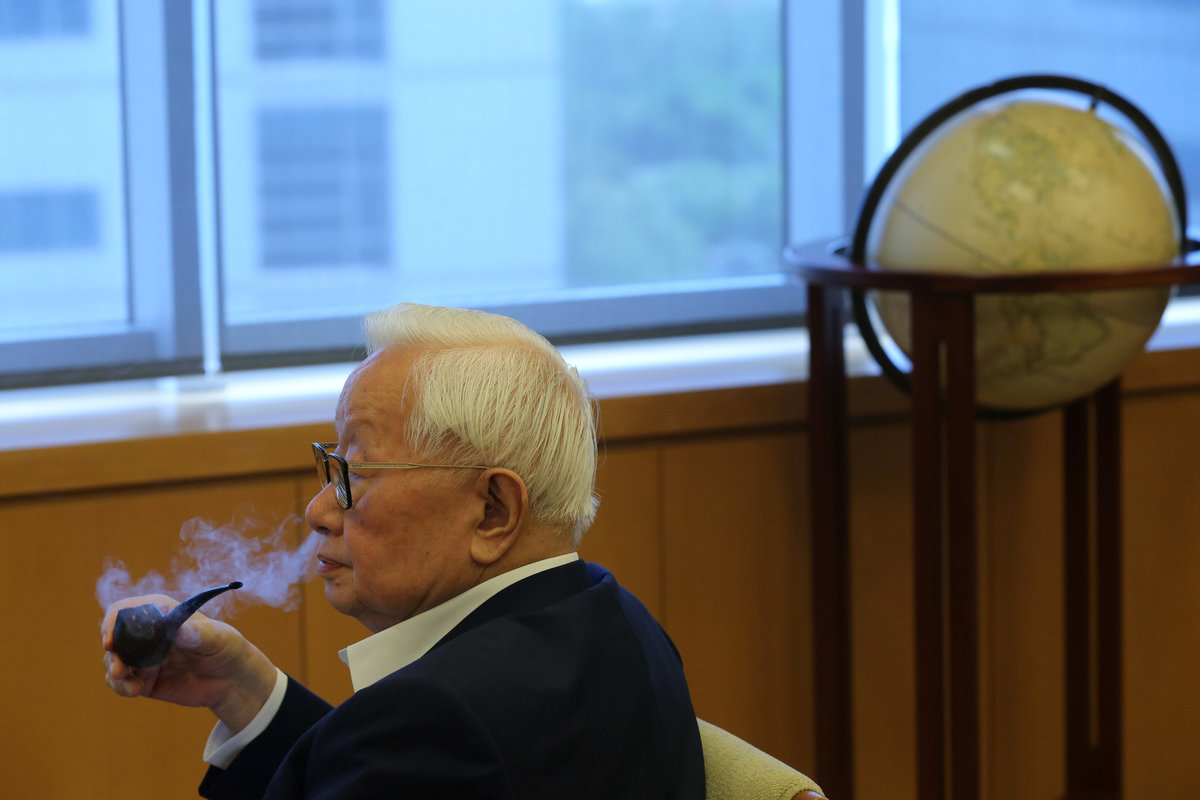
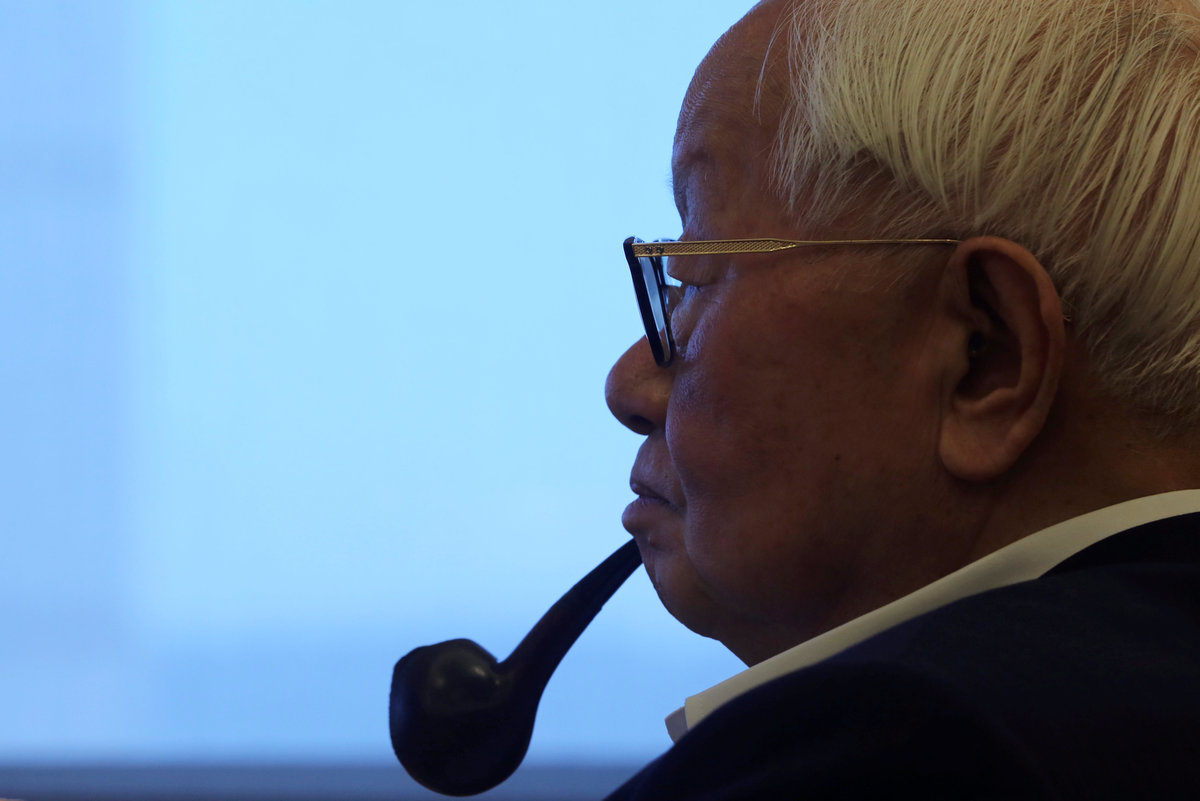
Puffing on a pipe, Chang said he would offer his successors advice until he steps down, and a key message would be the importance of sealing partnerships.
"We need to establish partnerships in IoT, automotive, high-performance computing," he said, adding that mobile still has bright prospects for the next few years. "Those are the four growth platforms we have identified."
Chang's remarks come as TSMC, which has thrived on booming demand for chips used in smartphones, seeks to diversify its customer base and move into emerging sectors such as AI.
It must also deal with a growing threat from Samsung Electronics, the world's top memory chipmaker, which plans to triple the market share of its contract chipmaking business within five years by aggressively adding clients.
To fend off competitors, TSMC needed to compete on every front, Chang said, adding that chip subsidies in China were a challenge for the semiconductor industry.
"We still sell in China, but the fact is that China is subsidizing a lot of companies ... so the result is that companies in China can continue to lose money for a long time and yet still survive," he said.
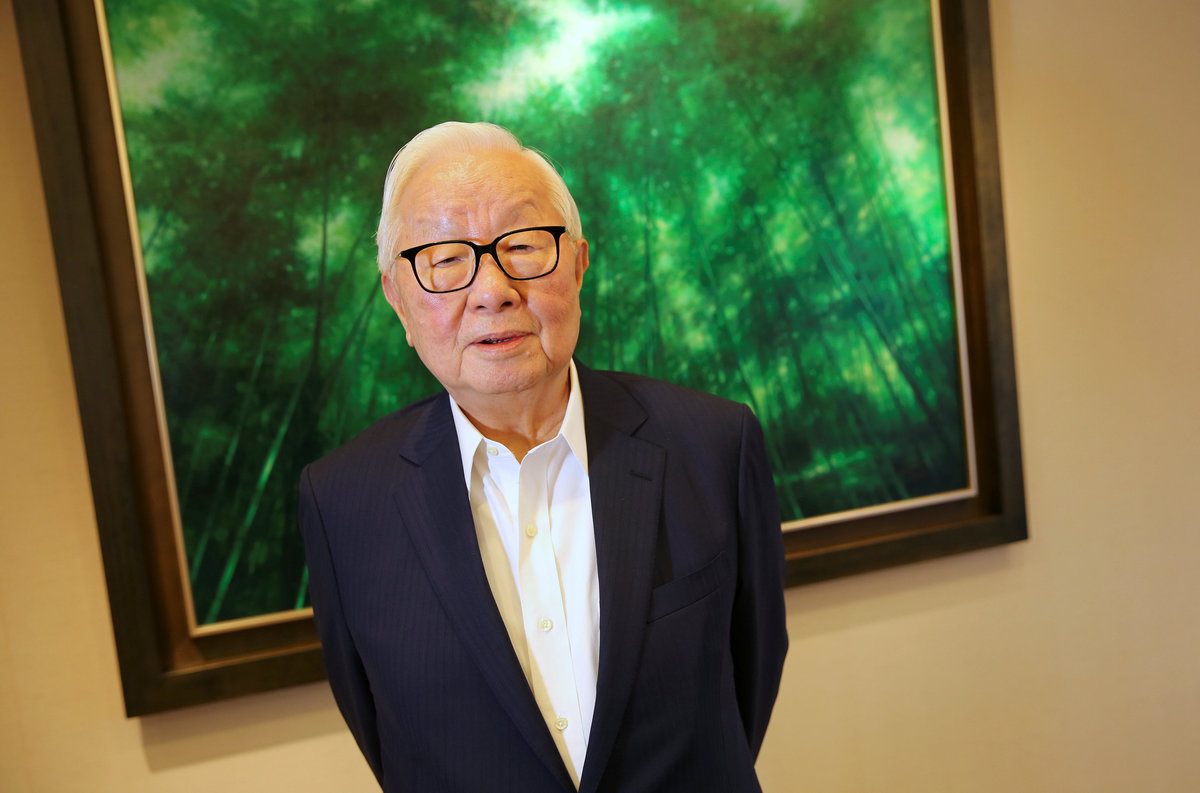
While TSMC was still looking to identify the best potential partners, Chang highlighted its current partner Nvidia as a rising star in AI.
Chang founded TSMC in 1987 with paid-in capital of T$1.4 billion ($45 million), and pioneered contract chip manufacturing for chip design firms which don't have their own factories.
Among his achievements, Chang said he was most proud of building TSMC into its present position, and also noted his time at Texas Instruments where he helped build the semiconductor business.
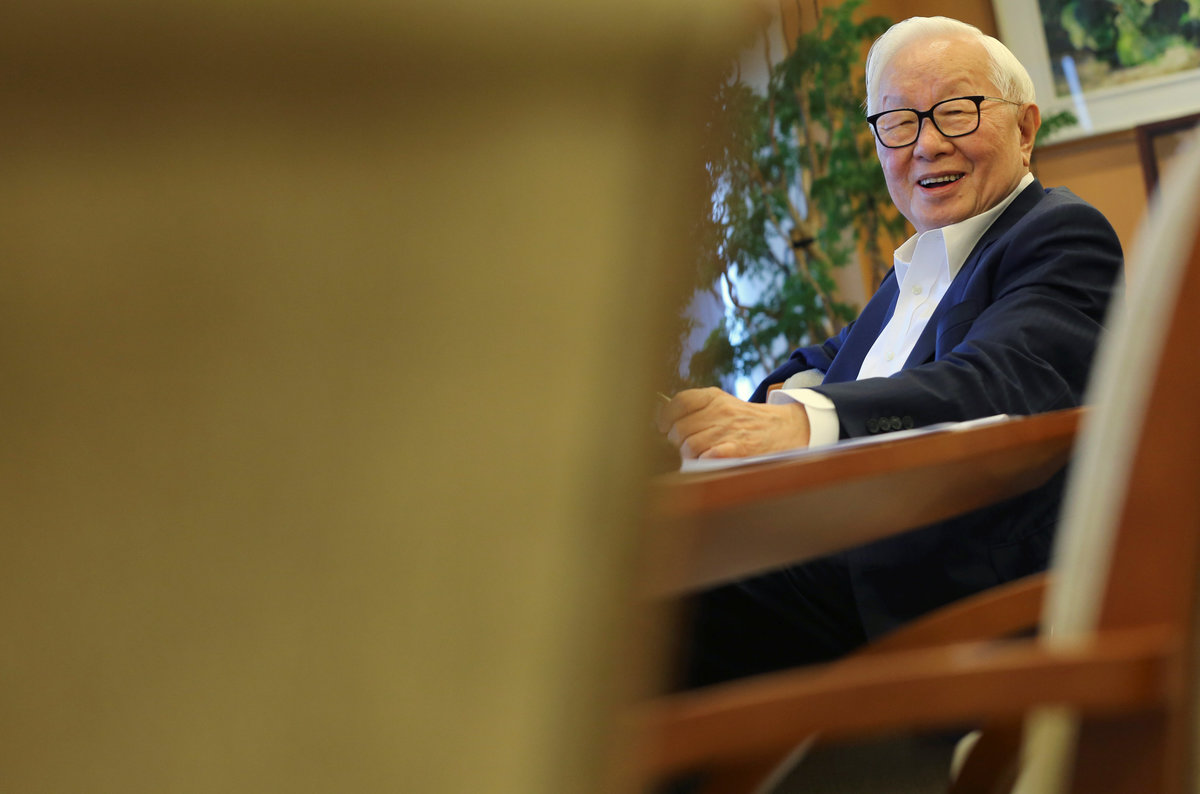
Chang spent 25 years at Texas Instruments and holds a doctorate from Stanford. Born in China, he went to Taiwan in 1985 after being recruited by the government to head a body promoting industrial and technological development.
He says he is bowing out after 30 years of service to TSMC to spend more time with his family, but he'll keep a close eye on the company.
"After I leave, I'll be looking at the balance sheet, the P&L, and I'll be listening to the analyst calls," he said. "I don't think I'll be asking questions, I'll just be a very interested investor."
Chang owns 0.48 percent of TSMC shares, according to the company's website, worth around $926 million.
(Reporting by Jess Macy Yu and Anne Marie Roantree; Editing by Ian Geoghegan)