Editor’s note: "Retire Abroad Before 55" is part of a series on how to retire early and the FIRE movement. Part One is 'How to Retire Early.' To see all early retirement articles, jump to the end.
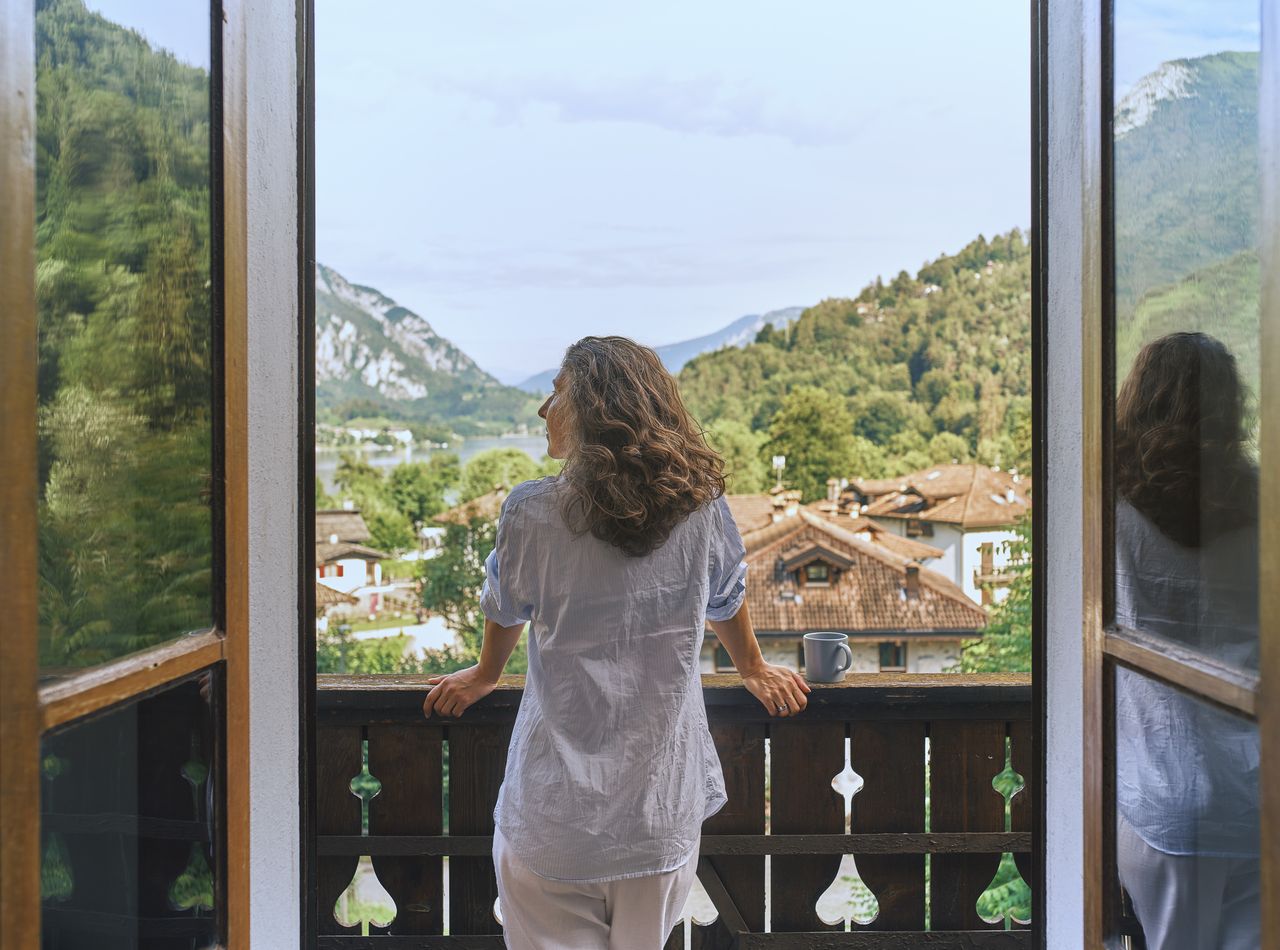
Better weather. Better food. Better health. And lower cost. Living abroad can offer the chance to get more bang for your buck — and more out of life.
The cost of living is generally lower in many countries outside the U.S. For example, Panama, which topped International Living’s Global Retirement Index, offers a comfortable lifestyle for as little as $2,000 to $2,400 a month. In contrast, the average monthly expenses for a single consumer in the U.S. are $6,440, according to the Bureau of Labor Statistics. With numbers like these, it’s easy to see why some Americans dream of trading in their daily grind for the beaches of Mexico or the mountains of Portugal.
Retire abroad before 55
For many, retiring early is about maximizing health and free time to enjoy life. Why not do it in a place where you can afford more of what you love — whether that’s dining out, exploring new cultures or embracing outdoor adventures?
But while retiring abroad might sound idyllic, it’s not without complexities. From navigating tax laws to finding affordable healthcare, there are critical factors to plan for. And you'll need to choose your retirement destination wisely, considering where the dollar is strong and the safest countries for foreigners.
Here are nine tips from financial experts to help you retire abroad before 55 and avoid costly mistakes.
1. Decide where to retire abroad
This is the fun part! Before you uproot your life in the U.S., you should test out various destinations for your early retirement. If you're lucky enough to have family or cultural ties to another country, that's the most logical place to start. Otherwise, think carefully about what will be important to you now — and as you age. For example, if you struggle to learn a new language, you may want to focus on English-speaking countries. If you love the beach, avoiding landlocked or very cold countries will probably make you happier.
As you visit potential countries, try to avoid tourist areas and visit during the off-season to gain a better understanding of what living there might be like. Consider the quality of life of older people in each country.
To learn more about retiring in specific countries, jump to our index of articles that details the pros and cons of each location.
For those who are in the LGBTQ community, you should determine whether you will feel comfortable and safe in your new country. We've rounded up some of the best places for LGBTQ people to retire abroad to get you started.
2. Know the true cost of living
Researching the cost of living in your destination is crucial — but don’t just rely on averages. While online calculators and expat forums can provide a starting point, Frank van Lerven, CFP and director at ISGAM US, emphasizes the importance of digging deeper.
“The best way to do this is to acquire ‘local’ information about key costs like housing, car purchases, food, and leisure activities,” he says. “These costs vary widely by country.”
3. Master the art of currency exchange
Exchange rate fluctuations can impact your budget significantly. “If your U.S. dollars suddenly weaken, your ‘cheap’ retirement could become costly,” warns Elaine King Fuentes, CFP and founder of Family and Money Matters. She advises holding multi-currency accounts or using forward contracts to lock in favorable rates.
Van Lerven notes that the impact of exchange rates depends on the country. “Some currencies, like those in Southeast Asia, are tied to the U.S. dollar, while others, like the euro, fluctuate more.” Therefore, keeping part of your wealth in U.S. dollars as a safety net is a wise move.
4. Plan for taxes (and avoid double trouble)
Taxes are a critical consideration for retirees abroad. Many countries have tax treaties with the U.S. to prevent double taxation, but navigating these rules can be complex. “Work with a U.S.-new country tax lawyer to ensure filings are done correctly and to use applicable tax treaty agreements,” says van Lerven.
He adds that while this professional advice may come at a cost, “it’s well worth it” to avoid costly mistakes and unnecessary tax burdens.
Tip: For more on taxes abroad, read How to Retire Abroad. You can also find our tax advice for specific countries, including Portugal and Panama, as well as the top tax breaks available to Americans living abroad.
5. Access your retirement funds wisely
Withdrawing from retirement accounts before 59½ can trigger penalties, but there are strategies to access funds penalty-free. King Fuentes highlights the Substantially Equal Periodic Payments (SEPP) rule, also known as Rule 72(t), which allows for structured withdrawals over your life expectancy.
Van Lerven suggests using penalty-free withdrawals from a 401(k) using the rule of 55, potentially relying on the funds to cover significant expenses like purchasing a home abroad. But he advises against investing these funds in your new home country, as “U.S. investments have historically produced better returns, and non-U.S. brokers often charge higher fees.”
6. Secure quality healthcare
Healthcare is one of the biggest concerns for early retirees abroad. Many countries offer excellent care at a fraction of U.S. costs, but eligibility varies.
“Expats might need private insurance to access public healthcare,” says King Fuentes. “Look for global health plans or local expat policies, and consider how quickly you can become a resident or citizen in countries like Brazil or Norway, where health care is free for citizens.”
7. Protect against the unexpected
Political instability, natural disasters or changes in residency laws can derail your plans. “Diversify! Keep wealth in different currencies, invest in stable assets like U.S. Treasuries and stay updated on geopolitics,” encourages King Fuentes.
Further, figure out how much cash you really need. Maintain an emergency fund in the U.S. and have a contingency plan in case you need to move back unexpectedly.
8. Embrace local banking and financial systems
Setting up banking abroad requires forethought. “Retirees should work with local advisors to open accounts and identify banks that accept Americans,” says van Lerven. He also recommends using U.S. banks experienced in transferring funds internationally.
King Fuentes suggests leveraging digital solutions like Wise or Revolut to minimize transfer fees. He also recommends maintaining a U.S. account for Social Security and pension deposits. “Think of it as an 'anchor fund' — accessible for emergencies or a potential move back to the U.S.,” she says.
9. Prepare for emotional and cultural adjustment
Retiring abroad isn’t just a financial decision — it’s a lifestyle change. Moving to a new country means adapting to a different culture, language and way of life.
“It’s critical to make plenty of visits to the new home country before moving,” says van Lerven, who resides in Spain. “Explore different regions and consider how your new life aligns with your values and activities.” He also stresses the importance of meaningful engagement, whether through work, volunteering or hobbies to create a happy retirement.
The best thing may be to embrace the cultural change that comes from retiring abroad. As bestselling travel writer Bill Bryson wrote: “I can’t think of anything that excites a greater sense of childlike wonder than to be in a country where you are ignorant of almost everything. … Your whole existence becomes a series of interesting guesses.”
Read More on Early Retirement
- How to Retire Early in Seven Steps
- How to Retire at 40
- How to Retire at 50 or 55
- Will Retiring Early Make You Happier? It's Complicated
- Early Retirement Withdrawal Strategies for the Long Haul
- Five Early Retirement Mistakes to Avoid
- The Rule of 55: One Way to Fund Early Retirement
- A Sabbatical May Be a Smarter Move Than Early Retirement
- How SEPP 72(t) Can Help You Retire Early and Dodge Penalties
- Become a Digital Nomad: An Early Retirement Lifestyle
Read More on Retiring Abroad
- Retire in Japan: It Ain’t Easy, Unless You’re Special
- Retire in Spain for Culture, Cuisine and Coastal Bliss
- Retire in Ireland for Lush, Green Landscapes and Bustling Cities
- Retire in Malaysia for Affordable Luxury
- Retire in Finland and Live the Nordic Dream
- Retire in Ecuador for an Affordable, Rich Life
- Retire in Costa Rica for Expat Heaven
- Retire in the Canary Islands for Beaches and Natural Beauty
- Retire in Belize for Stunning Natural Beauty and Culture
- Retire in Malta for Quiet Coastal Perfection
- Retire in New Zealand for Lush Landscapes and a Relaxed Vibe
- Retire in the UK for Culture, History and Location
- Retire in Italy for Culture and Beauty
- Retire in Greece for Relaxed Living With a Cinematic Backdrop
- Retire in Thailand, Where 'The White Lotus' Was Filmed
- Retire in Mexico: Get a Lower Cost of Living Near the US
- Retire in Portugal as a US Retiree
- Retire in the Dominican Republic
- Retire in Panama for Stability and Charm
- Retire in Brazil: It's More Than Carnival, Coffee and Copacabana
- Retire 2025: Puerto Rico