For a designer, sustainability begins with a question.
"We question the norms of how things are made and used and what happens at the end of their lifetime," said Christian Kagi, co-founder and creative director of Swiss backpack brand Qwstion, in an interview at its headquarters in Werkstadt Zürich. A press trip was recently organised by Switzerland Tourism to showcase the country's commitment to sustainable travel.
"Most products available today are made from plastics and don't have an end-of-life solution. One day, they will become waste," Kagi added.
Plastics are ubiquitous in everyday products, Kagi explained. It is estimated that synthetic fibres, like nylon and polyester, make up around 70% of global textile production. They are developed as cheaper solutions to natural fibres, but with environmental costs, such as microplastic pollution and climate change.
Since its founding in 2008, Qwstion has continued its relentless search for natural alternatives to synthetic textiles. Refusing to accept the status quo, it is always on the lookout for new possibilities.
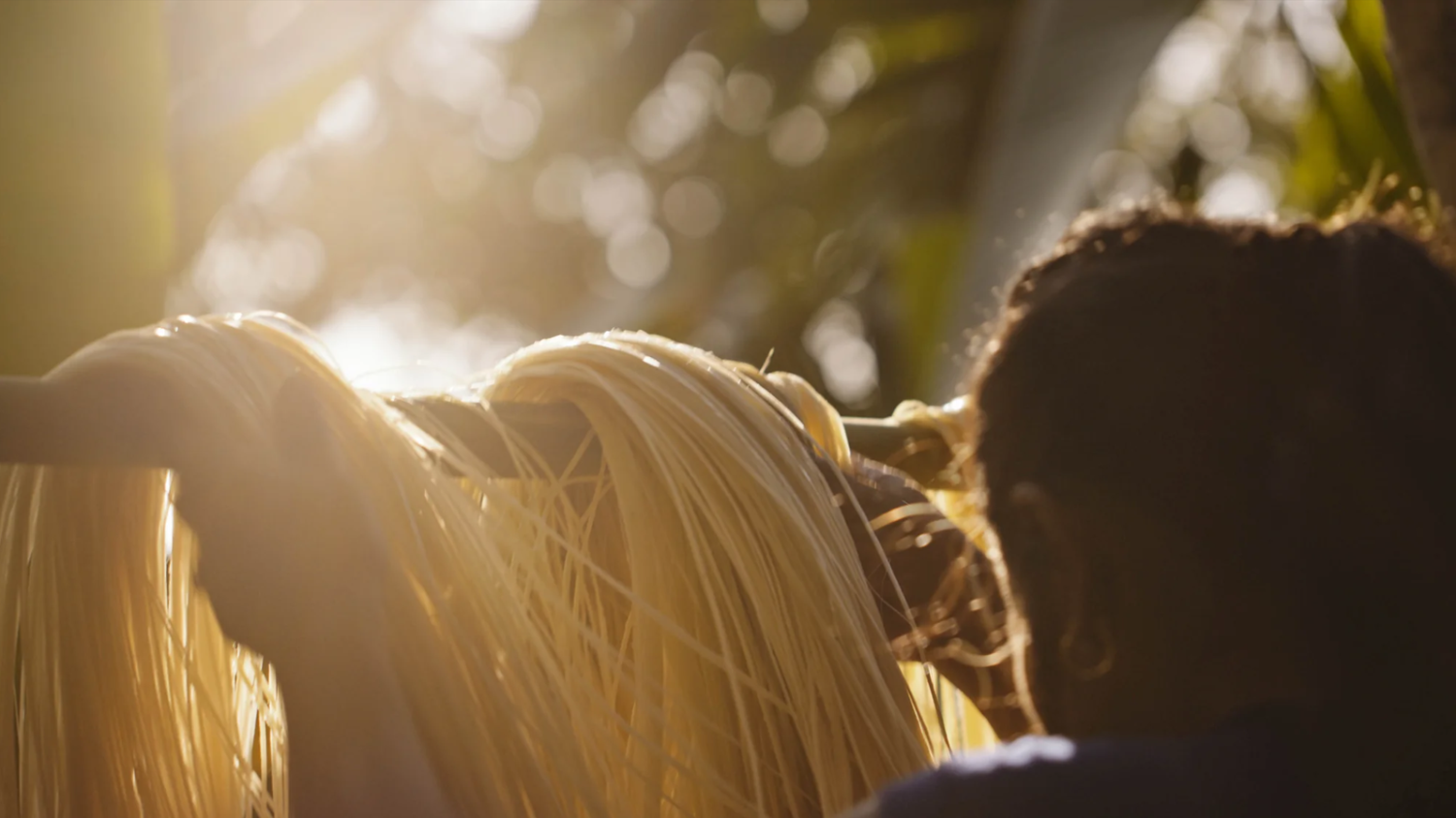
In 2018, the brand introduced a plastic-free, plant-based material called Bananatex. It is made from abaca, a species of banana plant in the Philippines that has been used for centuries to make strong ropes.
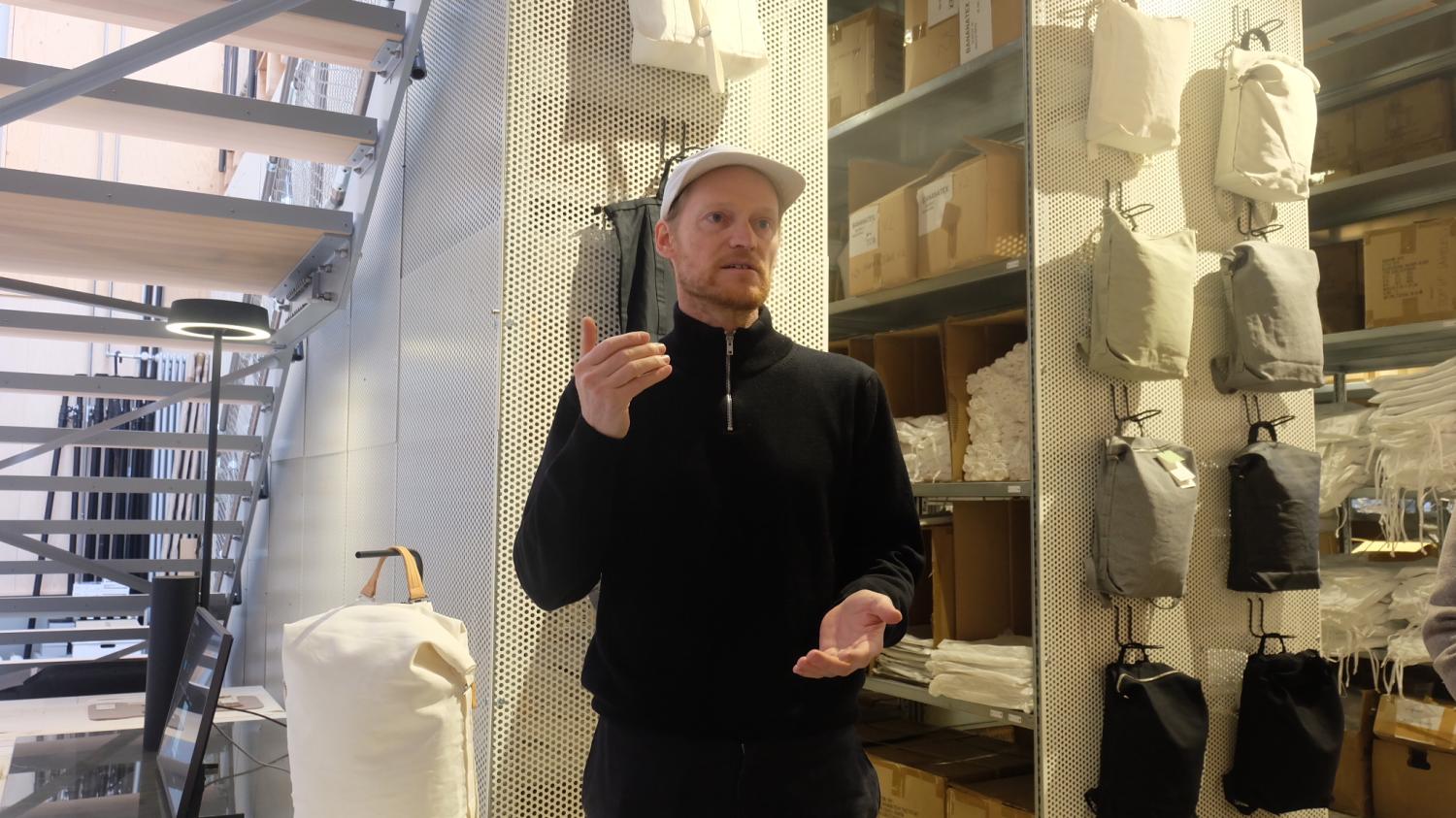
"Abaca is grown in permaculture or a natural ecosystem that has a high level of biodiversity and regeneration. It requires no water, fertiliser or pesticides, which reduces the final product's footprint," he said.
"It is fully circular and can go back to nature when it's not used any more."
Circularity resonates deeply with its production loop -- from design in Zurich, to sourcing in the Philippines, to fabric production in Taiwan and manufacturing in China.
Abaca is cut and extracted into fibres, which are then boiled and pressed into sheets for shipping to Taiwan. They are processed into yarn, dyed using a sustainable method and woven into high-density canvas with a natural beeswax coating.
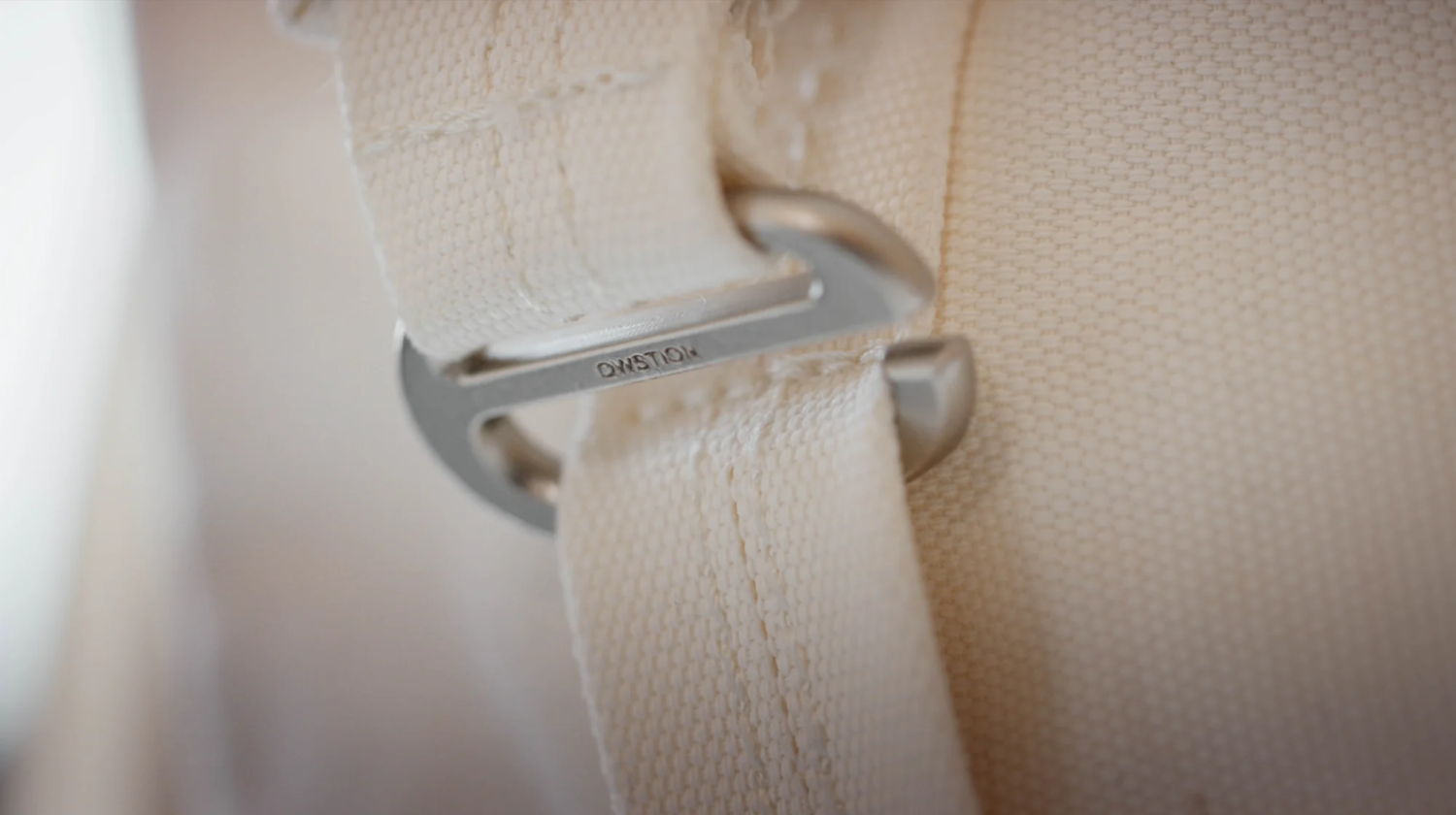
Once prepared, the waterproof fabric is transported to China for production, which is certified by the Business Social Compliance Initiative. Using the material as a starting point, products are made with minimal waste and for easy repair. At the end of their life cycles, metal buckles and zippers can be recycled, while all other parts are fully biodegradable.
Kagi explained that loss of know-how in domestic manufacturing and sustainability are two major reasons why materials are shipped abroad for production. Back then, spinning, dyeing and weaving facilities were already gone. Moreover, trucking is faster, but more carbon-intensive than shipping.
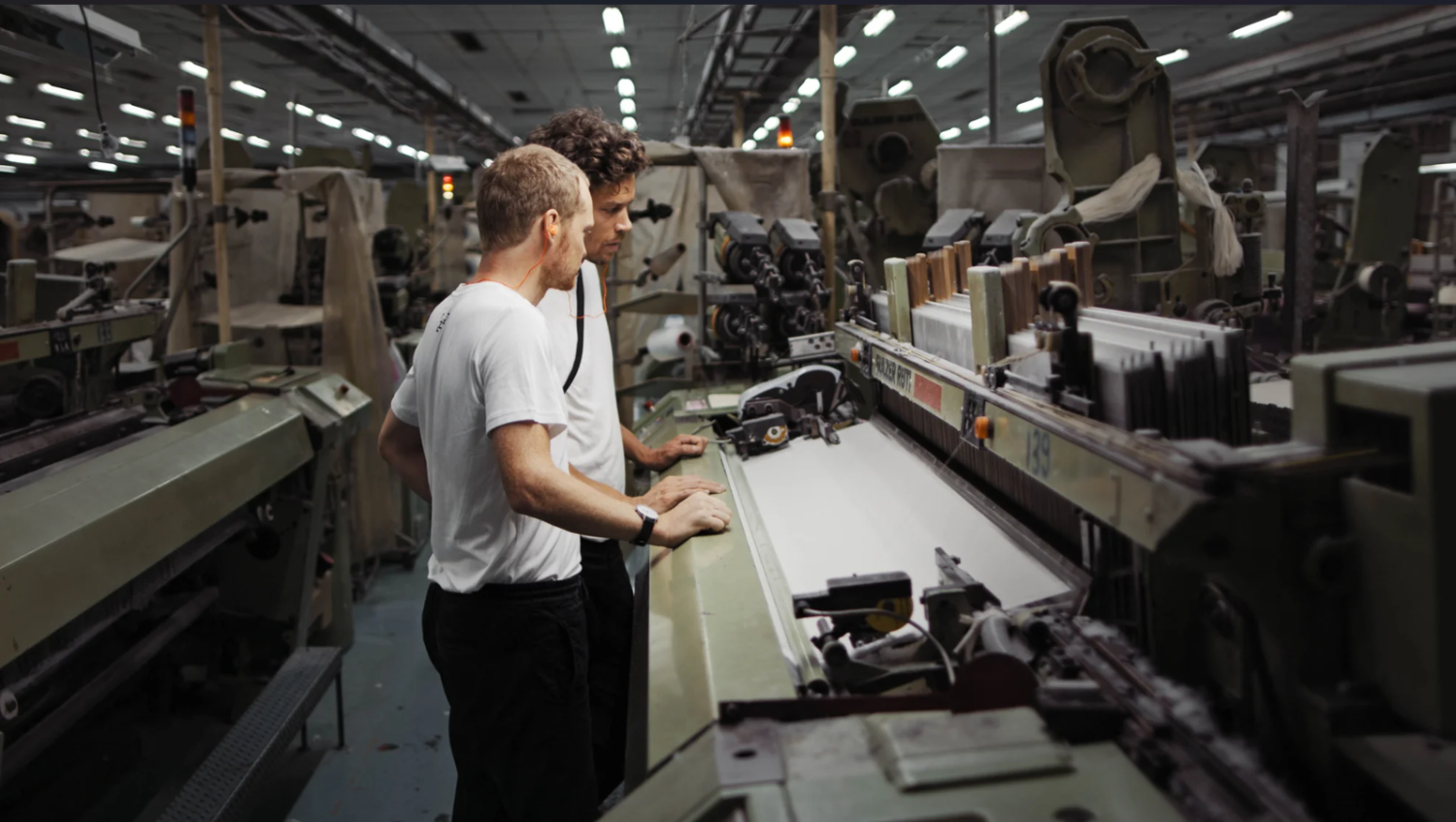
"It is kind of counterintuitive. We think local is more sustainable, but means of transport matter," he said.
"A big downside [of shipping] obviously is time. We plan pretty far ahead and have the patience. We also design products that will hopefully last for a long time as well. We don't try to follow quick trends, but actually create lasting products."
Sustainability may result in higher prices, but it is because nowadays consumers are not paying actual costs, especially the environmental impact, which is displaced onto others, Kagi noted.
"They are not included in products when you buy them, but they are there, you know, and we are covering them [together]," he said.
"It's through the externalisation of costs where you can exploit nature, humans or animals for profit. It is a philosophical question we have to ask ourselves as citizens. Is it something we want to continue into the future?
"I mean we are basically destroying the foundation of life. This is a way to show how things can be done differently. That is kind of our goal. We are a small brand, but we hope to inspire as many as possible, you know, to rethink our choices."
From sustainable materials to products, Qwstion introduced a subscription to change consumer behaviour last year.
"If we think about resources and how we can keep them in cycles, ownership is a hurdle to the path of full circularity. If we move to more of a use scenario, we think about using instead of owning, then subscription can actually be a solution. You can subscribe to our goods without owning them," he said.
However, the model of renting has not gained much traction. Kagi expected that more students would buy into the idea.
"I think it's really the behavioural aspect. It is something planted in our minds that tells us to own things. I'm sure it can change, but it's going to take time. Twenty years ago, we owned CDs, but nowadays, we subscribe to music instead. I'm optimistic that other fields can change," he said.