For the past few years, grocery delivery felt like a subsidized luxury. Venture capital and aggressive market share wars allowed shoppers to have avocados and milk delivered to their doorsteps for little more than the cost of a tip. However, as 2025 comes to a close, the era of cheap same-day delivery is drawing to a close. Major retailers and third-party platforms are shifting their focus from rapid growth to immediate profitability, resulting in a quiet but significant tightening of delivery fees, order minimums, and service charges.
The End of the Growth Subsidy
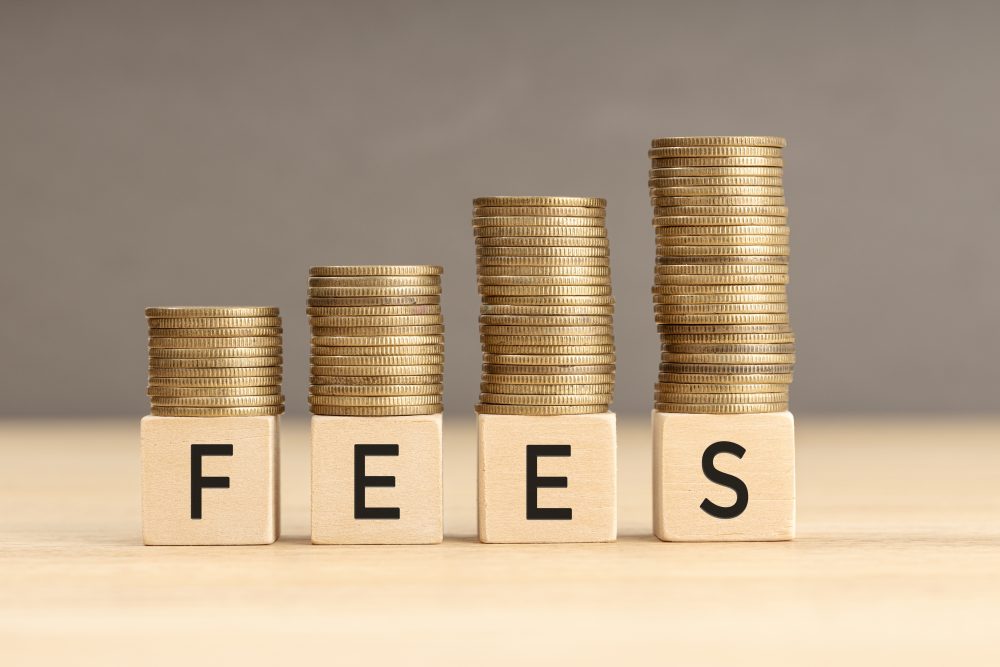
The initial boom in same-day grocery delivery was driven by a “growth at all costs” mentality. Retailers like Walmart, Amazon, and Target, along with platforms like Instacart, were willing to lose money on each order to get customers hooked on the habit. That phase is over. In late 2025, shareholder pressure has forced these companies to balance the books. The result is that the true cost of picking, packing, and driving groceries to a residential address is finally being passed on to the consumer. A strict fee-for-service model is replacing the days of free delivery on a whim.
The Rising Minimum Threshold
The most visible change is the creeping rise of the “free delivery” threshold. For years, thirty-five dollars was the magic number to waive the delivery fee. Now, many retailers are pushing that number to fifty dollars or even higher for specific delivery windows. Orders that fall below this new floor are hit with steeper “small basket” penalties. This forces shoppers to consolidate their trips into larger, less frequent orders, effectively killing the convenience of the quick mid-week restock that made delivery so appealing in the first place.
The Membership Gatekeeping
Retailers are increasingly moving their best delivery perks behind a paywall. Programs like Walmart+, Amazon Prime, and Instacart+ are no longer optional add-ons for the frequent shopper; they are becoming essential for anyone who wants to avoid punitive fees. However, even these memberships are seeing their benefits diluted. Some platforms have removed the “reduced service fee” perk for members, meaning that even if you pay a monthly subscription for free delivery, you are still paying a hefty percentage-based service fee on every order. The membership gets you in the door, but it no longer guarantees a cheap checkout.
Dynamic and Surge Pricing
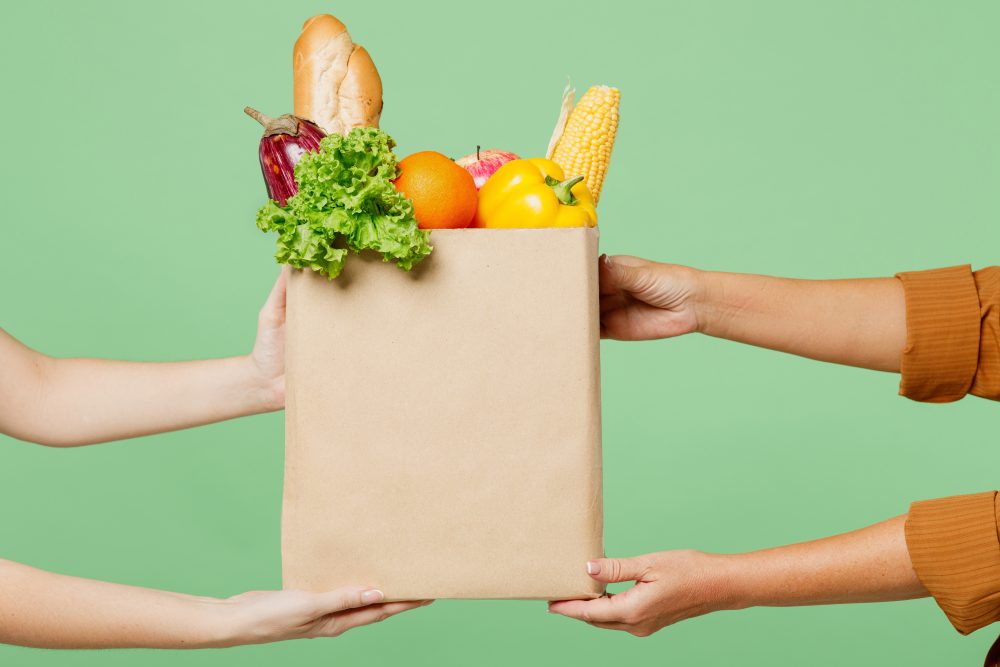
Grocery delivery is adopting the “surge pricing” model of ride-sharing apps. By late 2025, it will have become common to see delivery fees fluctuate based on the time of day and local demand. A delivery window at 10:00 AM on a Tuesday might be standard price, but that same window on a rainy Sunday afternoon could cost an extra five to ten dollars. This dynamic pricing captures revenue from shoppers who are desperate for convenience during peak hours while pushing price-sensitive shoppers to less desirable times.
The Separation of Fees
Consumers often conflate “delivery fees” with “service fees,” and retailers are taking advantage of this confusion. A retailer might advertise “$0 Delivery Fee” while simultaneously increasing the “Service Fee” or “Regulatory Response Fee.” This allows them to keep the marketing headline attractive while still increasing the total cost of the order. Shoppers who look closely at their digital receipts are finding that the assortment of administrative fees often exceeds the cost of the tip they leave for the driver.
The Shift to In-Home Delivery
To combat the high cost of last-mile logistics, retailers are pushing harder for “in-home” or “unattended” delivery options. Services that allow drivers to leave groceries in a garage or a smart lockbox often come with lower per-order fees because they allow for more efficient routing. Retailers are using high fees on standard attended delivery to nudge consumers toward these new, more efficient, but more intrusive delivery models.
Navigating the New Fee Landscape
The convenience of grocery delivery is here to stay, but the price tag has matured. Shoppers can no longer assume that delivery is a low-cost alternative to driving to the store. To minimize costs in this new landscape, consumers must be strategic—bundling orders to hit high minimums, avoiding peak surge times, and carefully evaluating whether a membership subscription actually pays for itself based on their order volume.
Have you noticed your grocery delivery fees creeping up lately? Are you consolidating your orders to avoid the new penalties? Share your experience!
What to Read Next
Grocery Delivery Fees That Spike During the Holidays
12 Grocery Delivery Tricks That Let You Use Coupons Online
7 Hidden Costs of Food Delivery That Add Up Every Month
How Grocery Delivery Apps Are Profiting From Hidden Fees
11 Frozen Pizzas That Rival Delivery
The post Retailers Tighten Delivery Fees After Same-Day Grocery Boom appeared first on Grocery Coupon Guide.