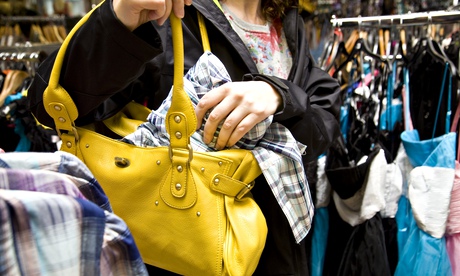
The annual bill for retail crime in the UK broke through £600m last year as criminal gangs stole high value goods such as designer clothing, gadgets and alcohol to sell on.
The total is an 18% increase on last year’s £511m hole and means theft is running at its highest level in a decade, according to the British Retail Consortium’s (BRC) annual crime survey.
Helen Dickinson, director general of the BRC, said respondents – accounting for 50% of the retail sector by turnover - highlighted the rise in the use of specialist equipment such as de-taggers and foil-lined bags to avoid detection, with 40% of crimes attributed to gangs, often working together in groups.
“Theft, a crime which has always affected retailers, continues to have a huge impact on the sector,” said Dickinson. “This year’s survey has recorded the highest average value of customer theft in a decade. This reinforces the trend identified last year, which suggests that stores are increasingly the target for theft by organised, sophisticated groups.”
Shoplifting accounts for 81% of retail crime by volume and although the number of offences decreased slightly to around 2.5m, the average value of goods stolen increased from £177 to £241, helping to push the direct cost of retail crime to the industry to £603m. This 36% rise in the cost of customer theft per incident exceeded the average of 20% recorded over the last seven years, highlighting the significance of the rise, the BRC said. The industry body said that the most frequently targeted products were branded electrical goods, clothing, power tools, alcohol and cosmetics.
Employee theft accounted for 6% of the overall figure - at around £1,000 per incident - while fraud was up 12% to account for nearly 40% of the total as retailers’ websites become a more frequent target.
Top 5 stolen items
1. Electrical goods
2. Designer clothes
3. Power tools
4. Alcohol
5. Cosmetics