

A huge painting by Leonardo in the Palazzo Vecchio in Florence, regarded with wonder by those who saw it, has long been regarded as lost. Now it seems that it might have been walled over and preserved. In 2007 Maurizio Seraceni, who has spent 30 years examining the evidence, was appointed to recover the painting, if it exists. This is a work by Rubens based on the original Photograph: Fratelli Alinari/ Alinari Archives/CORBIS
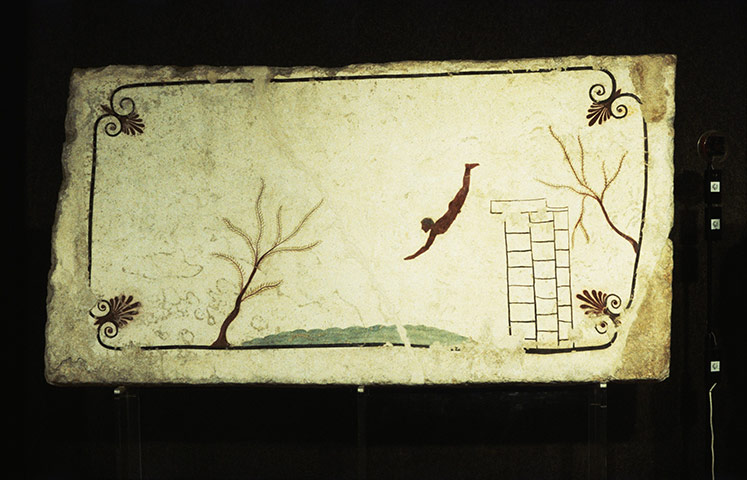
It was thought that no paintings from ancient Greece survived in 1968, when a small, stone-box coffin was discovered in a cemetery in Paestum, a Greek colony in southern Italy. The paint inside looked fresh, but it dated from 480-470 BC, the time of Aeschylus, Pericles and Socrates. The sureness, ease and grace of the brushwork are surprising, especially since it’s executed in the difficult technique of fresco. The little naked figure’s dive symbolises the soul entering the next world Photograph: Gian Berto Vanni/ Vanni Archive/CORBIS
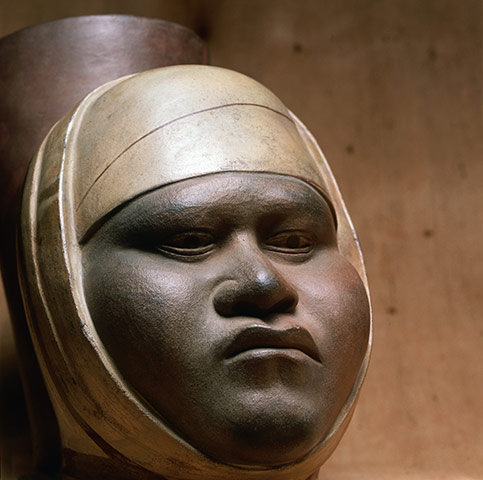
The faces on Peruvian Moche pots are startlingly realistic. But we know very little about the culture that created them, and even less about why these pots were made, making them one of the great mysteries of world art. One explanation is that they were communal drinking cups, passed round on special occasions, celebrating heroic leaders. Each time the cup was tilted, the hero’s face looked up at the stars, from whence his spirit had come. Then, as the liquor poured, his spirit flowed into the community
Photograph: Nathan Benn/CORBIS
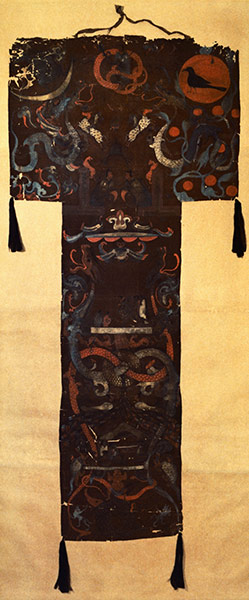
The world’s oldest painting on silk was found lying across the coffin of a Han dynasty noblewoman when her grave was excavated in the early 1970s. The surrounding layers of charcoal and clay had prevented it from crumbling away. Its extraordinary delicacy was integral to its purpose: it was carried in front of the funeral procession, wafting in the breeze, heralding the noblewoman's journey up to heaven, past the clouds, the phoenixes, the moon and sun to the coiled serpent deity who reigned supreme Photograph: Bettmann/CORBIS
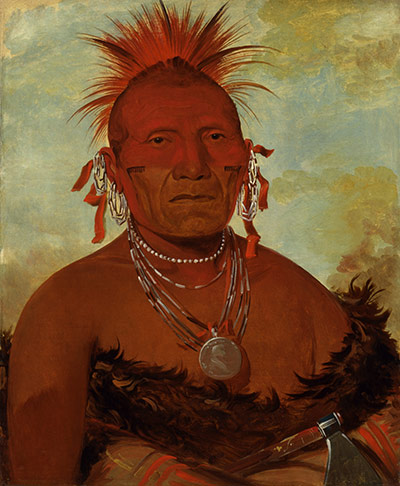
Catlin painted these portraits of Native Americans as they were driven out of their homelands in the 1830s. He toured his paintings in a travelling gallery but barely covered his costs from ticket sales and failed to persuade the Smithsonian to buy his collection, whereupon he died bankrupt and disheartened. His widow gave them to that museum after his death. They can still be seen there, 600 insightful portraits of a forgotten people by one of 19th-century America’s most original artists Photograph: Smithsonian Institution/Corbis
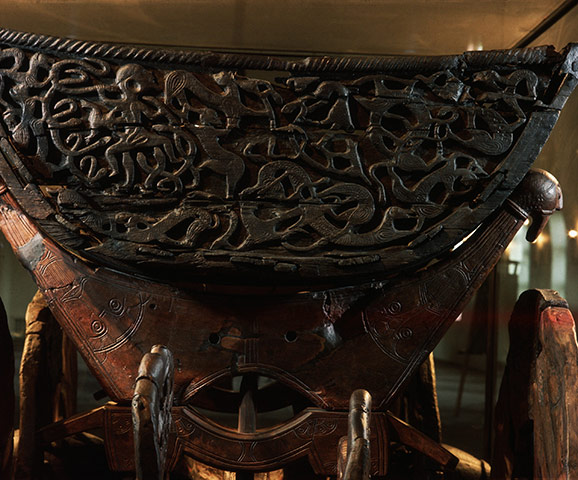
The Viking Ship Museum not only contains supremely beautiful boats, but also extraordinary artefacts, lost for over a millennium. These include three sledges and a cart, carved, perhaps, with a figure in a snake pit, then a popular means of execution. Traces of pigment indicate that the proud surfaces were painted dark, but the gaps in between were light; shadows would have made the dark lines appear to writhe as the cart sped across the snow Photograph: Werner Forman/CORBIS
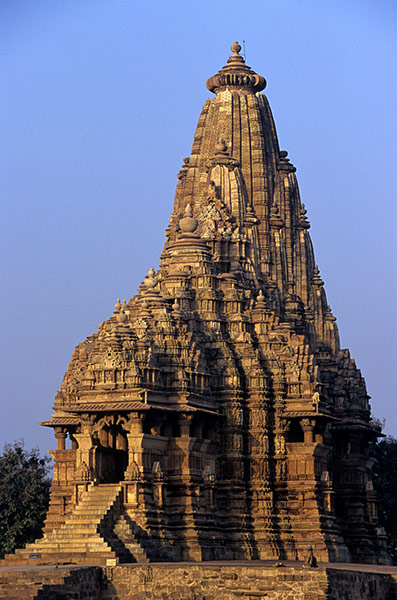
The great Hindu temples at Khajuraho were lost in the jungle for 500 years and when they were discovered again in Victorian times were discreetly hidden again for decency’s sake. It’s only recently that they’ve begun to be ranked among the world’s greatest sculptures. The temples show Lord Shiva and his consort Parvati consummating their marriage, in different positions of rapturous love-making. Karma, the god of desire, spreads his beneficent influence throughout creation
Photograph: Frederic Soltan/Sygma/Corbis
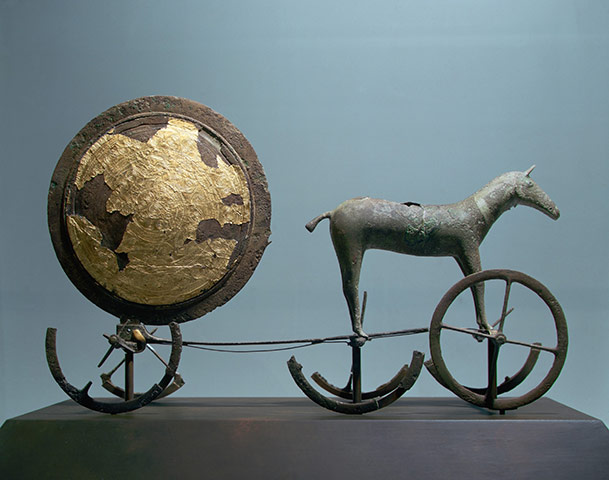
The beautiful little Trundholm Sun Chariot was found in a peat bog in 1902, deliberately broken into pieces about 3,500 years ago. No one knows why, although bogs in Denmark were often used for sacrifices. The chariot probably shows the sun being pulled across the sky by a heavenly horse; the sun was thought to be a flat disc, shining only on one side. This explained why the world went dark when the sun turned around Photograph: Alfredo Dagli Orti/ The Art Archive/Corbis
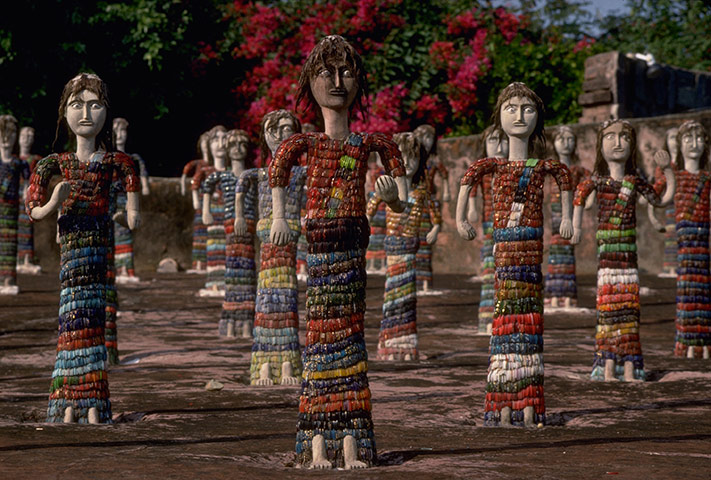
Nek Chand Saini worked as a road engineer at Chandigarh, India’s modernist city, some of which was designed by Le Corbusier. Loathing the place, he began in 1958 to create, secretly during the night, a place where people would love to be. When in 1975, his "garden" was eventually discovered, it covered 12 acres. Officials gave him a team of workmen and told him to get on with the job
Photograph: Arvind Garg/CORBIS
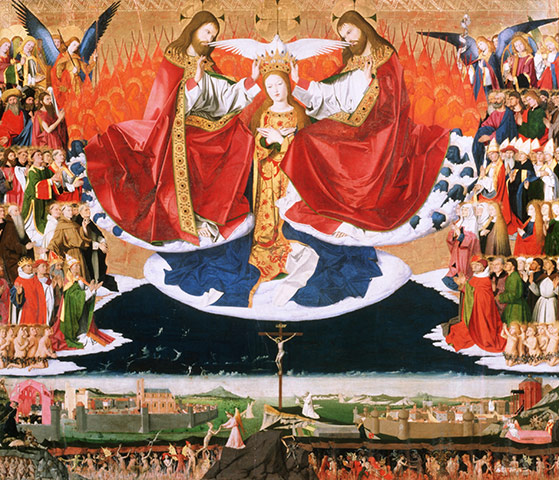
Only a handful of Enguerrand Quarton’s paintings survive. But, most unusually, the contract commissioning his great Coronation of the Virgin still exists. Dated 14 April 1453, it itemises what Jean de Montagnac, the chaplain of the church, wanted the finished painting to show: paradise with the Holy Trinity and the Virgin, the world below with Rome and Jerusalem and hell underneath. But he left the face of the Virgin to the artist’s imagination Photograph: Gianni Dagli Orti/ Gianni Dagli Orti/CORBIS
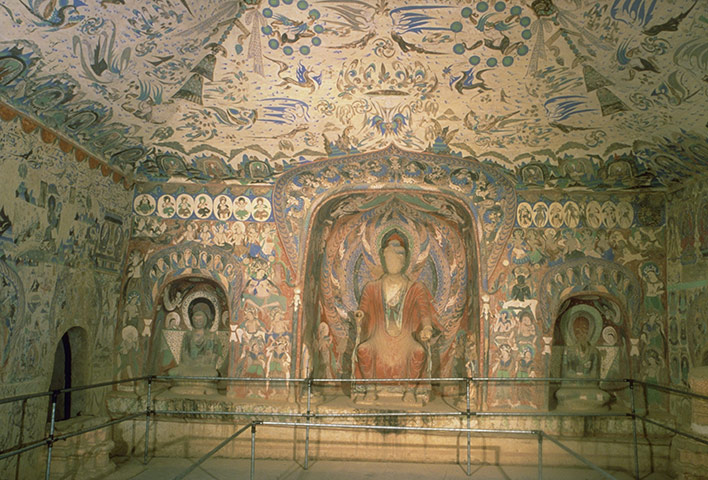
735 caves were cut into a cliff face in what is now Gansu province, China, over a period of a thousand years: prayers for safe journeys commissioned by merchants as they left China and entered the bandit-infested desert regions. After this section of the Silk Road was abandoned, they were forgotten, and we are only now beginning to appreciate these extraordinary excavations decorated with soaring angels – a Vatican of Buddhist art
Photograph: Pierre Colombel/CORBIS
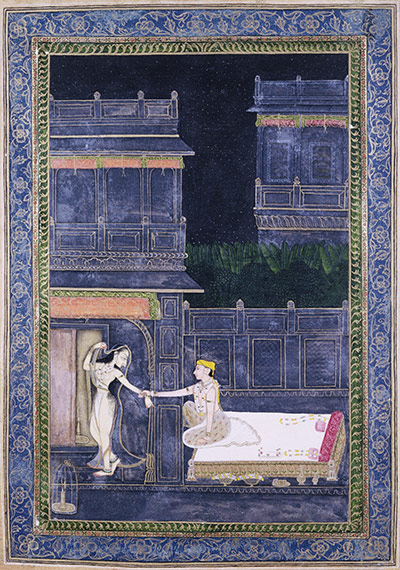
At the 18th-century court of Kishangarh, the Raja, Savant Singh, fell in love with his singing girl Bani Thani. The couple are depicted here by Nihal Chand, one of the world’s greatest painters of love. Hardly any of his large miniatures are ever on display; this image depicts Savant Singh gently persuading his lover to come to bed Photograph: Barney Burstein/ Burstein Collection/CORBIS
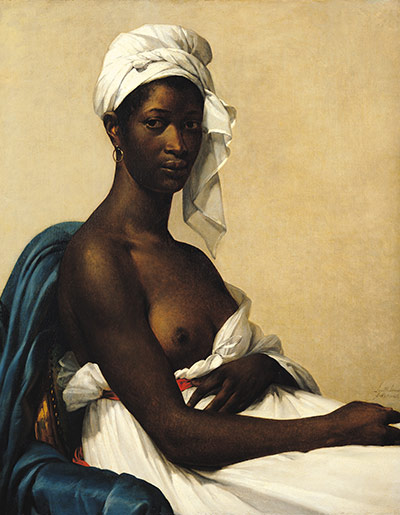
This is one of the very few black faces in the Louvre and, even more surprisingly, it was painted by a woman. It was exhibited in the Paris Salon in 1800 to considerable acclaim, although the critic Jean-Baptiste Boutard was shocked that ‘a white, pretty hand … had created such a horror’. The French revolution promised equality for women and slaves, but in the end didn’t deliver; this painting is a glimpse through a window that opened only briefly
Photograph: The Gallery Collection/Corbis
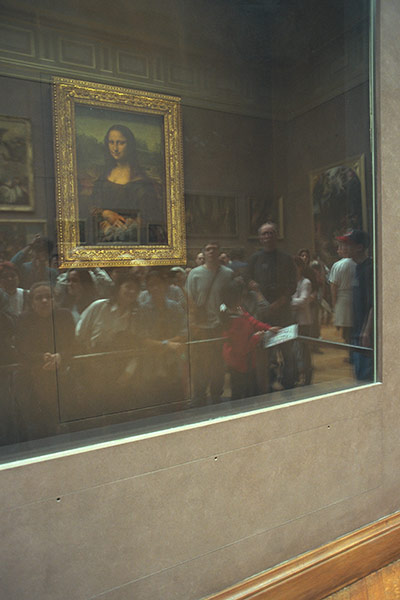
The Mona Lisa may be one of the most famous works of art in the world, but its current state is a mere shadow of the original. When Vasari saw the painting he wrote: 'The eyes had that lustre always seen in life … the mouth seemed to be not coloured but living flesh.’ The Louvre admits that this marvel is still underneath, but no one can see it because of the discoloured varnish. The Louvre needs to start cleaning the picture at once – preferably in public view
Photograph: Bernard Annebicque / CORBIS SYGMA













