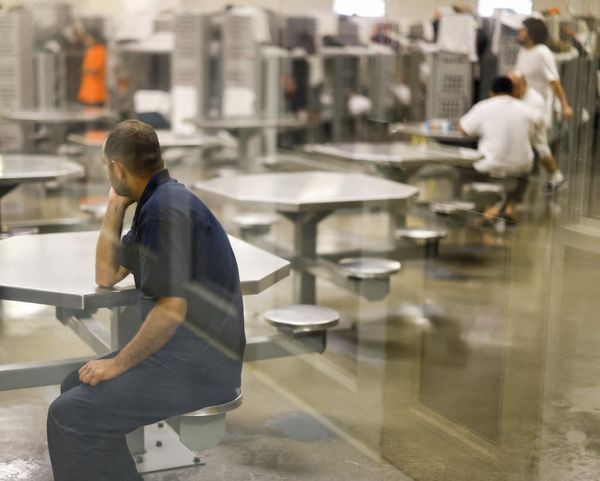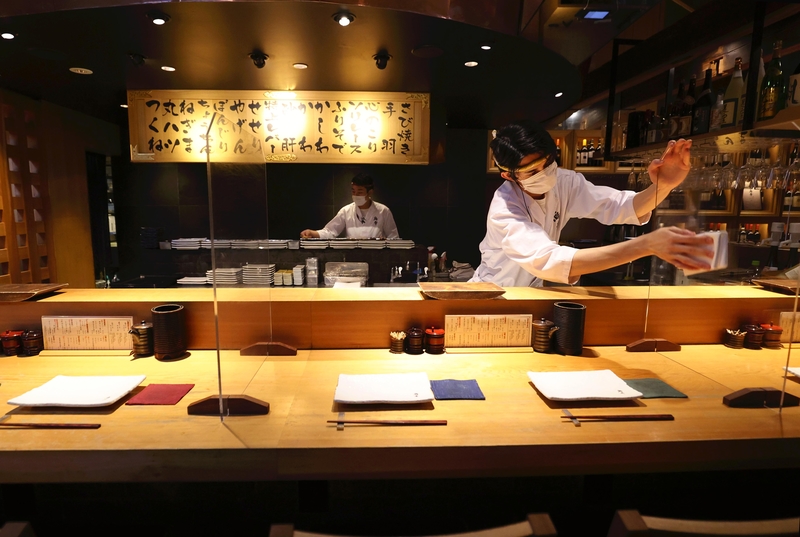
The daily dining scene around a table with family and friends in a familiar restaurant has transformed amid the spread of the novel coronavirus.
The change in attitudes toward dining out have forced Japan's restaurant industry to fight for survival.
--Izakaya sees 90% drop in sales
According to food service statistics released by the Japan Food Service Association for May, sales at Western- and Japan-style plummeted 90% compared to the same month last year. This was a far more damaging blow than seen in the fast food industry, which saw a drop of 9.3%, and the 49.4% dip among family restaurants.
The association described the situation as "devastating."
Japanese-style izakaya pubs are one of the businesses hit hard by the pandemic because they were forced to adhere to requests from local authorities to shorten business hours or temporarily close.
Industries such as restaurants and hotels have a high percentage of staffers working on a non-regular basis -- about 70%. There are also concerns about the impact on employment.
There was also pessimism about the future at Tokyo Restaurants Factory Inc., which operates high-end pubs in areas including Ginza, Akasaka and Kagurazaka.
"The number of individual customers came back, but return of demand for wining and dining for business purposes is lagging. I don't think the number of customers will ever return [to pre-pandemic levels]," said an official at the company.
--Dipping profitability
The industry has begun to see examples of unprofitable outlets closing or shifting business practices.
Colowide Co., which operates the izakaya Amataro and other restaurants, announced the closure of about 200 locations, and Watami Co. said it would shut down 65 of its outlets.
Said Colowide President Kohei Nojiri: "It's going to change the way we spend our time after 5 p.m. People are not going to actively go out on the town. It's difficult for izakaya to make a comeback to 100% [of previous levels]."
Generally speaking, the restaurant industry has low profit margins. The izakaya business in particular is a struggle because a loss of 20% in sales almost always means it is in the red, according to sources.
A.P. Company, which runs the izakaya chain Tsukada Nojo, has converted five of its outlets, mainly in Tokyo and Osaka, into teishoku set-menu locations called Tsukada Shokudo.
The meal, which features Miyagi Prefecture-branded silver salmon, is one of the specialties of the restaurant at 1,200 yen per order.
"I think that [after the pandemic] people will be more interested in eating a little bit higher-quality food rather than spending a little bit of money to get drunk," Hisashi Yoneyama said.
"We're going to take a step away from the bargaining game."
--Fierce karaage wars
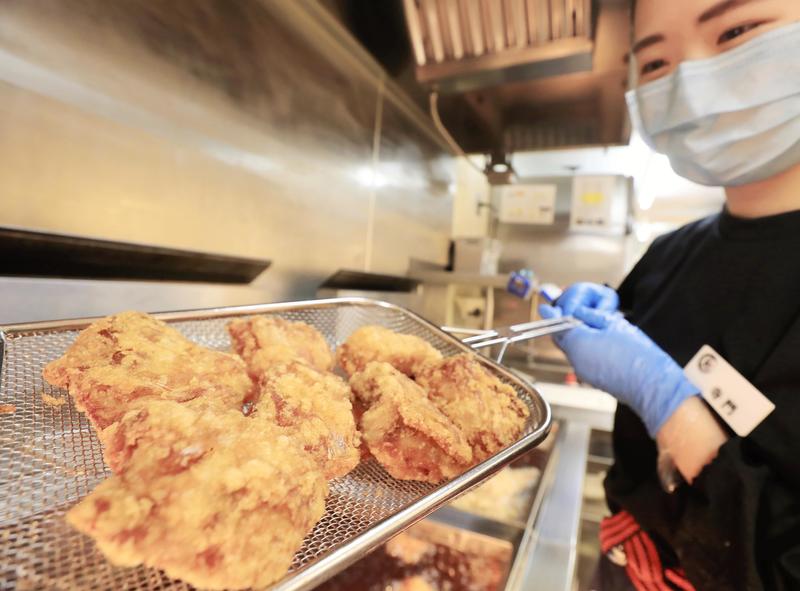
It is also a viable option to narrow down the food choices and improve efficiency. One of the most noteworthy examples is karaage or fried chicken pieces.
Watami is working hastily to develop a new business model it calls "Kara-age no Tensai" (literally, fried chicken genius) that features fried chicken and tamagoyaki fried egg rolls.
The restaurants are not located in prime locations in city centers, but are instead found in shopping districts that attract a wide range of consumers such as housewives, students and office workers.
The restaurants in July began to deliver food items to customers, using their own delivery staff.
Watami chairman Miki Watanabe is confident in the business model.
"We can reach 6.5 million yen per store in monthly sales. Our break-even point is about 3 million yen, but that will drop because home delivery has started."
However, the karaage business is a fiercely competitive market with strong rival companies.
The Skylark Holdings Co., known for its Gusto restaurants, is on the offensive with the opening of its new Karayoshi restaurant specializing in karaage.
Pepper Food Service Co., which operates Ikinari Steak, is also considering using food trucks to sell karaage.
In addition to being preferred by people of all ages, karaage retains its flavor even after cooling, making it an ideal takeout item.
The production cost is low because chicken is far more affordable than beef or pork. As worker proficiency increases, the number of employees could be reduced to about half that of a hamburger restaurant, according to sources.
Said Kenta Ishida of The Japan Research Institute: "With a number of companies in the industry, the challenge for them is for each to differentiate itself, find ways to make itself unique."
The trial-and-error process continues with the future unpredictable.
Read more from The Japan News at https://japannews.yomiuri.co.jp/