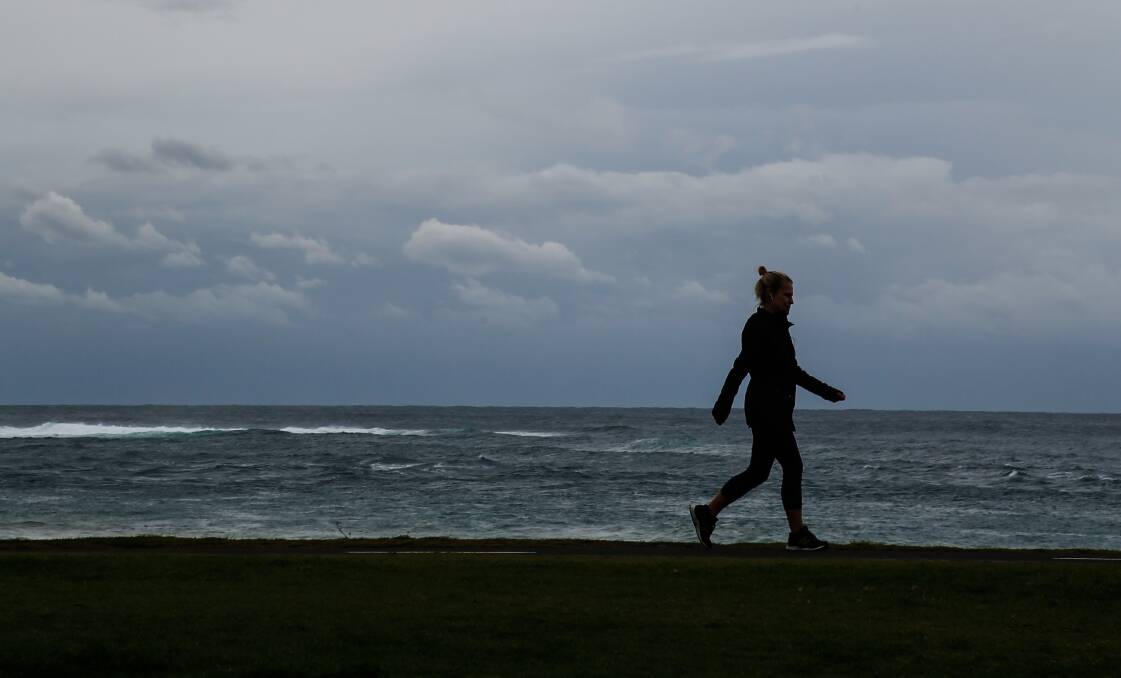
After a gala weekend full of soccer followed by a midweek catch-up game a few days later, my 43-year-old body was screaming out at me for a rest.
I try to do some form of activity every day. Some days this is a high intensity workout, other days it will be a short strength session and then there is weekend soccer and the associated training sessions.
So what does a rest day actually look like when you want to keep moving?
Finding balance with what exercise you do is the key to making sure you stay active while not burning yourself out or causing injury.
Associate Professor Narelle Eather, researcher in the Priority Research Centre for Physical Activity and Nutrition at University of Newcastle, told me a rest day does not have to mean you do nothing.
"For general public physical activity guidelines, it's recommended that people try to exercise on most days of the week, if not more, but it depends on the type of exercise and the intensity," Associate Professor Eather said.
"If you're just doing general activity, it's actually more beneficial to exercise every day if you can fit it in and then try to change it up with a bit of variety where you have different intensity of activities throughout the week."
The Australian Government Department of Health's physical activity and sedentary behaviour guidelines can be found at www.health.gov.au and outline how much physical activity you should do as well as the importance of reducing the time you spend sitting or lying down.
For adults (18 to 64 years), the weekly recommendations are to either do:
- 2.5 to 5 hours of moderate intensity physical activity - such as a brisk walk, golf, mowing the lawn or swimming;
- 1.25 to 2.5 hours of vigorous intensity physical activity - such as jogging, aerobics, fast cycling, soccer or netball;
- an equivalent combination of moderate and vigorous activities.
"For people doing general activity, getting up to five hours a week for their general health, you don't have to have rest days per se unless you're actually pushing the boundaries," Associate Professor Eather said.
"So, if you're doing more than you're used to or you're trying to get fitter and you're pushing into that high intensity, then that gradual progression and the use of rest or lower intensity days or weeks comes into play.
"But I wouldn't say the general public need a rest day each week. We'd be more encouraged to say try to be active every day but vary the type of activity you do depending on what you're body is telling you.
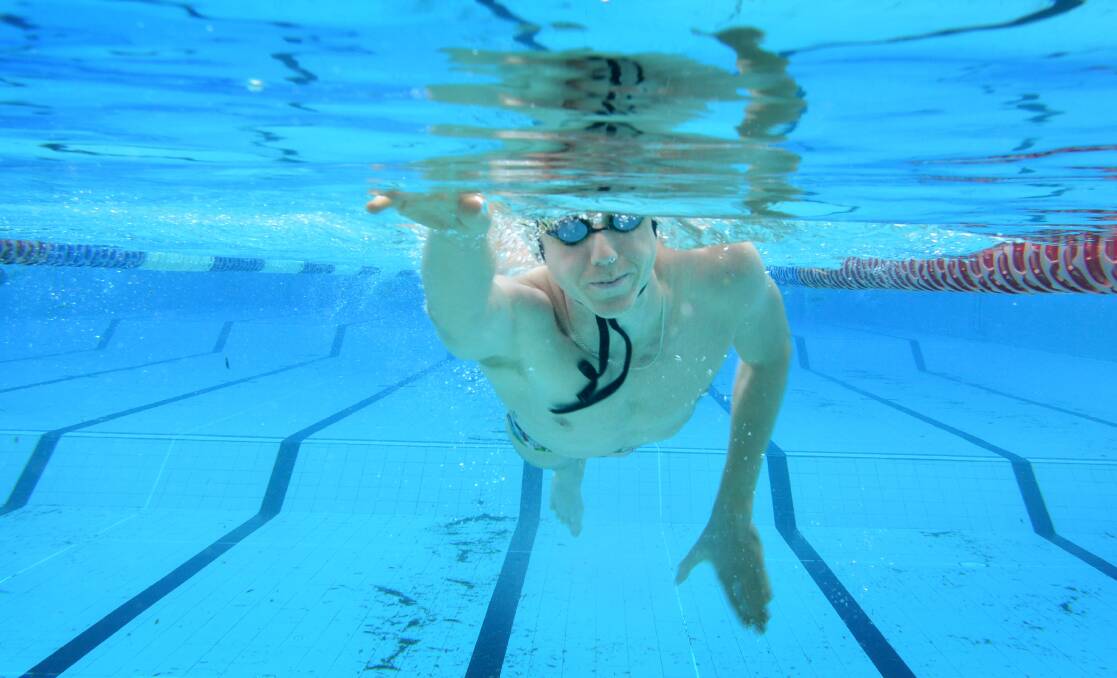
"If you're feeling tired, go for a walk or have a swim or do stretching. It doesn't mean you have to do nothing, it just means bring it back to what feels good so you refresh and maybe can push yourself a little harder the next day.
"For people who are exercising more than they have before and they feel sore or niggles coming on, then that's your body telling you that you need a rest or you need to take it back a step or that you may have some technique issues that you might have to address before you keep pushing through."
Send your health and fitness news to r.valentine@austcommunitymedia.com.au.
Renee Valentine is a journalist, qualified personal trainer and mother of three.