Get all your news in one place.
100's of premium titles.
One app.
Start reading
Reuters
Reuters
Entertainment
Eloisa Lopez

Residents of Philippine volcano isle race to rescue stranded horses

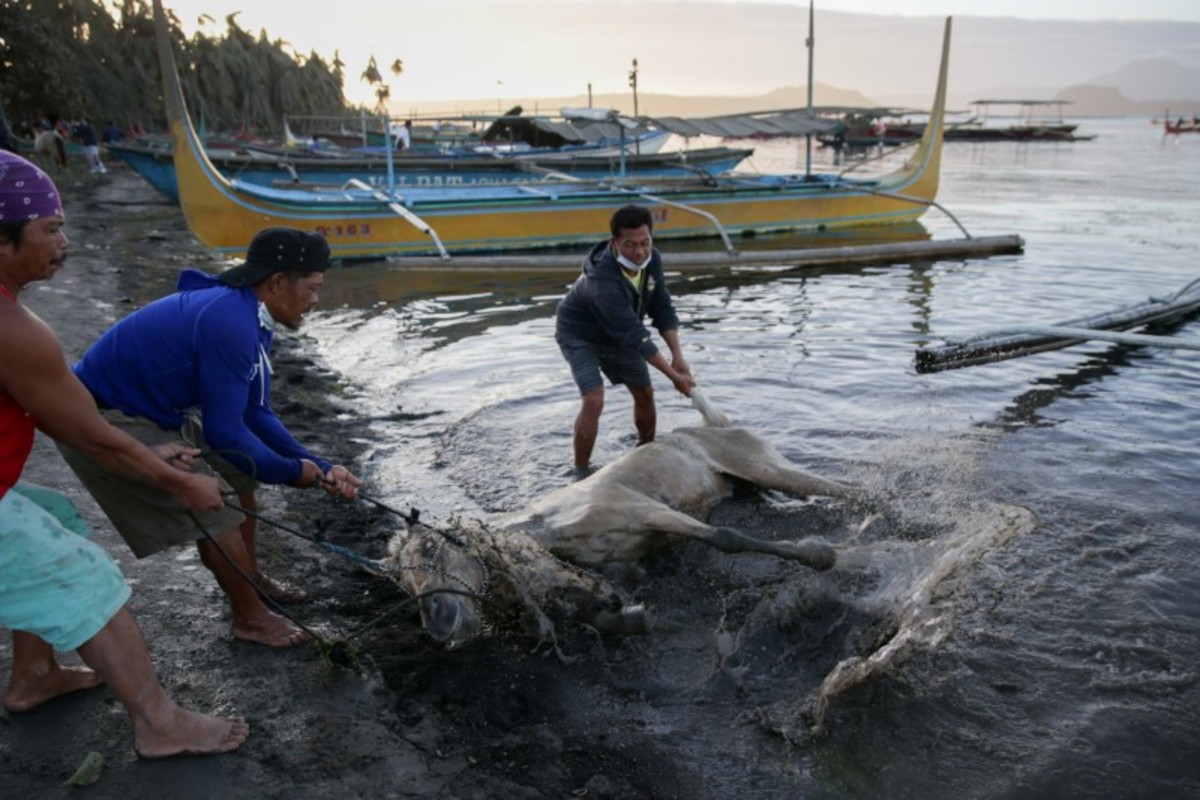
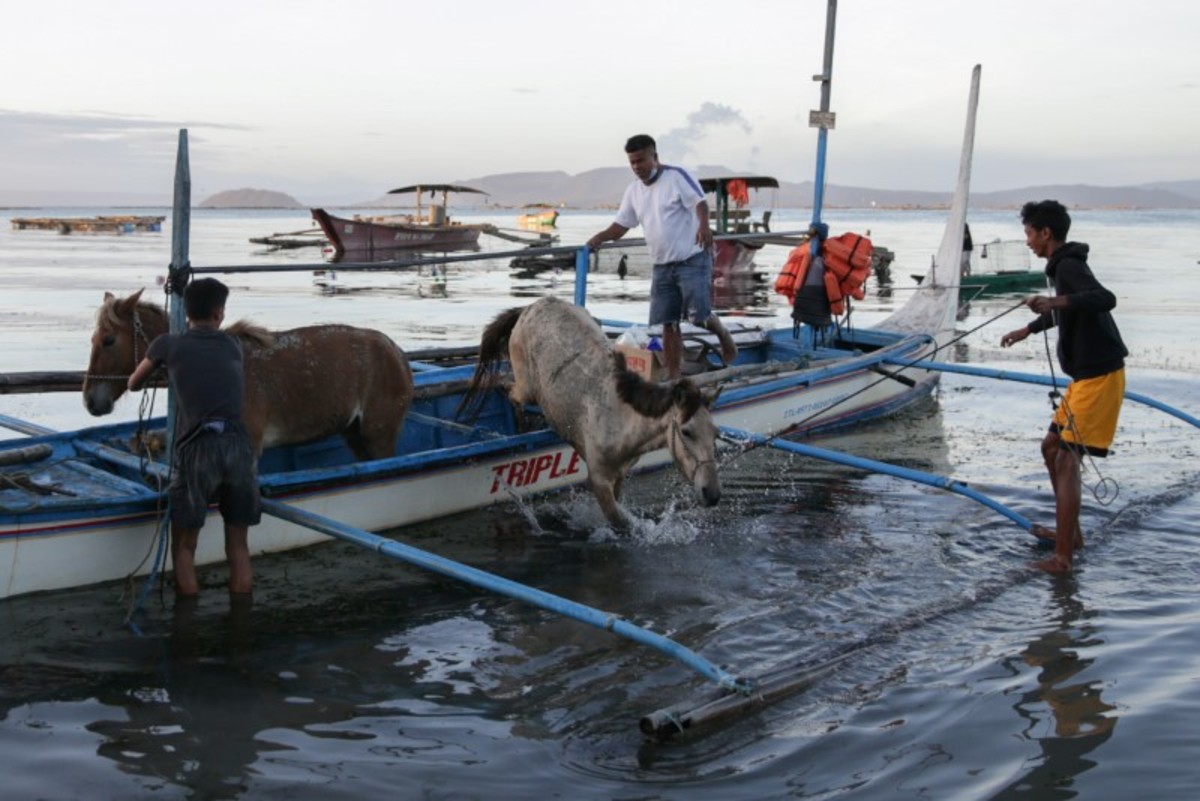
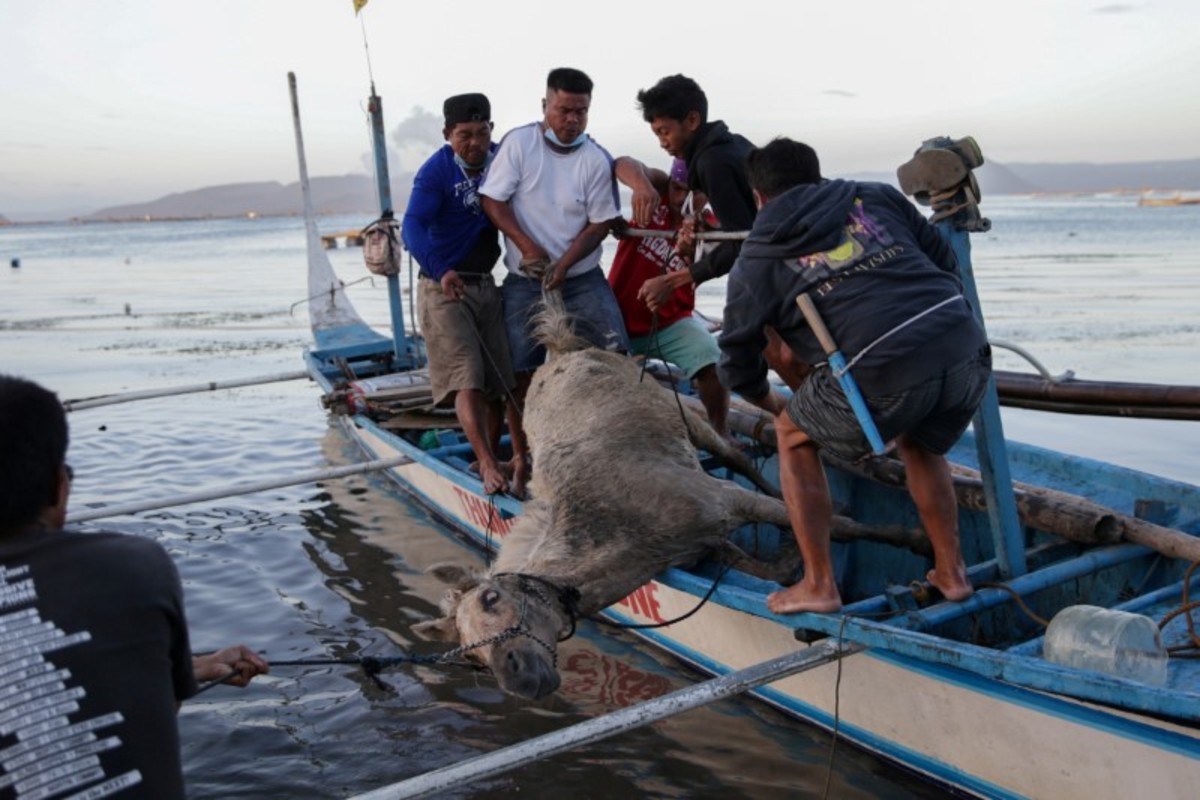
An injured horse rescued by residents near the errupting Taal Volcano falls from their boat, in Talisay, Batangas, Philippines, January 16, 2020. REUTERS/Eloisa Lopez

At the crack of dawn on Thursday, Manolito Malaluan set out with a band of rescuers to ferry to safety two horses trapped on a Philippine island where a volcano has been spewing ash for days.

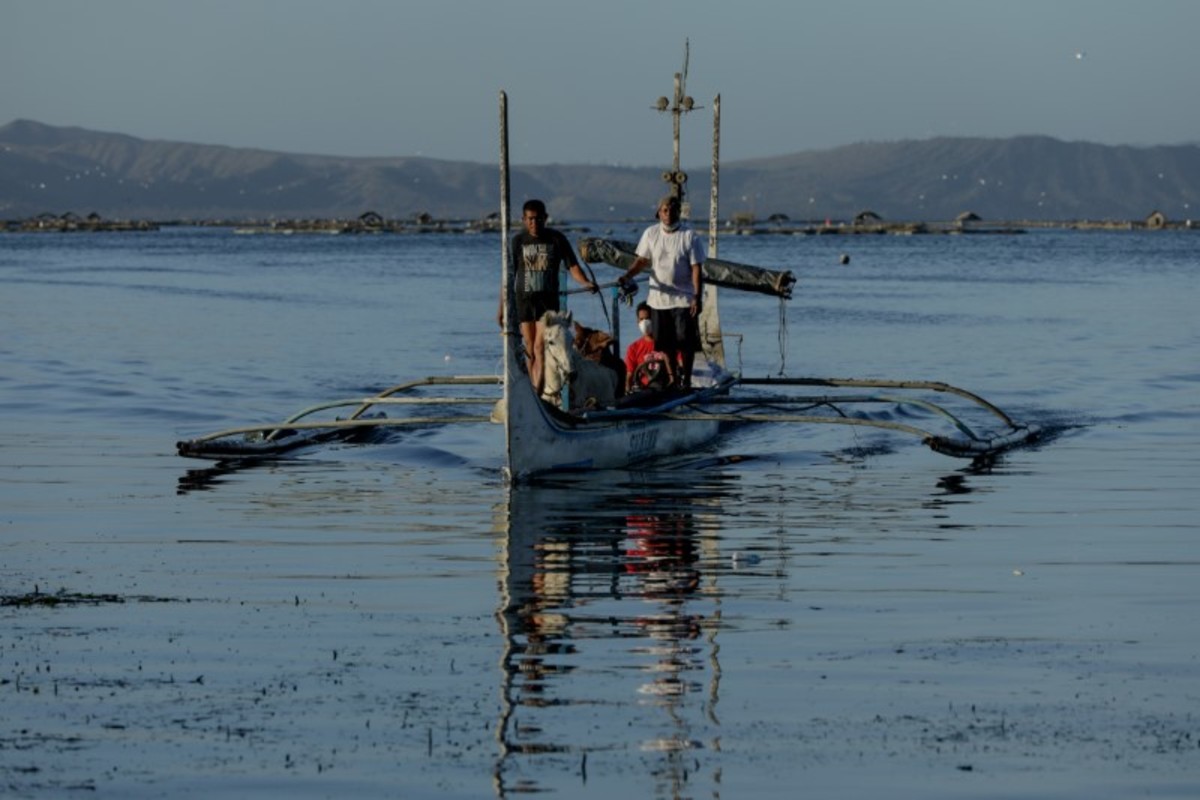
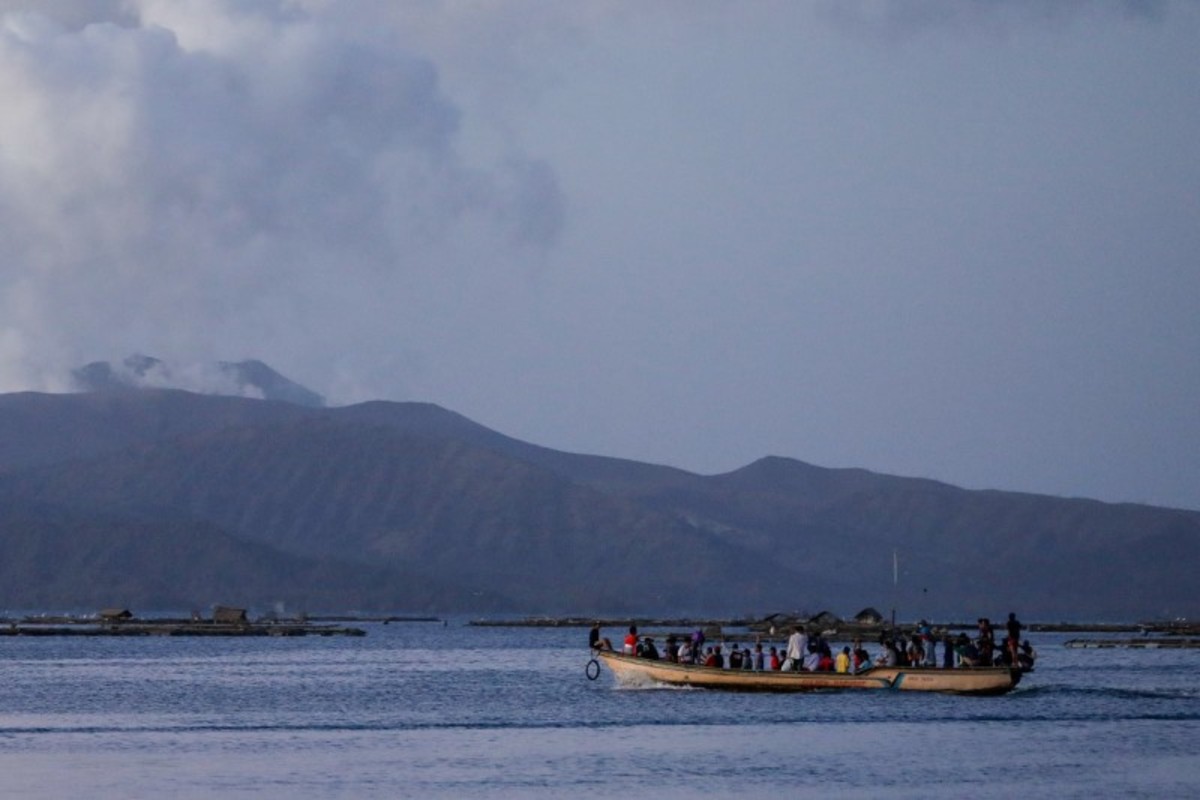
They took a motorboat across a lake, defying official warnings to stay out of a danger zone around the Taal volcano, one of the most active in the southeast Asian nation, as they scrambled to reach the animals.
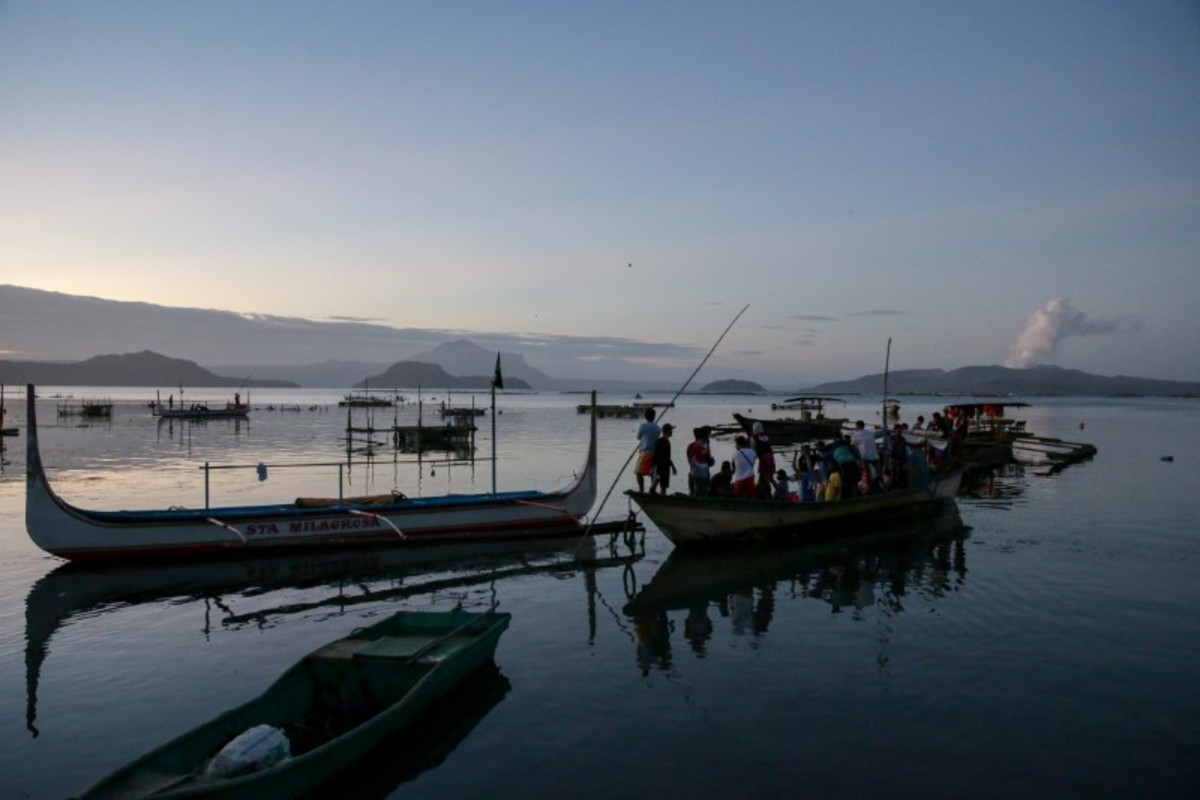
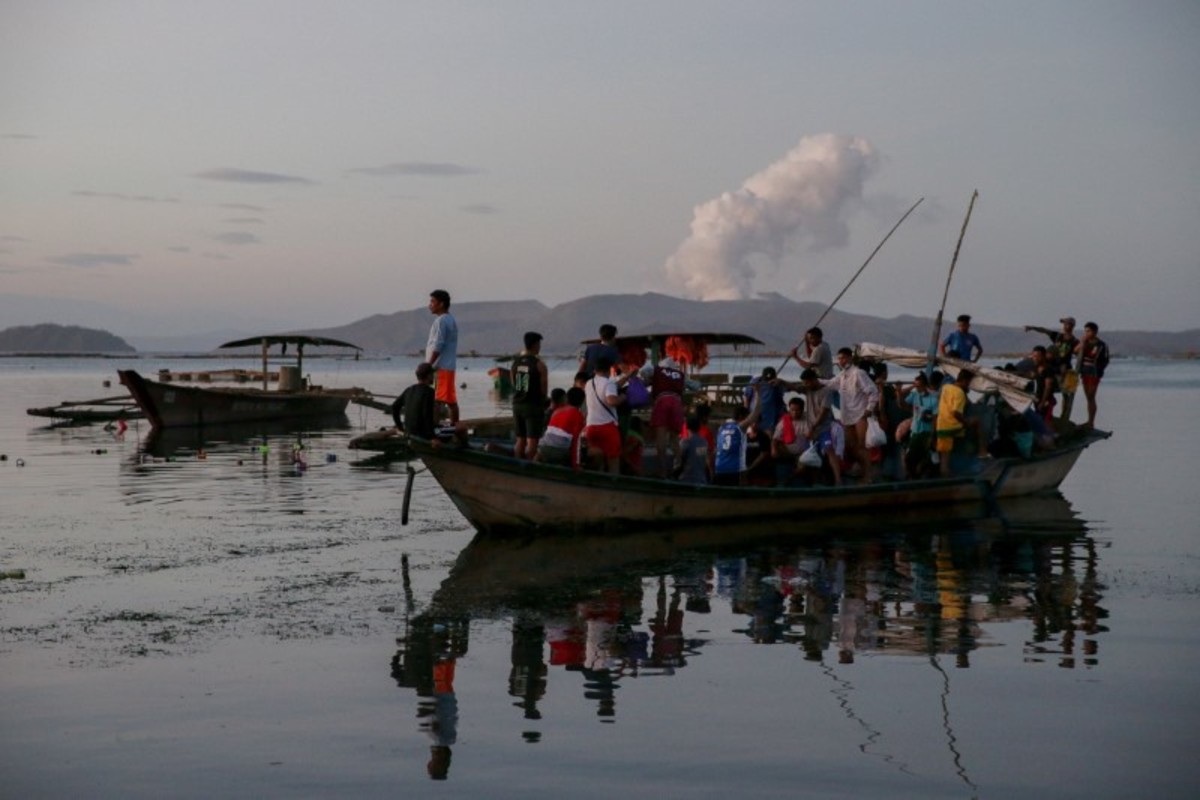
Dozens of residents ride a boat going to their homes near the errupting Taal Volcano to rescue the animals they left behind, in Talisay, Batangas, Philippines, January 16, 2020. REUTERS/Eloisa Lopez

"Both of them were neighing when they saw me," Malaluan, 23, told Reuters, after reaching safer ground with his horses, named Cristina and Bakasan. "They were happy because I came back."

More than 57,000 people have abandoned homes on the volcanic island and its environs, usually thronged by tourists, but many have also drifted back to check on animals and possessions.

Authorities have thrown a 14-km (9-mile) exclusion zone around the volcano, with experts warning that an eruption could bring a devastating rain of rocks and magma and unleash a tsunami in the surrounding lake.
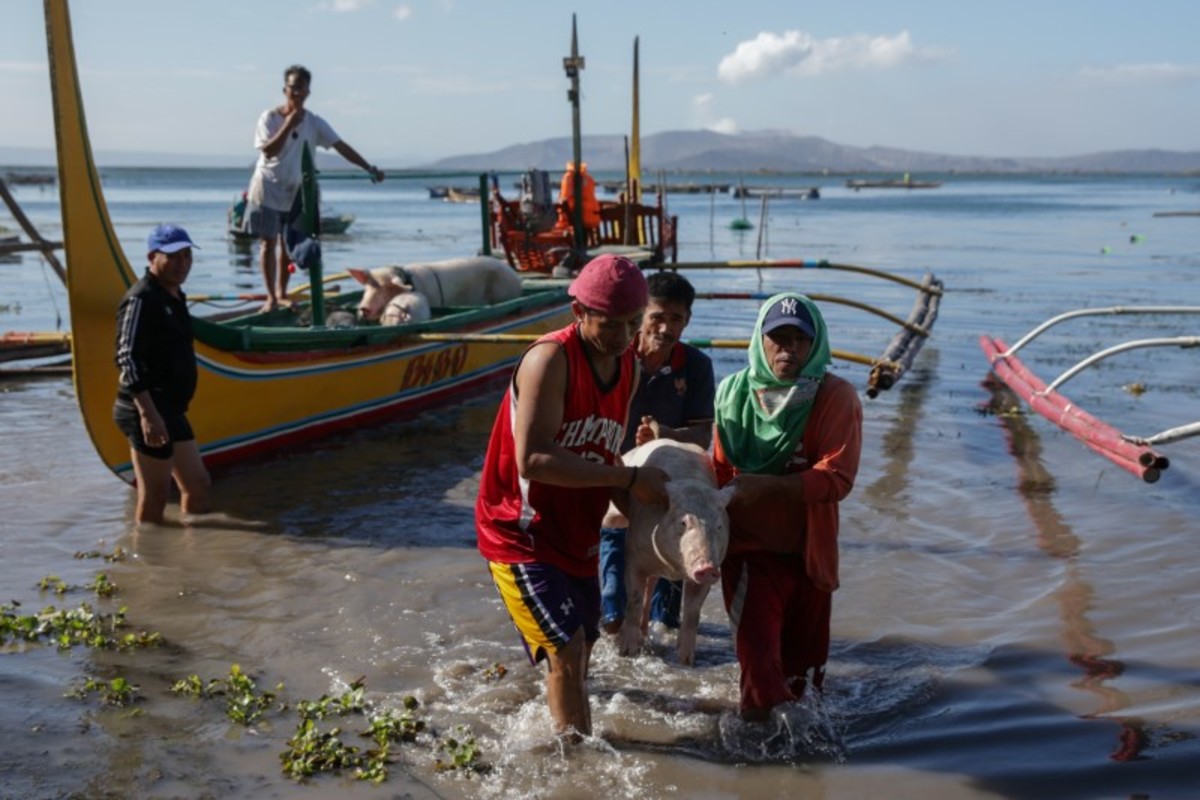
Pigs arrive on a boat after being rescued by their owners in their homes near the errupting Taal Volcano in Talisay, Batangas, Philippines, January 16, 2020. REUTERS/Eloisa Lopez

The horses were among 3,000 living on the island, most earning money for their owners by carrying tourists to the rim of the volcano crater.

UNCERTAIN FUTURE
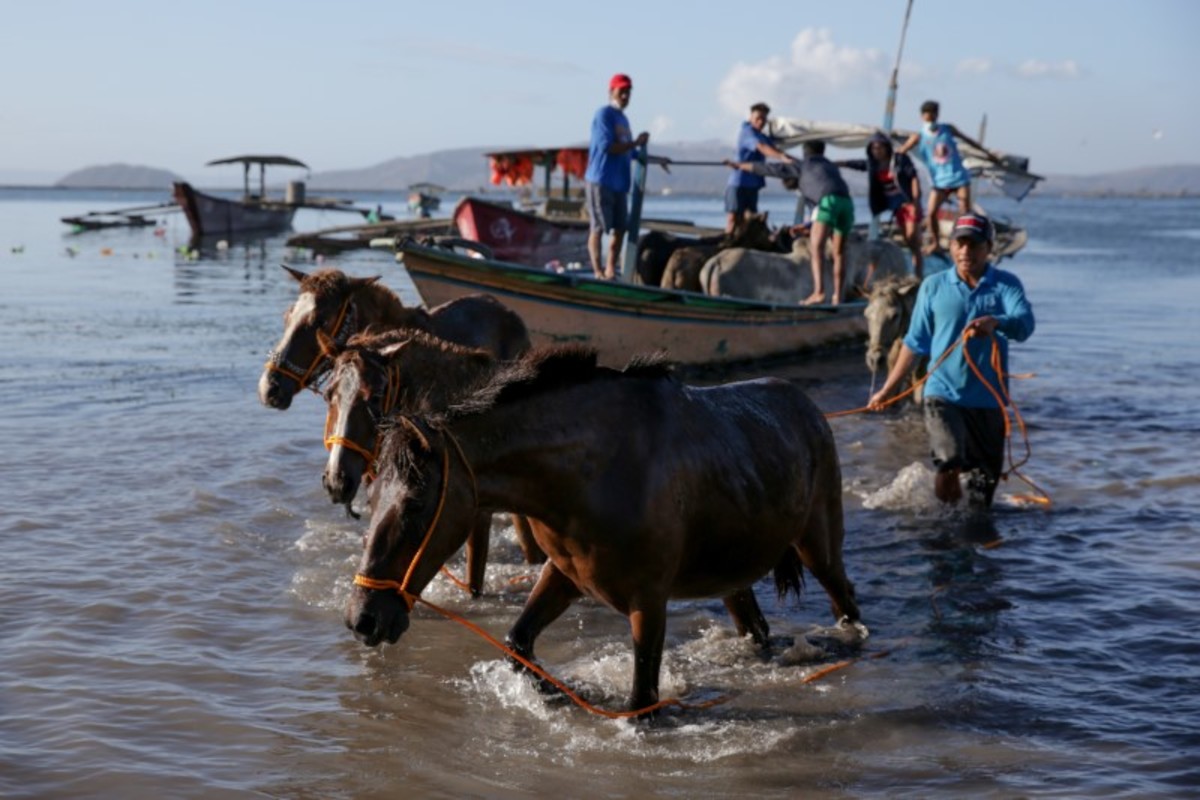
Horses arrive after being rescued by their owners from their homes near the errupting Taal Volcano, in Talisay, Batangas, Philippines, January 16, 2020. REUTERS/Eloisa Lopez

As their sole means of livelihood, many islanders depend on the survival of the animals, but the future looks uncertain.

"We won't have food on our tables if not for them," said Jun Despededa, 21, who used water from the lake to scrub volcanic ash from his horse's white coat. "I don't know what I would do now after what happened."

About 1,000 horses, as well as cows, goats and pigs were among the animals left behind by residents scurrying to safer areas for fear of a bigger eruption.
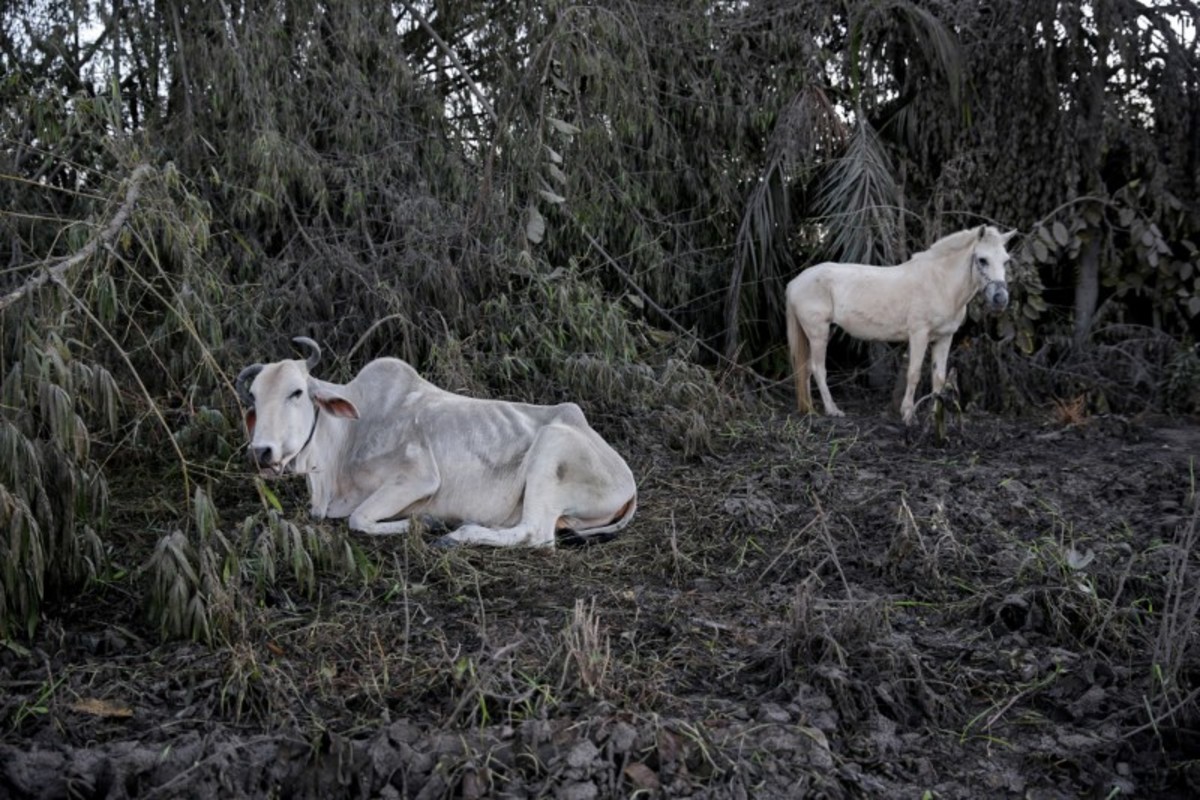
Animals rescued by their owners near the erupting Taal Volcano rest in Talisay, Batangas, Philippines, January 16, 2020. REUTERS/Eloisa Lopez

One horse owner urged authorities to allow the rescue of as many animals as possible, taking advantage of what appeared to be a lull in volcano activity, but was rebuffed by the coast guard patrolling the lake.

Horses were among the more than 70 animals brought to safety since Wednesday by another group of rescuers, led by a police maritime unit, but it has since been told to halt its activities, because of the eruption threat.

Many of the horses that had made it out looked exhausted and hungry, with at least one barely able to stand.
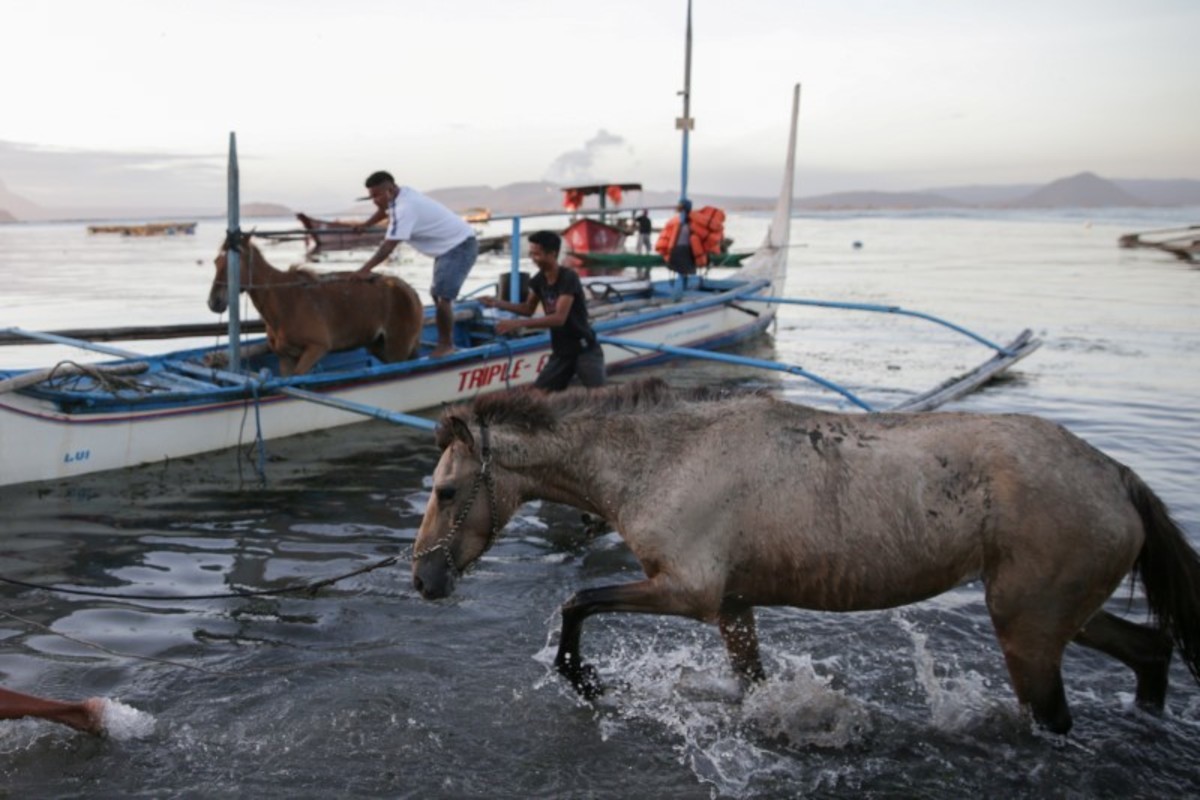
Residents bring back rescued horses from their homes near the errupting Taal Volcano, in Talisay, Batangas, Philippines, January 16, 2020. REUTERS/Eloisa Lopez

While Taal appeared to be calming down on Thursday, seismologists said the danger of an eruption remained high and authorities warned evacuees to stay away.

The Philippines lies on the "Ring of Fire," a belt of volcanoes circling the Pacific Ocean that is also prone to earthquakes.

One of the world's smallest active volcanoes, Taal has erupted more than 30 times in the past five centuries, most recently in 1977. An eruption in 1911 killed more than 1,300 people and one in 1754 lasted for six months.
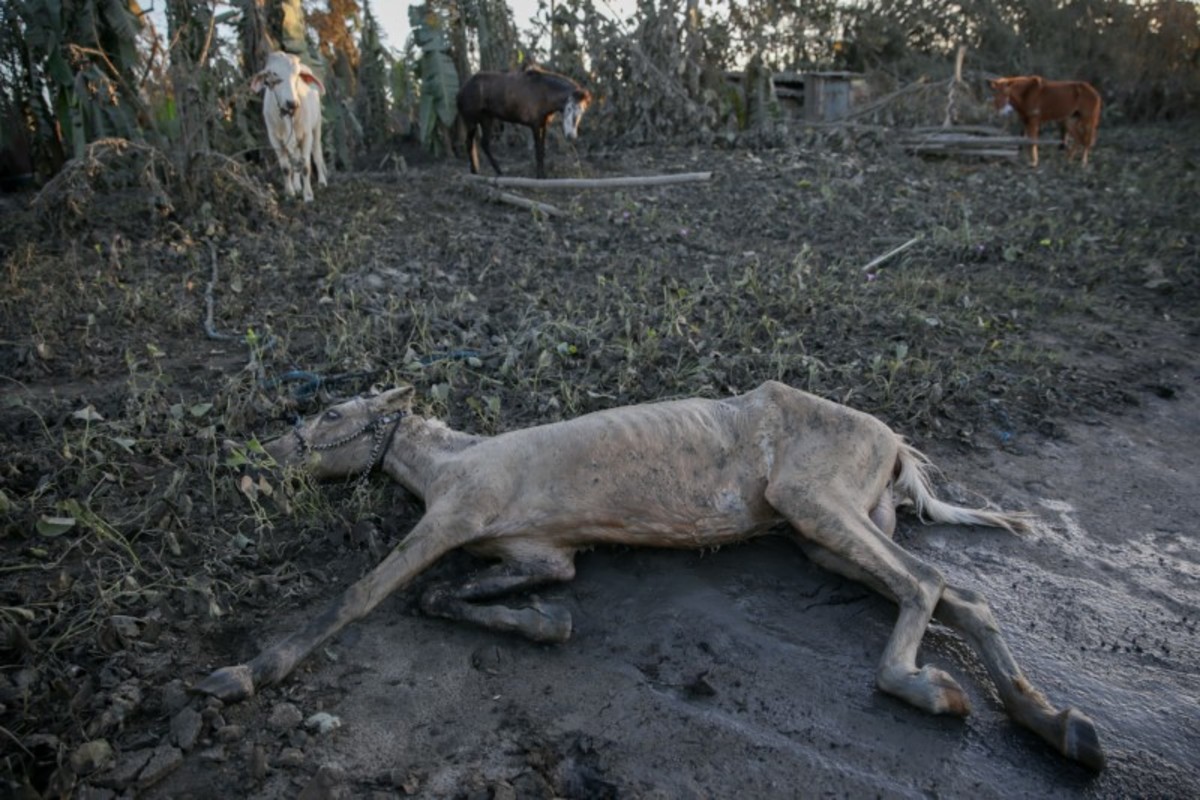
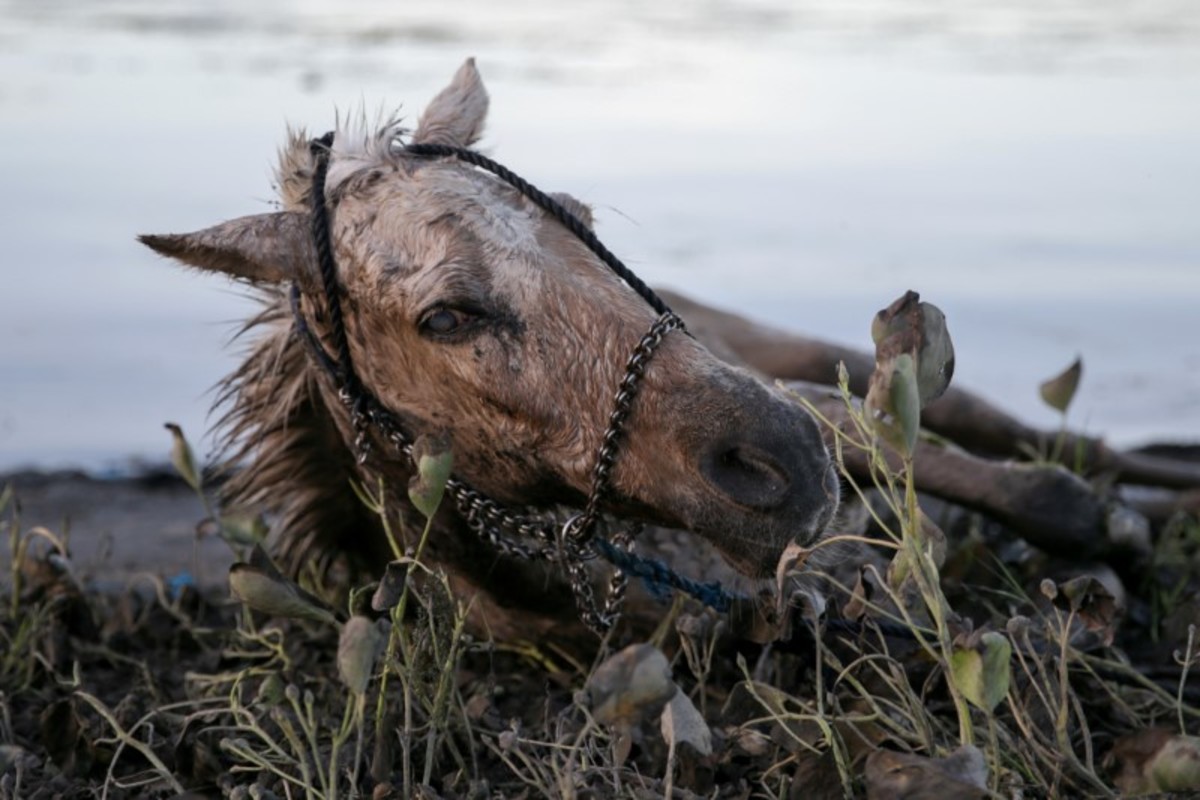
An injured horse covered with volcanic ash falls to the ground after being rescued by residents near the errupting Taal Volcano, in Talisay, Batangas, Philippines, January 16, 2020. REUTERS/Eloisa Lopez

(Additional reporting by Adrian Portugal; Writing by Karen Lema; Editing by Clarence Fernandez)
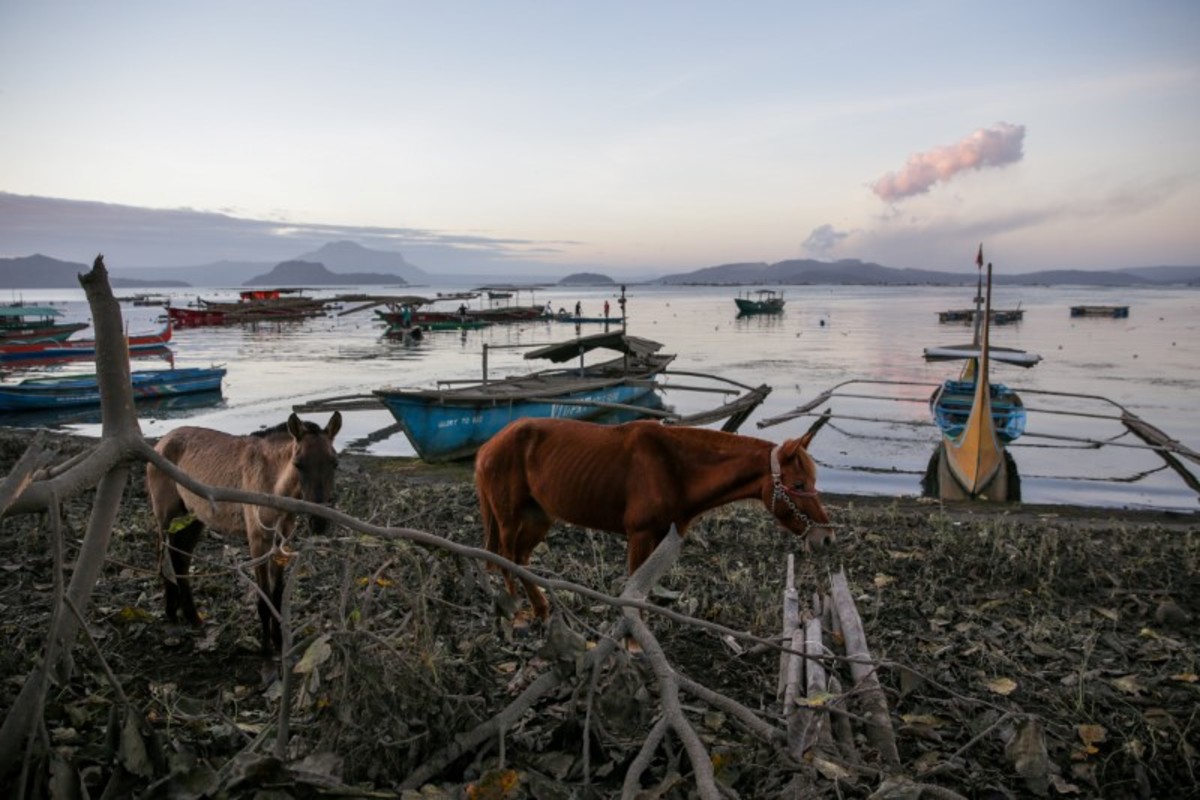
Horses rescued by their owners near the erupting Taal Volcano walk around the Taal Lake, in Talisay, Batangas, Philippines, January 16, 2020. REUTERS/Eloisa Lopez
An injured horse covered with volcanic ash falls to the ground after being rescued by residents near the errupting Taal Volcano, in Talisay, Batangas, Philippines, January 16, 2020. REUTERS/Eloisa Lopez
Horses arrive in a boat after being rescued by their owners from their homes near the errupting Taal Volcano, in Talisay, Batangas, Philippines, January 16, 2020. REUTERS/Eloisa Lopez
Residents pull an injured horse they rescued from their homes near the errupting Taal Volcano in Talisay, Batangas, Philippines, January 16, 2020. REUTERS/Eloisa Lopez
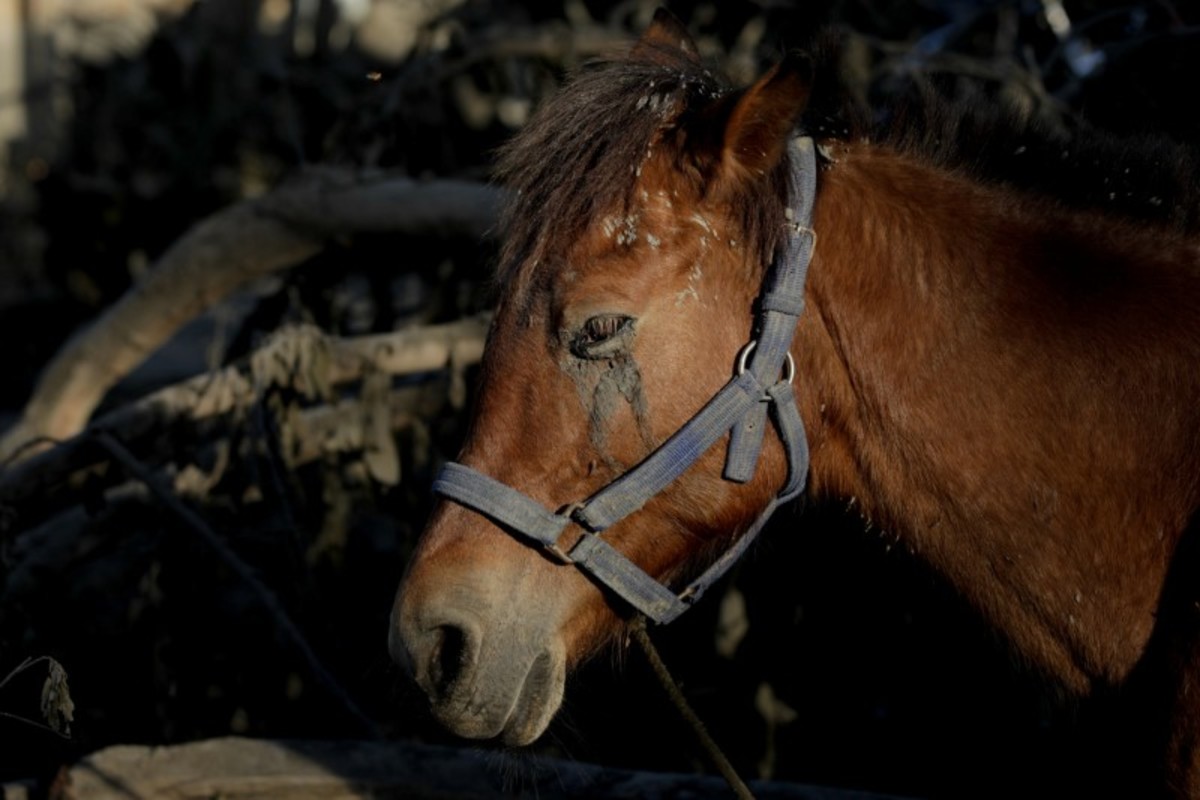
A horse covered with volcanic ash is pictured after being rescued by its owner near the erupting Taal Volcano, in Talisay, Batangas, Philippines, January 16, 2020. REUTERS/Eloisa Lopez
Dozens of residents ride a boat going to their homes near the errupting Taal Volcano to rescue the animals they left behind, in Talisay, Batangas, Philippines, January 16, 2020. REUTERS/Eloisa Lopez
Residents bring back rescued horses from their homes near the errupting Taal Volcano, in Talisay, Batangas, Philippines, January 16, 2020. REUTERS/Eloisa Lopez
Sign up to read this article
Read news from 100's of titles, curated specifically for you.
Already a member? Sign in here
Related Stories
Top stories on inkl right now
One subscription that gives you access to news from hundreds of sites
Already a member? Sign in here
Our Picks
Fourteen days free
Download the app
One app. One membership.
100+ trusted global sources.