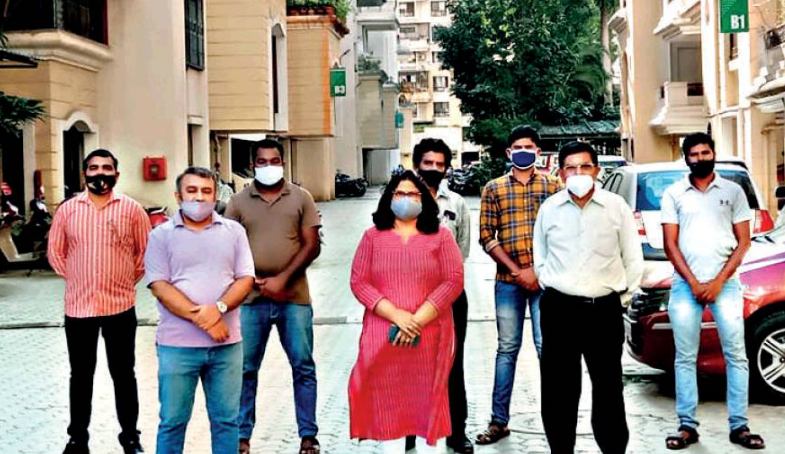
PUNE: From converting the society’s clubhouse into a quarantine facility to appointing a floor monitor for checking on residents regularly, the members of Mont Vert Pristine housing society on Aundh Road adopted simple yet effective ways to deal with the pandemic and its repercussions.
“We had also made arrangements for oxygen concentrator. Besides a floor volunteer to check on residents for any symptoms or help, the society had a register of blood plasma donors and pharmacies for the benefit of the residents and the staffers, alike,” society’s secretary Vijay Maru said.
The society chairman, Sujata Nalli, ensured that the society premises were sanitized regularly. “We had vendors setting up stalls for groceries, vegetables and clothes. We even had publishers setting up bookstalls on the premises for the convenience of the residents. The society had also put up an automatic vending machine for snacks and beverages, for which a cellphone application was used to keep the entire transaction touch-free,” Maru said.
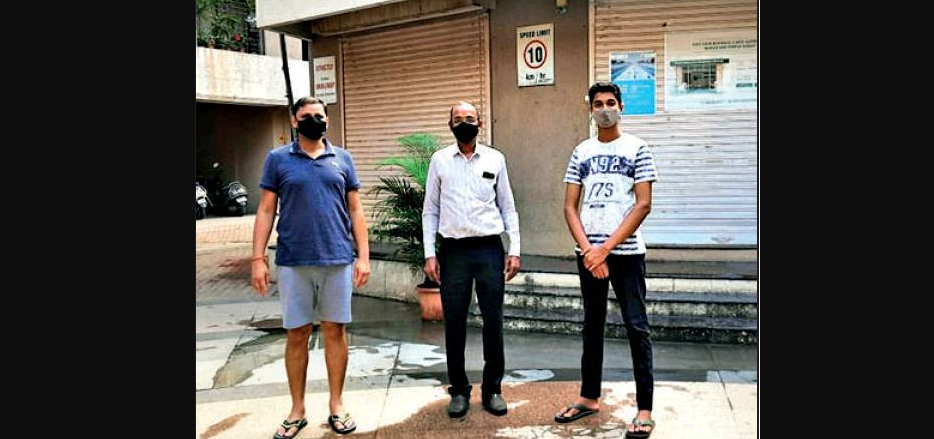
He said the prices of vegetables were kept such that they could be provided free of cost to staff members. “During the pandemic, the residents also kept all celebrations muted and donated grocery kits to housekeeping and security staffers,” Maru said.
When things turned too difficult, society’s estate manager Narendra Mulay would wear the PPE kit and reach out to the residents to listen to their problems.
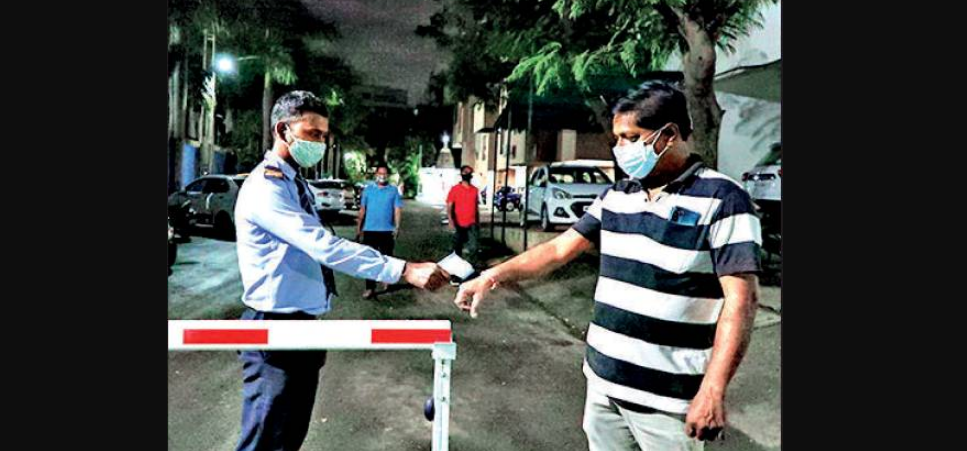
Not too far away, the residents of Kalpataru Estate Phase 1 in Pimple Gurav were engaged in similar initiatives. “We didn’t inconvenience the residents by imposing more rules. We just sought everybody’s cooperation when it came to masking and social distancing. We maintained a register for people going out or coming in so that contact tracing was possible in case anyone tested positive. We had formed a task force to look into the needs of the residents, especially the senior citizens living alone,” said Krishna Chandra, a resident.
Manoj Gurav, the society chairman, said they also helped out a family of three when each family member was admitted in different hospitals. “We helped out with the medical bills and also coordinated among the three members of the family. The cost of the medical check-ups of the domestic workers was borne by the residents when they started coming to work,” Gurav said.
In contrast, Yash Sankul in Pimple Saudagar imposed lockdown rules strictly during the first wave. The society chairman, Nitin Dongre, said, “We had kept the interaction with outsiders to the minimum. We have huge terrace area in each building. We had given slots to residents on each floor during the day to use the terrace for fresh air and exercise. We had imposed fines on people not following social distancing or mask rules. We had kept a compulsory 15-day quarantine for people coming from abroad and ensured that such families got essentials at the doorstep.”
The society too had vendors setting up stalls for various necessities.
Jagdish Gujar, a resident and member of the committee, said high-speed broadband vendors were called in considering most members would work from home. “People were discouraged from using cash and online payment was encouraged. Some people were also involved in distributing prepared meals in the nearby slum pockets,” Gujar said, adding that the society saw only 8-9 cases of Covid-19, with most catching the virus while travelling abroad.