Researchers use drones to pilot a new tool to fight malaria
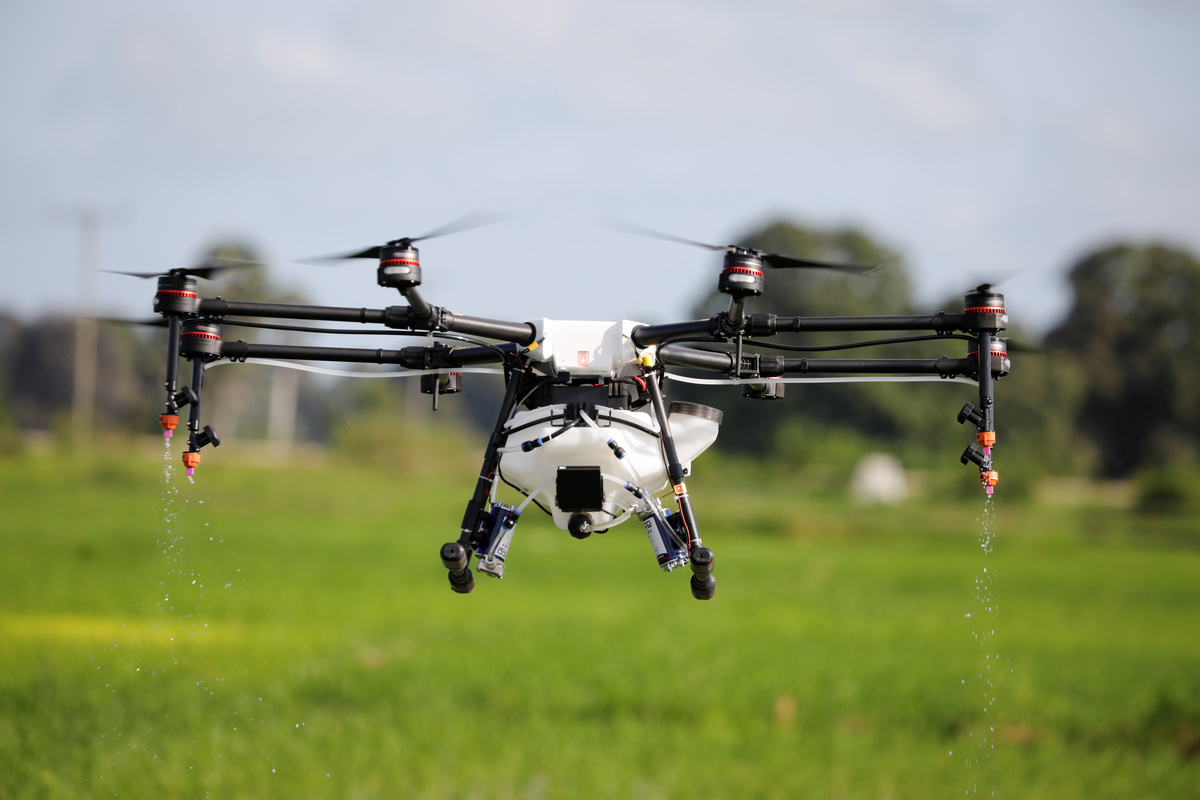
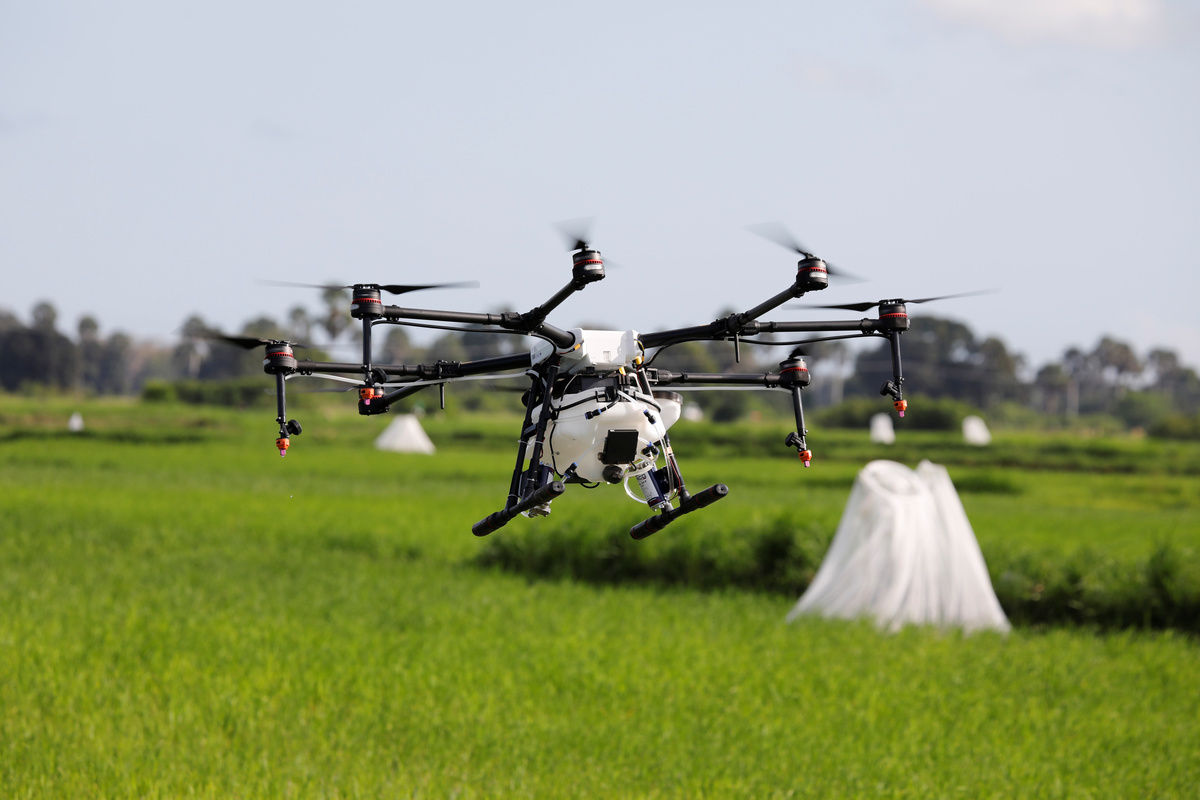
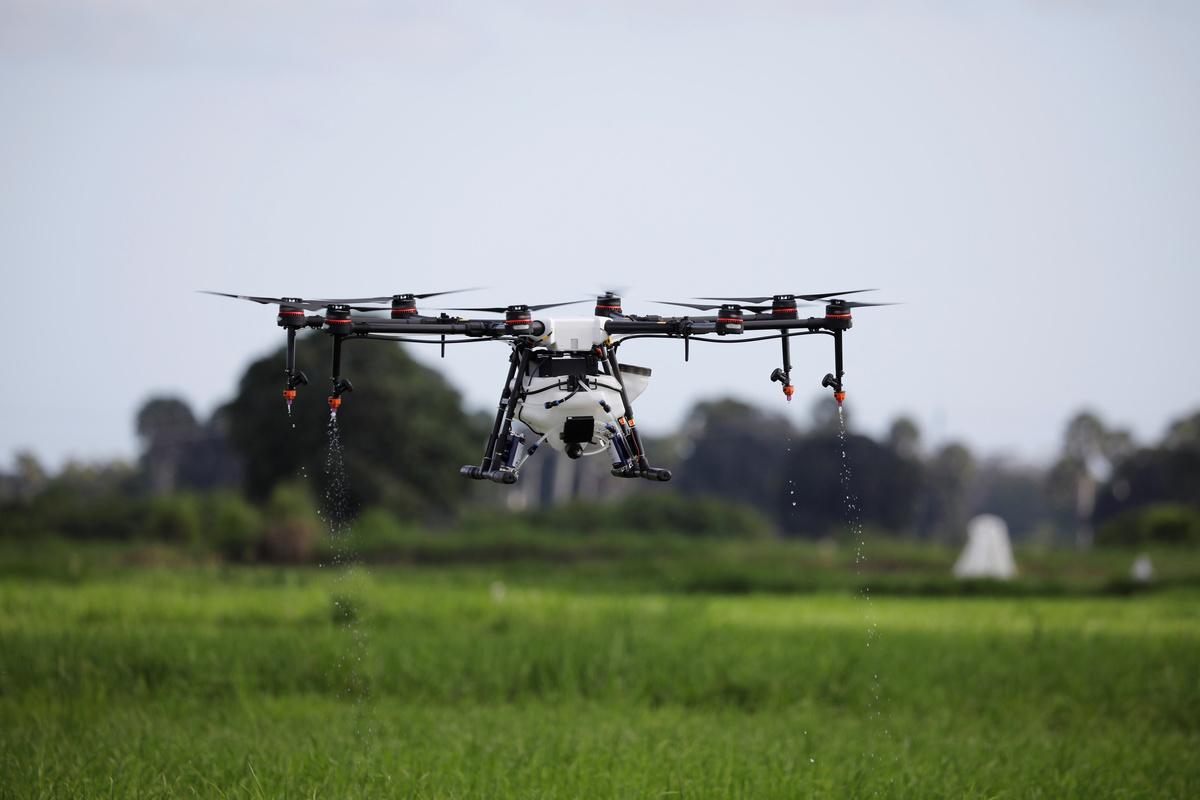
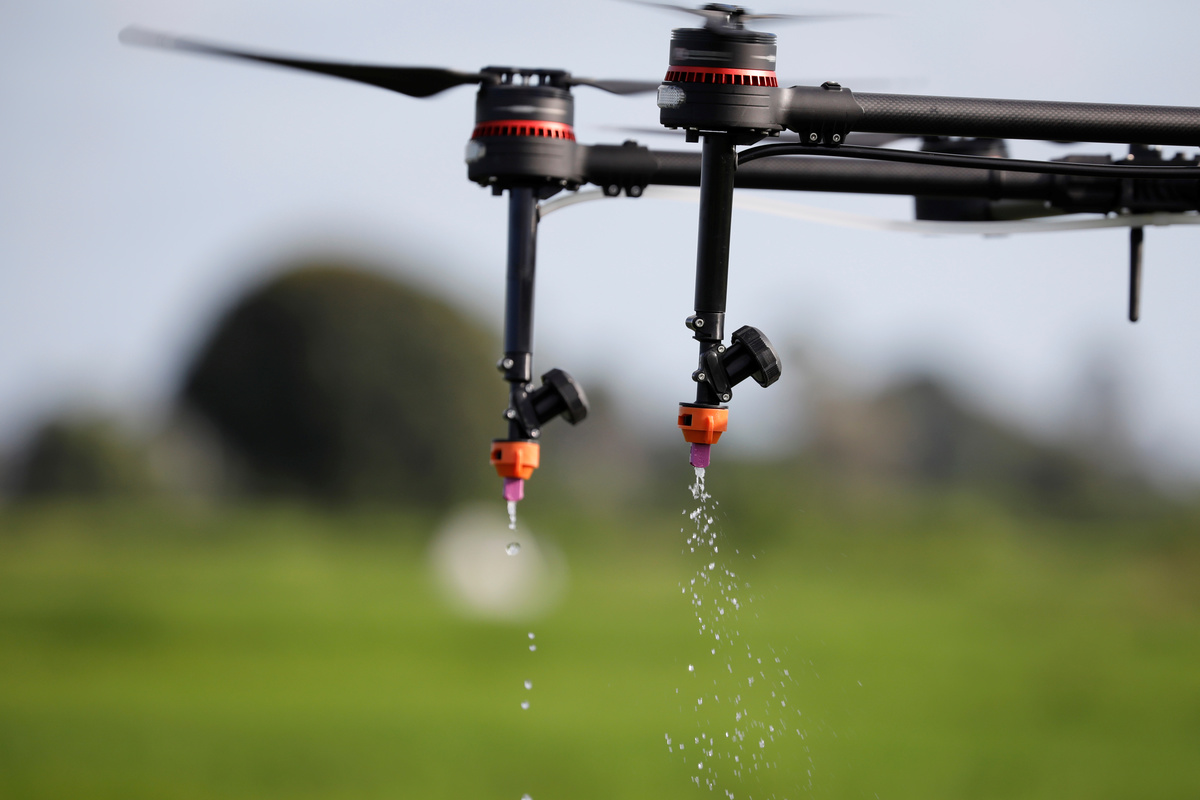
A customized DJI Agras MG-1S drone sprays water over a rice field during a pilots training flight, as part of a test in using drone technology in the fight against malaria, near Zanzibar City, on the island of Zanzibar, Tanzania, October 31, 2019. REUTERS/Baz Ratner
CHEJU, Zanzibar (Reuters) - Scientists seeking a breakthrough in the fight against malaria have used drones to spray rice fields in Zanzibar - not with traditional pesticides but with a thin, non-toxic film.
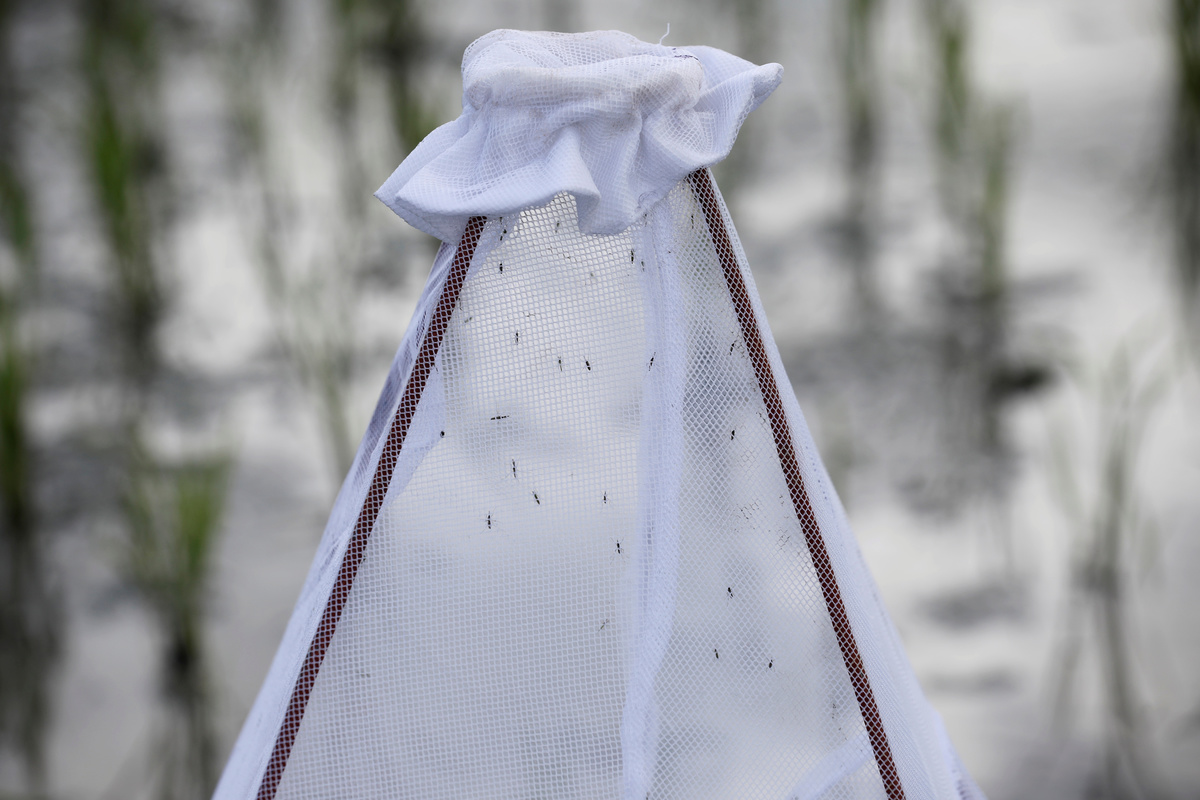
The fields are typical breeding grounds for the anopheles mosquito - the type that transmits malaria, which the United Nations says kills a young child every minute and causes 75 percent of all under five deaths.
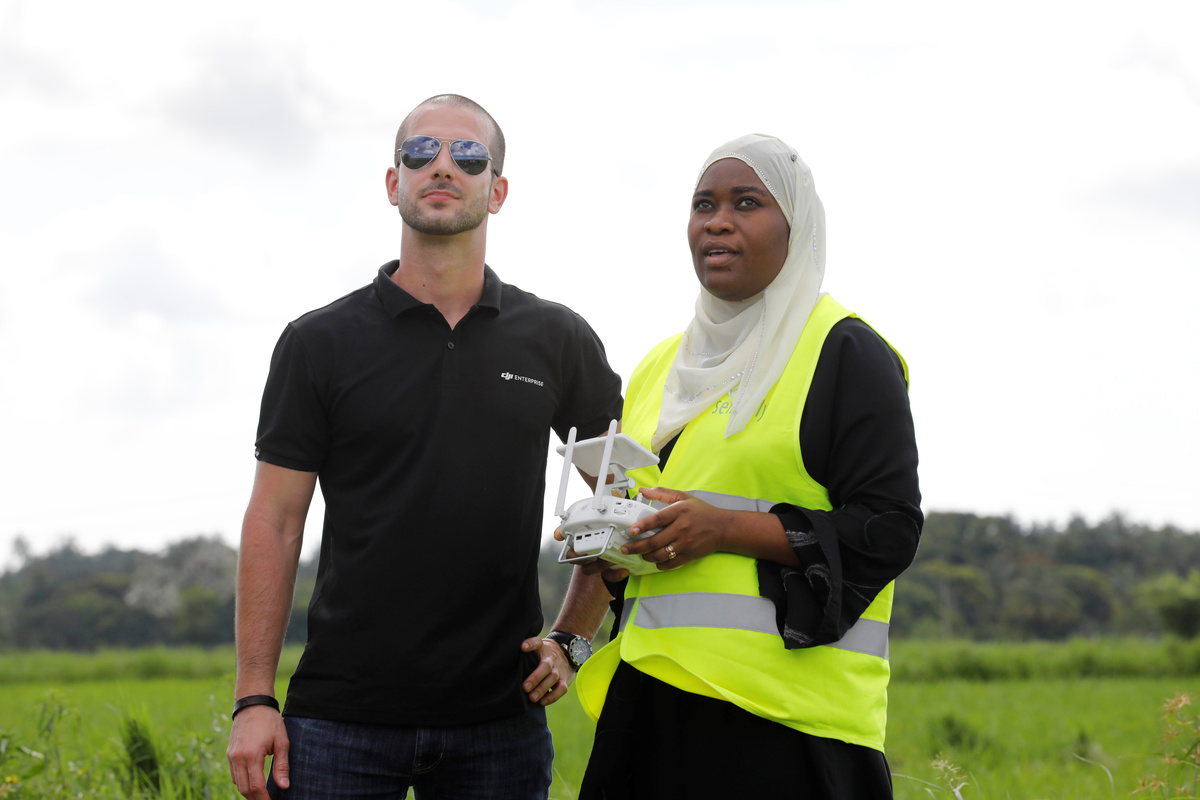
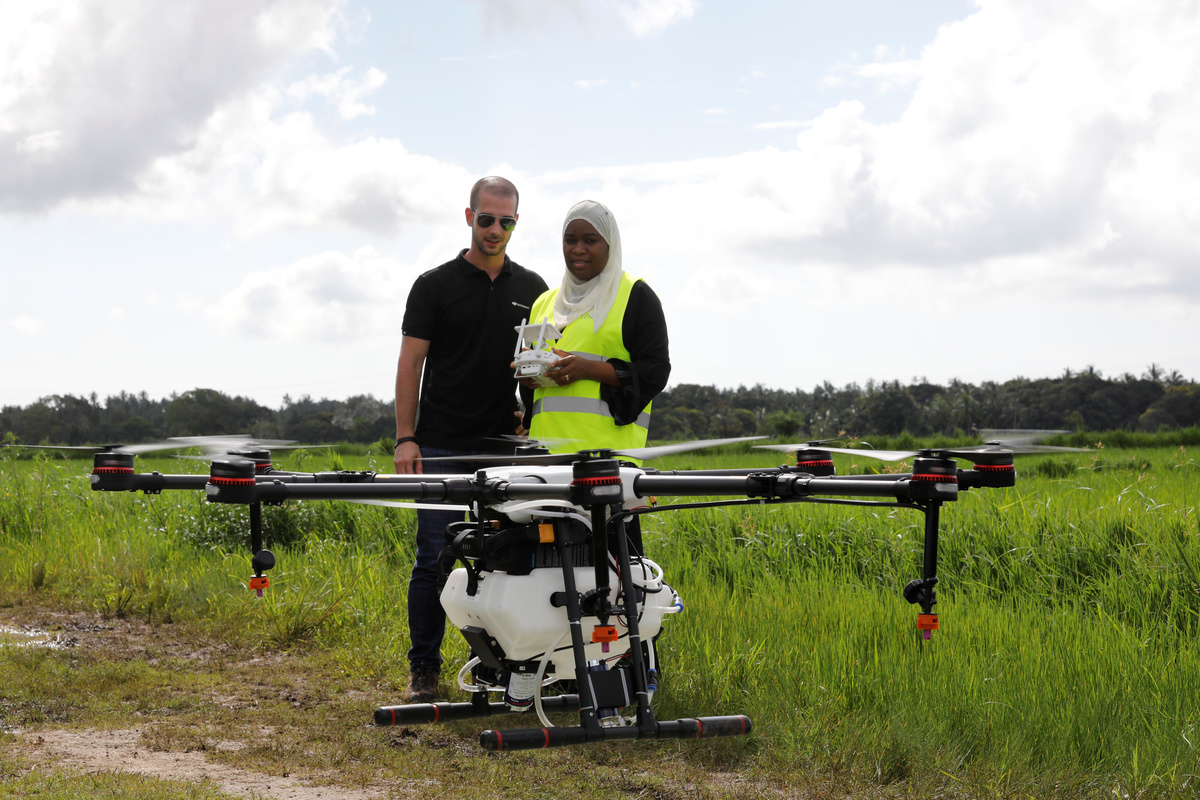
Tanzanian drone pilot Khadijah Abdulla Ali (R) flies a customized DJI Agras MG-1S drone next to DJI's Enterprise Product Manager Eduardo Rodriguez during a training flight as part of a test in using drone technology in the fight against malaria, near Zanzibar City, on the island of Zanzibar, Tanzania, October 31, 2019. Picture taken October 31, 2019. REUTERS/Baz Ratner
Ninety percent of all cases occur in Sub-Saharan Africa, according to the World Health Organization.
The researchers, led by Bart Knols from Radboud University in The Netherlands, plan to sample the larvae and the mosquitoes in the fields before, during and after spraying it with the silicone-based liquid, Aquatain AMF, to test its impact.
Malawi has used drones to map mosquito breeding sites but the researchers in Zanzibar say preventing pupae and larvae from attaching themselves to the surface of the water takes the malaria fight to the next level.
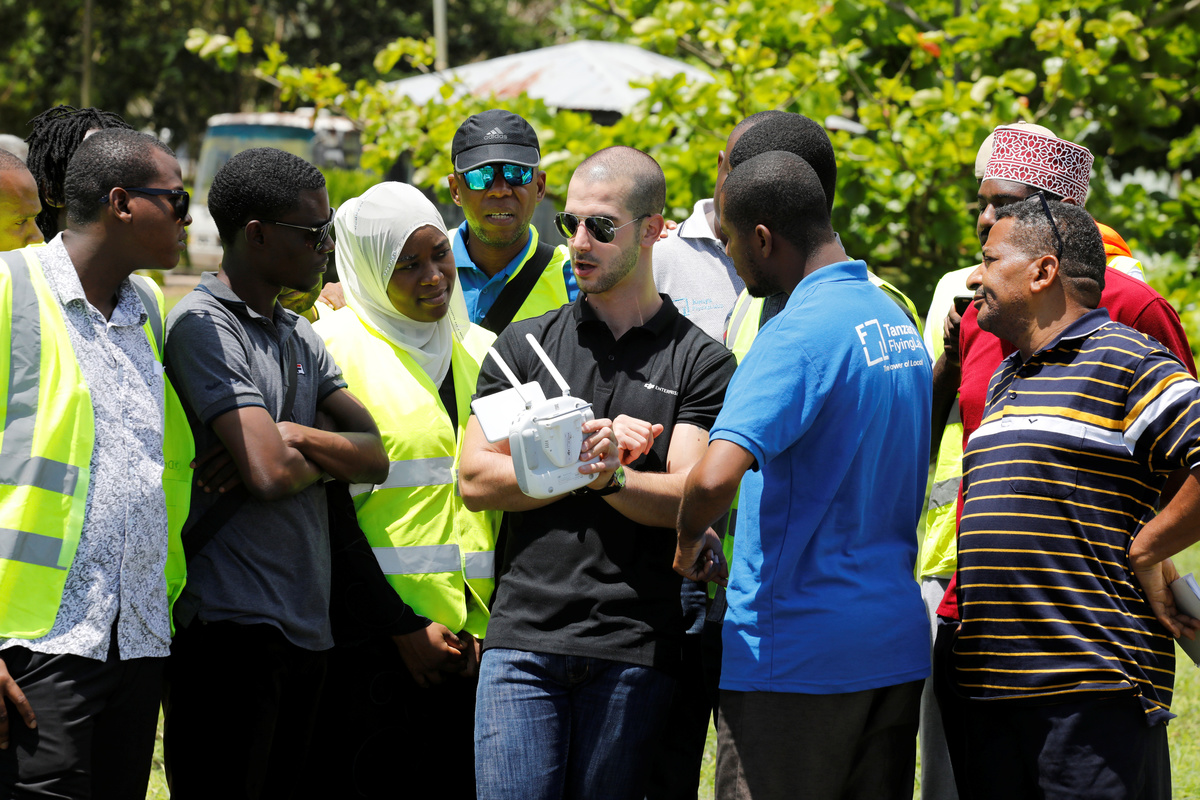
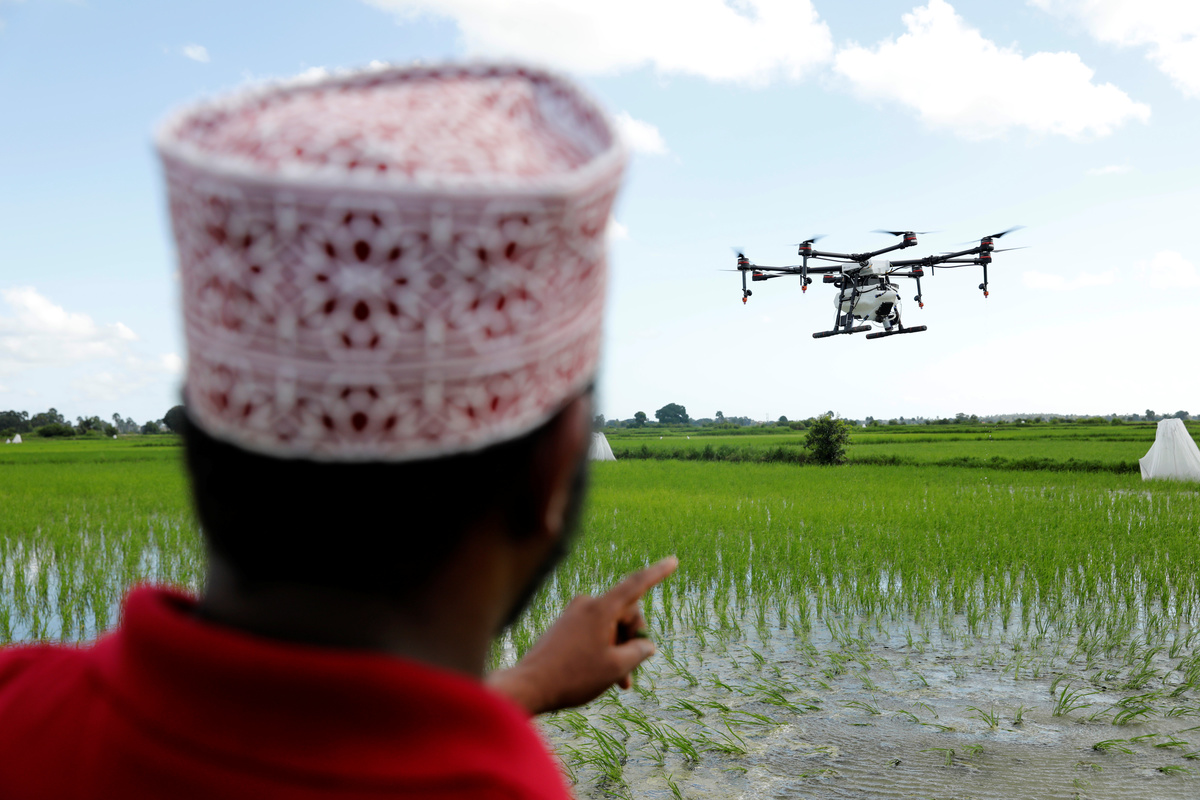
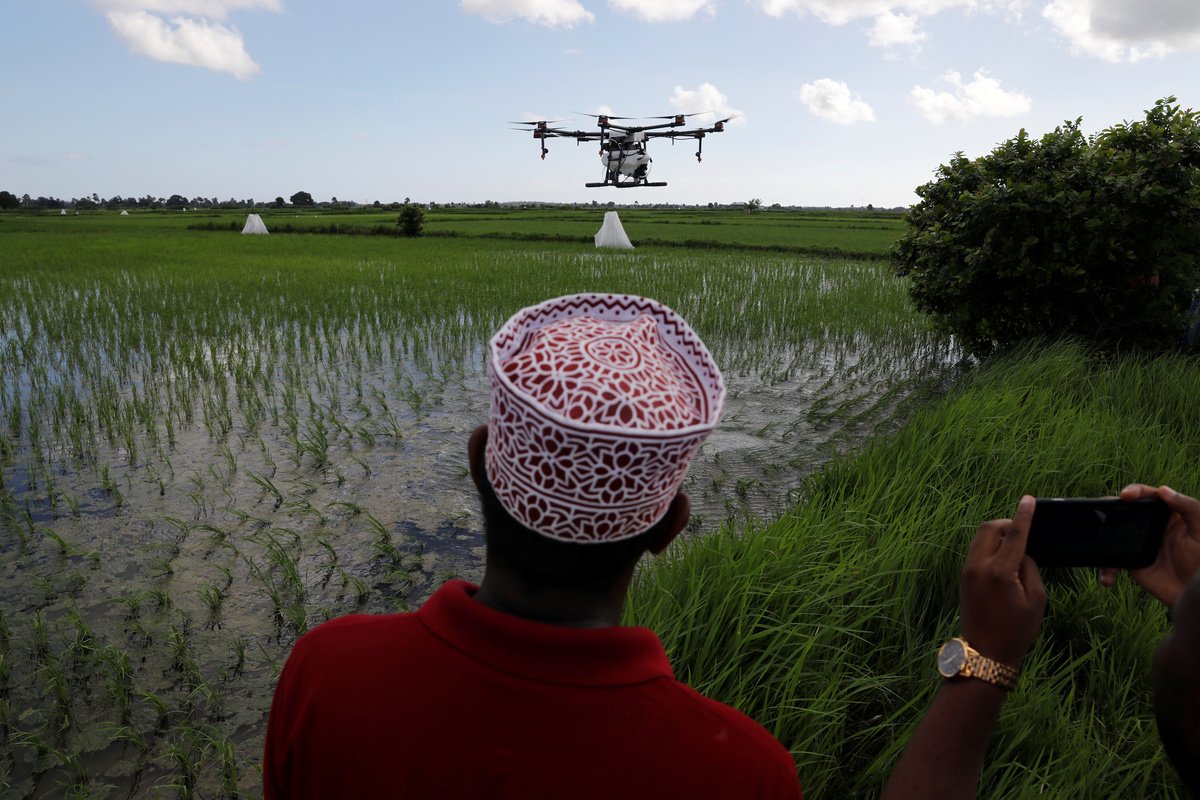
Dji's Enterprise Product Manager Eduardo Rodriguez (C) demonstrates to drone pilots from East Africa how to fly a customized DJI Agras MG-1S drone, during a training being part of a test in using drone technology in the fight against malaria, near Zanzibar City, on the island of Zanzibar, Tanzania, October 31, 2019. Picture taken October 31, 2019. REUTERS/Baz Ratner
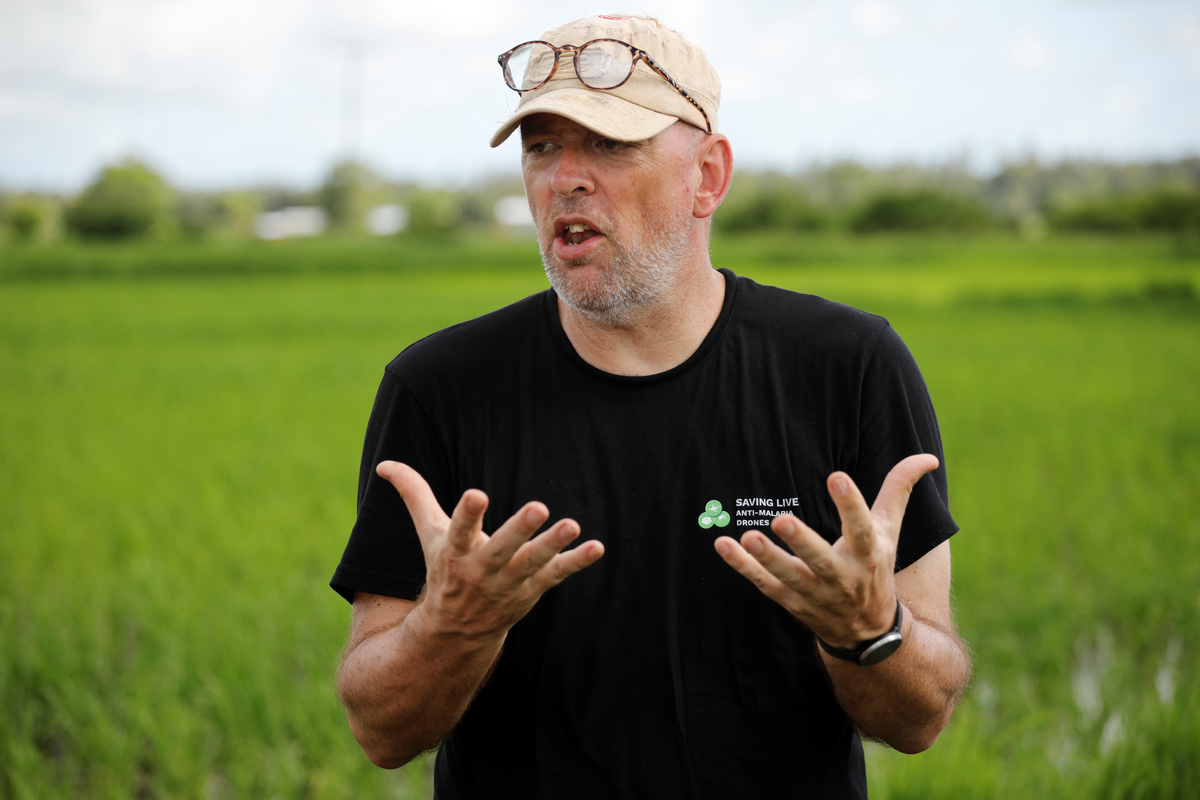
"By controlling them right at the source we hope to have an impact ultimately on the transmission of malaria," Knols said.
He and fellow researchers chose Tanzania's Zanzibar archipelago for the pilot partly due to its progressive laws on the use of drones for research.
"It is very difficult to just walk through the paddies and apply the chemicals, so you want to have something that can just spray it on the water surface. It spreads, does the job and that's it," said Wolfgang Richard Mukabana from the University of Nairobi, one of the researchers.
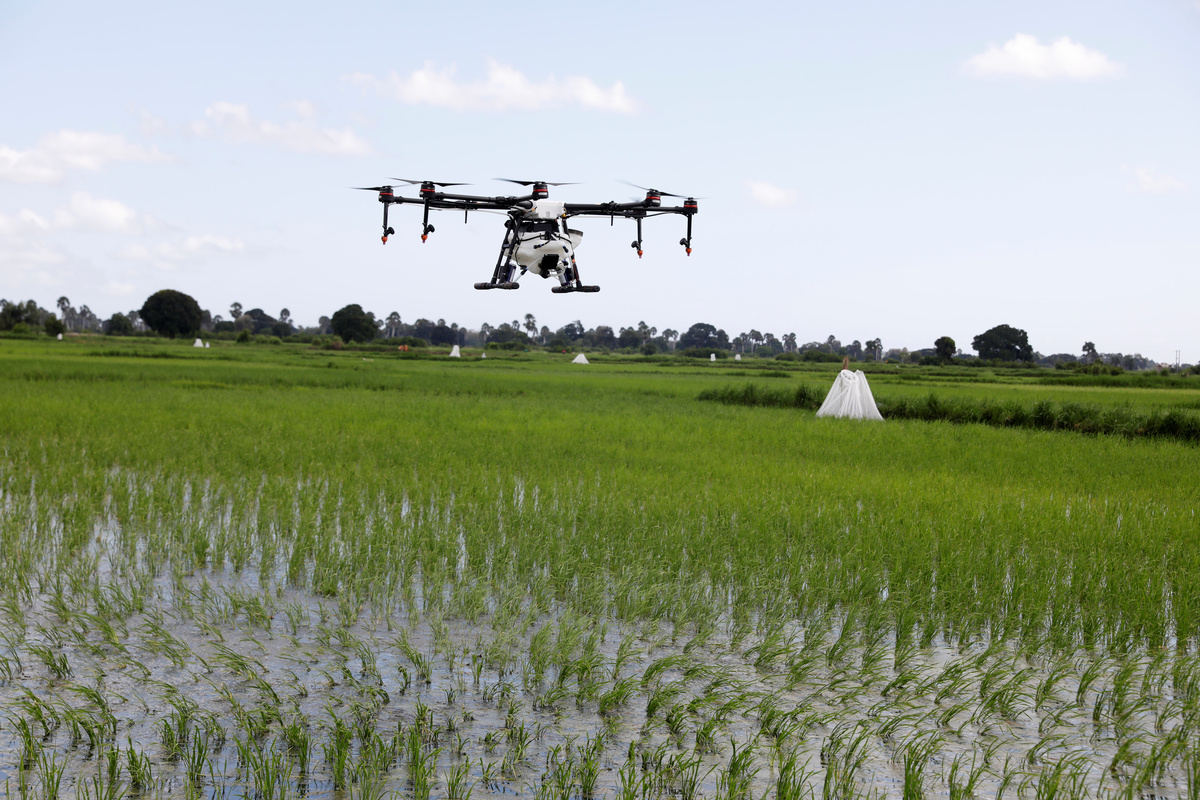
A customized DJI Agras MG-1S drone flies over a rice field during a pilots training flight, as part of a test in using drone technology in the fight against malaria, near Zanzibar City, on the island of Zanzibar, Tanzania, October 31, 2019. Picture taken October 31, 2019. REUTERS/Baz Ratner
After the trial in Zanzibar, they aim to publish their findings in peer-reviewed journals, they said, and hope to expand the approach across the continent.
The liquid is made by Australian company Aquatain Products Pty Ltd, which says it is highly permeable to gases so does not prevent the water from being oxygenated.
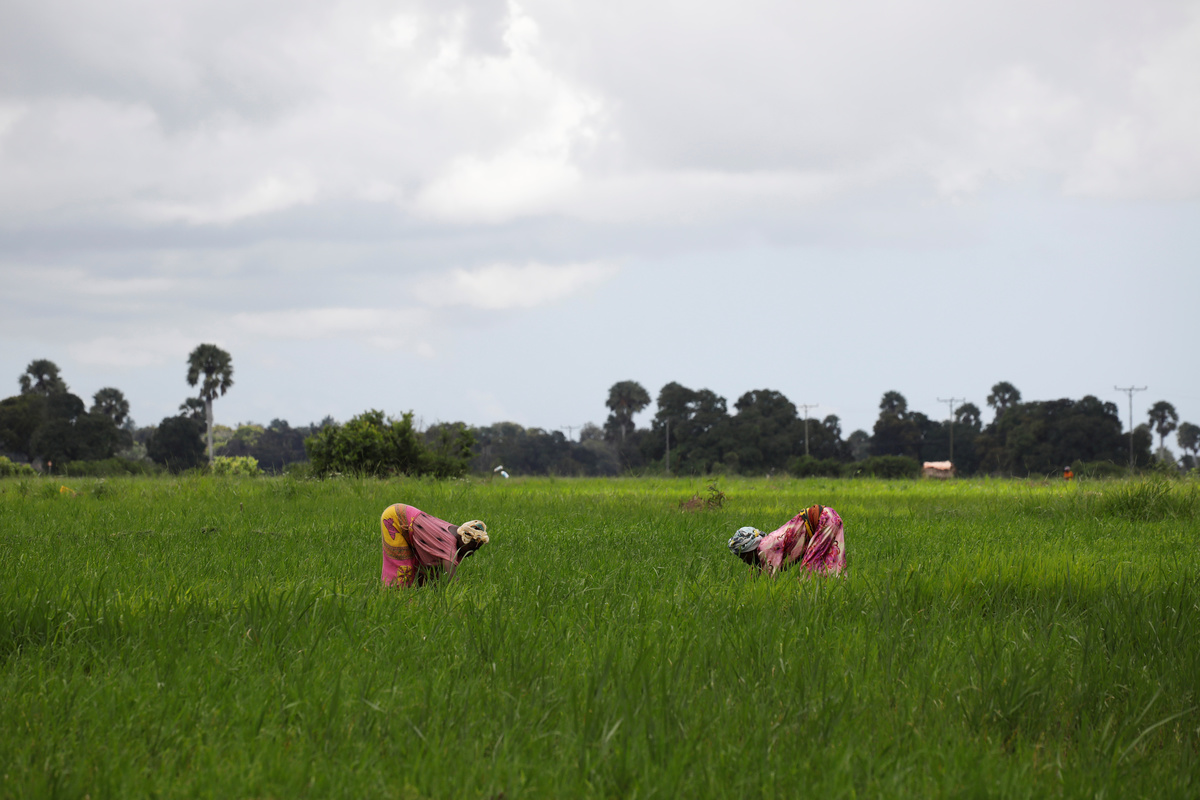
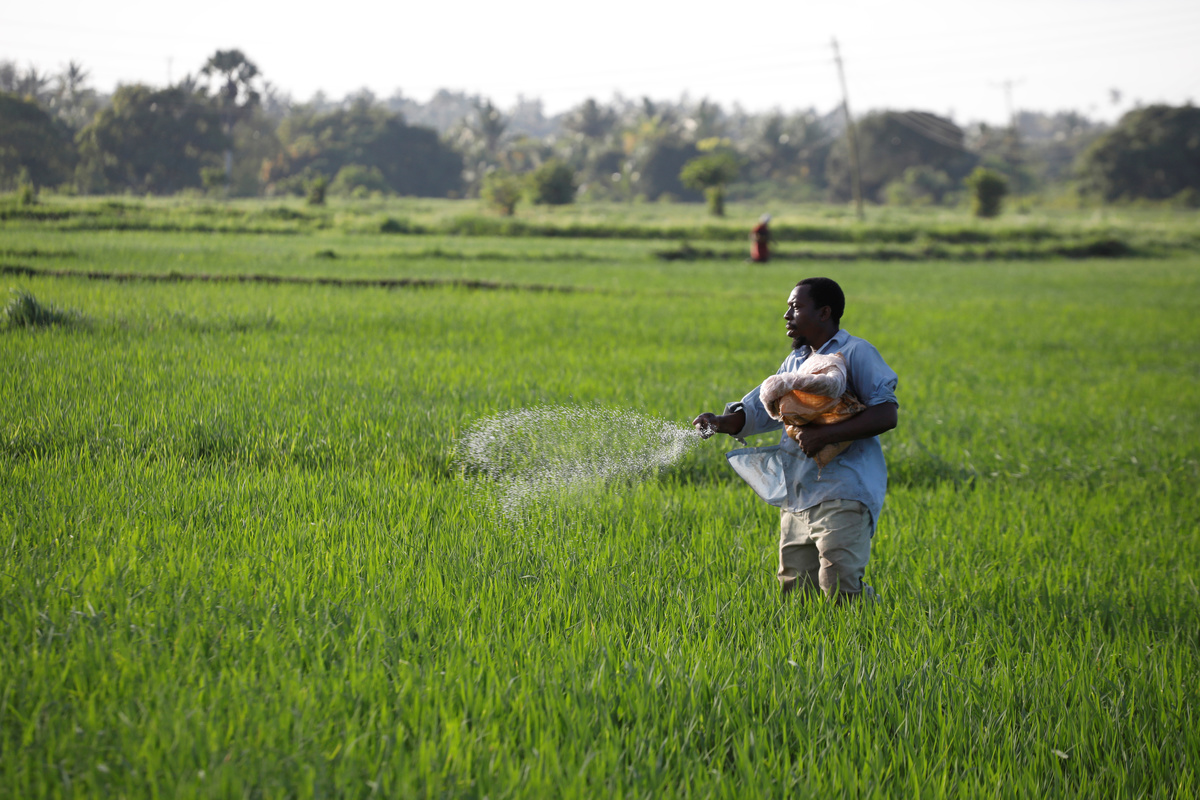
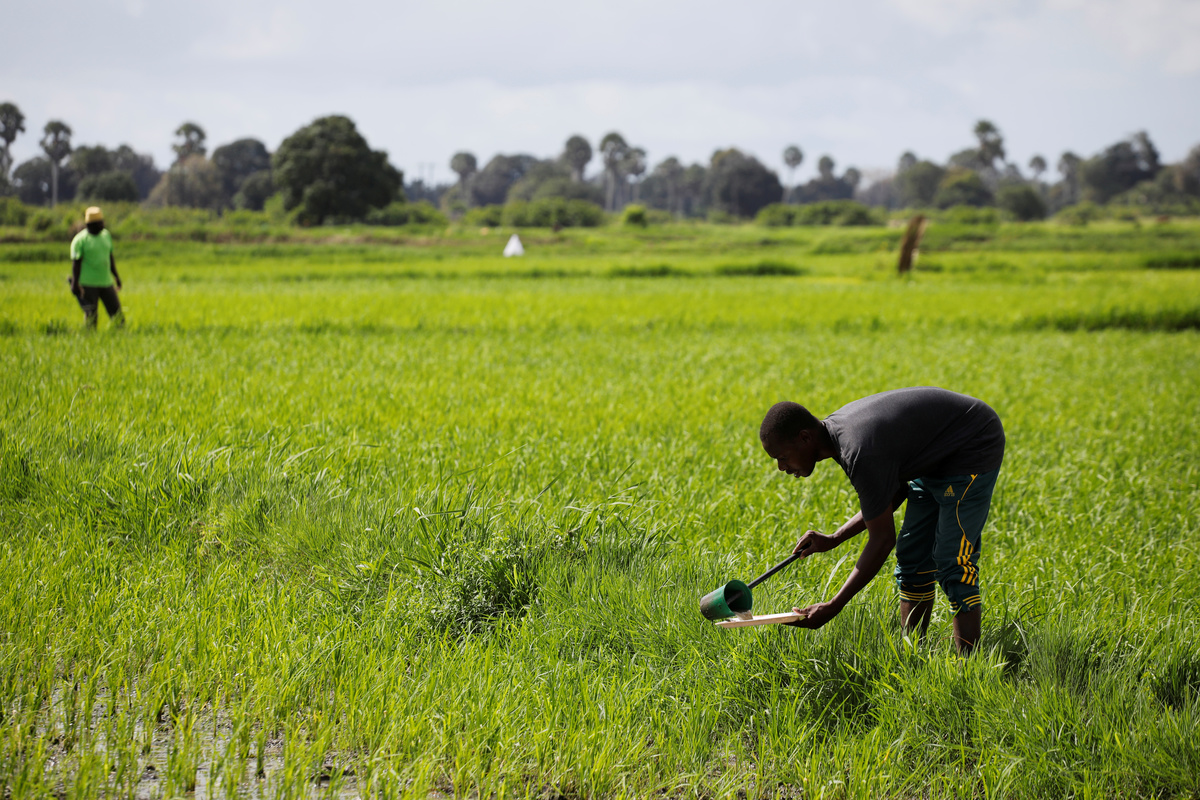
Two women work in a rice field near Zanzibar City, on the island of Zanzibar, Tanzania, October 30, 2019. Picture taken October 30, 2019. REUTERS/Baz Ratner
(Reporting by Edwin Waita; writing by Omar Mohammed; editing by Philippa Fletcher)
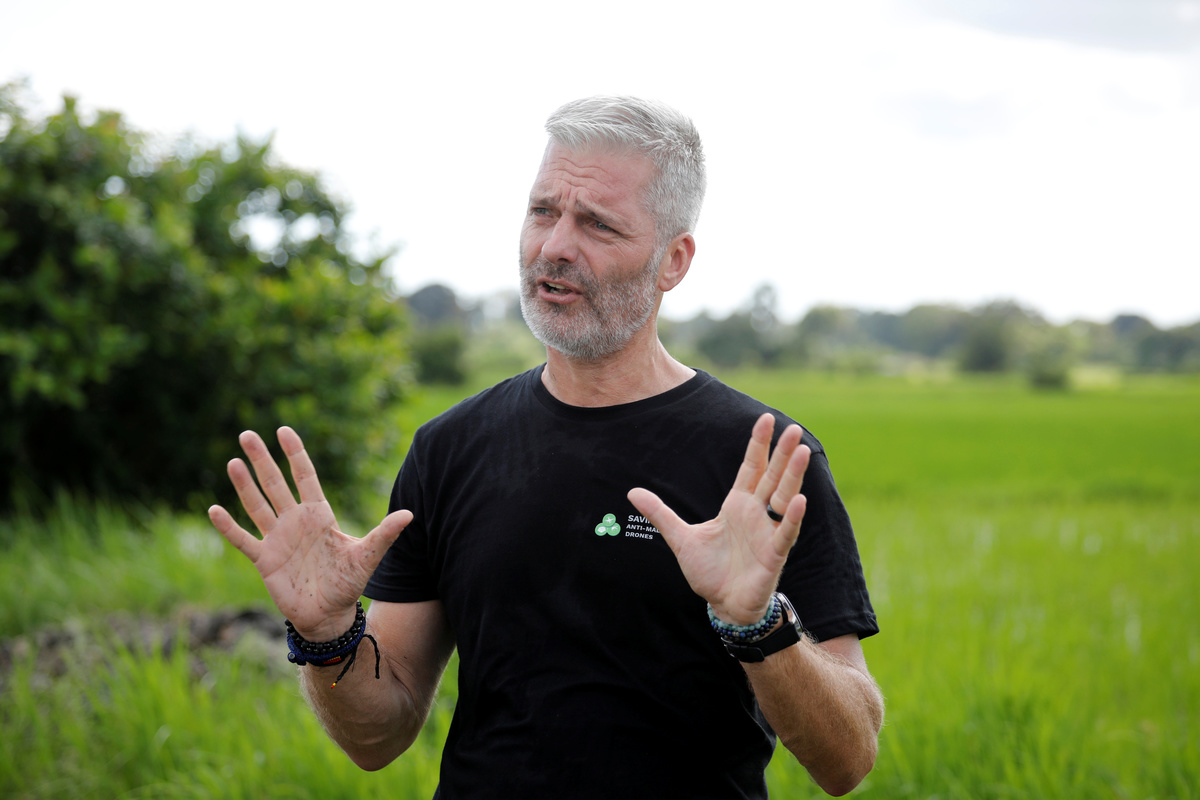
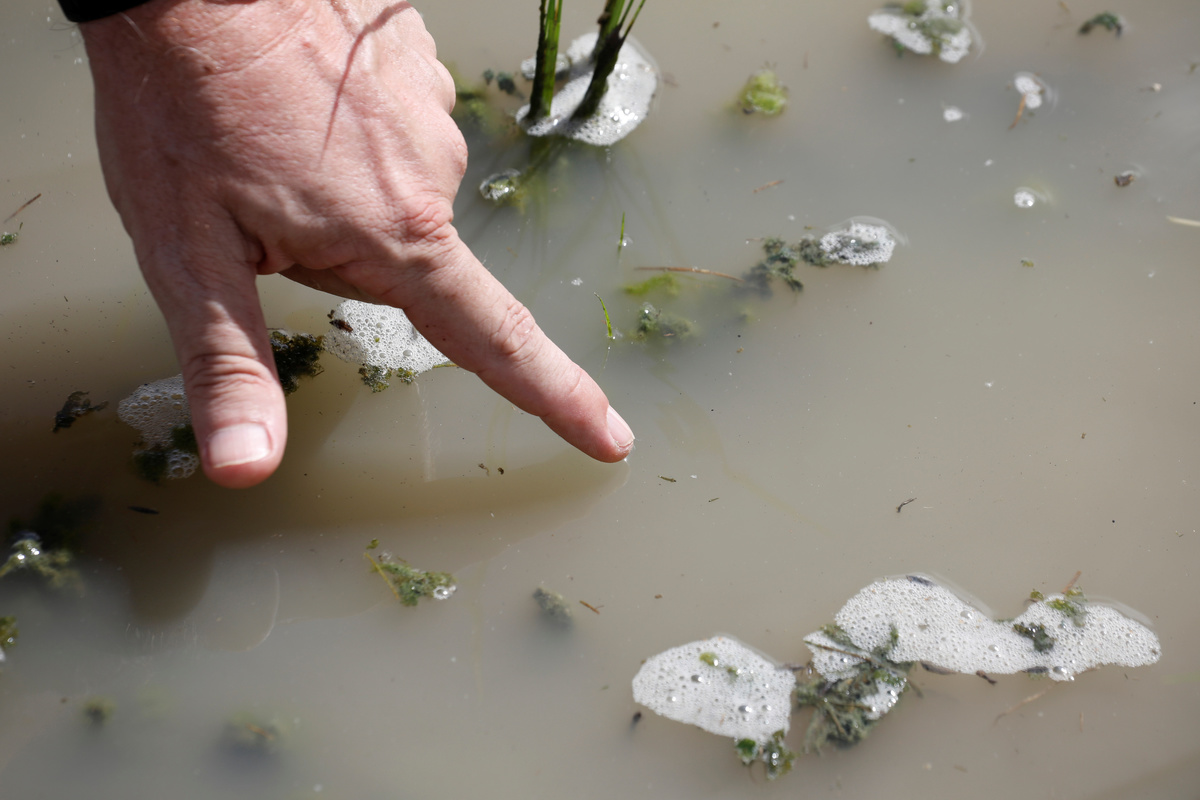
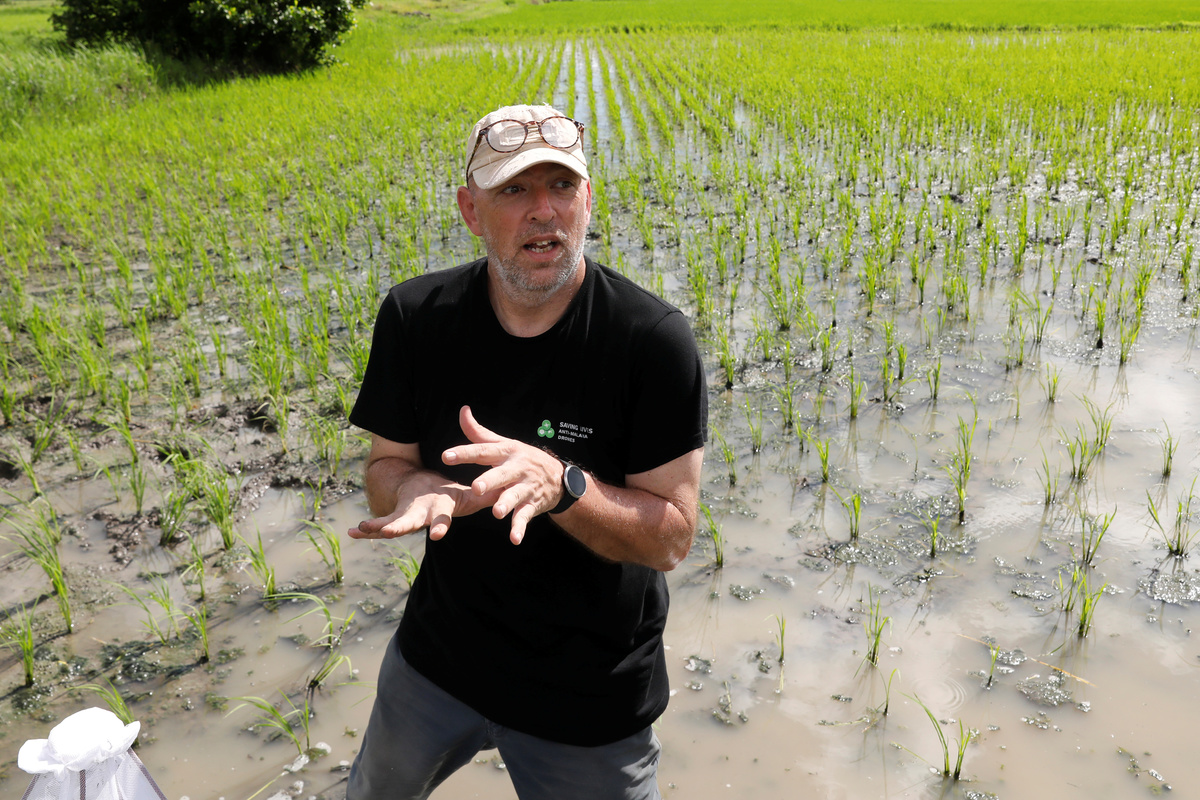
A customized DJI Agras MG-1S drone flies over a rice field during a pilots training flight, as part of a test in using drone technology in the fight against malaria, near Zanzibar City, on the island of Zanzibar, Tanzania, October 31, 2019. Picture taken October 31, 2019. REUTERS/Baz RatnerAnopheles mosquitoes are seen in a net placed in a rice field during a test in the use of drone technology in the fight against malaria near Zanzibar City, on the island of Zanzibar, Tanzania, October 30, 2019. Picture taken October 30, 2019. REUTERS/Baz RatnerMosquito Biologist Dr. Bart Knols speaks during a media interview regarding the use of drone technology in the fight against malaria, in a rice field near Zanzibar City, on the island of Zanzibar, Tanzania, October 30, 2019. Picture taken October 30, 2019. REUTERS/Baz RatnerDrone pilot watches a customized DJI Agras MG-1S drone fly over a rice field during a training flight being part of a test in using drone technology in the fight against malaria, near Zanzibar City, on the island of Zanzibar, Tanzania, October 31, 2019. Picture taken October 31, 2019. REUTERS/Baz RatnerA customized DJI Agras MG-1S drone sprays water over a rice field during a pilots training flight, as part of a test in using drone technology in the fight against malaria, near Zanzibar City, on the island of Zanzibar, Tanzania, October 31, 2019. Picture taken October 31, 2019. REUTERS/Baz RatnerA man dispenses fertiliser in a rice field, near Zanzibar City, on the island of Zanzibar, Tanzania, October 31, 2019. Picture taken October 31, 2019. REUTERS/Baz RatnerDrone pilot watches a customized DJI Agras MG-1S drone fly over a rice field during a training flight being part of a test in using drone technology in the fight against malaria, near Zanzibar City, on the island of Zanzibar, Tanzania, October 31, 2019. Picture taken October 31, 2019. REUTERS/Baz RatnerA man collects samples in a rice field during a test in the use of drone technology in the fight against malaria near Zanzibar City, on the island of Zanzibar, Tanzania, October 30, 2019. Picture taken October 30, 2019. REUTERS/Baz RatnerA customized DJI Agras MG-1S drone sprays water over a rice field during a pilots training flight, as part of a test in using drone technology in the fight against malaria, near Zanzibar City, on the island of Zanzibar, Tanzania, October 31, 2019. Picture taken October 31, 2019. REUTERS/Baz RatnerGuido Welter, an entrepreneur involved in testing the use of drone technology in the fight against malaria, speaks during an interview near Zanzibar City, on the island of Zanzibar, Tanzania, October 30, 2019. Picture taken October 30, 2019. REUTERS/Baz RatnerMosquito Biologist Dr. Bart Knols, points to an Anopheles mosquito larvae as he speaks on the use of drone technology in the fight against malaria, in a rice field near Zanzibar City, on the island of Zanzibar, Tanzania, October 30, 2019. Picture taken October 30, 2019. REUTERS/Baz RatnerTanzanian drone pilot Khadijah Abdulla Ali (R) flies a customized DJI Agras MG-1S drone next to DJI's Enterprise Product Manager Eduardo Rodriguez during a training flight as part of a test in using drone technology in the fight against malaria, near Zanzibar City, on the island of Zanzibar, Tanzania, October 31, 2019. Picture taken October 31, 2019. REUTERS/Baz RatnerA man demonstrates the effects of the Aquatain liquid solution during a test in the use of drone technology in the fight against malaria near Zanzibar City, on the island of Zanzibar, Tanzania, October 30, 2019. Picture taken October 30, 2019. REUTERS/Baz RatnerMosquito Biologist Dr. Bart Knols speaks during a media interview regarding the use of drone technology in the fight against malaria, in a rice field near Zanzibar City, on the island of Zanzibar, Tanzania, October 30, 2019. Picture taken October 30, 2019. REUTERS/Baz Ratner
Sign up to read this article
Read news from 100’s of titles, curated specifically for you.