Walking up with blurry vision is a terrifying experience for anyone starting a new medication. You probably trusted the clinical trials and the glowing reviews from celebrities online. However, the connection between weight-loss drugs and ocular health is becoming harder for experts to ignore. Recent studies suggest that the rapid changes in your body might come with a hidden price for your eyes. It is another example of a miracle cure having a side effect that nobody wanted to talk about.
The Link to NAION
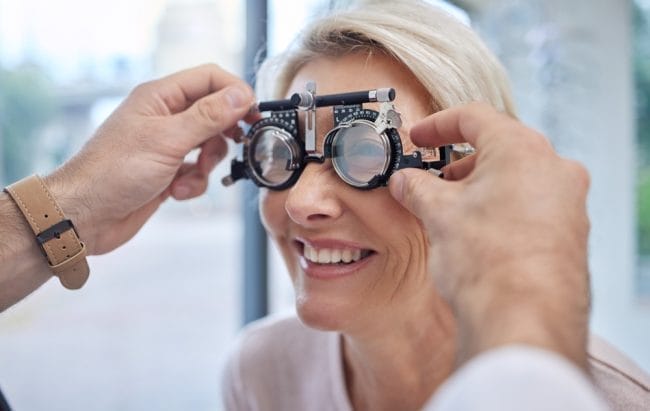
Medical researchers have identified a rare but serious condition that affects blood flow to the optic nerve. This issue seems to appear more frequently in individuals using semaglutide injections. On the other hand, the manufacturers often downplay these risks in favor of marketing the dramatic weight loss results. You are caught in the middle of a medical gold rush where long-term safety data is still being gathered. It feels like being a participant in a global experiment without a clear exit strategy.
Surprisingly, the warning labels on these pens are only now beginning to reflect the concerns of eye specialists. You deserve to know every potential outcome before you commit to a lifelong prescription. The health of your vision should never be a secondary thought in the quest for a lower number on the scale. Detailed reports on this condition can be found in this JAMA Ophthalmology study regarding NAION and semaglutide.
Rapid Metabolic Shifts and Eye Strain
Dropping significant weight in a short period forces your entire vascular system to recalibrate. Your eyes are incredibly sensitive to changes in blood sugar and nutrient levels. This sudden shift can lead to temporary or permanent changes in how your retina functions. Consequently, the very drug meant to improve your health could be straining your most vital senses. The system prioritizes the visible results of weight loss over the invisible health of your internal organs.
Nobody told you that changing your metabolism so quickly could impact your sight. These risks are often buried in the fine print of massive pharmaceutical documents. You are not wrong for wanting to feel better, but you are being denied the full picture of the risks involved. Reviewing the FDA Adverse Event Reporting System (FAERS) provides the most current updates on these emerging concerns.
The Visible Price of Weight Loss
Choosing between your physical appearance and your long-term vision is a choice nobody should have to make. The pressure to conform to certain body standards often blinds us to the dangers of new medical trends. You must be your own advocate in a healthcare system that values profit and speed. Protect your future by looking past the hype and focusing on what your body is trying to tell you. If you need more information on protecting your sight, the American Academy of Ophthalmology provides specific guidance for patients on these medications.
If you knew a weight loss medication could permanently affect your vision, would you still choose to take it? Leave a comment below with your thoughts on whether the benefits outweigh these hidden risks.
What to Read Next…
- The GLP-1 Signal: How Your Body’s Blood Sugar Response Affects Long-Term Brain Health
- 8 Symptoms Eye Doctors Say May Signal “Silent” Glaucoma in Younger Adults
- San Diego Health Alert: New Measles Guidance Issued for California Clinicians
The post Researchers Examine Possible Vision-Related Risks in Wegovy Users appeared first on Budget and the Bees.