Researchers double U.S. COVID-19 death forecast, citing eased restrictions
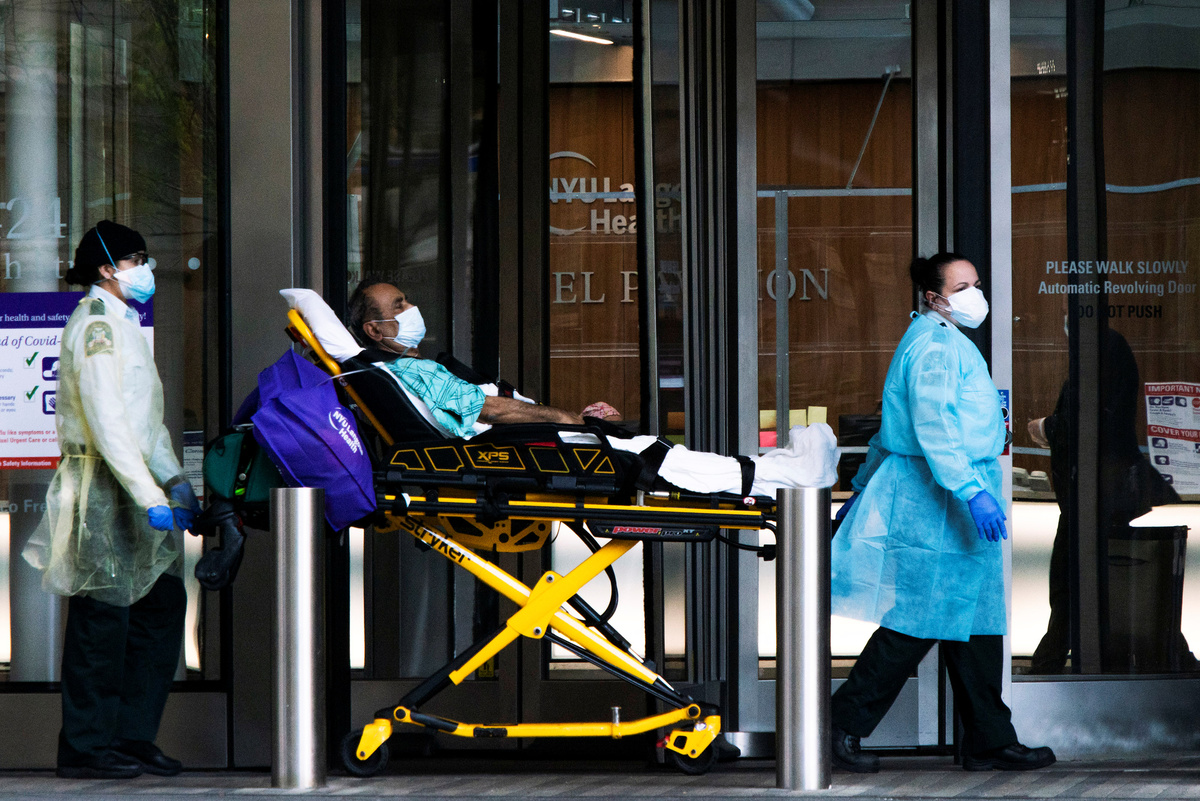
FILE PHOTO: Health workers move a patient wearing a face mask at the at NYU Langone Hospital, during the outbreak of the coronavirus disease (COVID-19) in the Manhattan borough of New York City, New York, U.S., May 3, 2020. REUTERS/Eduardo Munoz
A newly revised coronavirus mortality model predicts nearly 135,000 Americans will die from COVID-19 by early August, almost double previous projections, as social-distancing measures for quelling the pandemic are increasingly relaxed, researchers said on Monday.
The ominous new forecast from the University of Washington's Institute for Health Metrics and Evaluation (IHME) reflect "rising mobility in most U.S. states" with an easing of business closures and stay-at-home orders expected in 31 states by May 11, the institute said.
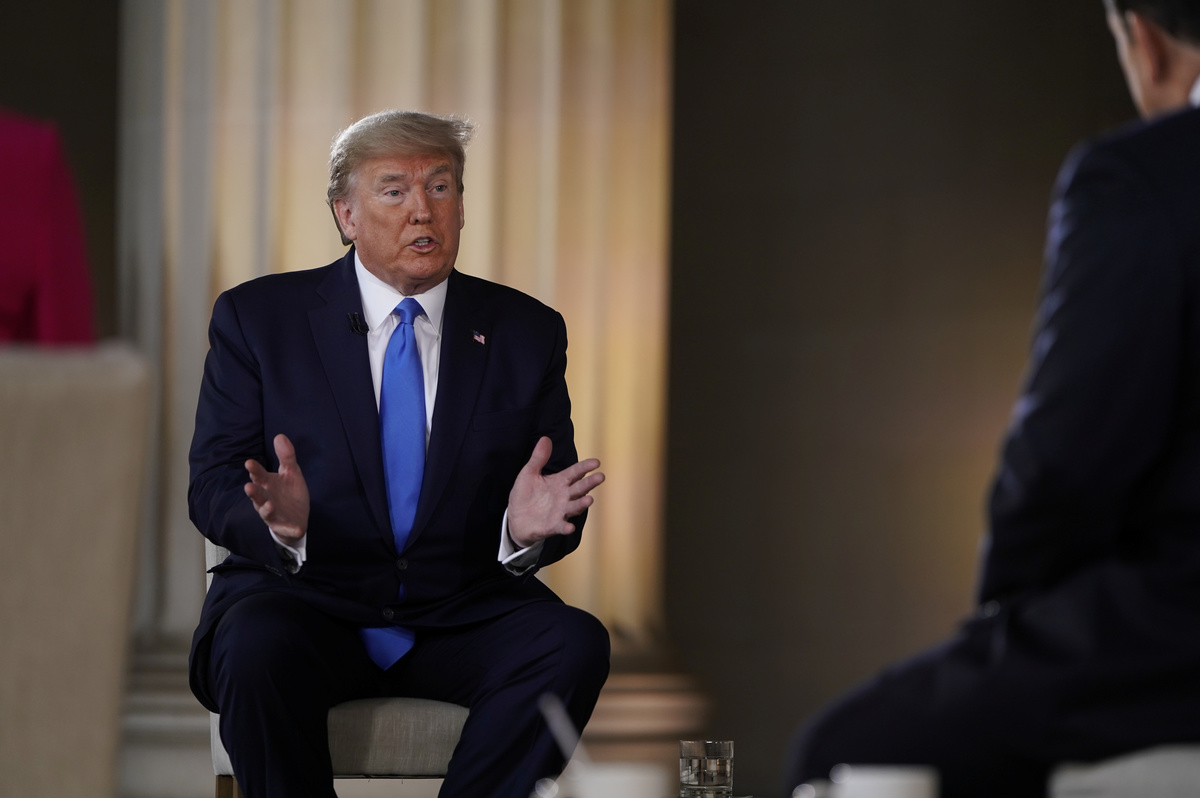
U.S. President Donald Trump participates in a live Fox News Channel virtual town hall called "America Together: Returning to Work" about response to the coronavirus disease (COVID-19) pandemic being broadcast from inside the Lincoln Memorial in Washington, U.S. May 3, 2020. REUTERS/Joshua Roberts
"We expect that the epidemic in many states will now extend through the summer," the IHME director, Dr. Christopher Murray, said in a statement.
The projections reinforced warnings from public health experts that a rising clamor to lift restrictions on commerce and social activities - in hopes of healing a ravaged economy - could exact a staggering cost in terms of human lives.
The novel coronavirus is already known to have infected almost 1.2 million people in the United States, including 68,762 who have died from COVID-19, the respiratory illness it causes, according to Reuters' own tally.
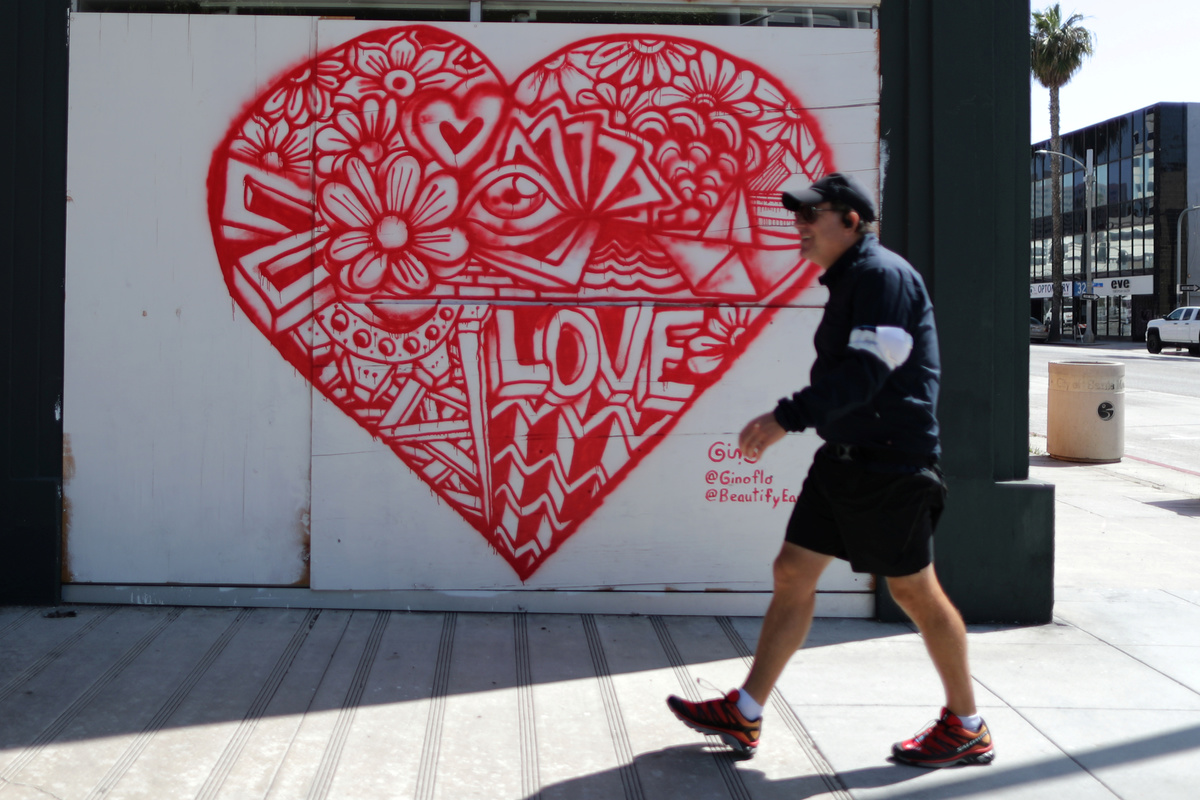
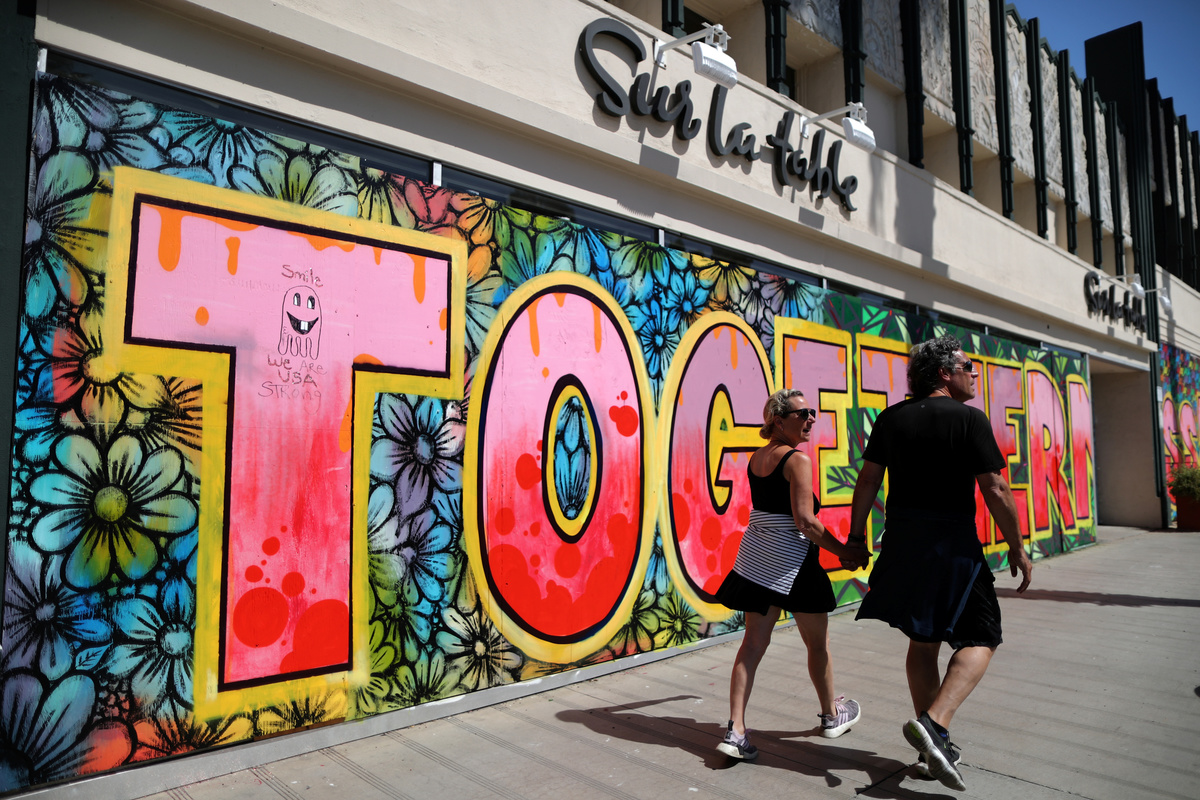
A man walks past a mural that is part of the campaign to create 1,000 murals on closed businesses, created by the company Beautify, as the global outbreak of the coronavirus disease (COVID-19) continues, in Santa Monica, California, U.S., May 4, 2020. REUTERS/Lucy Nicholson
The institute's predictive coronavirus model, periodically revised to account for changing circumstances and scientific insights surrounding the pandemic, has become an influential data point often cited by the White House and public health authorities in gauging the crisis.
The IHME projections are presented as a statistical range of outcomes. The latest forecast predicts the cumulative number of U.S. deaths from COVID-19 will run from as few as 95,092 to as many as 242,890 by Aug. 4 - with 134,475 lives lost representing the most likely, middle ground.
By comparison, the previous revision issued on April 29 put the middle-case figure at 72,400 deaths, within a range between 59,300 and 114,200 fatalities.
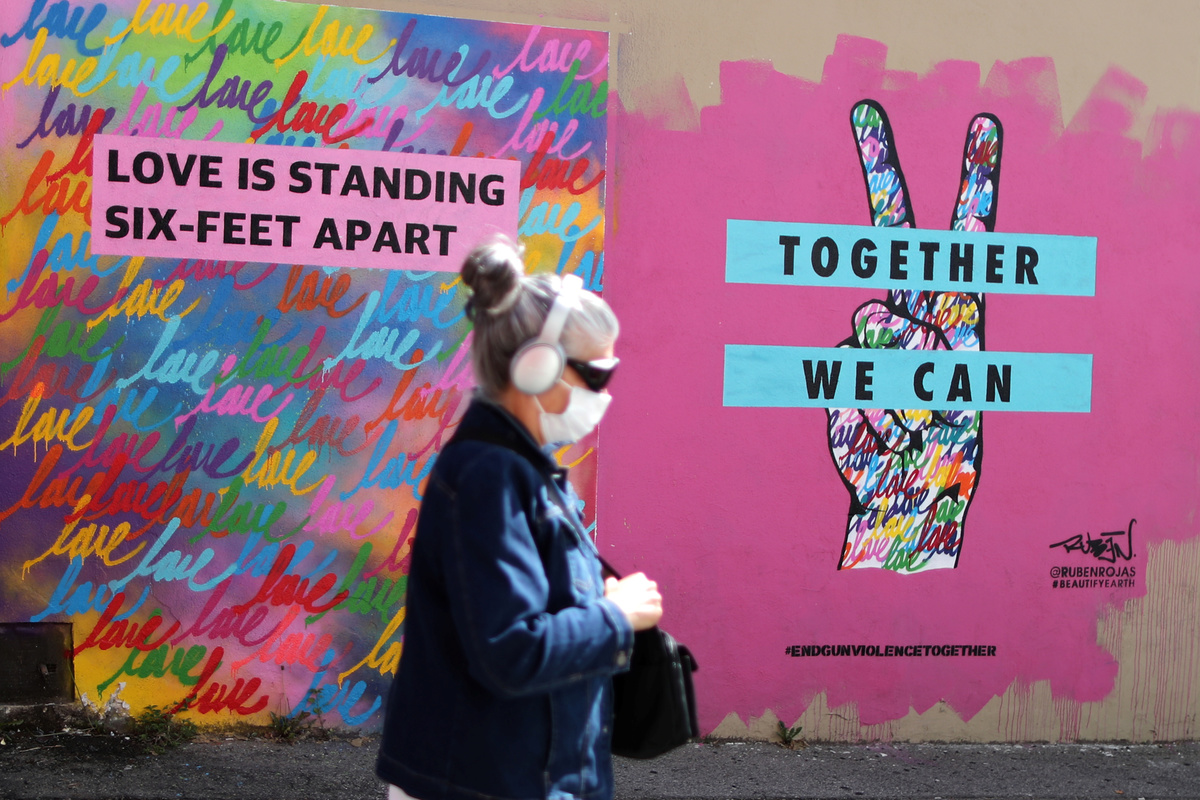
A woman walks past a mural painted by Ruben Rojas as part of the campaign to create 1,000 murals on closed businesses, created by the company Beautify, as the global outbreak of the coronavirus disease (COVID-19) continues, in Santa Monica, California, U.S., May 4, 2020. REUTERS/Lucy Nicholson
EASED SOCIAL DISTANCING
The upward spike reflects increasing human interactions as more states begin to ease social-distancing requirements - the chief public health tool available to curb the spread of a highly contagious virus for which there is no vaccine and no cure.
The relaxation of social-distancing rules will more than offset any decline in transmissions that might come from warmer weather and stronger containment measures, such as more wide-scale testing and tracing the contacts of infected people so they too can be tested and isolated, Murray said.
People walk past a mural that is part of the campaign to create 1,000 murals on closed businesses, created by the company Beautify, as the global outbreak of the coronavirus disease (COVID-19) continues, in Santa Monica, California, U.S., May 4, 2020. REUTERS/Lucy Nicholson
The revised IHME projections coincided with disclosure of an internal Trump administration forecast predicting a surge in COVID-19 cases killing 3,000 Americans a day by the end of May, up from a current daily toll that a Reuters tally places at around 2,000.
That projection, first reported by the New York Times and confirmed by a Reuters source, also forecast about 200,000 new coronavirus cases each day by the end of the month, up from the current rate of about 25,000 cases every 24 hours.
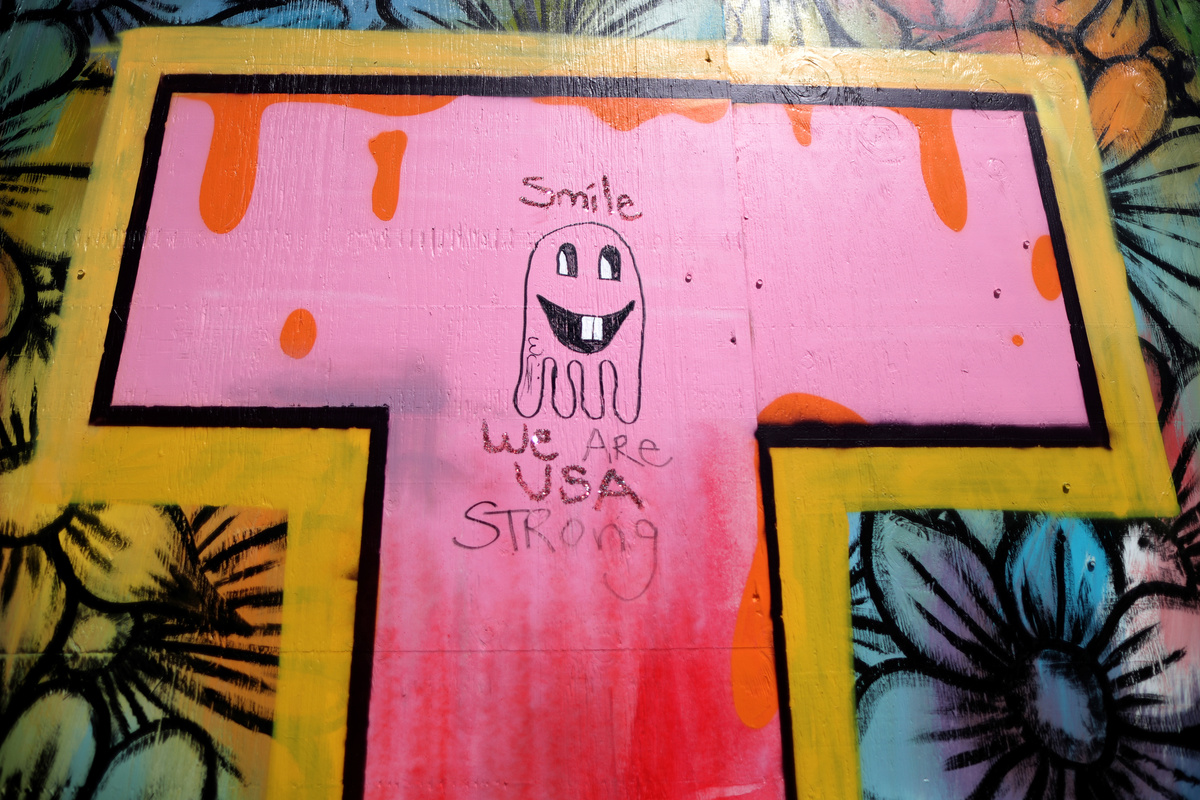
Graffiti is seen on a boarded-up store as the global outbreak of the coronavirus disease (COVID-19) continues, in Santa Monica, California, U.S., May 4, 2020. REUTERS/Lucy Nicholson
TRUMP'S PREDICTIONS
Asked about the confidential forecast, White House spokesman Judd Deere said: “This is not a White House document, nor has it been presented to the Coronavirus Task Force or gone through interagency vetting."
President Donald Trump has given varying predictions for the number of people in the United States who will succumb to COVID-19. As recently as Friday, he said he hoped fewer than 100,000 Americans would die, and had talked last week of 60,000 to 70,000 deaths.
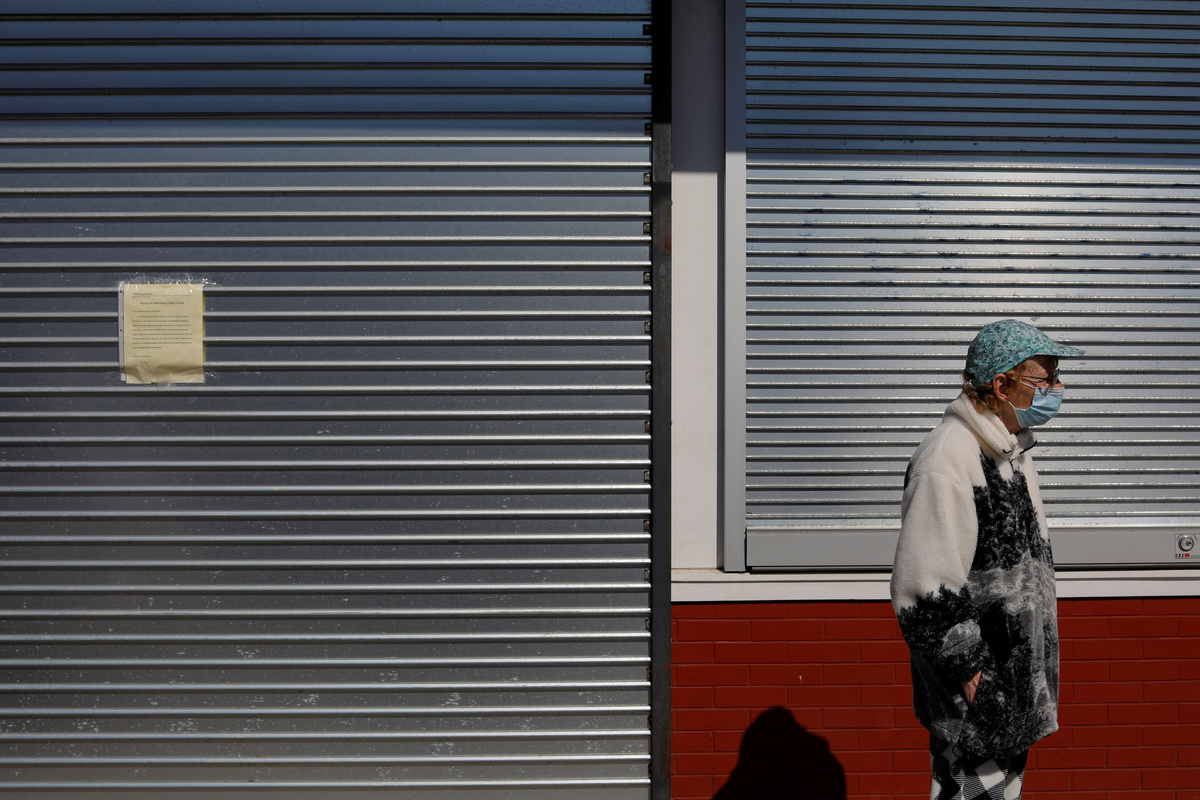
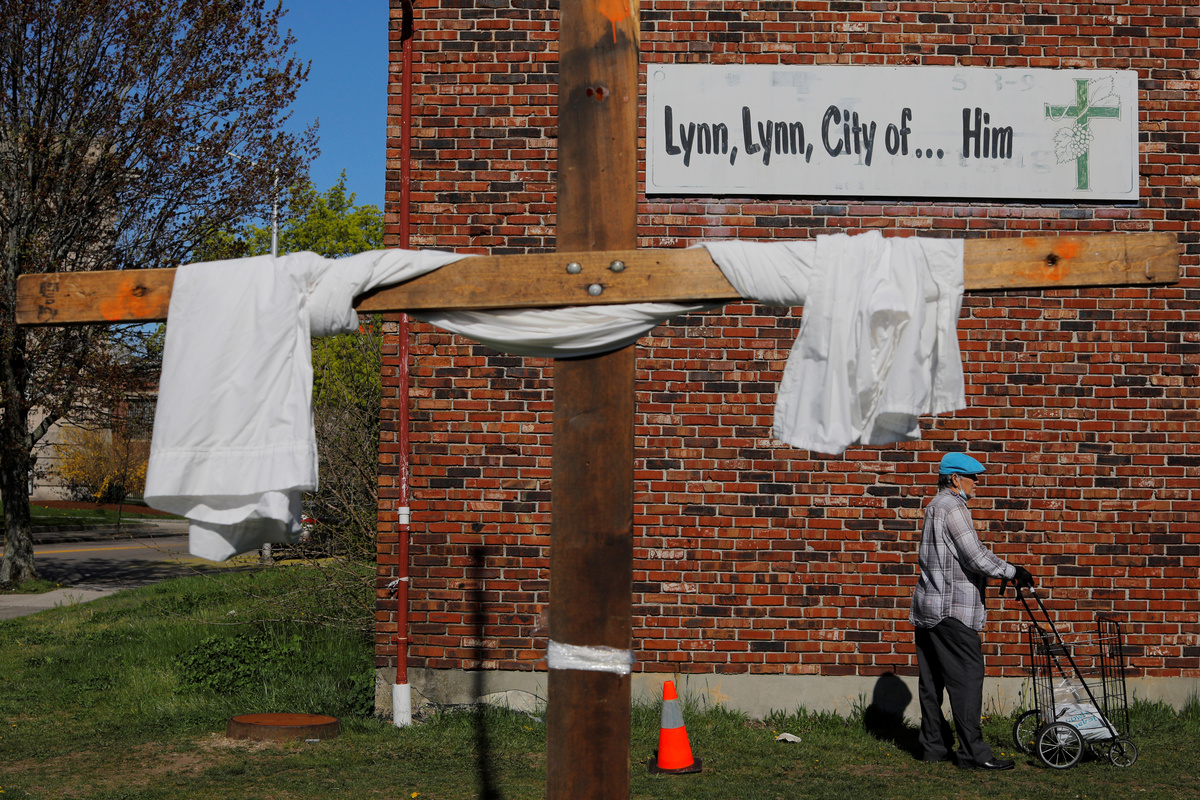
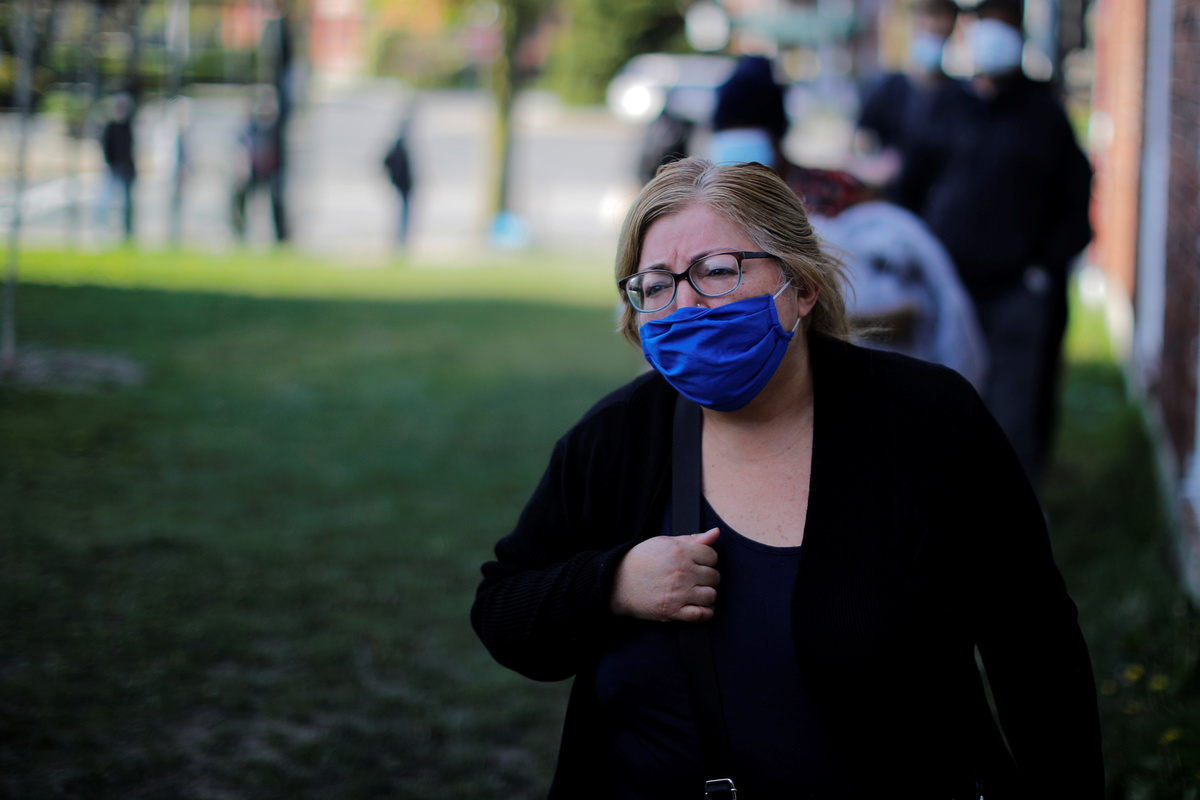
A woman waits in front of a closed and shuttered storefront amid the coronavirus disease (COVID-19) outbreak in Lynn, Massachusetts, U.S., May 4, 2020. REUTERS/Brian Snyder
But on Sunday night, the president acknowledged the death toll may climb much higher.
“We’re going to lose anywhere from 75, 80 to 100,000 people. That’s a horrible thing,” he told Fox News.
In New York, the state that accounts for about a third of all U.S. infections, Governor Andrew Cuomo on Monday outlined plans to ease restrictions on a regional basis.
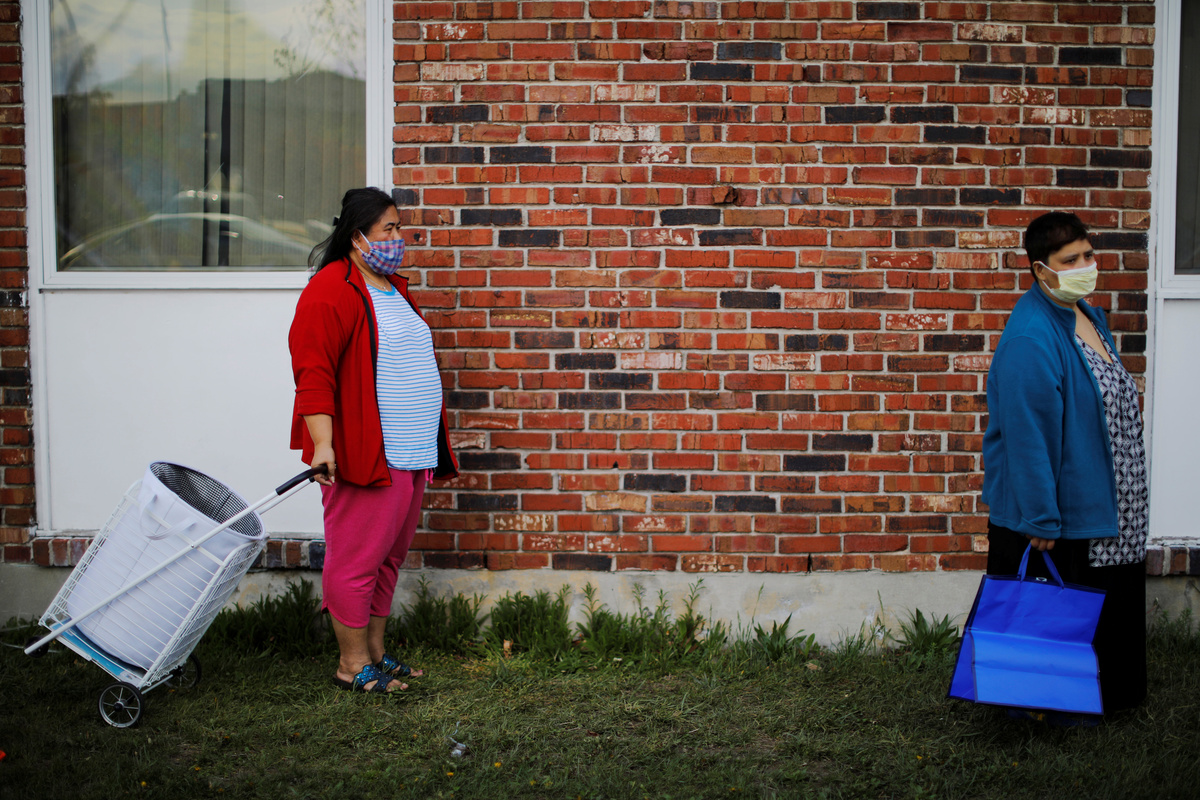
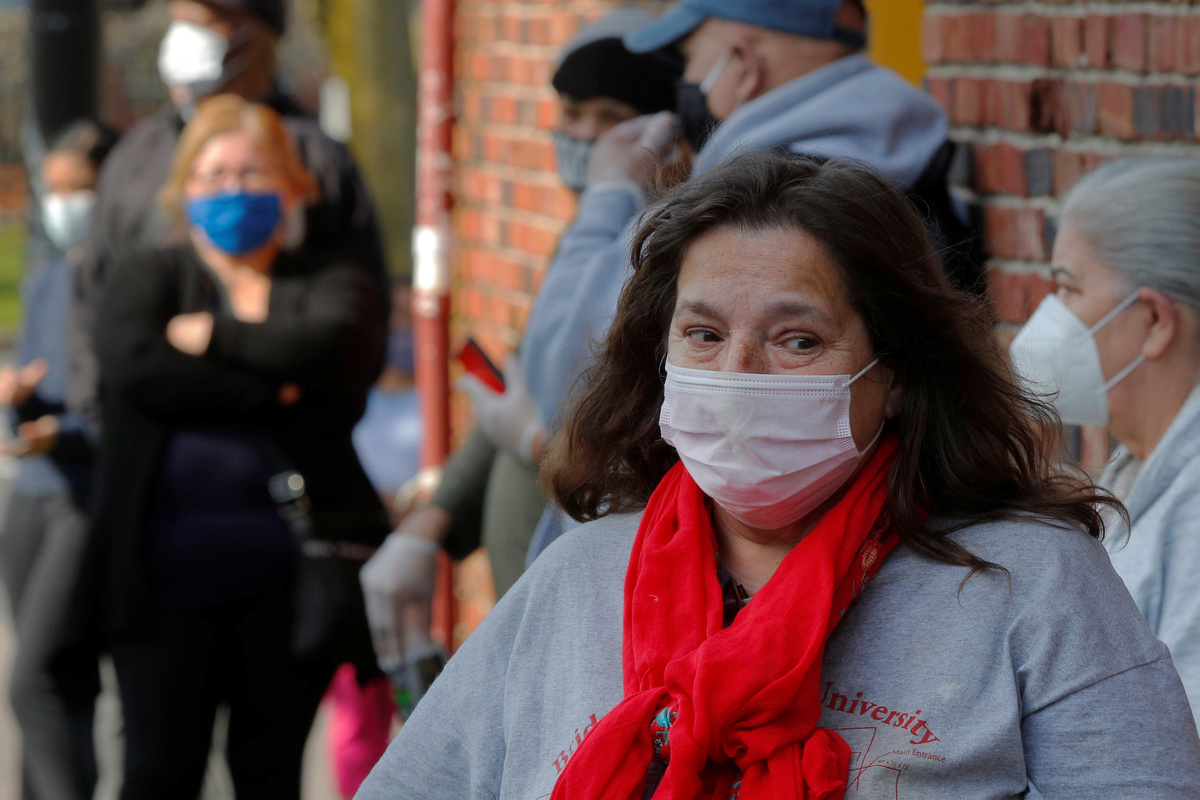
Residents wait in line for free groceries distributed by the Salvation Army food pantry, which reports an increase from an average of 60 meals to 500 meals per day given out at the facility, amid the coronavirus disease (COVID-19) outbreak in Lynn, Massachusetts, U.S., May 4, 2020. REUTERS/Brian Snyder
GRAPHIC: World-focused tracker with country-by-country interactive - https://graphics.reuters.com/HEALTH-CORONAVIRUS/COUNTRIES/oakveqlyvrd/index.html?id=united-kingdom
Without giving a specific time frame, Cuomo told a daily briefing that construction, manufacturing and the wholesale supply chain would be allowed to start up under the first phase of a four-step return to normality.
Residents wait in line for free groceries distributed by the Salvation Army food pantry, which reports an increase from an average of 60 meals to 500 meals per day given out at the facility, amid the coronavirus disease (COVID-19) outbreak in Lynn, Massachusetts, U.S., May 4, 2020. REUTERS/Brian Snyder
A second phase would permit insurance, retail, administrative support and real estate businesses to open again, followed by restaurants, food services, hotels and accommodation businesses in the third stage, Cuomo said. In the final phase, arts, entertainment and recreation facilities and education would restart.
Cuomo suggested that rural parts of New York might be relaxed ahead of "higher-risk regions," including New York City.
California Governor Gavin Newsom said on Monday he would ease the state's stay-at-home orders by Thursday, expanding the number of retail businesses that can provide curbside services.
A man waits in line for free groceries distributed by the Salvation Army food pantry, which reports an increase from an average of 60 meals to 500 meals per day given out at the facility, amid the coronavirus disease (COVID-19) outbreak in Lynn, Massachusetts, U.S., May 4, 2020. REUTERS/Brian Snyder
"This is an optimistic day, as we see a little bit of a ray of sunshine," Newsom told a news conference.
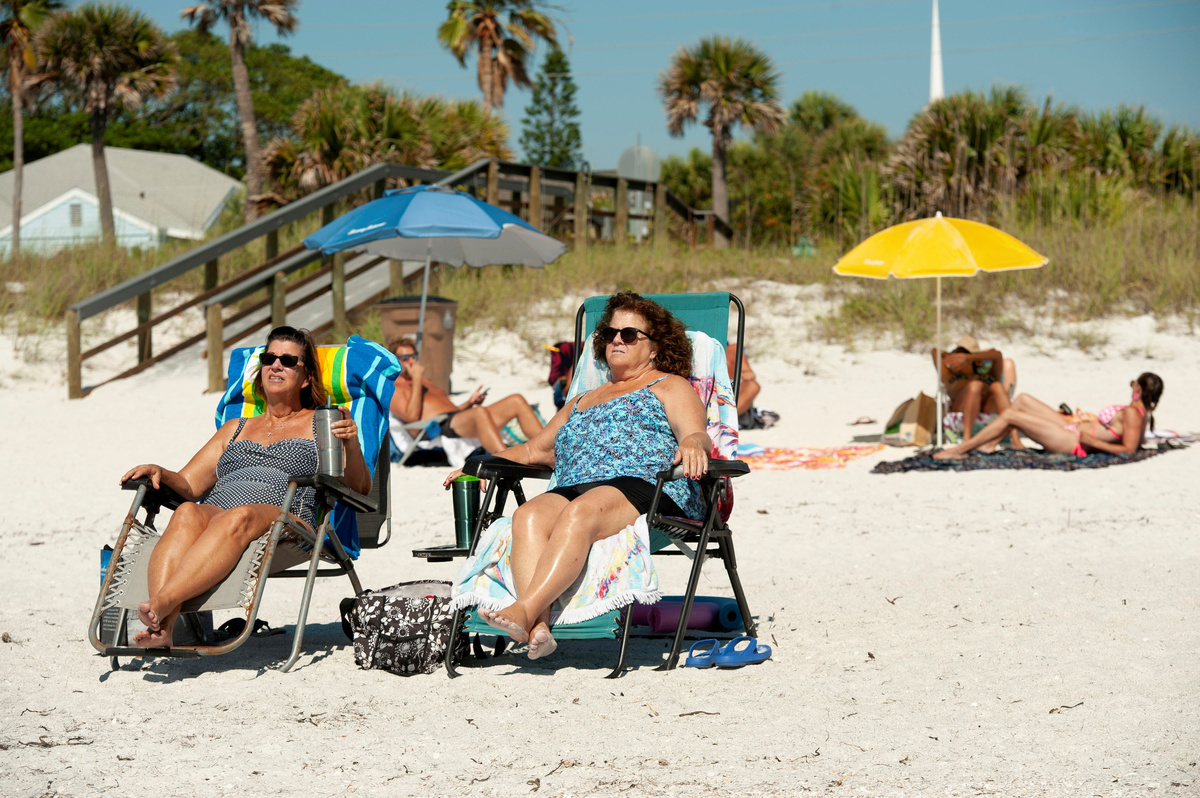
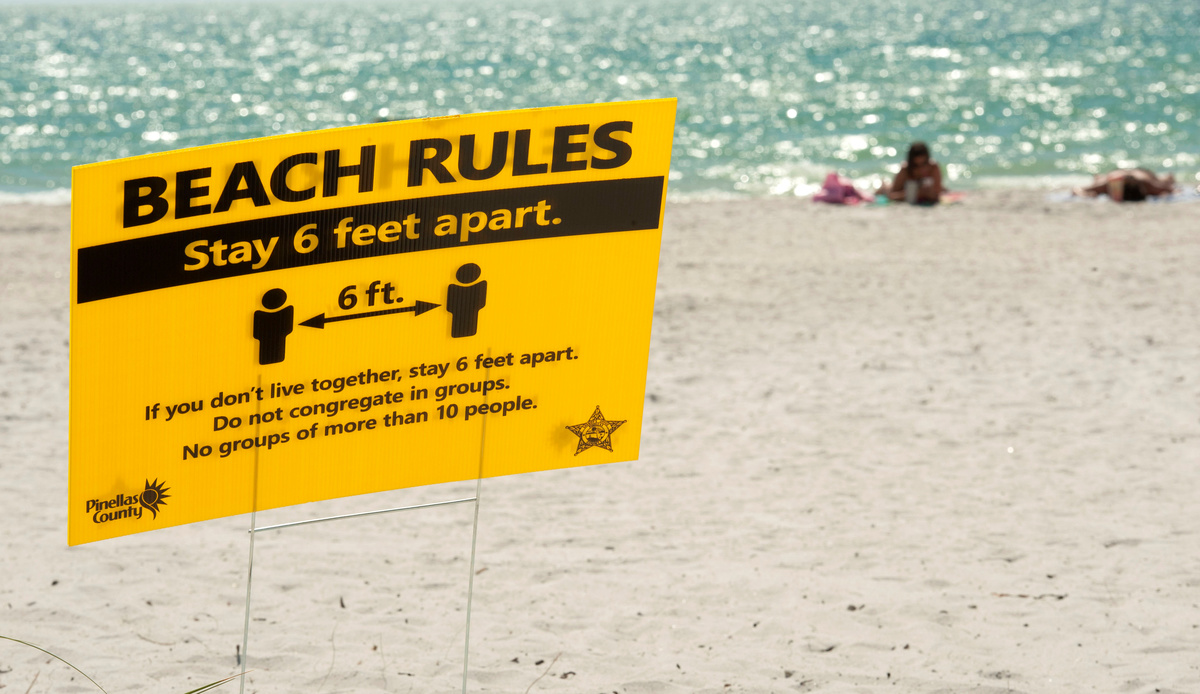
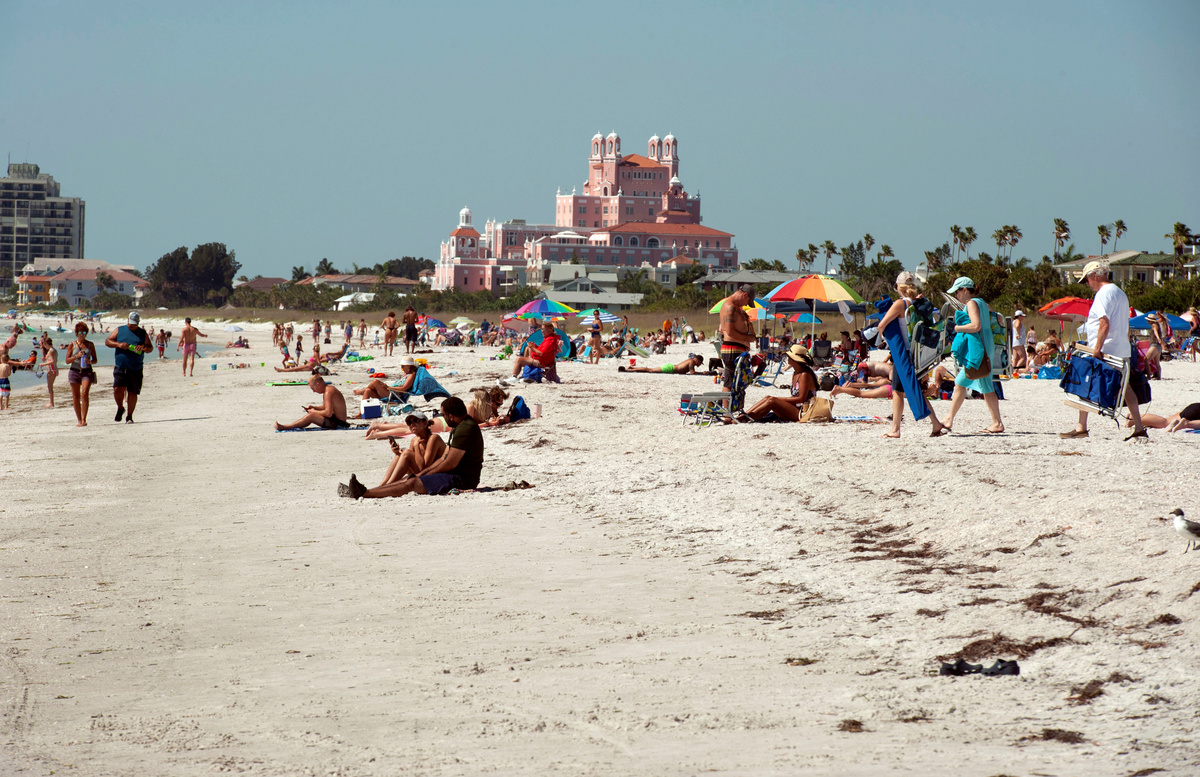
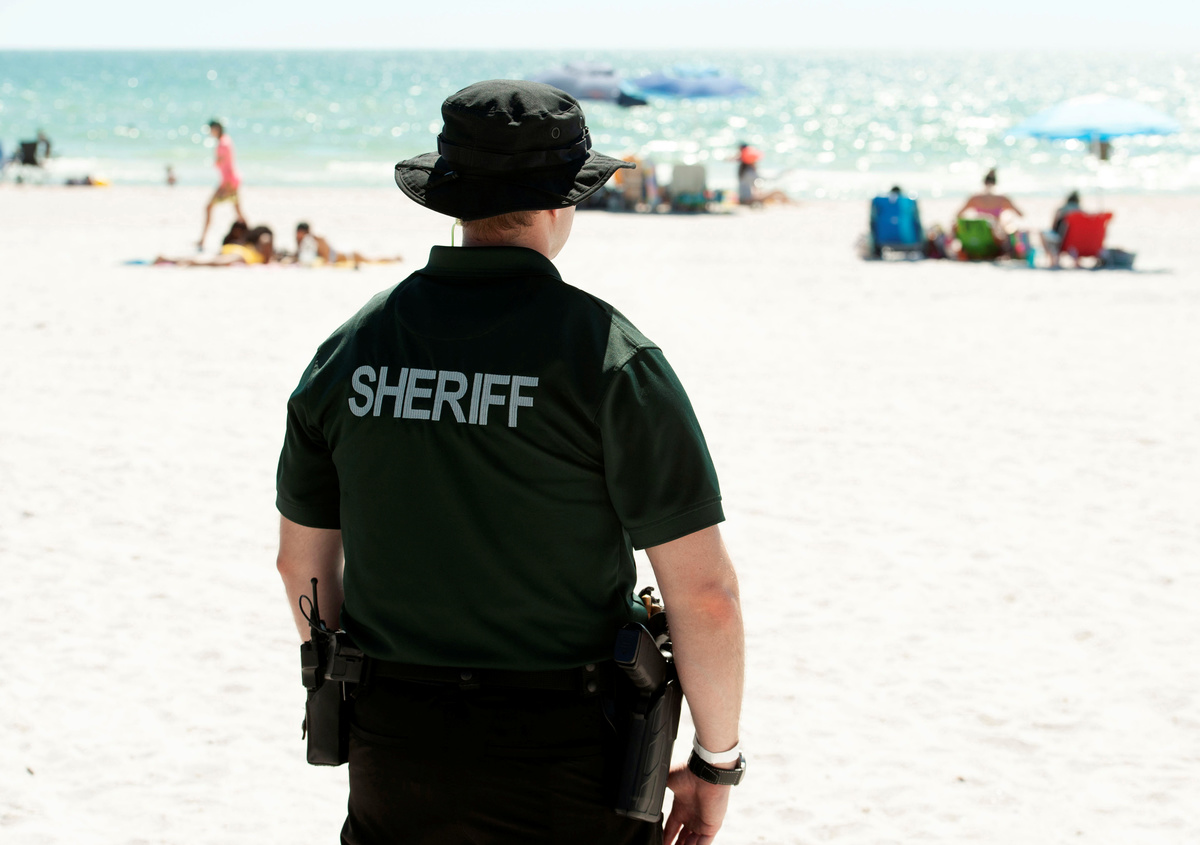
Florida began a gradual restart of its economy on Monday. In the first phase, retail merchants and restaurants will open, with indoor patronage limited to 25% of capacity. Eateries are also allowed to open outdoor seating with social distancing, and medical practices can resume elective surgeries and procedures.
In Ohio, Governor Mike DeWine was allowing construction and manufacturing to reopen on Monday, and letting office workers return.
Residents wait in line for free groceries distributed by the Salvation Army food pantry, which reports an increase from an average of 60 meals to 500 meals per day given out at the facility, amid the coronavirus disease (COVID-19) outbreak in Lynn, Massachusetts, U.S., May 4, 2020. REUTERS/Brian Snyder
GRAPHIC: Tracking the novel coronavirus in the U.S. - https://graphics.reuters.com/HEALTH-CORONAVIRUS-USA/0100B5K8423/index.html
(Reporting by Maria Caspani in New York, Rajesh Kumar Singh in Chicago and Nathan Layne in Connecticut; Additional reporting by Susan Heavey in Washington, Dan Whitcomb in Los Angeles and Rich MacKay in Atlanta; Writing by Alistair Bell and Steve Gorman; Editing by Bill Tarrant, Cynthia Osterman and Peter Cooney)
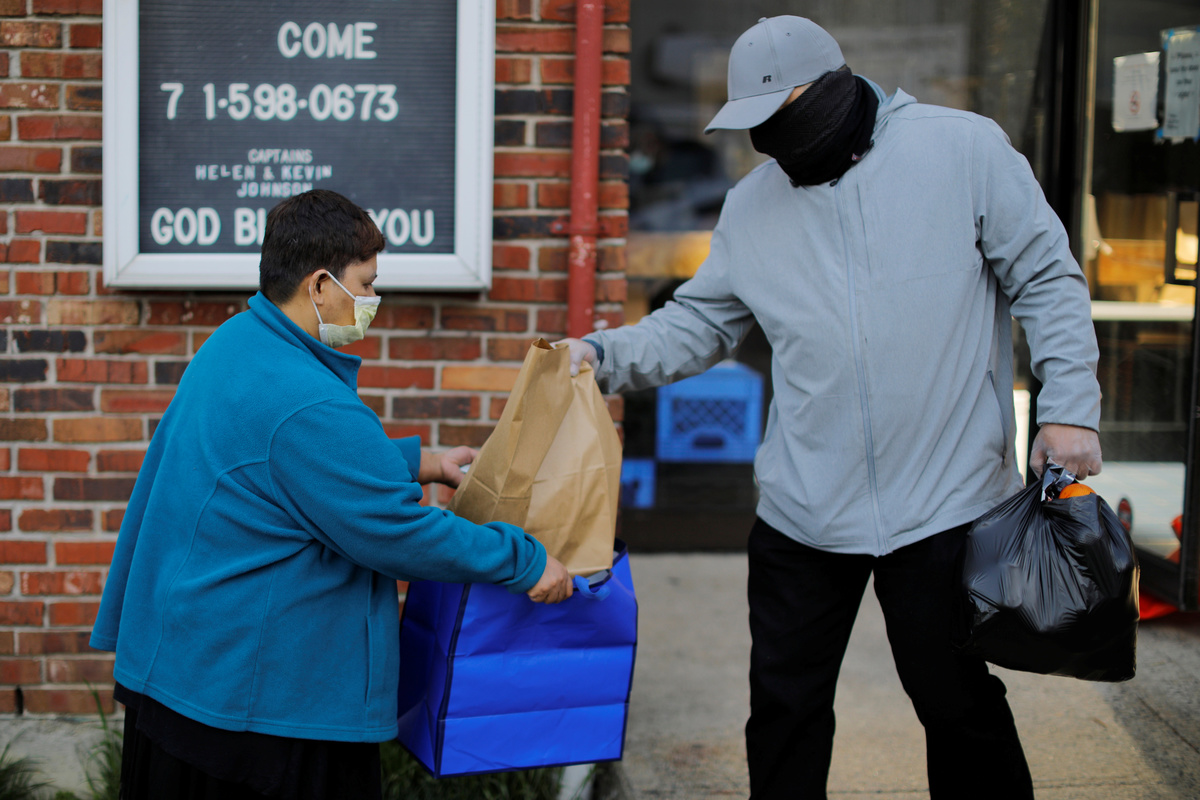
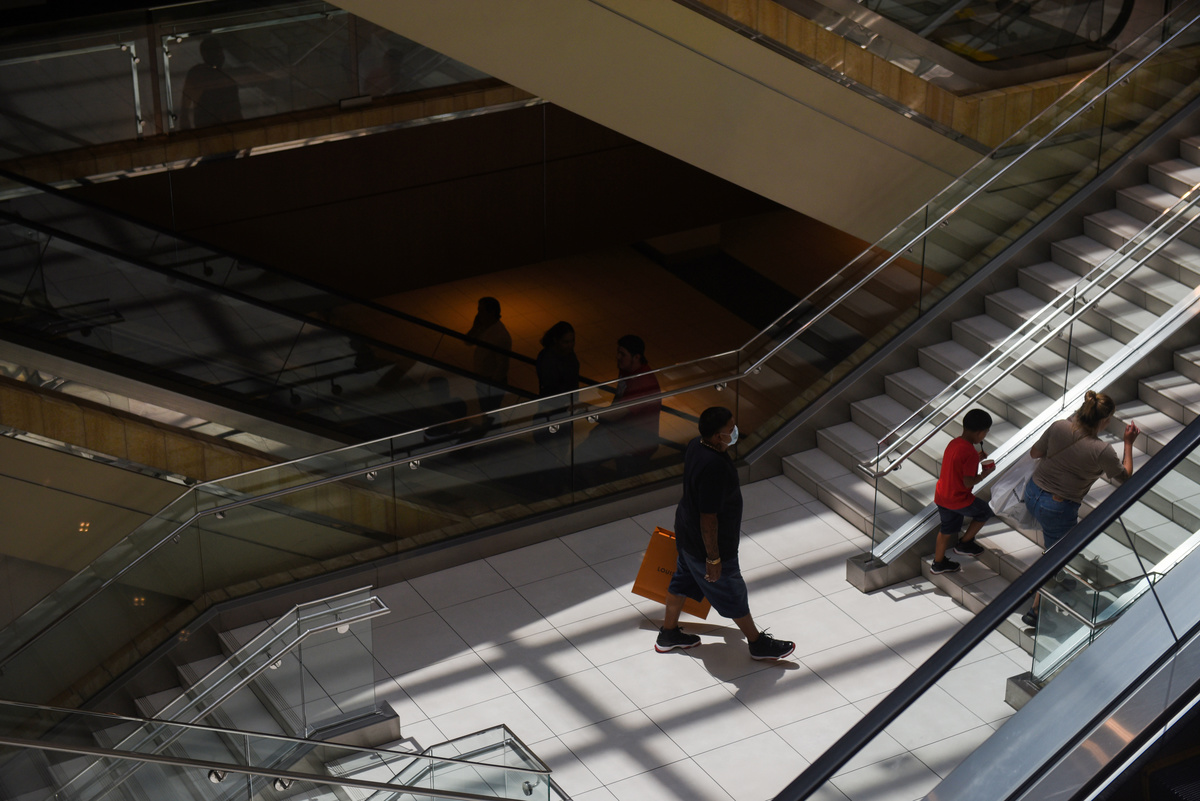
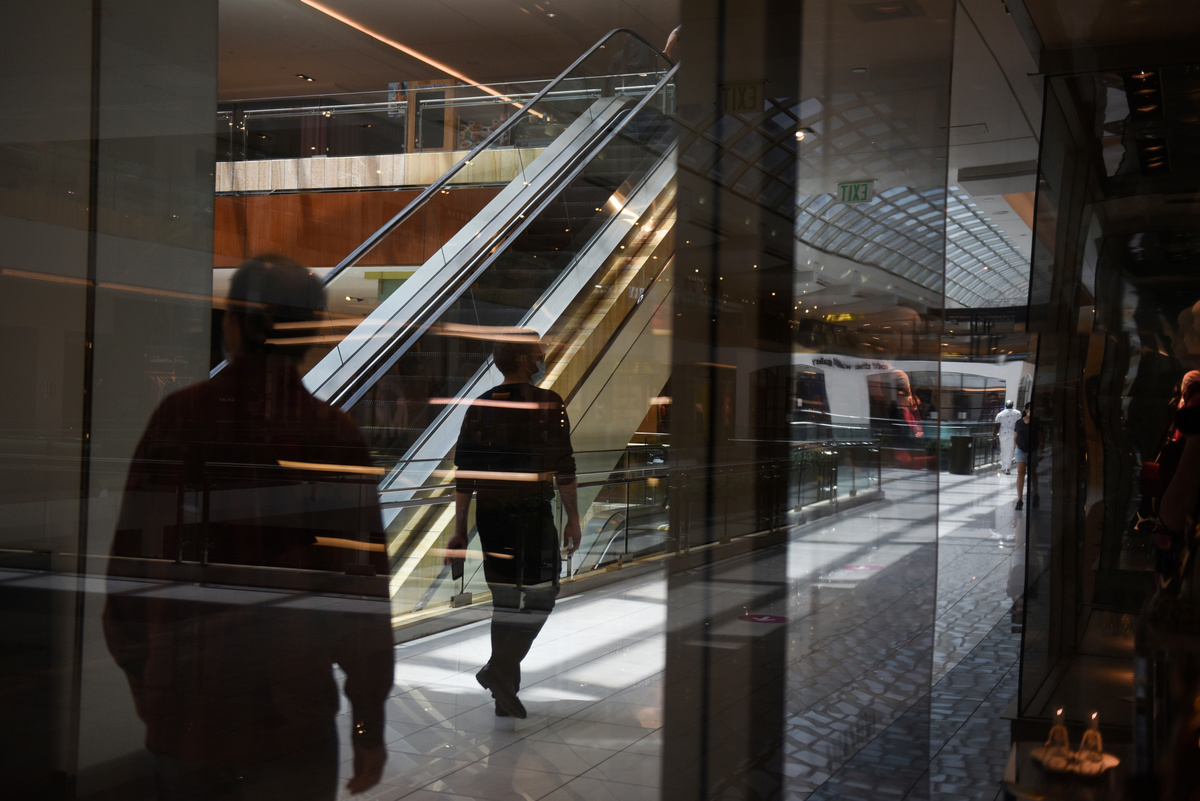
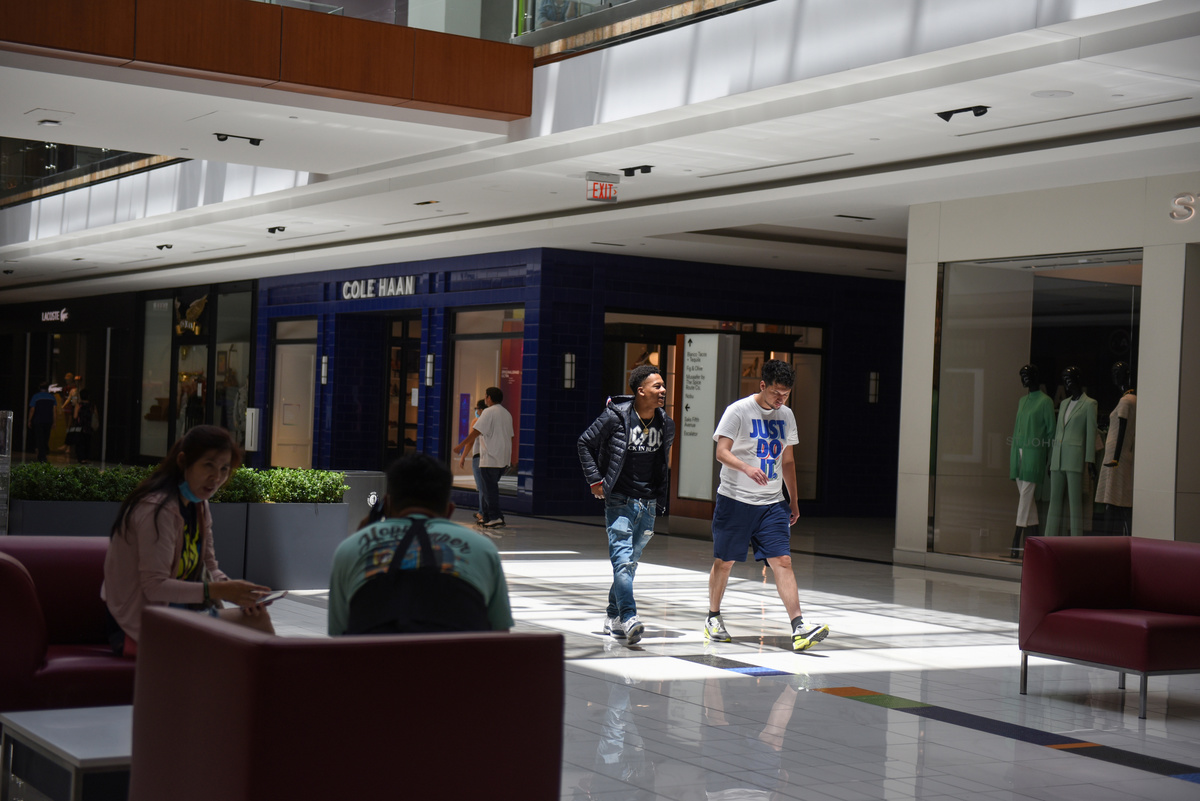
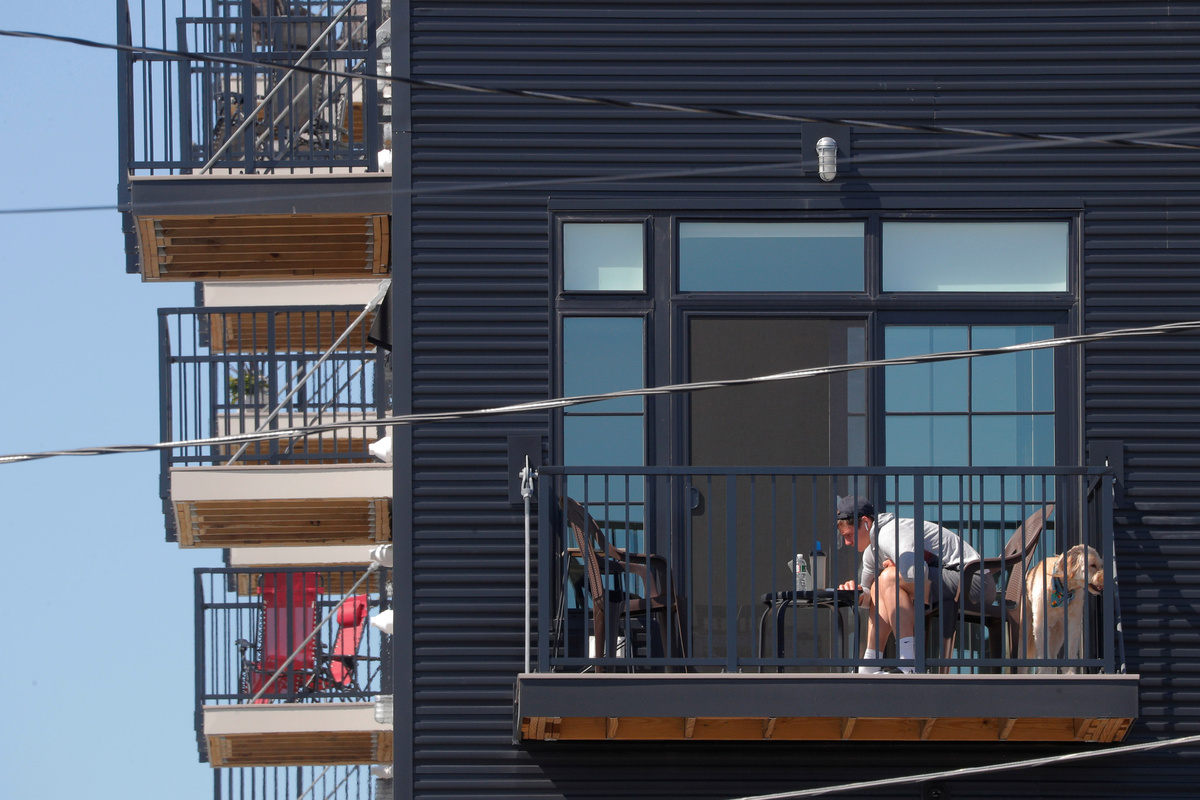
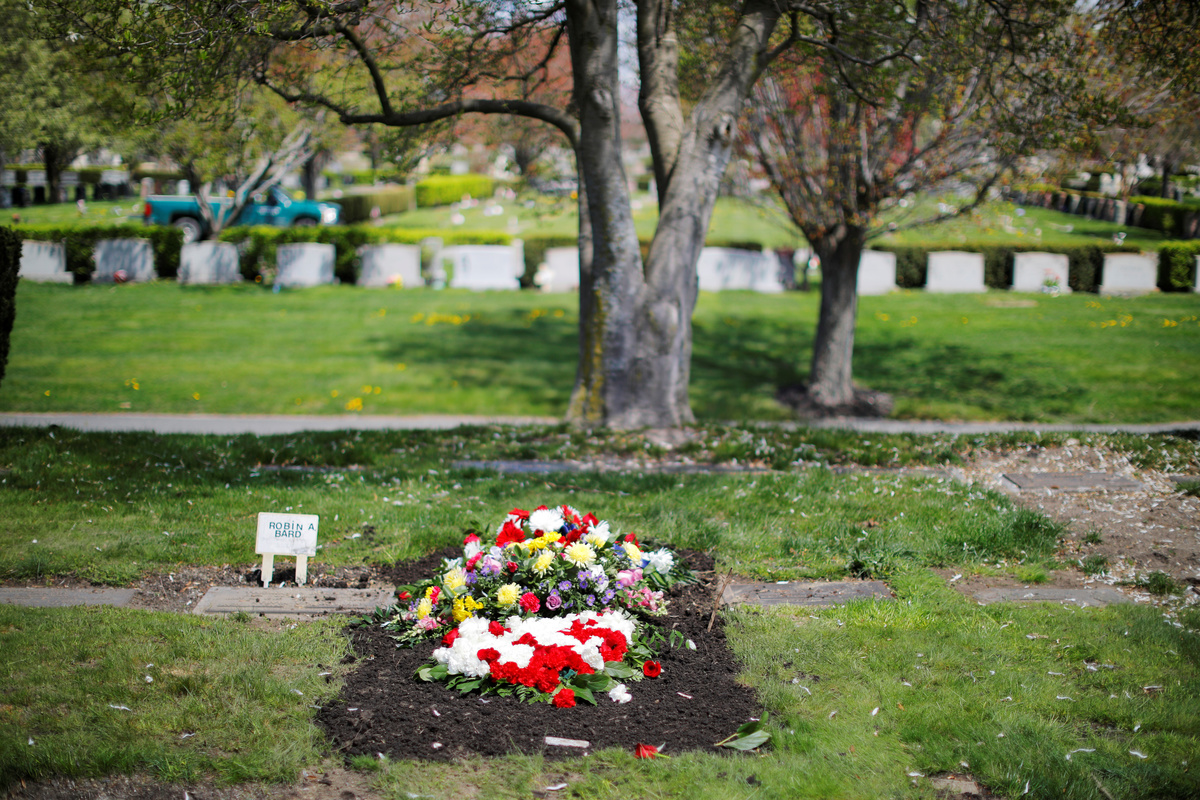
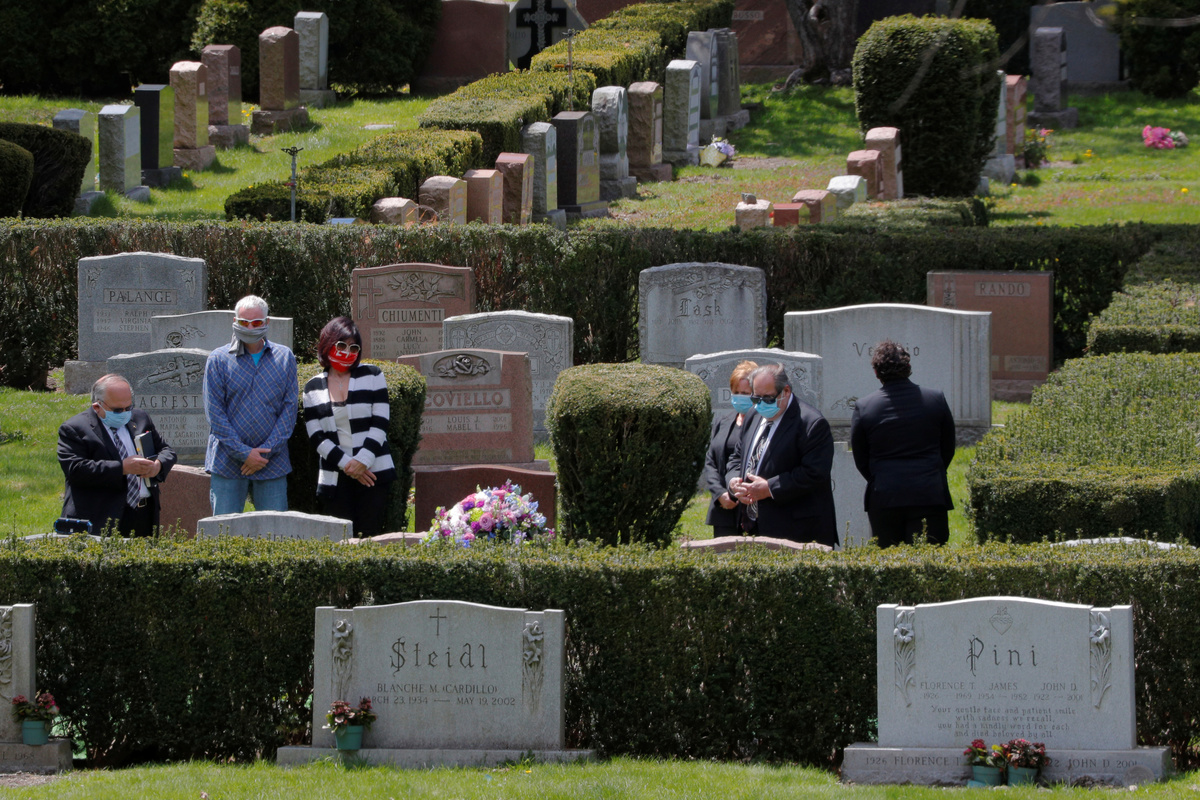
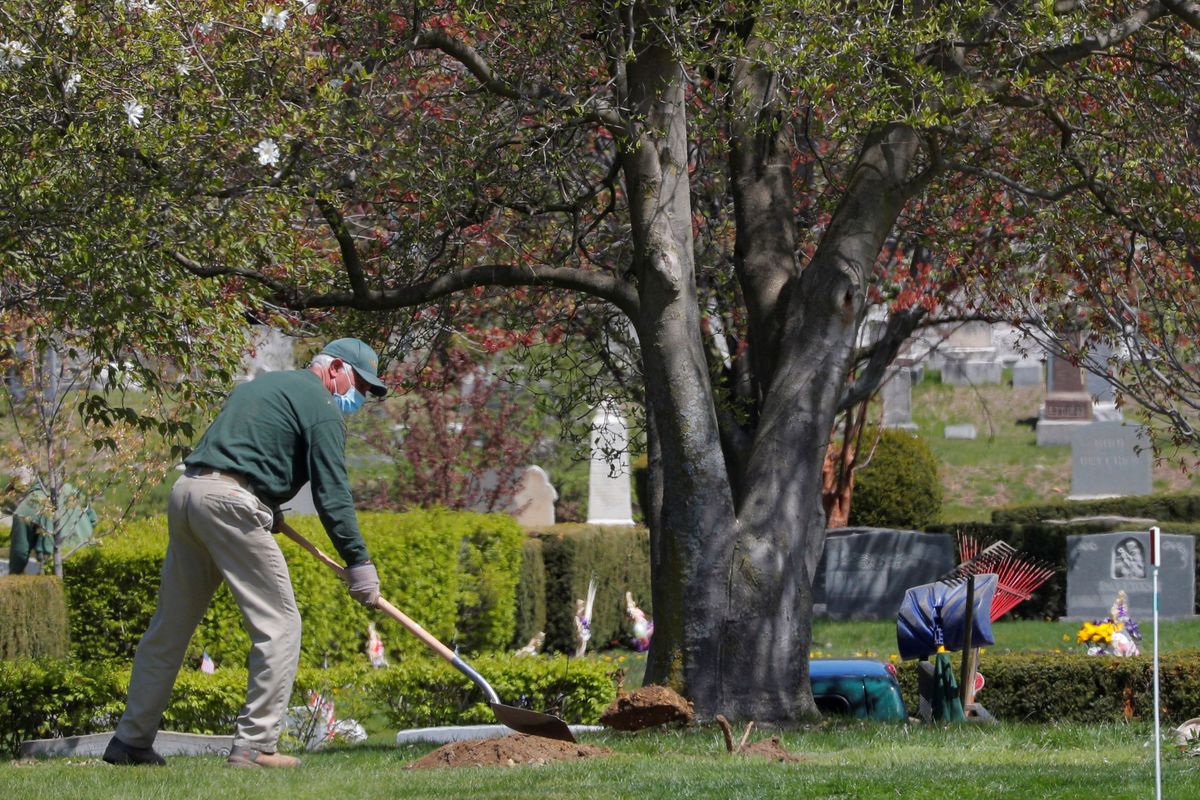
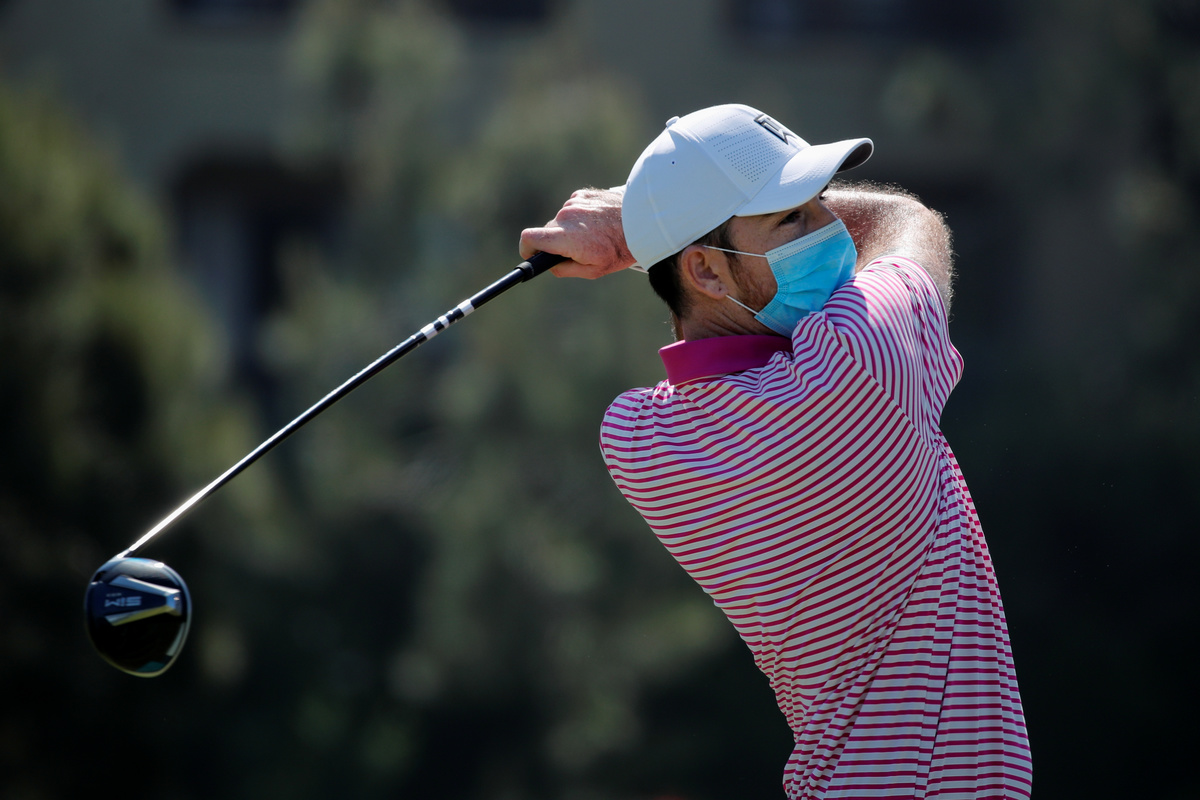
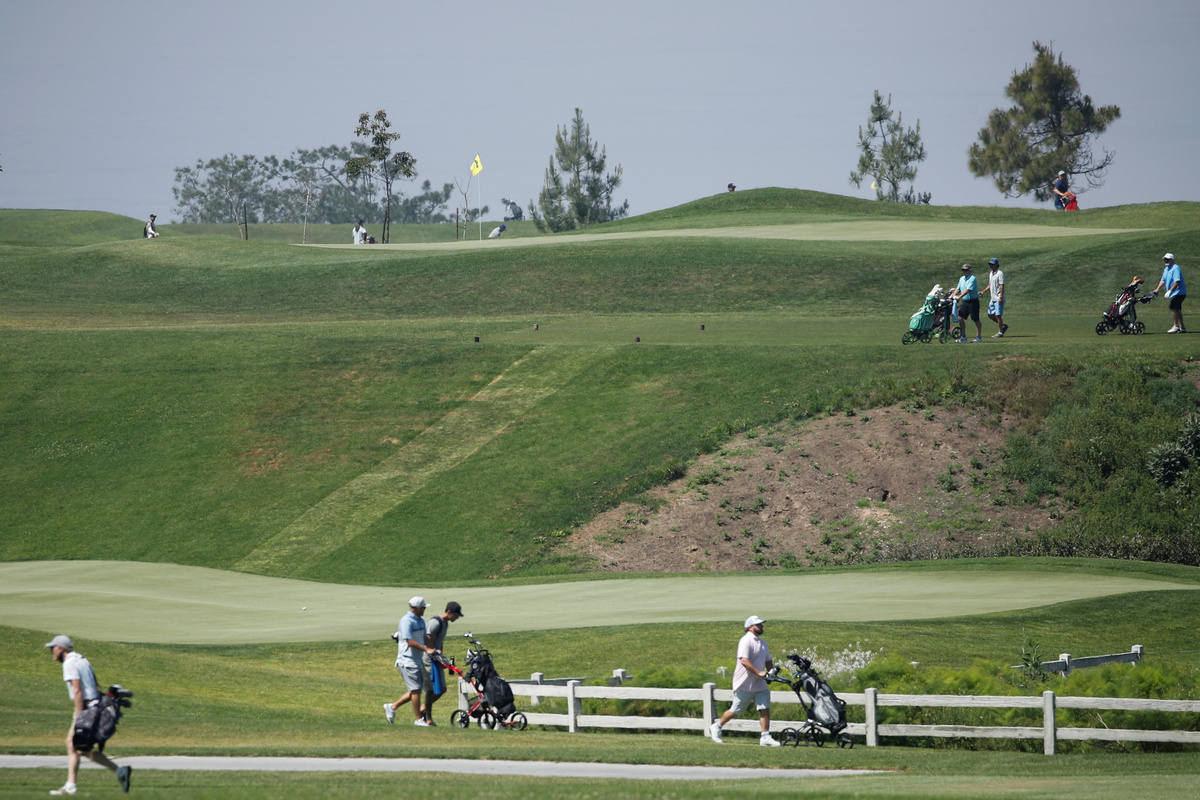
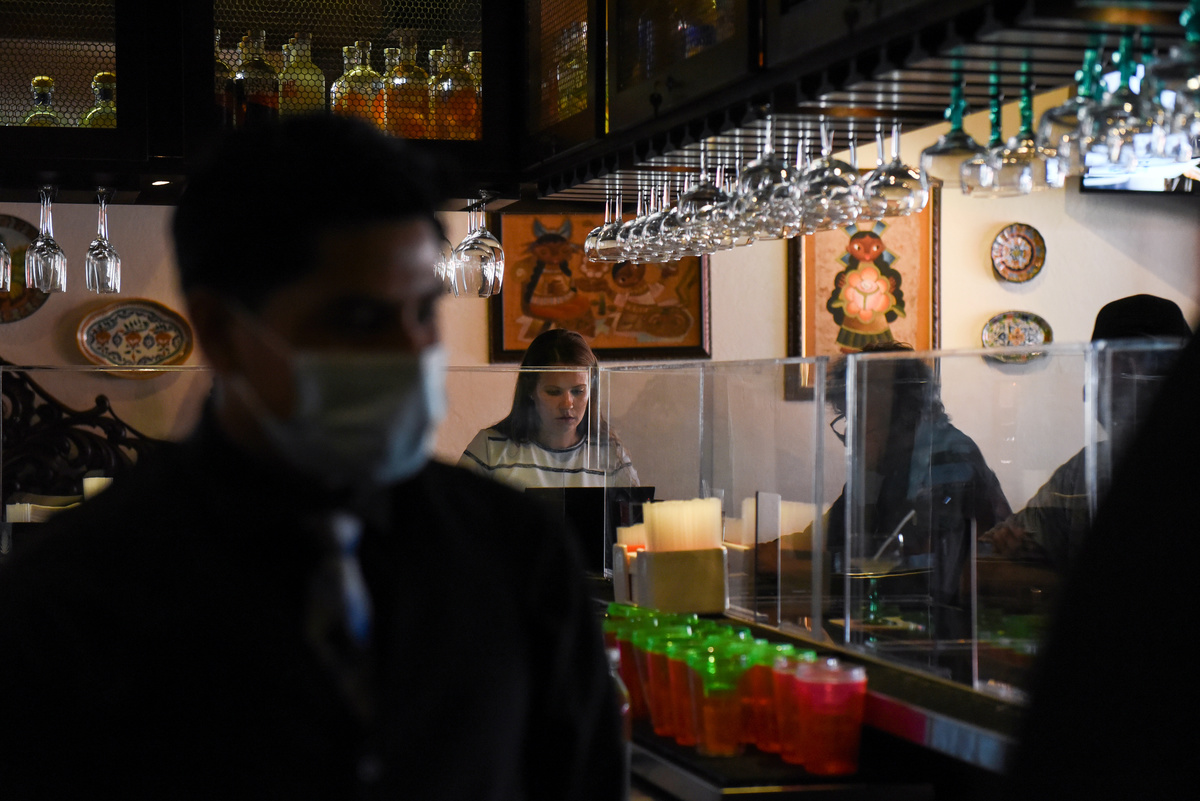
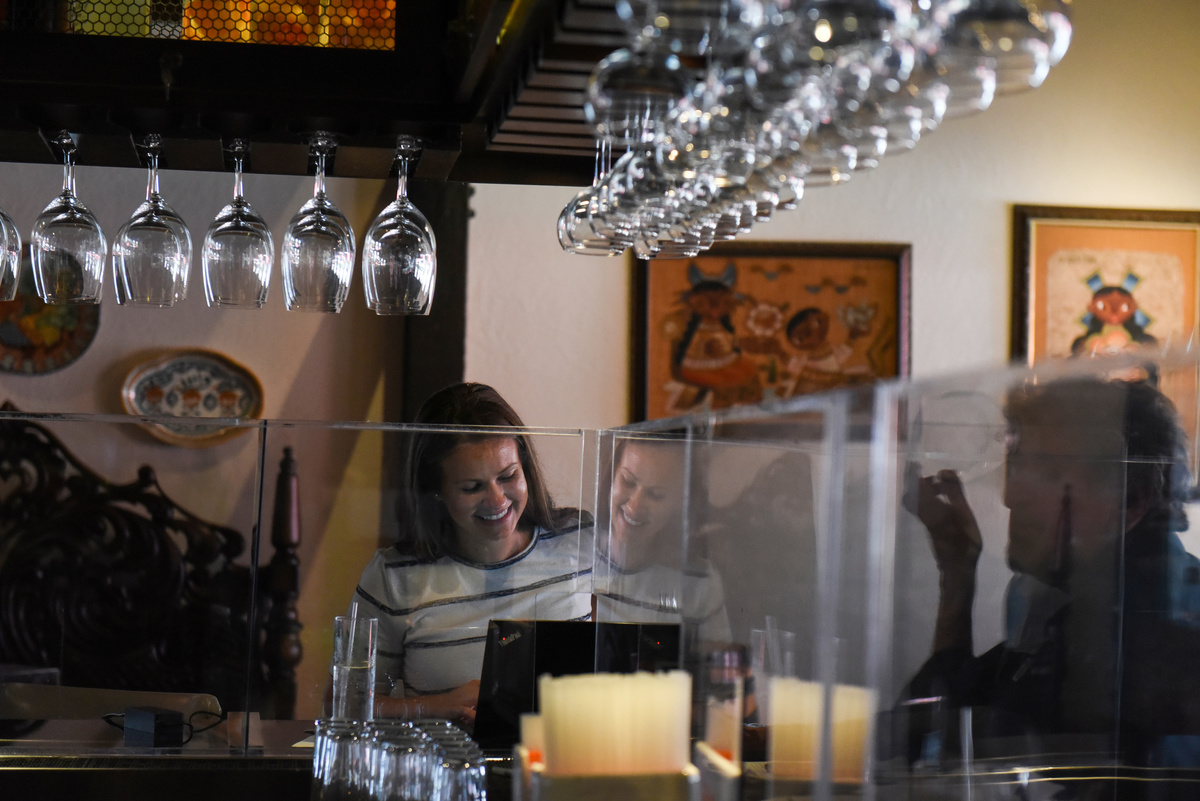
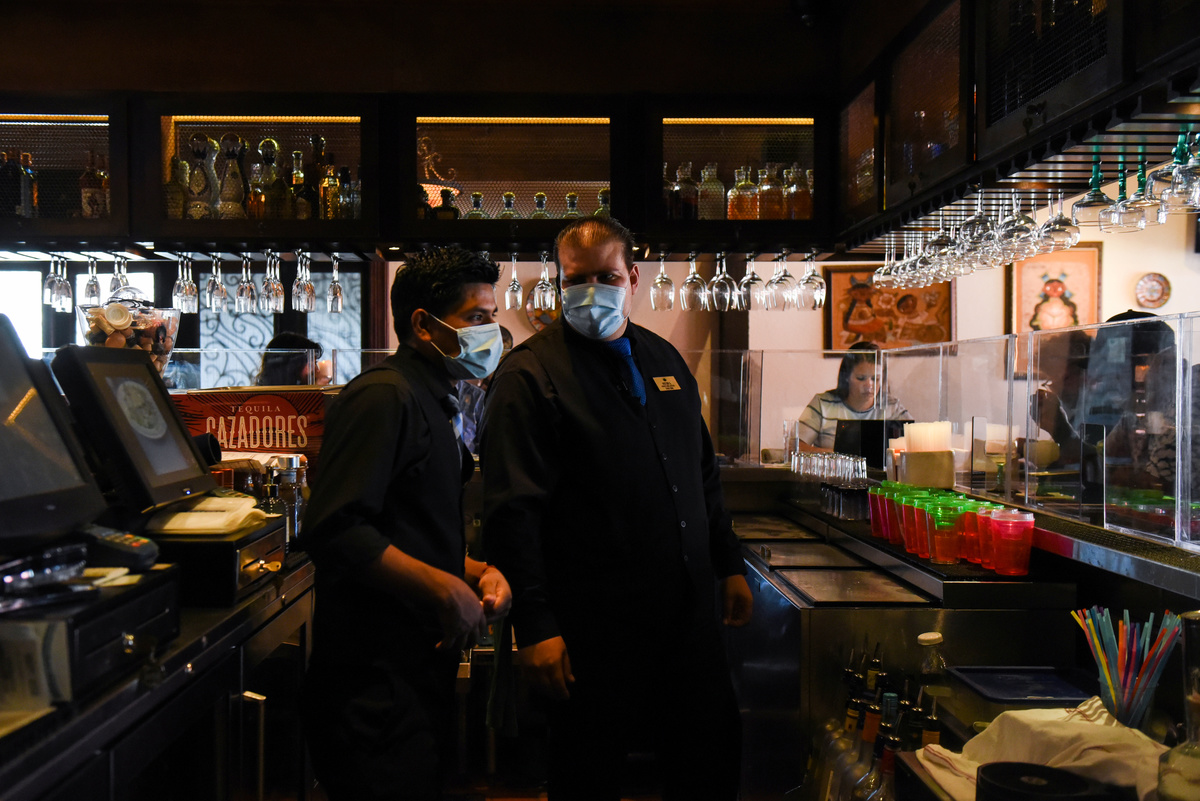
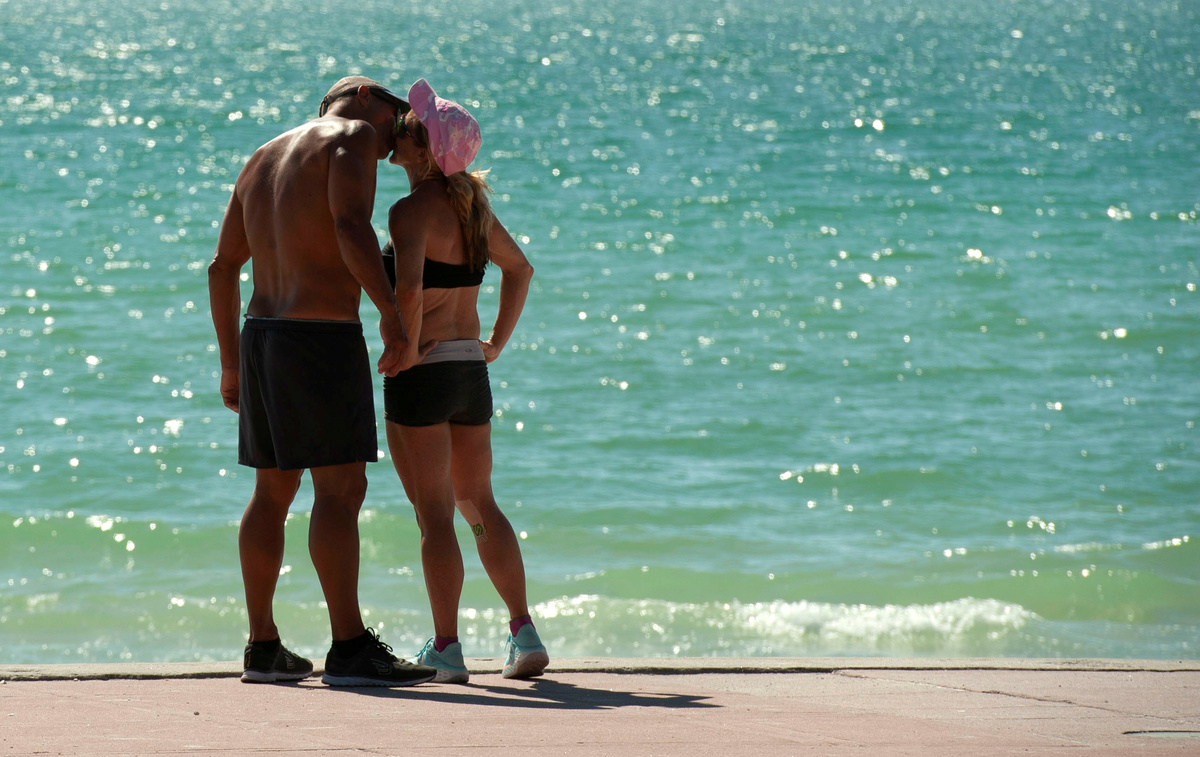
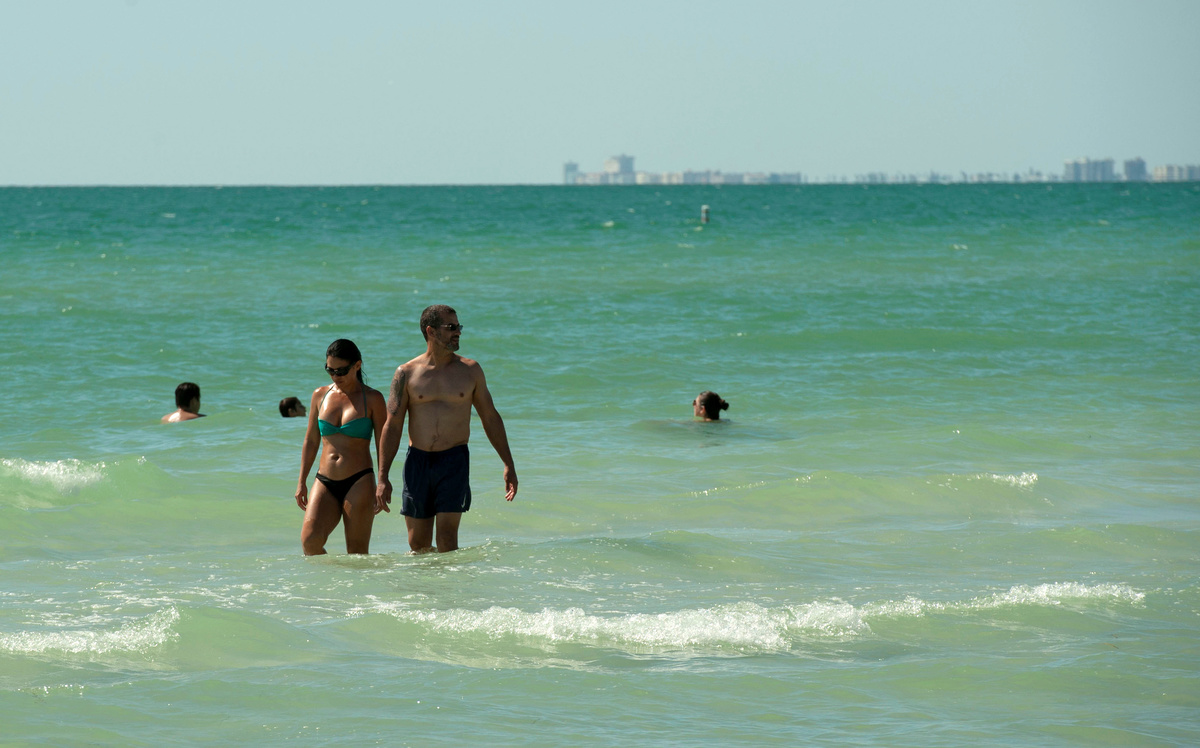
A resident picks up free groceries distributed by the Salvation Army food pantry, which reports an increase from an average of 60 meals to 500 meals per day given out at the facility, amid the coronavirus disease (COVID-19) outbreak in Lynn, Massachusetts, U.S., May 4, 2020. REUTERS/Brian SnyderCrowds shop at The Galleria as social distancing guidelines to curb the spread of the coronavirus disease (COVID-19) have been relaxed in Houston, Texas, U.S. May 4, 2020. REUTERS/Callaghan O'HareCrowds shop at The Galleria as social distancing guidelines to curb the spread of the coronavirus disease (COVID-19) have been relaxed in Houston, Texas, U.S., May 4, 2020. REUTERS/Callaghan O'HareCrowds shop at The Galleria as social distancing guidelines to curb the spread of the coronavirus disease (COVID-19) have been relaxed in Houston, Texas, U.S. May 4, 2020. REUTERS/Callaghan O'HareA man and his dog sit on the balcony amid the coronavirus disease (COVID-19) outbreak in Everett, Massachusetts, U.S., May 4, 2020. REUTERS/Brian SnyderFlowers cover the grave of a veteran who contracted the coronavirus disease (COVID-19) at the Woodlawn Cemetery in Everett, Massachusetts, U.S., May 4, 2020. REUTERS/Brian SnyderMourners attend a funeral amid the coronavirus disease (COVID-19) outbreak at the Woodlawn Cemetery in Everett, Massachusetts, U.S., May 4, 2020. REUTERS/Brian SnyderA cemetery worker covers the grave of a veteran who contracted the coronavirus disease (COVID-19), at the Woodlawn Cemetery in Everett, Massachusetts, U.S., May 4, 2020. REUTERS/Brian SnyderGolfer Ben Kolb wears a mask as he tees off at Torrey Pines golf course during the outbreak of the coronavirus disease (COVID-19) in San Diego, California, U.S., May 4, 2020. REUTERS/Mike BlakeGolfers play at Torrey Pines golf course during the outbreak of the coronavirus disease (COVID-19), in San Diego, California, U.S., May 4, 2020. REUTERS/Mike BlakePeople sit at the bar behind a clear divider at Arnaldo Richard’s Picos Restaurant as social distancing guidelines to curb the spread of the coronavirus disease (COVID-19) have been relaxed in Houston, Texas, U.S. May 4, 2020. REUTERS/Callaghan O'HarePeople sit at the bar behind a clear divider at Arnaldo Richard’s Picos Restaurant as social distancing guidelines to curb the spread of the coronavirus disease (COVID-19) have been relaxed in Houston, Texas, U.S. May 4, 2020. REUTERS/Callaghan O'HarePeople sit at the bar behind a clear divider at Arnaldo Richard’s Picos Restaurant as social distancing guidelines to curb the spread of the coronavirus disease (COVID-19) have been relaxed in Houston, Texas, U.S. May 4, 2020. REUTERS/Callaghan O'HareNancy Ray (L) and Roanne Trapani (R) sit on the beach during a phased reopening from measures taken to slow the spread of coronavirus disease (COVID-19), in St. Pete Beach, Florida, U.S. May 4, 2020. REUTERS/Steve NesiusA couple share a kiss as sun-seekers return to the beach during a phased reopening from measures taken to slow the spread of coronavirus disease (COVID-19), in St. Pete Beach, Florida, U.S. May 4, 2020. REUTERS/Steve NesiusA couple walk along the shallows as sun-seekers return to the beach during a phased reopening from measures taken to slow the spread of coronavirus disease (COVID-19), in St. Pete Beach, Florida, U.S. May 4, 2020. REUTERS/Steve NesiusA sign instructs sun-seekers as they return to the beach during a phased reopening from measures taken to slow the spread of coronavirus disease (COVID-19), in St. Pete Beach, Florida, U.S. May 4, 2020. REUTERS/Steve NesiusSun-seekers return to the beach during a phased reopening from measures taken to slow the spread of coronavirus disease (COVID-19), in St. Pete Beach, Florida, U.S. May 4, 2020. REUTERS/Steve NesiusA Pinellas County Sheriff's Deputy patrols the beach to enforce social distance guidelines as sun-seekers return to the beach during a phased reopening from measures taken to slow the spread of coronavirus disease (COVID-19), in St. Pete Beach, Florida, U.S. May 4, 2020. REUTERS/Steve Nesius
Sign up to read this article
Read news from 100’s of titles, curated specifically for you.