Scientists have discovered a way to store solar energy for several years without the need for electronic components.
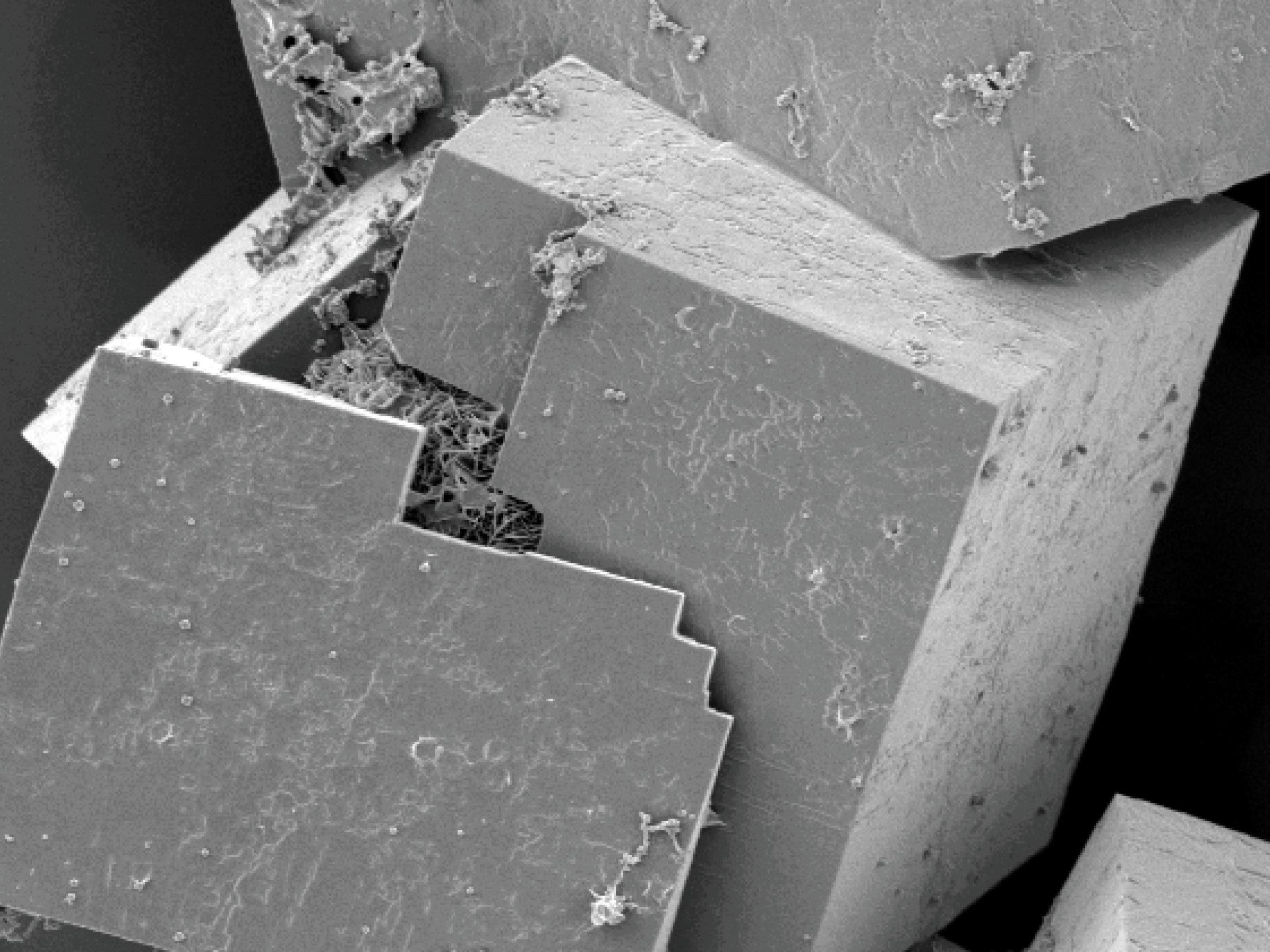
After studying a type of crystalline material commonly used for desalinating or filtering water, researchers at the Lancaster University realised it was an extremely effective method of capturing and storing the sun’s energy.
The breakthrough paves the way for a whole new range of applications where batteries or other existing technologies are either impractical or too expensive.
The material could be used as a coating on buildings to store summer energy that can then be released as heat in the winter, for example.
Another potential application, the researchers said, would be as a thin, transparent film on car windows and windshields that could quickly de-ice them on freezing-cold mornings.
Remote locations or off-grid systems could also benefit from the material’s ability to store energy for long periods of time.
“The material functions a bit like phase change materials, which are used to supply heat in hand warmers,” said Dr John Griffin from Lancaster University, who was joint principal investigator of the study.
"However, while hand warmers need to be heated in order to recharge them, the nice thing about this material is that it captures ‘free’ energy directly from the sun.
“It also has no moving or electronic parts and so there are no losses involved in the storage and release of the solar energy.”
The energy collected by the material is stored in a similar way to a compressed spring, meaning it can be released very quickly when required.
A small amount of heat can be applied to the material as a “trigger” in order to release the energy.
The research team was able to store solar energy in the material for four months at room temperature, but estimate it could hold charge for up to four-and-a-half years.
The research is outlined in a paper published in the journal Chemistry Materials.