
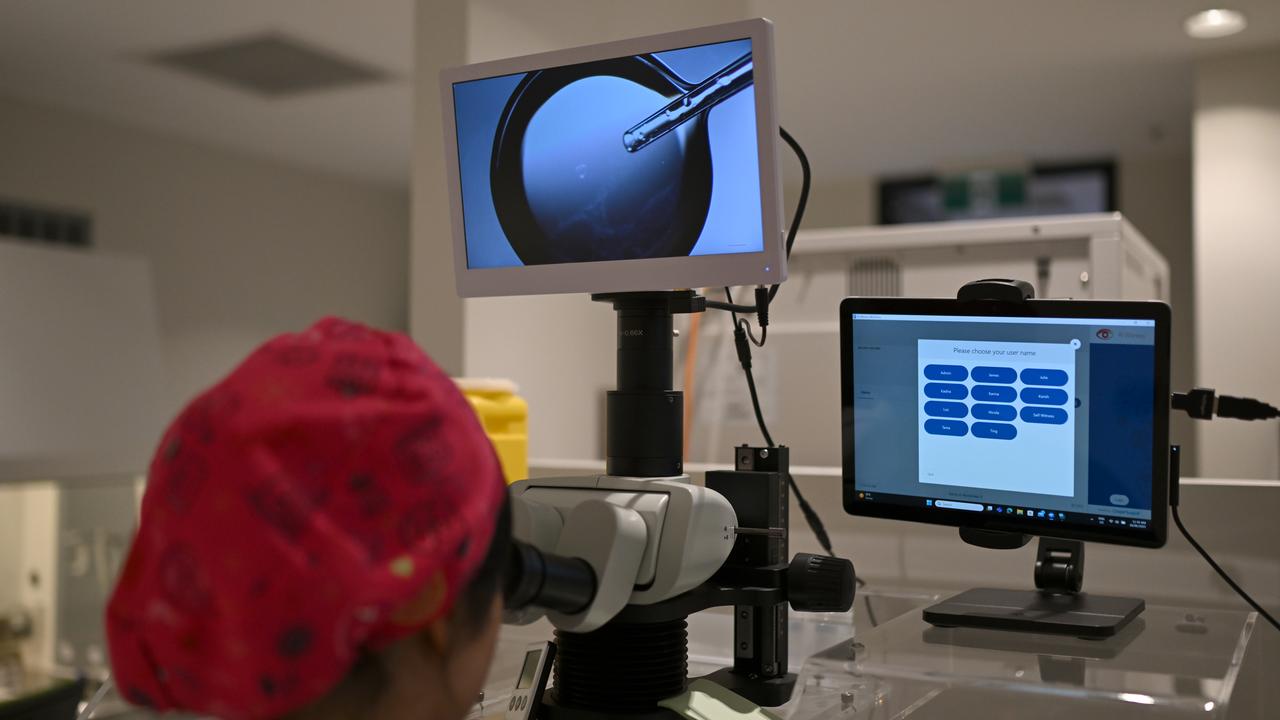
A new study has sparked fresh concerns that would-be parents are being sold ineffective treatments being marketed as boosting their chance of falling pregnant.
A University of Sydney-led research found adding a common hormone to in-vitro fertilisation (IVF) treatments does not improve patients' chances of pregnancy or live birth.
Researchers discovered that administering the hormone human chorionic gonadotropin (HCG) directly into the uterus, as detailed in the publication in Human Reproduction Update on Tuesday, was ineffective.
Promoted since the early to mid-2010s, the hormone procedure is an internationally accepted method, utilised in Australia, the United States, Europe, and parts of Asia.

Its use in IVF to improve implantation is largely supported by initial studies that indicated positive outcomes.
It usually costs Australians between $50 and $100 per "add-on".
But when the researchers looked in detail at the raw data behind these studies, rather than on published results, they found that claims about the positive effects of the hormone procedure did not stack up.
"This add-on does not improve fertility outcomes,'' said Dr Rui Wang, lead author and academic lead of the evidence integration group at the NHMRC Clinical Trials Centre.
"This hormone shouldn't be routinely offered as part of IVF treatment."
Rather than solely relying on published clinical trial results, the researchers executed an individual participant data meta-analysis.
This process entailed gathering and re-analysing the raw, de-identified data from every patient who participated in all relevant clinical trials.
Out of 28 randomised trials conducted across multiple countries — including the US, Austria, Thailand and Japan — that tested intrauterine HCG before embryo transfer, seven high-quality trials involving 2,244 IVF patients met the criteria for analysis.
''There was no evidence of benefit in any group we analysed, including fresh or frozen transfers, different embryo stages, or different doses,'' Dr Wang said.
Earlier reviews had suggested intrauterine HCG was one of the most promising IVF add-ons, reporting significant improvements in pregnancy rates.
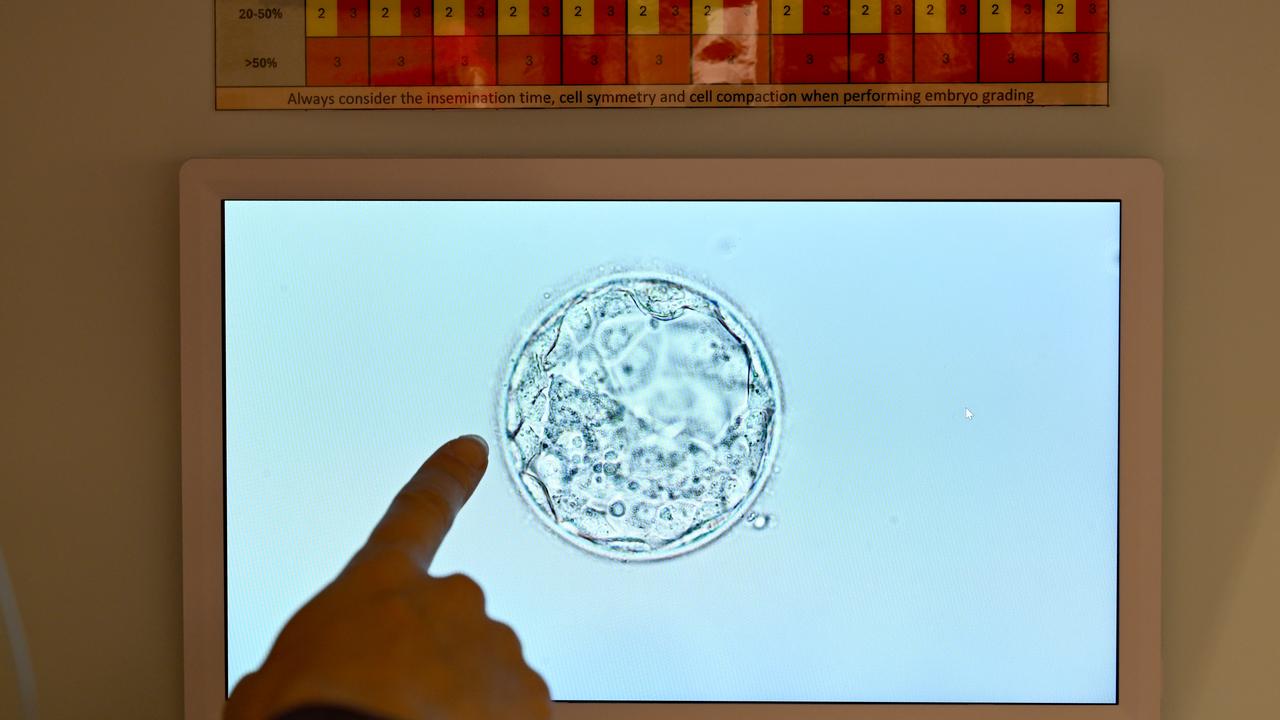
These findings were widely cited and influenced clinical practice.
Dr Wang said the new study highlights growing concerns about unreliable or untrustworthy trial data in women's health research, particularly in areas where evidence is rapidly translated into clinical care.
The findings may be the tip of the iceberg, pointing to a wider problem within reproductive medicine where some treatments and add-ons are adopted into practice based on unreliable evidence.
This often led to patients making decisions based on old data.
Researchers say applying this approach more widely could help identify which IVF intervention works, or offer little or no benefit, protecting patients from unnecessary procedures.