Remakes based on old TV series and films represent big bucks to the screen content industries. Why? In comparison with original screenplays they are a less risky investment that promises high returns and plenty of free PR to boot. Adding remake and ‘based on TV’ figures together, reboots have grossed over $4.8bn in the US alone over the past five years.
Just knowing there is a history of success for a particular TV show or film gives investors reassurance that the previous audience will return; and a ready-made audience is not something to be ignored when cinema-goers are dwindling in the wake of YouTube, Netflix and Amazon Prime.
Having a built-in audience has a number of advantages. You have got a guarantee that a chunk of the movie-going population are likely to come and see your film and the PR generated off the back of the existing brand represents millions of dollars in terms of earned media. However, no venture in the ever-evolving film and TV industries is risk free, and there are numerous challenges associated with repurposing content, particularly if that content is a few decades old and audience tastes and trends have moved on.
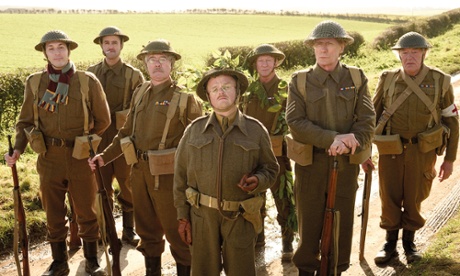
Take, for example, the remakes of Dad’s Army and The Man from U.N.C.L.E. While these reboots will resonate with people from a particular generation, there is the risk that they will fail to engage today’s audiences. The idea of a Dad’s Army film generates a certain sense of nostalgia in the generation who were familiar with the TV show, but how many of the younger generation who don’t know the original will connect with the new version?
Comedy is perhaps the riskiest genre, given that tastes change so quickly and is often dependent on context and trends. Dad’s Army worked brilliantly at the time; postwar generations needed comic relief, and a reassurance that British identity was still special as the empire collapsed. The loveable group of bumbling home guards provided the nation with a cold war comfort blanket. It also helped that it was a genuinely funny show.
However, times have moved on. Younger generations don’t share the context that Dad’s Army was originally seen in, and without it the show can easily be seen as old-fashioned slapstick.
Over-reliance on nostalgia alone has gone wrong in the past, with the last Carry On film, for example, a box office flop. If the producer’s intention is to focus on the original audience, then they need to stay as close to the source material as possible. They will be painfully aware that they can’t disappoint the core fanbase as this will lead to bad word of mouth and a quick death at the box office.
Conversely, what The Man from U.N.C.L.E appears to have done is reinvent the original show with a focus on finding a new audience, rather than pandering to its aficionados. Guy Ritchie has brought to it his usual high-octane action sequences, with a nod to the original in its tongue-in-cheek tone.
Another risk filmmakers face when repurposing content, particularly comedy content, is the fact that many of these TV shows and films were dependent on their main star. For instance, who can imagine Only Fools and Horses without David Jason and Nicholas Lyndhurst?
Even though there are many challenges associated with producing remakes, and a catalogue of misses, the monetary gains from a hit are all too large to ignore. Also, it is possible to get it right. How? Well, it all starts with the original underlying idea.
Producers need to think, “What is so persuasive about the original idea that demands for it to be remade for a new audience?” Is it an exceptionally well-developed character, the tone of the original, or a timeless story that will resonate with people from all generations and backgrounds? Whatever it is, if the aim is a decent financial return then it needs to be important and relevant enough to today’s audience that even if the original built-in audience doesn’t have any interest in it, it still resonates with the new. The original brand will help to launch it, but it needs to find its own identity if it is going to turn into the holy grail of film financing: a franchise.
On the other hand, if there is nothing that allows the remake to appeal to a new audience, you must pander completely to the original viewers. In this case, the most important thing is to be respectful to the source material. Brands inspire trust and nostalgia in people, and if the execution of the concept is wrong then there is no recovery.
The trick is, as always, to know the audience. If it is aimed at the original audience, get the nostalgia right so that they don’t disown it. If the aim is to sell it to the next generation, focus on the essence of the idea and ensure that the underlying story is still compelling enough to resonate with them. Unfortunately, as we’ve seen, that is often easier said than done.
Neil Peplow is chief operating officer of Met Film School, and a judge at the school’s upcoming Vine competition to define the essence of British comedy. More information, terms and conditions, and how to enter, here.
To get weekly news analysis, job alerts and event notifications direct to your inbox, sign up free for Media Network membership.
All Guardian Media Network content is editorially independent except for pieces labelled ‘Advertisement feature’. Find out more here.