WASHINGTON _ Congress is all but certain to seek to repeal parts of the health care overhaul, unwinding the signature achievement of the Obama administration and delivering on one of the Republican Party's key campaign promises.
The health care law established state-based public health exchanges to encourage a competitive market for individuals who do not receive coverage through their job or another public program like Medicare. The fourth open enrollment period began last week for coverage that begins in January.
The move would likely mirror Republicans' actions in January, when the House cleared legislation that would repeal large swaths of the overhaul and restrict federal money for Planned Parenthood for one year. Obama vetoed the measure.
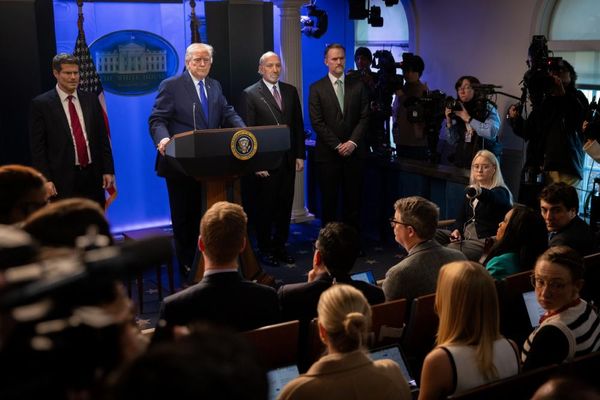
President-elect Donald J. Trump earlier this month called for Republicans to act and pledged to call a "special session" to push repeal.
"Obamacare has to be replaced," he said in Pennsylvania. "And we will do it, and we will do it very, very quickly. It is a catastrophe."
Although the health law has expanded access to health insurance for an estimated 20 million Americans through the exchanges, Medicaid and other coverage, the exchange coverage in particular has faced an escalating series of challenges over the past year. Premiums for next year's benchmark marketplace plans, which cover about 3 percent of Americans, will jump by an average of 25 percent across the country. In some places, premiums will more than double. And major insurance companies like UnitedHealth Group Inc. and Aetna Inc. left the exchange markets in which they had been participating, citing financial losses.
Senate Democrats will be able to block any quick repeal measures with a filibuster. However, if Republicans are able to pass a budget resolution, they likely will use a procedure called reconciliation to repeal parts of the law. That was the same procedure, which requires just 51 votes and is not subject to a filibuster, that Republicans used earlier this year to pass the repeal that Obama vetoed.
That package, which the Senate expanded before passing in December, would have removed the penalties used to enforce the mandates that most individuals have health coverage and large employers offer it to their workers. It would have repealed in 2018 the law's Medicaid expansion and its subsidies to help low- and middle-income individuals buy health coverage through the new insurance exchanges.
It is less clear whether Republicans can find consensus on a plan to replace the law.
Republicans in both chambers have offered a series of plans they say would serve as replacements, but have not introduced consensus legislative language.
Speaker Paul D. Ryan, R-Wis., and several other House Republicans put forward a policy proposal in June that rewrote the health law and overhauled Medicare, Medicaid and other major health policies. The proposal reflected much of the thinking in Republican policy circles earned the backing of the prominent House Republicans who are likely to be shepherding it through Congress next year. Even that plan, however, did not earn widespread endorsement from conservative groups like Heritage Action or the House's Freedom Caucus.