WASHINGTON (Reuters) - U.S. Republicans on Tuesday fell short yet again in their seven-year drive to repeal Obamacare, in a bitter defeat that raises more questions about their ability to enact President Donald Trump's agenda.
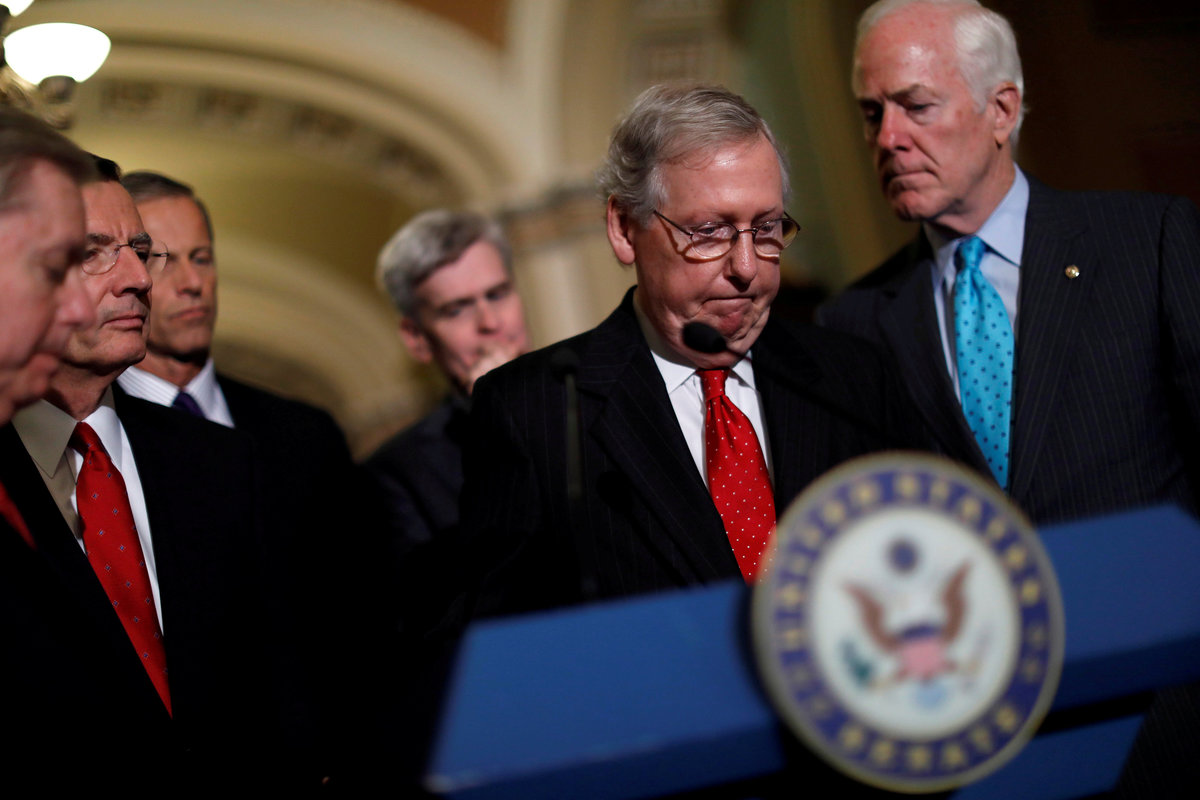
The party was unable to win enough support from its own senators for a bill to repeal the 2010 Affordable Care Act and decided not to put it to a vote, several Republicans said. The bill's sponsors vowed to try again, but face steeper odds after Sunday, when special rules expire that allow them to pass healthcare legislation without Democratic support.
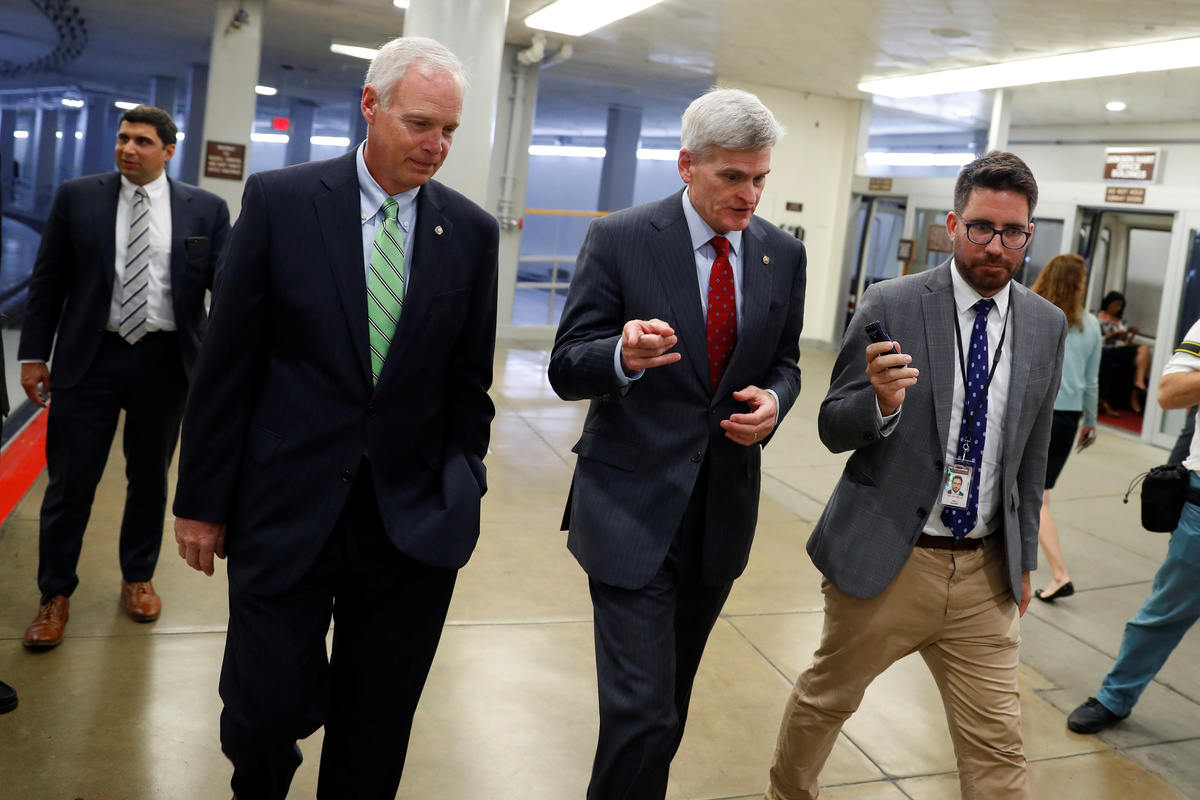
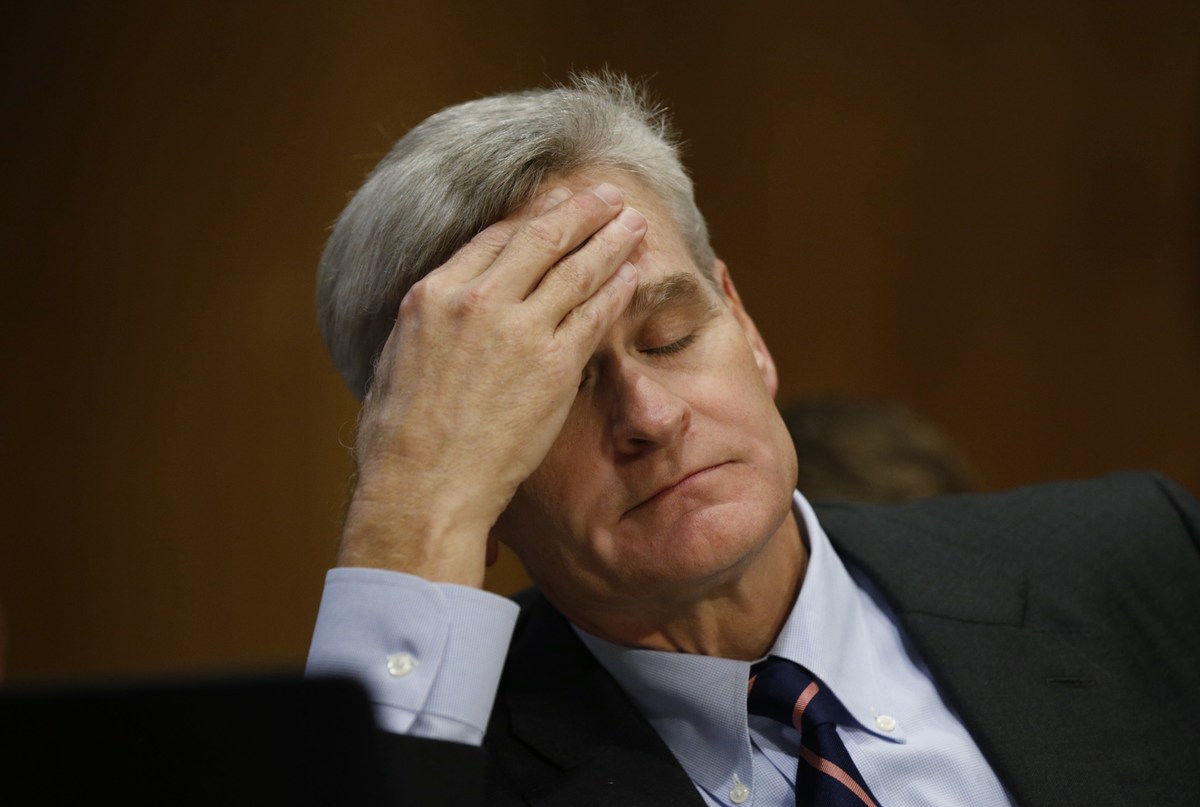
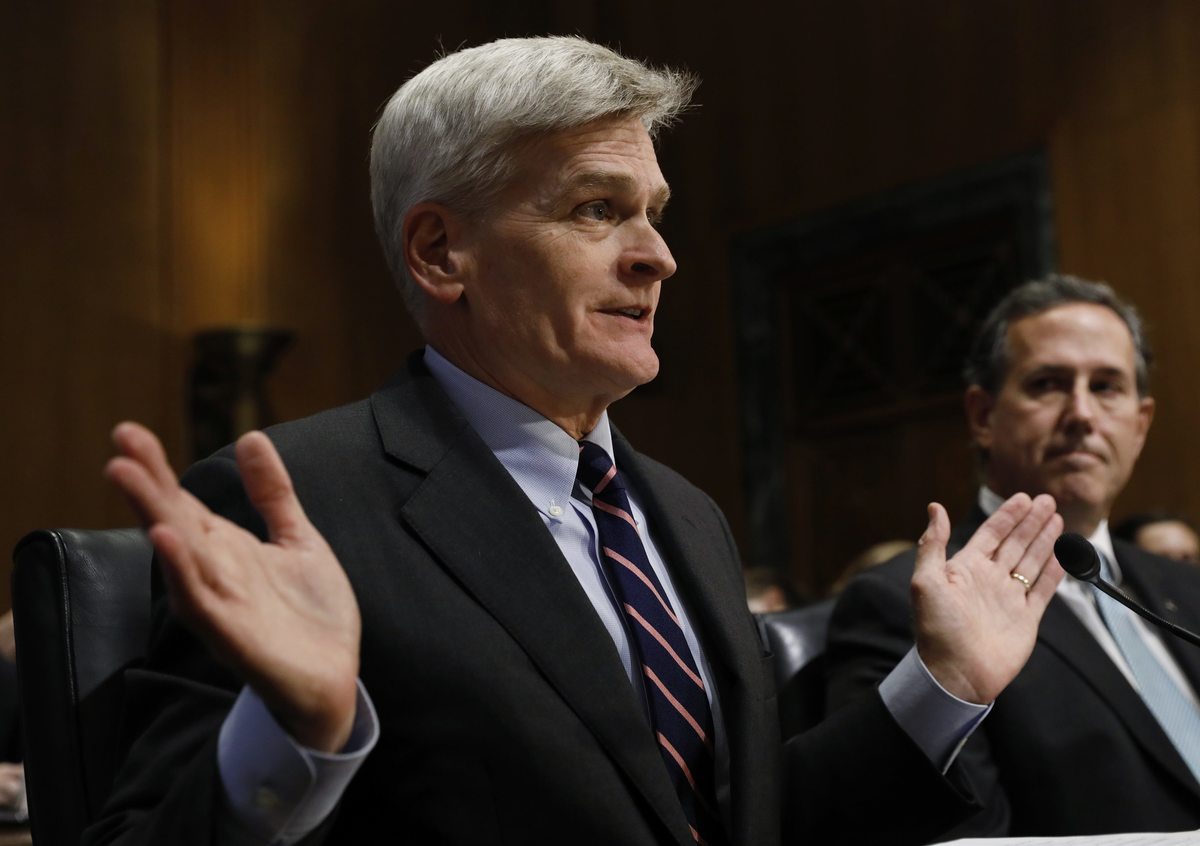
"We basically ran out of time," said Senator Ron Johnson, a co-sponsor of the measure with Senators Bill Cassidy, Lindsey Graham and Dean Heller.
Republicans have now repeatedly failed to deliver on their longtime promise to roll back former Democratic President Barack Obama's signature domestic accomplishment.
They have yet to achieve any major domestic policy successes in Congress this year, which could hurt their efforts to retain control of the Senate and House of Representatives in the November 2018 congressional elections.
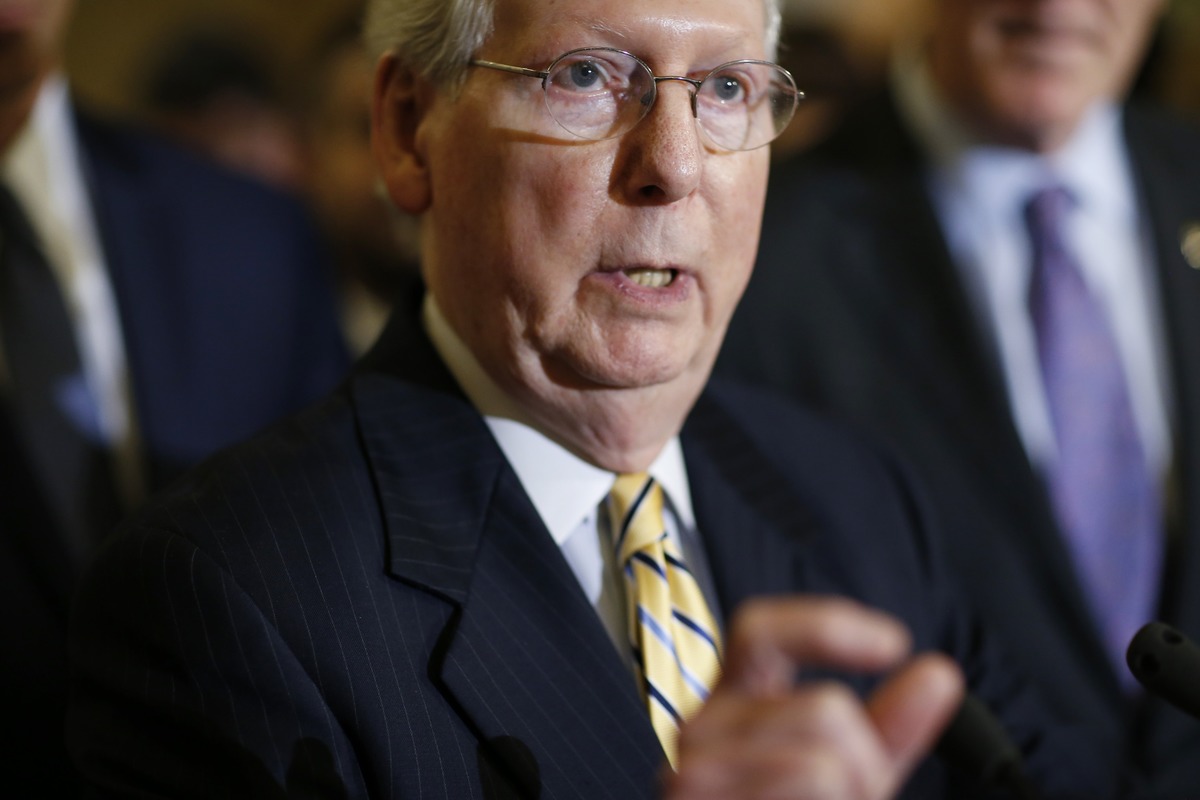
Republicans widely view Obamacare, which provides coverage to 20 million Americans, as a costly government overreach. Trump vowed frequently during the 2016 election campaign to scrap it. Democrats have fiercely defended it, saying it has extended health insurance to millions.
After falling short in July, Senate Republicans tried again this month with a bill that would have given states greater control over the hundreds of billions of dollars that the federal government spends annually on health care.
As before, they ran into objections from members on the right and the center who opposed repeal for essentially opposite reasons.
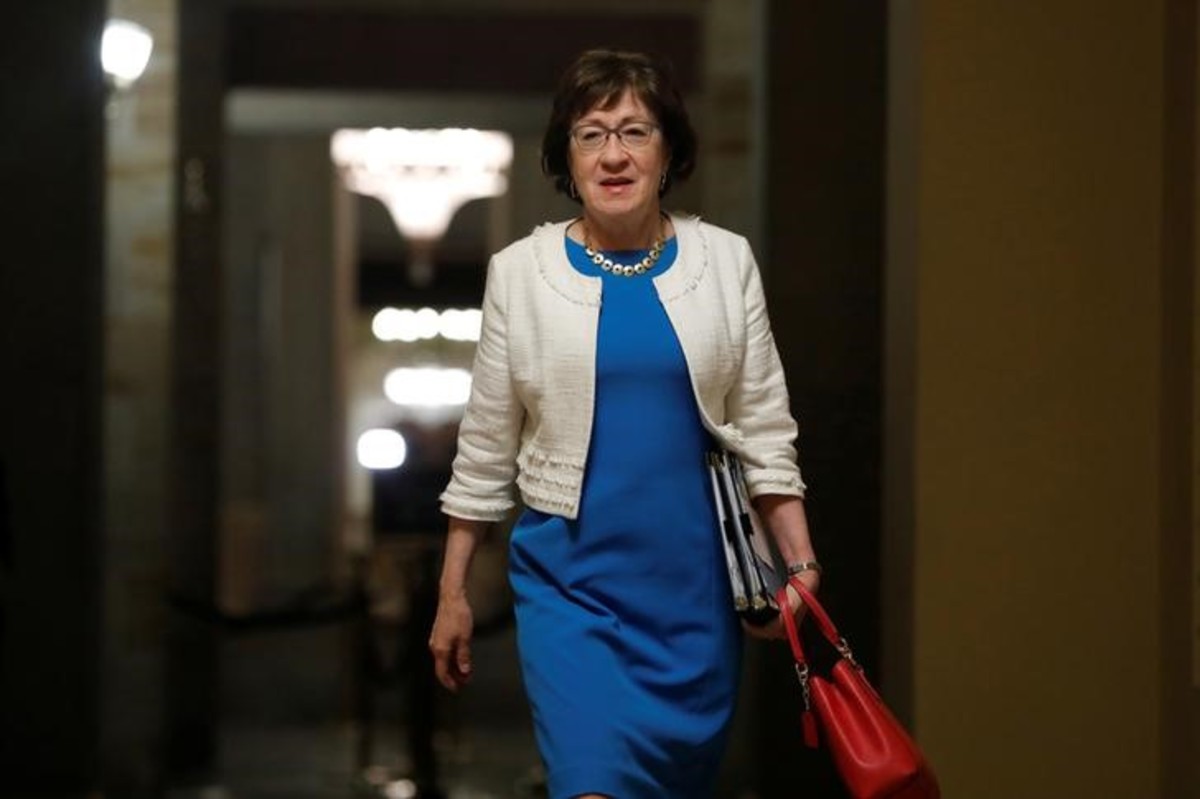
Senator Susan Collins, a moderate, complained it undermined the Medicaid program for the poor and weakened consumer protections. Senator Rand Paul, a conservative, said it left too many of Obamacare's regulations and spending programs in place.
Democrats said it was time for Republicans to work with them to fix Obamacare's shortcomings, and Republican Senator Lamar Alexander said he would resume talks with Democratic Senator Patty Murray to shore up the law's insurance subsidies.
Shares of healthcare providers ended broadly higher. Hospital company HCA Healthcare Inc rose 1.8 percent, while insurer Centene Corp, which focuses on Medicaid, rose 2.2 percent.
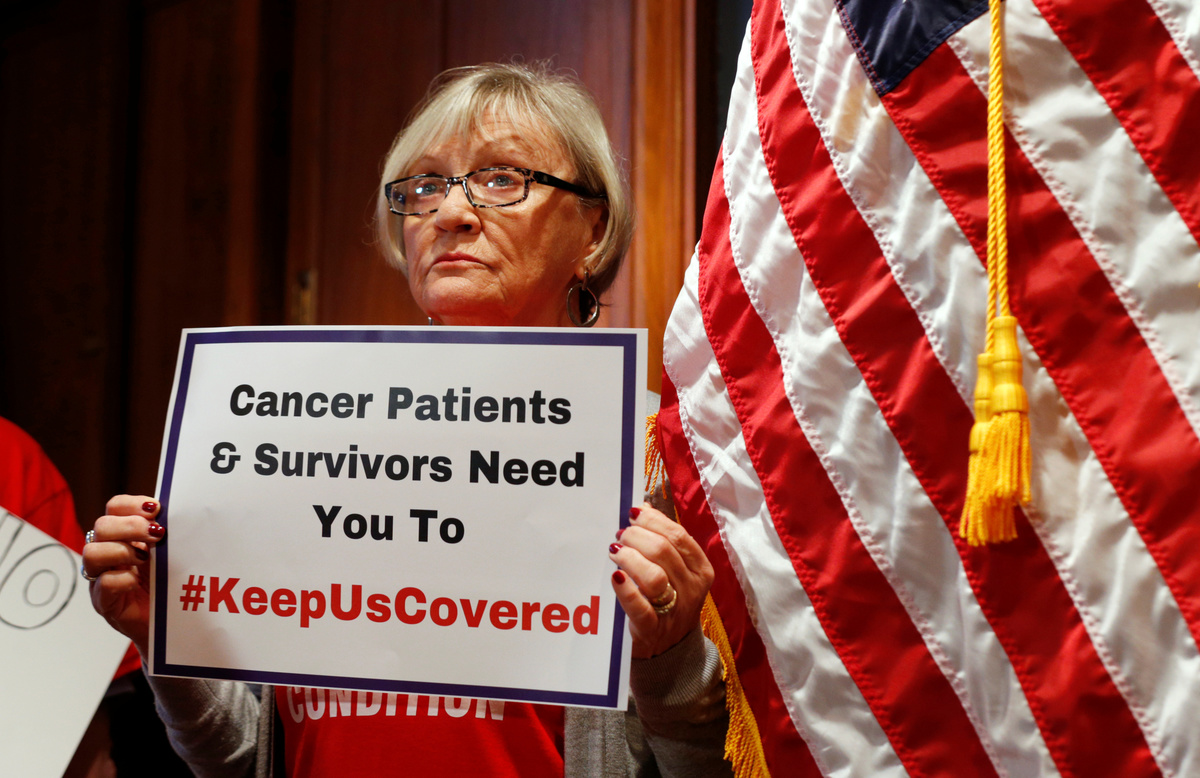
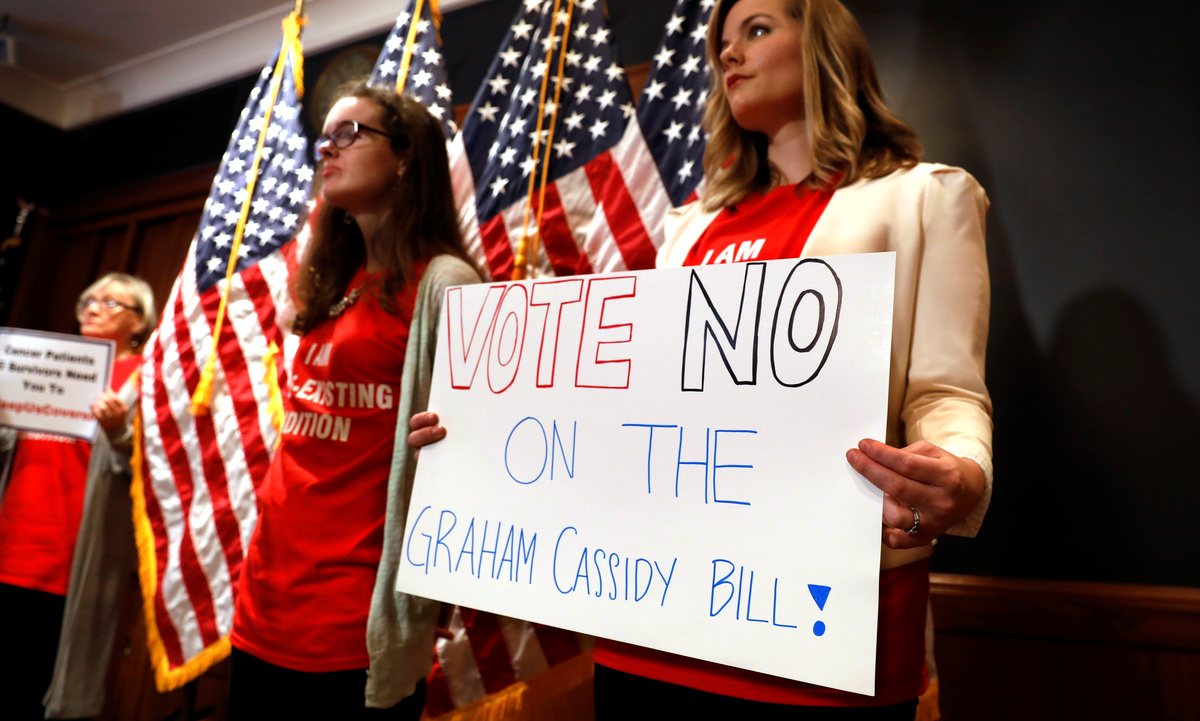
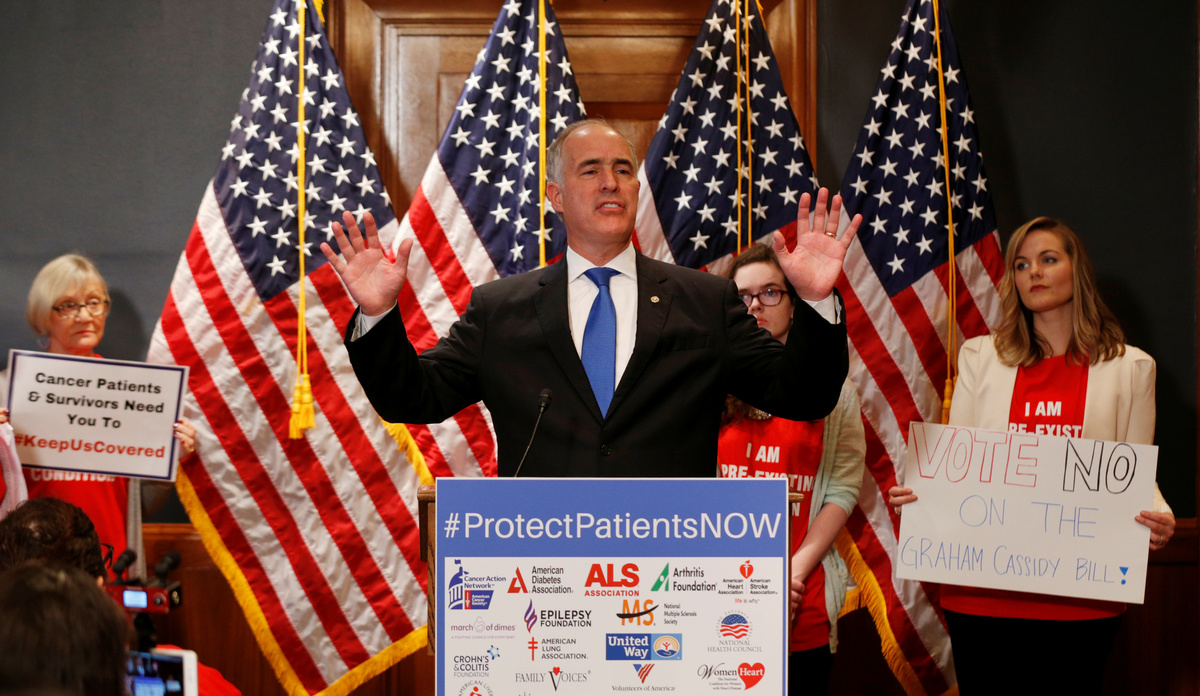
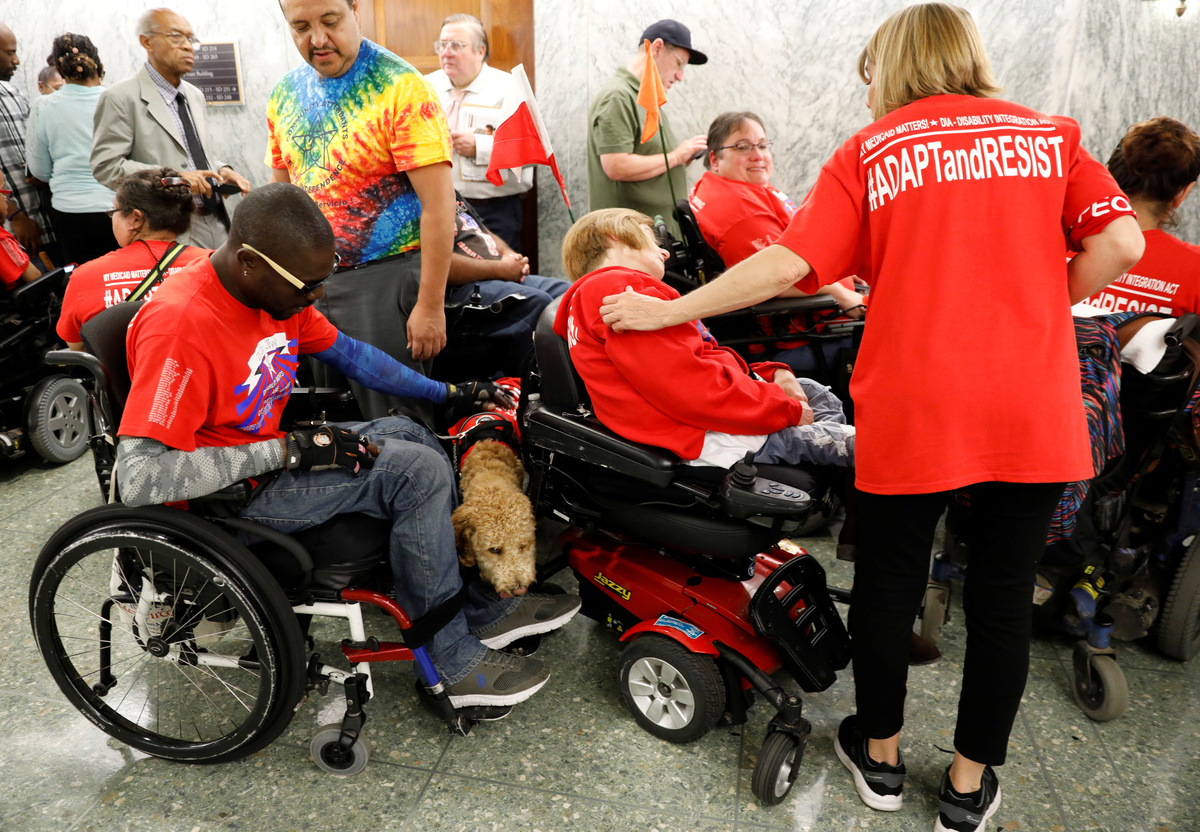
The insurance industry, hospitals, medical advocacy groups such as the American Medical Association, American Heart Association and American Cancer Society, the AARP advocacy group for the elderly and consumer activists opposed the latest bill.
TRUMP DISAPPOINTED
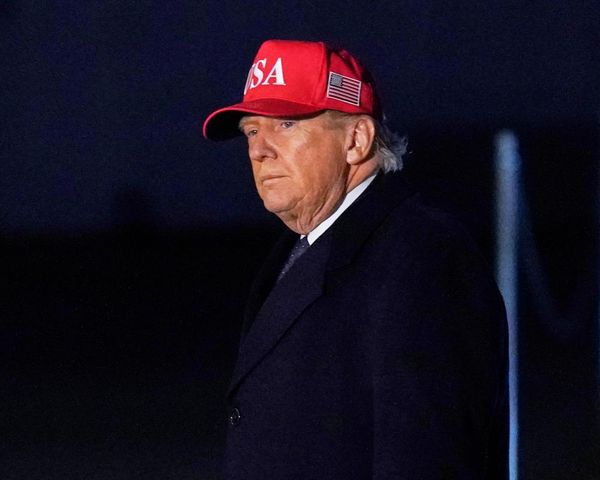
Trump said on Tuesday his administration was disappointed in "certain so-called Republicans" who did not support the bill. The Republican president said later he still had not given up hope that the law would eventually be repealed. "It'll happen," he told reporters while traveling to New York for a fundraiser.
Republicans hold a slim 52-48 majority in the Senate and
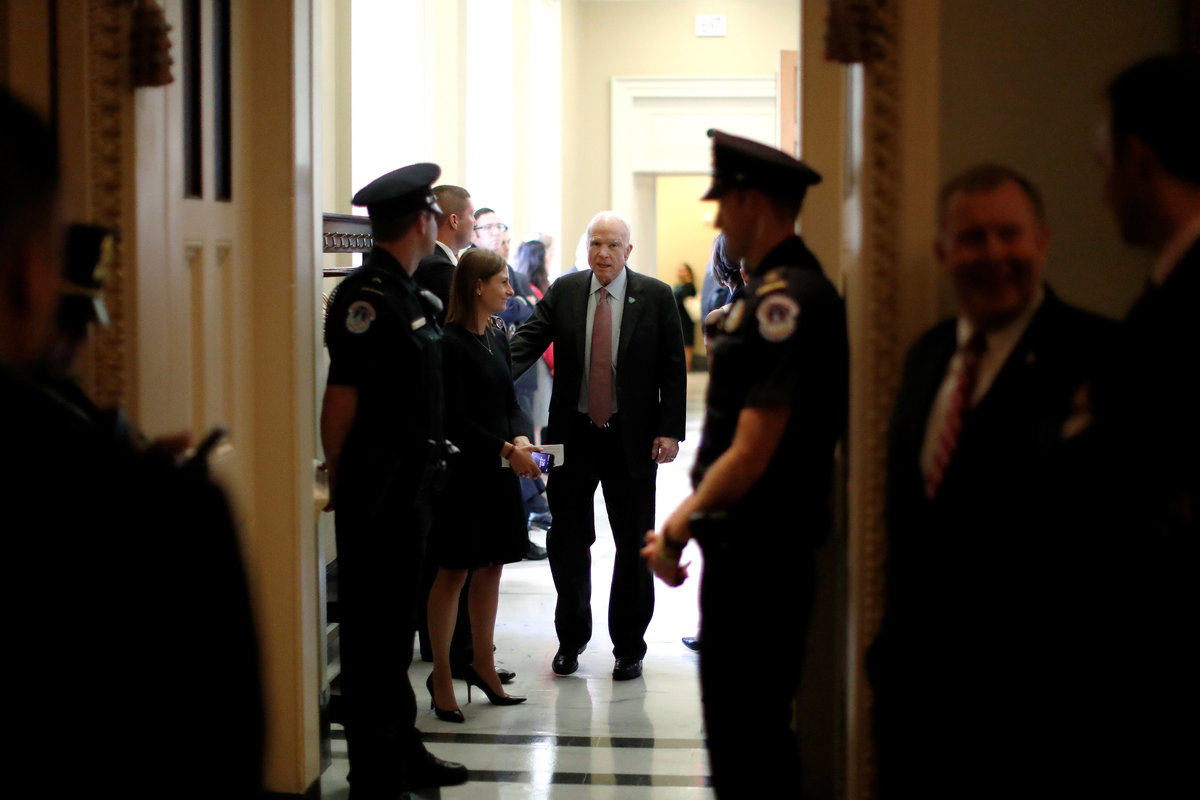
at least three senators - Collins, Paul and John McCain of Arizona - had publicly rejected the bill.
Republicans crafted special rules earlier this year that allowed them to pass a bill with a simple majority in the 100-seat chamber. After those rules expire at the start of the new fiscal year on Sunday, they will need at least 60 votes to advance most legislation.
John Thune, a member of the Republican leadership in the Senate, said the party would likely not try to undo Obamacare again until it was clear there were enough votes for it. He said the party would now focus on overhauling the U.S. tax code - another complex undertaking that could meet with stiff resistance from a wide range of interest groups.
A CBS poll on Monday showed 52 percent of Americans disapproved of the Graham-Cassidy healthcare bill, while 20 percent approved.
"I will readily admit that the Republican Party has done a bad job of explaining what we're for in terms of replace on Obamacare," Republican Senator Ben Sasse said on the Senate floor.
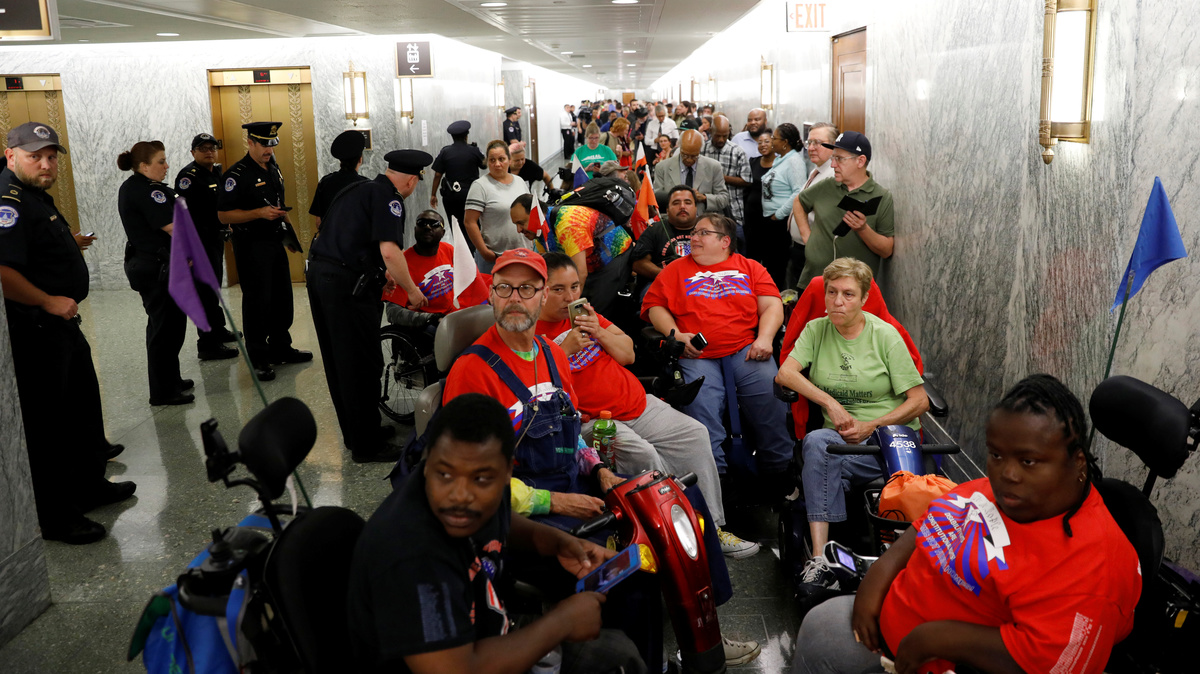
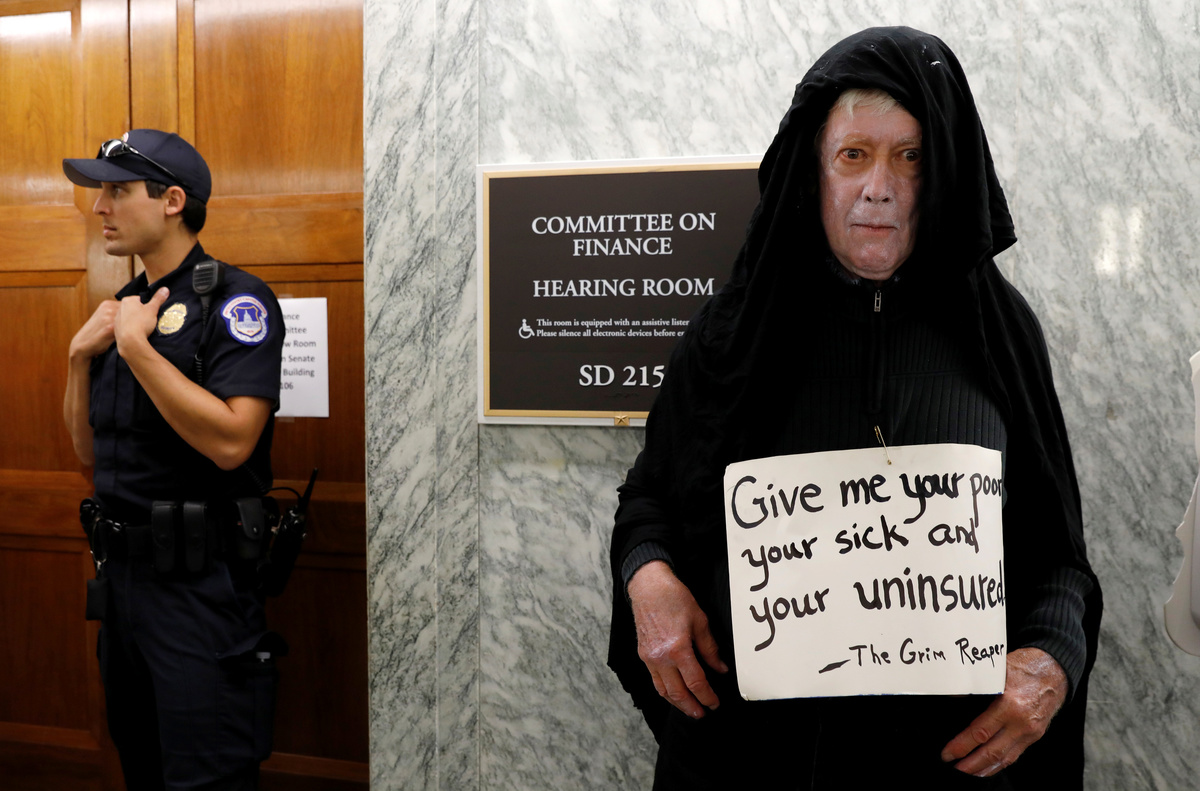
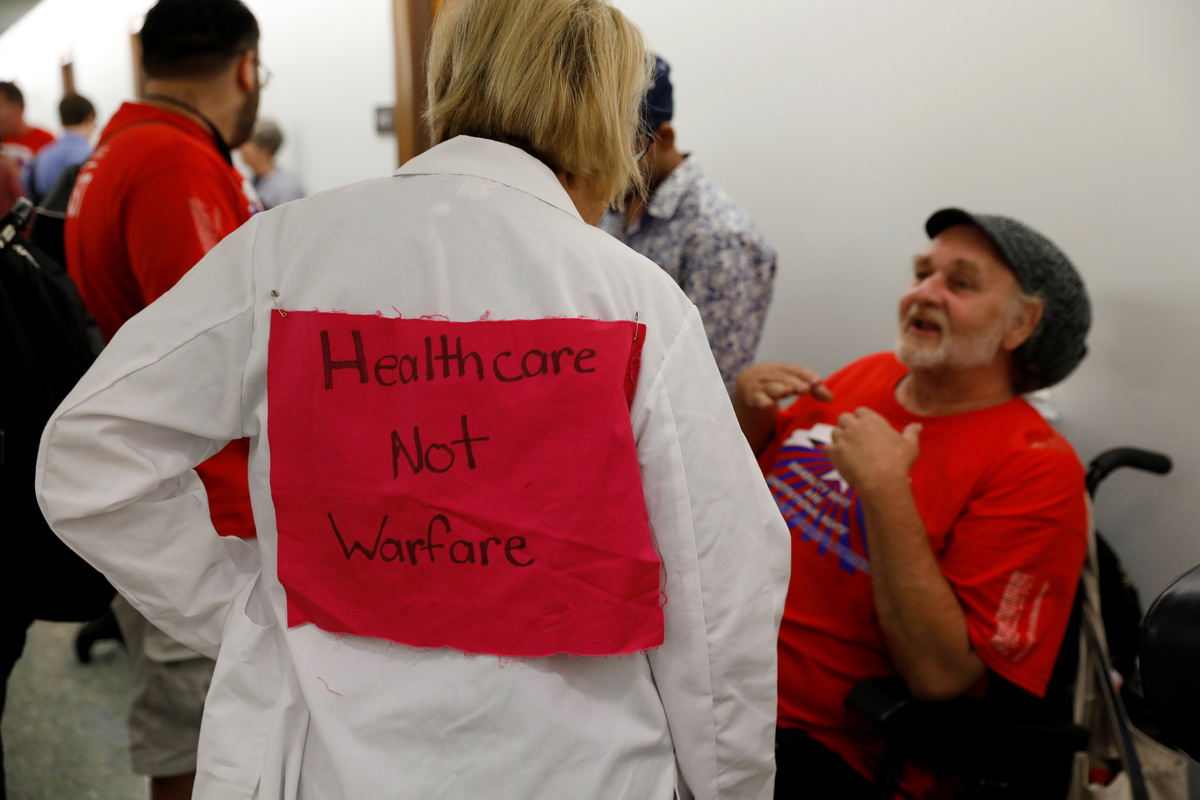
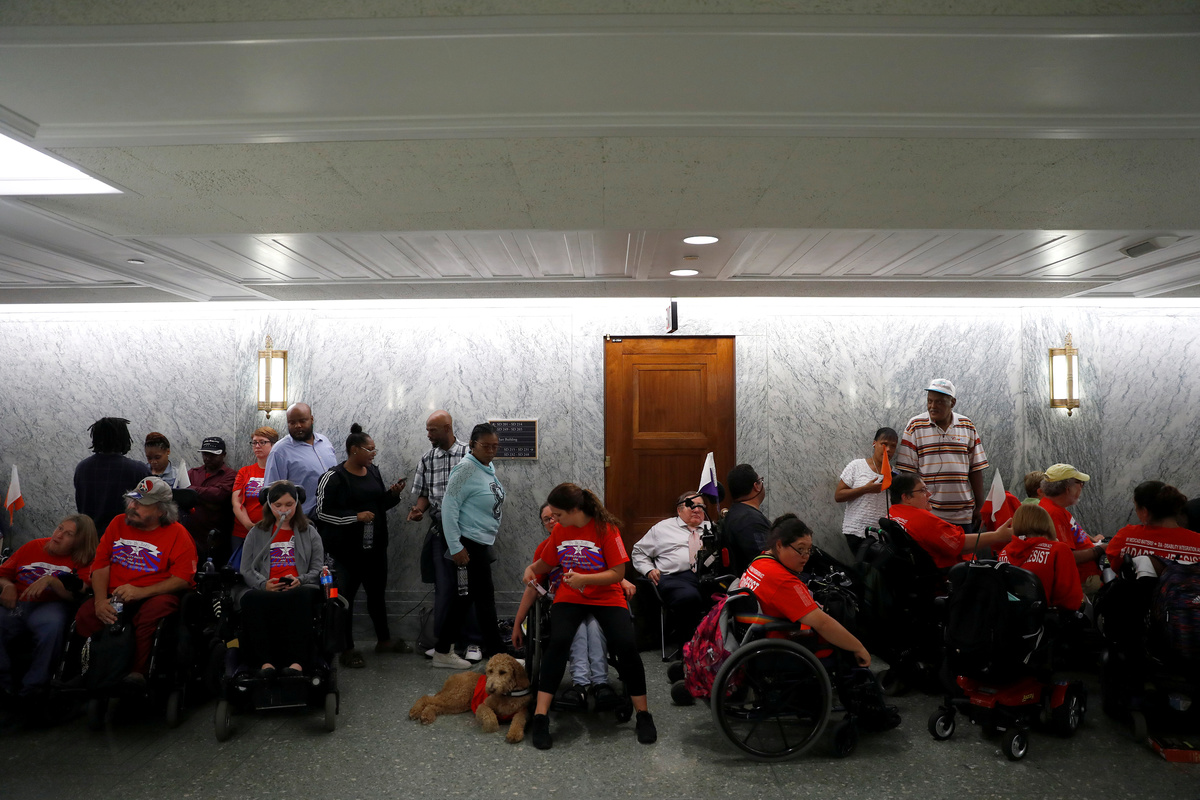
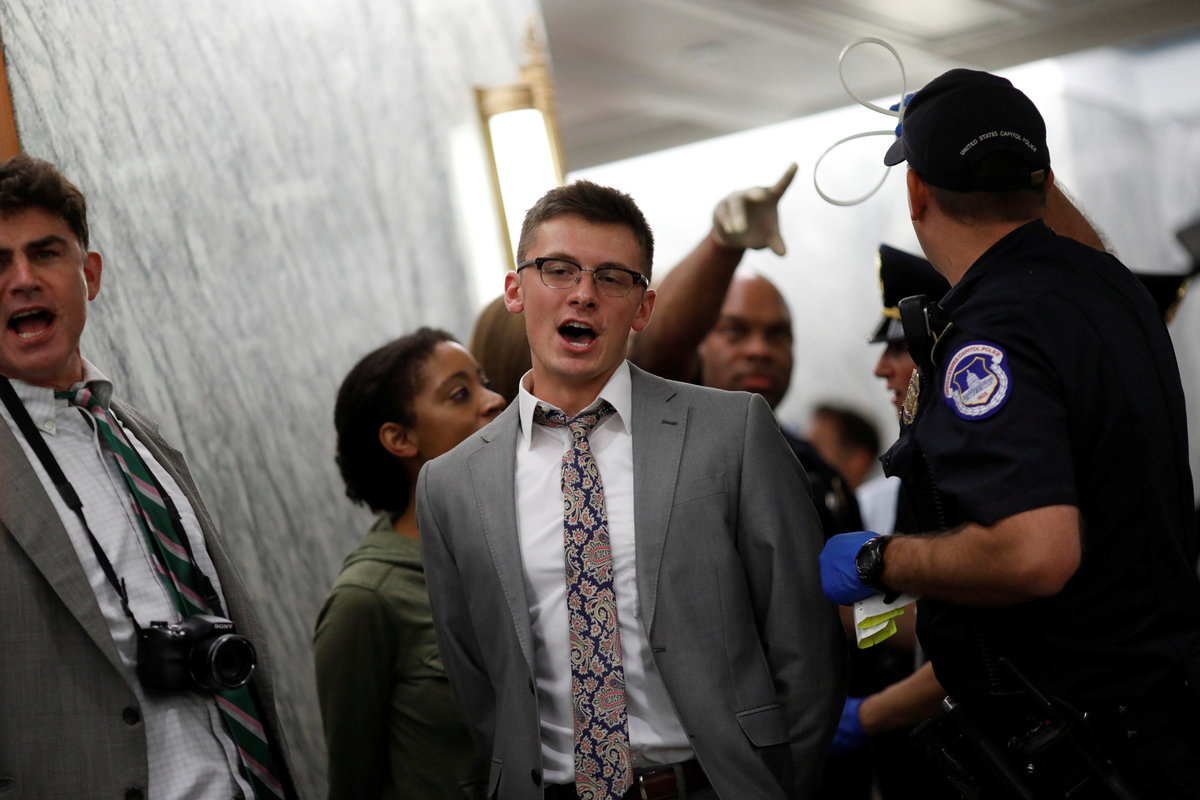
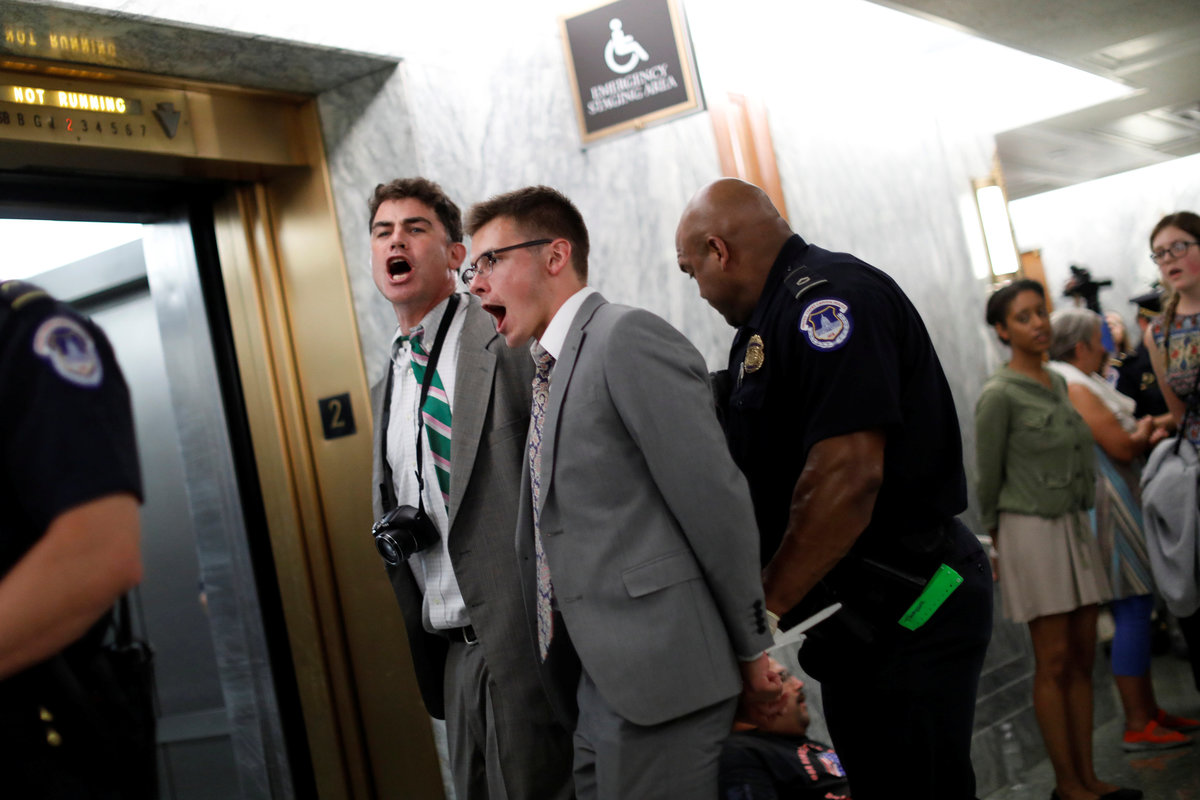
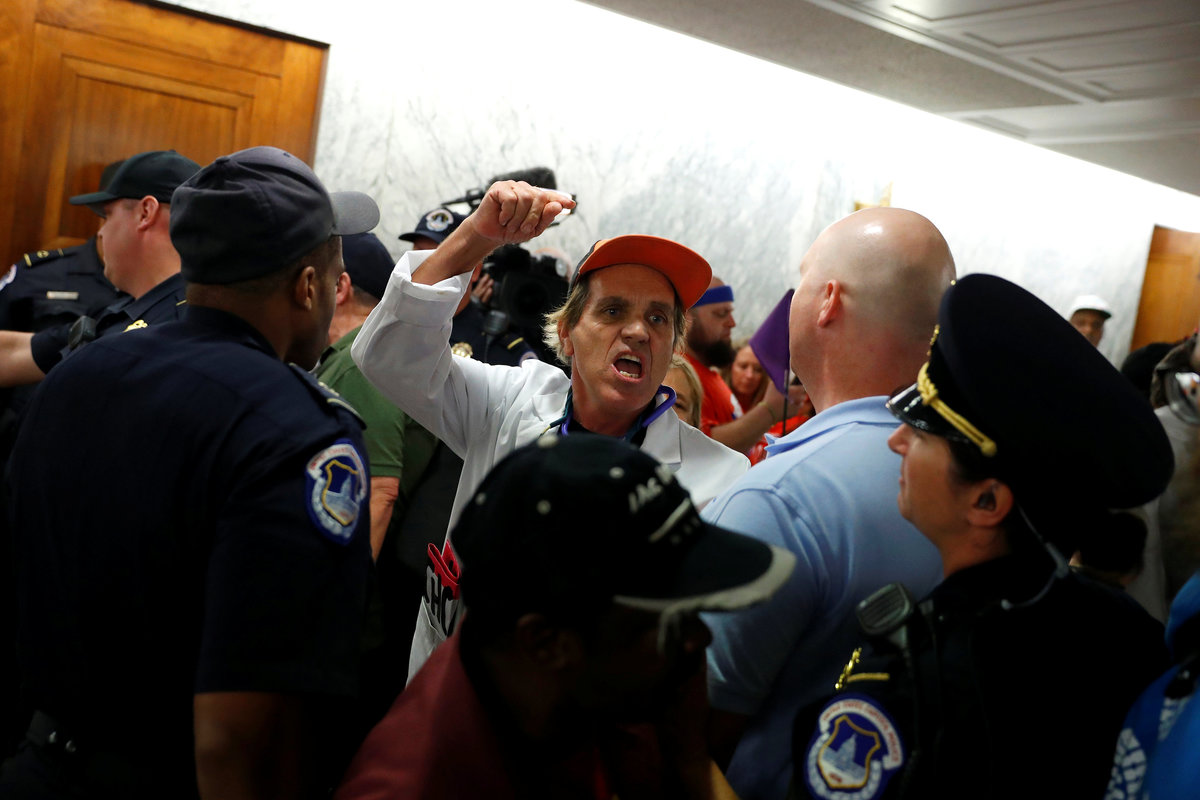
Six protesters staged a "die-in" on the floor of a Senate office building, lying on the ground and covering their heads and bodies with a white shroud to represent what they said would be lives lost if the bill passed.
The non-partisan Congressional Budget Office said the number of people with health insurance covering high-cost medical events would be slashed by millions if the latest Republican bill had it become law.
The CBO also found that federal spending on Medicaid would be cut by about $1 trillion from 2017 to 2026 and that millions of people would lose their coverage in the program, mainly from a repeal of federal funding for Obamacare's Medicaid expansion.
(Additional reporting by Richard Cowan, Amanda Becker Yasmeen Abutaleb and Susan Heavey in Washington and Jeff Mason and Lewis Krauskopf in New York; Writing by Andy Sullivan and Alistair Bell; Editing by Bill Trott and Peter Cooney)