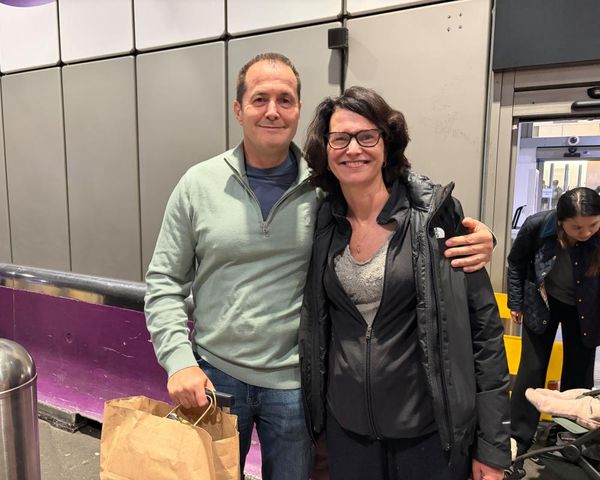
The stench of cat excrement and rotten food hit telephone engineer Brad Sturrock with such force at the doorstep of a home in Blyth that he nearly turned on his heel. He’d arrived only to fit satellite TV, but when a toddler in soiled nappies waded out of a back room through fly-infested pizza boxes and beer cans, he knew he had to take action.
Sturrock went straight to his van after completing the installation, looked up the number for the NSPCC helpline (0808 800 5000), and reported what he had seen. Having answered a number of practical questions, he was relieved to hear the NSPCC decided immediate action was needed to protect the child. The charity contacted the police, who worked with children’s services to move the toddler to her grandmother’s until it was safe at home for her to return.
“Knowing they had a young child in that mess was just unthinkable, and someone needed to speak up for her,” says Sturrock. “I was worried that if I didn’t get the girl help, no one else would see how she was living. It was such a weight off my mind as I wouldn’t have been able to sleep that night if I didn’t know someone was looking into it. It was such a relief to know that the NSPCC’s helpline was there to help.”
The NSPCC is contacted, on average, 53 times a day by adults, like Sturrock, who are concerned about child neglect – the most frequent concern of the 66,218 contacts from people (pdf) who rang the NSPCC’s helpline in 2016-17.
The subject of abuse and neglect is difficult to miss in the headlines. Official figures indicate that more than 58,000 children were identified as needing protection from abuse in the UK in 2016/17, and contacts to the NSPCC helpline about neglect went up from under 6,000 in 2009-10 to almost 20,000 in 2016-17 (pdf).

Sturrock’s decision to pick up the phone to the NSPCC helpline was relatively clear cut, but for many who decide to take this step, the decision is overshadowed by the question: “What if I’m wrong?” Often, they fear the worst: that an innocent adult will be accused of a crime or a child will be wrongly removed from their family. However, while the latter remains a possibility, it is important to remember that children’s services will work with families to ensure that, if safe, a child or children will remain at home.
NSPCC helpline manager Louise Exton understands this fear, but puts it into context: “Rather than thinking ‘what if I’m wrong?’ ask yourself ‘what if I’m right?’ So much abuse is perpetuated because of silence. Children are silenced and adults will not talk.”
The threat of retaliation can also be a deterrent, which is why the NSPCC asks callers if they want to remain anonymous, as well as offering an online reporting system, for those who may prefer to email to convey their worries, report problems or get advice on child protection.
Alarm bells may ring for many reasons. It could be concern about a sudden increase in aggression in a young person, the sound of shouting, crying overheard through open windows that’s too frequent, or simply a feeling that something is not right.
The free 24-hour NSPCC helpline is designed to shift the burden of decision-making away from the concerned adult and on to the paid professionals who answer the NSPCC phones. They treat all knowledge in confidence and will make sure that appropriate action is taken to protect the child in question.
In some cases, a conversation between the caller and the NSPCC practitioner may lead to a mutual decision that there’s not enough information – the practitioner can then signpost the caller to other services such as GPs, community services and schools that may be able to provide support for early intervention or monitor a situation where there is not enough information to make a referral.
But where there are concerns about the safety of a child, an NSPCC practitioner will be on immediate alert to implement safeguarding measures. An open conversation will take place with the caller to establish the facts, decide whether the police or children’s services need to be involved – or both. Then a swift phone call can have the appropriate services moving in minutes. In 2016-17, 72% of all helpline contacts led to a referral (pdf).
“We hear from people who think they’re being ‘nosy neighbours’,” says Exton. “It is always right to talk about concerns and to get advice, which will allow us as professionals to make the right decision for the good of the child.”
If you’re in a situation where you suspect abuse or neglect of a child but they haven’t actually said anything to you, there are a number of steps you can take.
Continue to talk to the child
Most children who are being abused find it very difficult to talk about it – and in some cases may not even realise they are being abused or neglected, which is why it is so important for adults (whether they are in direct contact with a child or not) to remain on the lookout for signs of abuse, neglect or both. If you are in direct contact with a child who you are concerned about, try to keep conversations ongoing, as the time may come when they’re ready to talk.
Keep a diary
This is a good way to keep a note of your concerns and the way the child is behaving. It can also help to spot patterns of behaviour.
Talk to the child’s teacher or health visitor
The professionals who come into contact with the child may also have noticed them acting unusually or spotted other signs of potential abuse or neglect.
Get someone else’s perspective
Talk about your worries with a trusted friend or family member, or with an NSPCC helpline counsellor. Ask what they think about your concerns.
Talk through your worries
You can also report your worries to the NSPCC helpline on 0808 800 5000. You don’t have to give your name if you’d prefer to remain anonymous.
Ultimately, reporting your suspicions may be the best option for the safety of the child. It may not be something you want to consider – especially if the person responsible is a friend or family member – but it’s vital that you report your concerns if you feel a child is in danger.
Everything the NSPCC does helps to protect children today, prevent abuse tomorrow, and transform society to make child abuse a thing of the past. Ninety percent of its funding comes from generous people like you, so to help keep its life-changing services running, could you donate today?