A contentious plan to build a cable car to the top of Hobart's kunanyi/Mt Wellington would diminish the landmark's tourism, recreational and cultural values, an independent report has found.
Consultants have advised Hobart City Council to refuse the proposal for 21 reasons after reviewing some 16,500 public submissions and the 1300-page planning application.
They say the cable car is "not consistent" with values of Wellington Park.
The Mount Wellington Cableway Company (MWCC) wants to construct a two-car cableway with three towers to the mountain's 1271-metre summit.
New indoor and outdoor viewing facilities, plus a cafe, restaurant and function centre are part of the plan.
Among the 21 reasons, the report found the scale, mechanisation and emissions of the cable car would "diminish the park's tourism, recreational, cultural and landscape values".
It would also have an "unreasonable impact" on residential areas due to noise and other emissions.
"The proposal does not harmonise with the visual landscape and natural qualities of the site in terms of appearance and proportions," the report reads.
The cable car would generate noise that would have an adverse effect on the "quiet enjoyment" of the mountain.
The report also found the plan is not supported by a geotechnical land instability report that sufficiently considers all risks to life and property that will be triggered by the development of the pinnacle centre.
More than 70 per cent of public submissions were not in favour of the cable car.
"We welcome this report and call on all councillors to heed its recommendations," Residents Opposed to the Cable Car spokesman Vica Bayley said in a statement.
"The proposal to privatise a public reserve and bring mass-tourism to a much-loved mountain has been divisive. This report demonstrates it was destined to fail from the start."
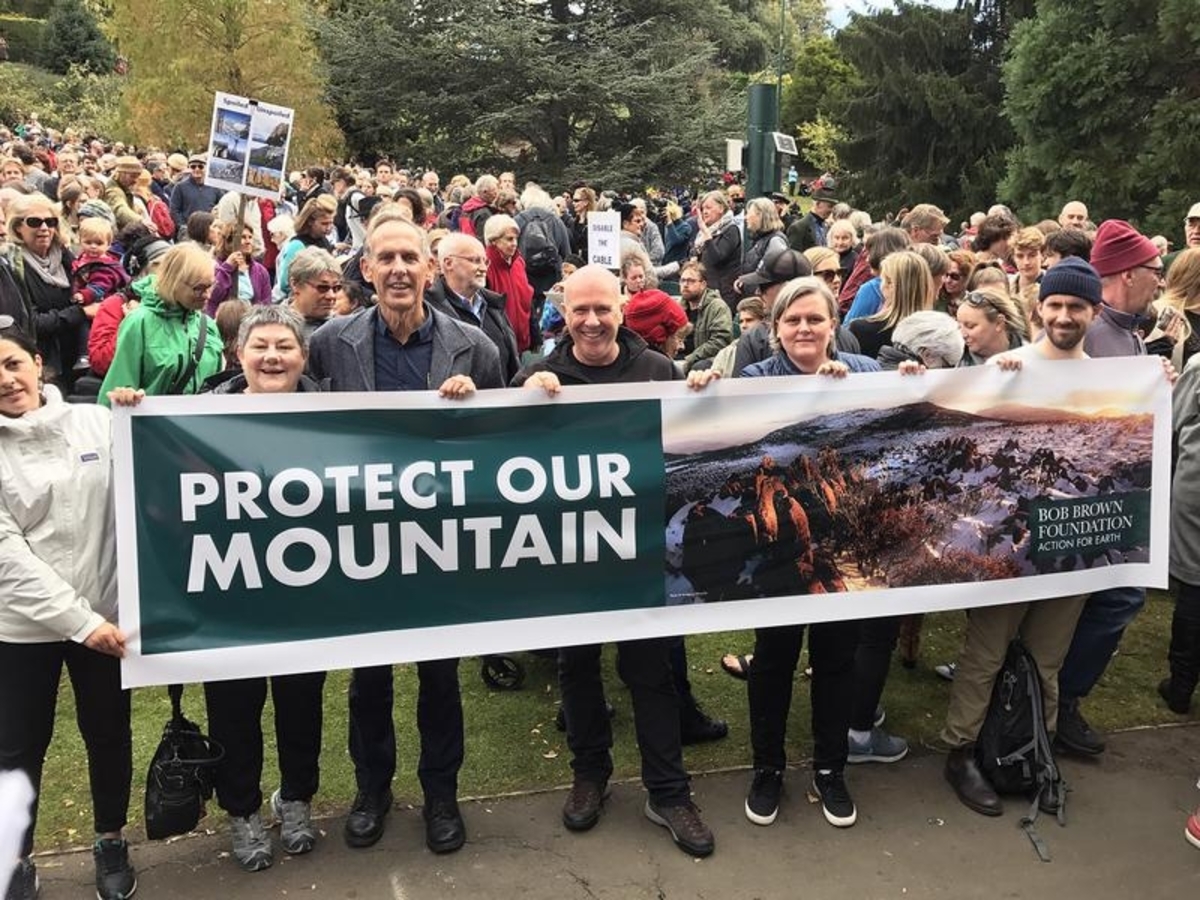
In 2018, thousands protested against the cable car at a Hobart rally headed by former Greens leader Bob Brown.
Hobart City Council will vote on the plan on July 27 at a special meeting. The proposal would still need approval from the Tasmanian Planning Commission and federal authorities if passed.
Aboriginal groups have previously lashed the plan, saying it would damage the cultural value of the mountain forever.
The mountain's summit is currently accessible by walking tracks and a sealed road, which can be closed in bad weather.