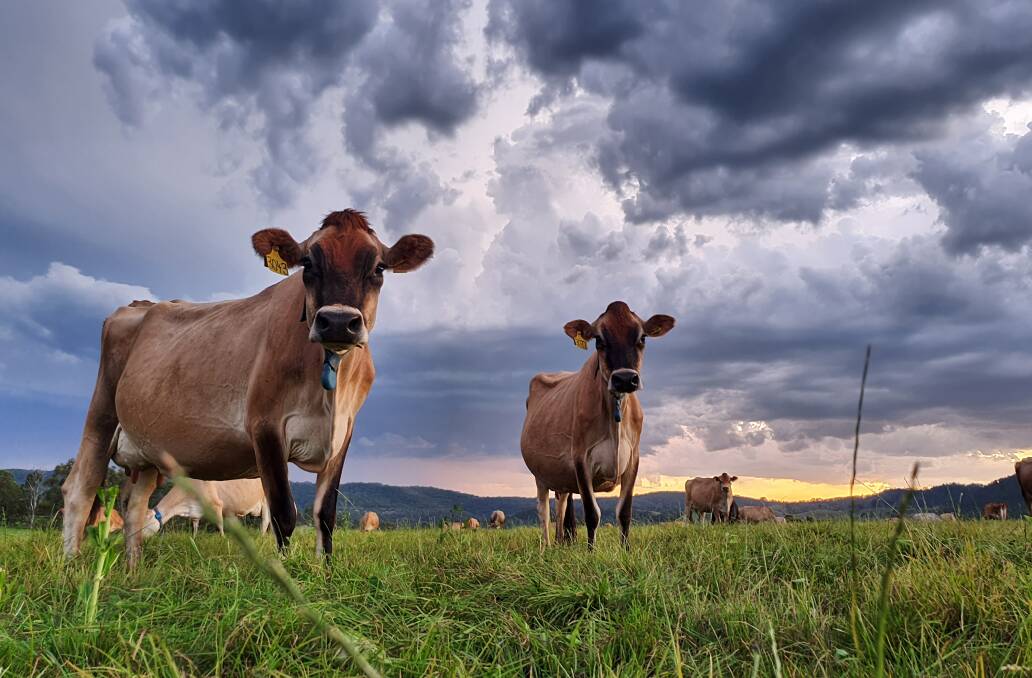
The paddocks may be green once more, but that doesn't mean golden days for the dairy industry, according to Hunter farmer David Williams.
"It's better times, but nobody's making a fortune," said Mr Williams, who has been a dairy farmer on his property at Vacy for 43 years.
"Every month, you're pretty well drained out [financially]."
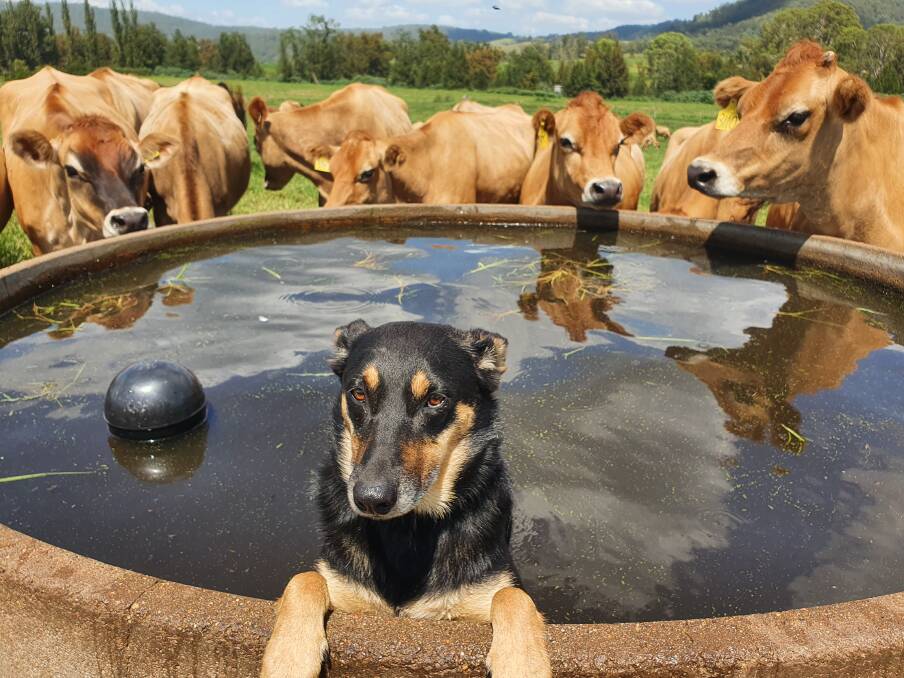
The fourth-generation dairy farmer said while this was a good season, it was getting harder for him to maintain a living from the milking of about 350 cows, mostly Jersey cattle, to produce about two million litres annually.
"It's a case of getting more and more efficient, but it's difficult," Mr Williams said.
Some of those difficulties are explored in a state parliamentary committee report, "Long-term sustainability of the dairy industry in New South Wales", tabled on Thursday.
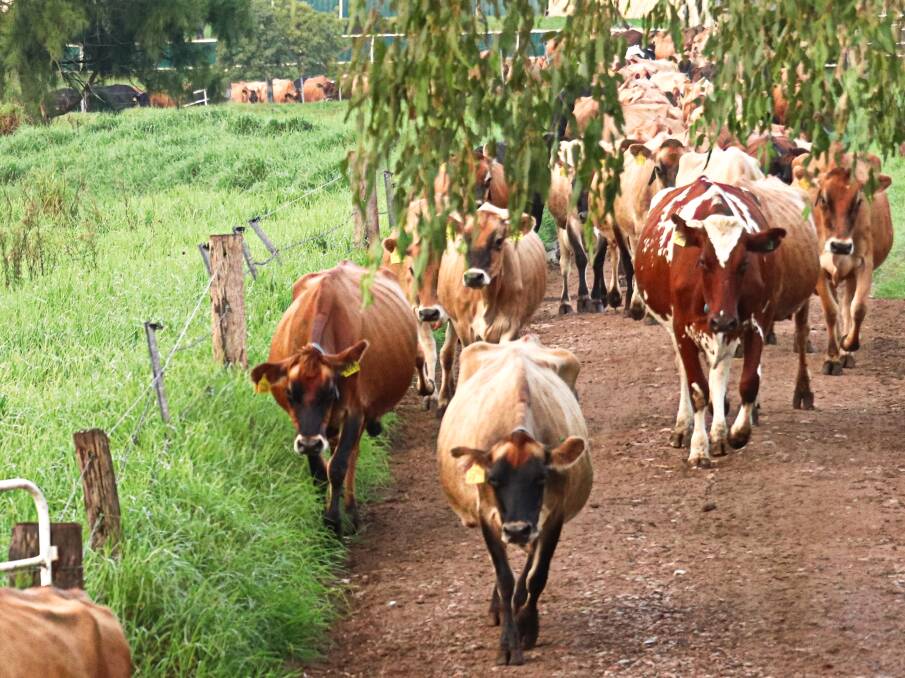
The committee's chair, Mark Banasiak, from the Shooters, Fishers and Farmers Party, wrote in the foreword that the industry's sustainability was "of great concern". The report cited a number of reasons impacting the viability of dairy farming, including the recent drought and bushfires, and market and pricing issues.
The committee chair noted there had been a state inquiry on the same subject only in 2018, with many of the same concerns raised again, "begging the question as to whether recent government actions are making enough of an impact on the viability of the dairy industry".
Scott Wheatley, an Aberdeen farmer and chair of the Hunter Dairy Development Group, agreed many of the pressure points for the industry remained. Much of that came back to what the farmer was paid for a litre of milk.
"We need a higher milk price," said Mr Wheatley, who was paid about 60 cents a litre for what he produced from his herd of 300 cows.
Scott Wheatley said while a state government could provide some relief for farmers in areas such as the price of water and electricity, most of the "big-ticket issues, such as levies and [dairy] floor prices are federal government issues".
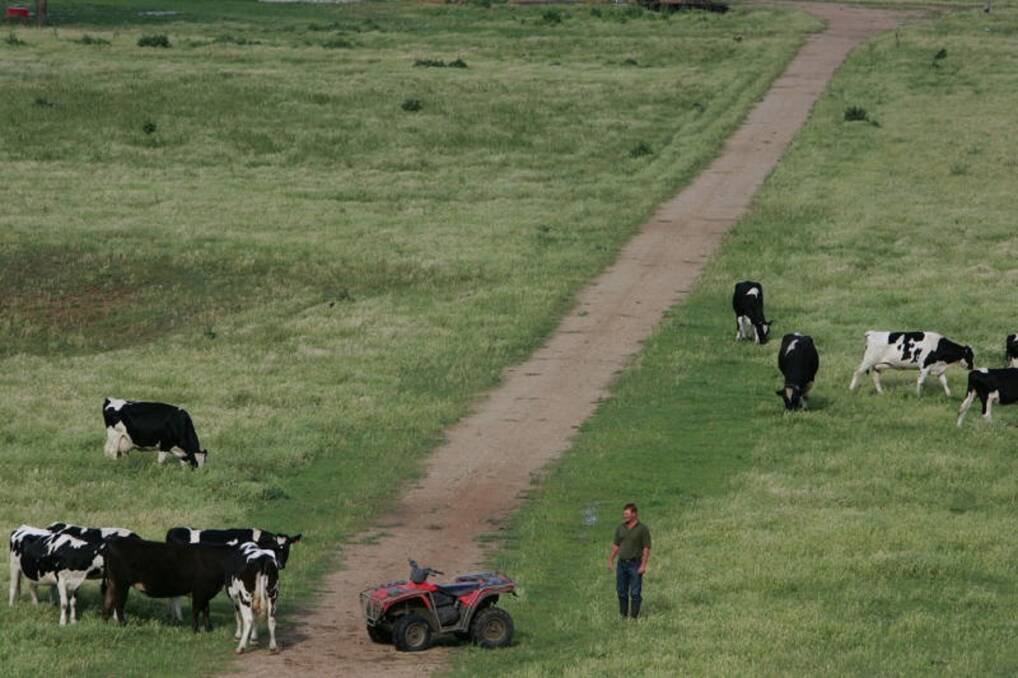
In its report, the NSW parliamentary committee has made eight recommendations for supporting the industry. A number of those recommendations look at pricing and getting farmers a better deal. They include urging the Australian government to require all retailers involved in the supply chain being regulated under the Dairy Industry Code of Conduct, and developing an "effective collective bargaining platform for dairy farmers".
Scott Wheatley saw merit in that recommendation, saying "that might give farmers a bit more leverage with the [dairy] processors".
While the government had appointed a Fresh Milk and Dairy Advocate since the 2018 inquiry, Mr Wheatley believed that role should be strengthened, bolstering the industry representative's ability to "lobby on our behalf".
David Williams said farmers needed more government support at the negotiating table, particularly with the bigger retail players.
"They've never reined in the supermarkets," he said. "They rule everything, price-wise."
The parliamentary committee has also made recommendations for supporting and providing further training for new dairy farmers, as well as looking at a transition program for those wanting to leave the industry.
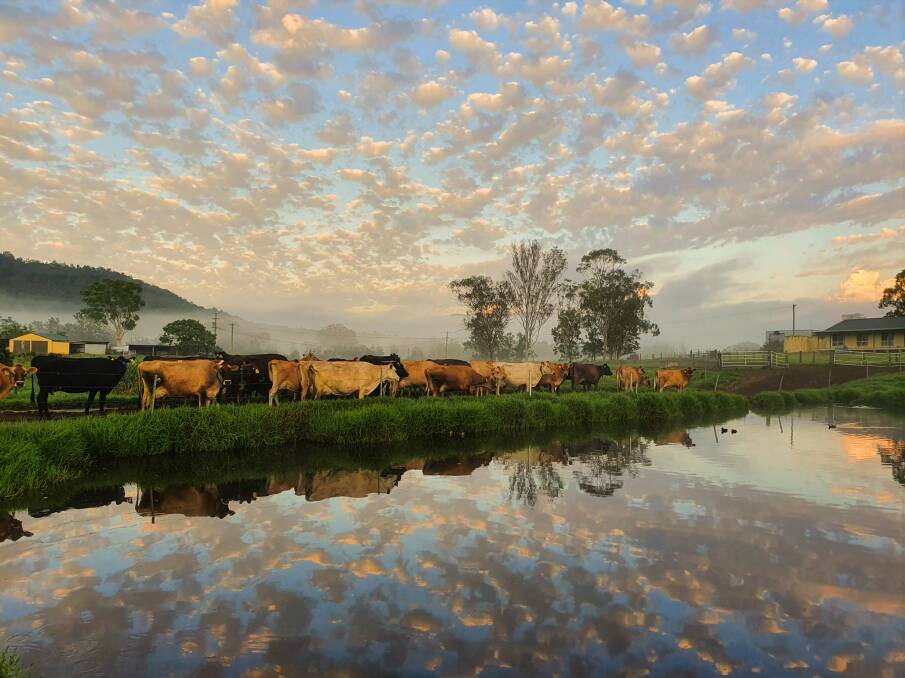
Mark Banasiak acknowledged that flow out of dairying.
"Despite more favourable seasonal conditions over recent months, we are still losing our local, family run dairy farms at a concerning rate and it is difficult for new dairy farmers to enter the industry," Mr Banasiak wrote.
Both Scott Wheatley and David Williams have observed their industry shrinking in the Hunter.
"Around Dungog, we've probably lost five [dairy farms] in the past 12 to 18 months," Mr Williams said. "Around me, there's only a few left."
Scott Wheatley estimated about a dozen local farms had left dairying in the past year, and there were less than 40 operations in the Dungog, Maitland, Singleton and Muswellbrook areas.
Even so, Mr Wheatley believed in the key words of the parliamentary report's title, "long-term sustainability", and that dairying had a future in the Hunter.
"I think there'll always be an industry, but it's hard work, and I've been talking about things like these [in the report] for 20 years," Mr Wheatley said. "It's just how much we can be rewarded for our hard work."
Read more: Dungog dairying legends leave a life of milk