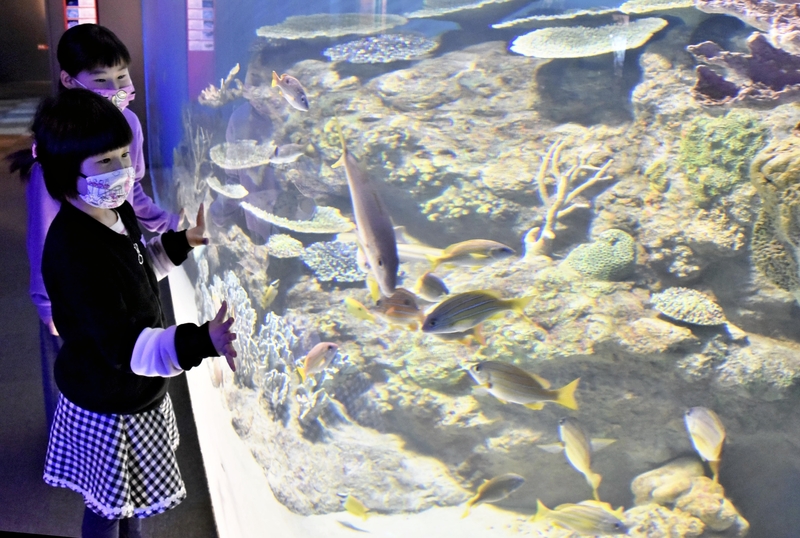
An 11-year-old girl let her voice bounce at the Oga Aquarium GAO in Oga, Akita Prefecture, on Saturday.
"It's fun to finally be able to leave home," said Harumi Hosaka, a fifth-grade elementary school student in the prefecture.
The youngster was one of a number of children visiting the aquarium, which marked the first weekend since the loosening or lifting of restrictions on operations in certain areas.
Many businesses heeded requests to voluntarily close as the nation tries to contain the spread of the coronavirus. At the aquarium and other facilities that reopened for the first time in about three weeks, parents and children returned and had fun.
But there was more to it than just opening the doors again. Such facilities, as well as restaurants, shops and other businesses, had to devise ways to ensure the prevention of the 3Cs -- closed spaces, crowded places and close-contact settings.
However, they have been unable to aggressively attract customers and are forced to operate through trial and error.
At the Oga Aquarium GAO, the visiting children watched in wonder as the tropical fish swam elegantly in the large tank, or cried out in glee at popular animals such as polar bears.
The aquarium was closed from April 21, when the state of emergency, originally covering seven prefectures, was expanded nationwide. It reopened on May 7, when the request for closure was lifted by the Akita prefectural government on all businesses other than night clubs and other such establishments.
To prevent infection from airborne droplets, a clear screen was set up at the reception desk and in the gift shop, and a notice on the wall requests that visitors maintain a distance of 2 or more meters between each other.
The number of visitors was about half the usual amount, but the aquarium is unable to make full-fledged efforts to draw more people. If it gets too crowded, it could result in a 3C situation.
"Even after opening again, we still have a dilemma," said Akihiro Shibata, the 66-year-old president of the aquarium.
In the Ikaho Onsen spa resort district of Shibukawa, Gunma Prefecture, 12 of 44 lodging facilities had reopened as of Saturday. At the ryokan Japanese-style inn Mimatsukan, measures to avoid spreading infection include no longer offering a welcoming cup of tea, while making hand sanitizers available to guests.
Meanwhile, the prefectural government is continuing its efforts to dissuade visitors from neighboring prefectures.
"We've only had about 20% of the reservations of a typical year," Mimatsukan President Hideki Takahashi, 63, said with a grim expression. "But we're still at a stage where we can't plead for people to come."
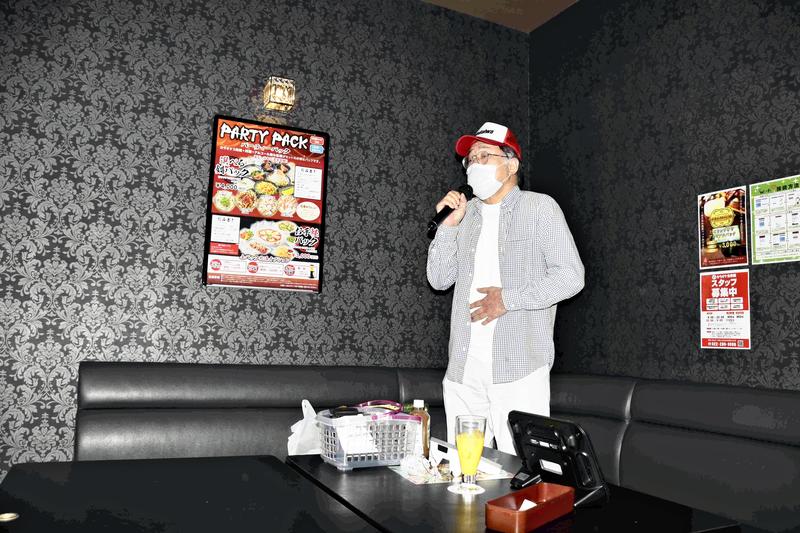
Miyagi Prefecture has lifted its request for closure across all business sectors. At the Karaoke Gasshukoku chain's Sendai Rokuchonome outlet in Wakabayashi Ward, Sendai, more than a dozen customers came through the doors when it opened for business at noon.
"It was boring being stuck at home during the long Golden Week holidays," said a 40-year-old office worker from the city's Izumi Ward. "I need to relieve some stress."
As karoake shops are settings that easily produce 3C situations, the outlet has adopted a "one person, one room" policy in principle as an infection-prevention measure. To minimize contact between staff and customers, food and other items are left on desks set up in the hallway, which the customer comes to pick up themselves.
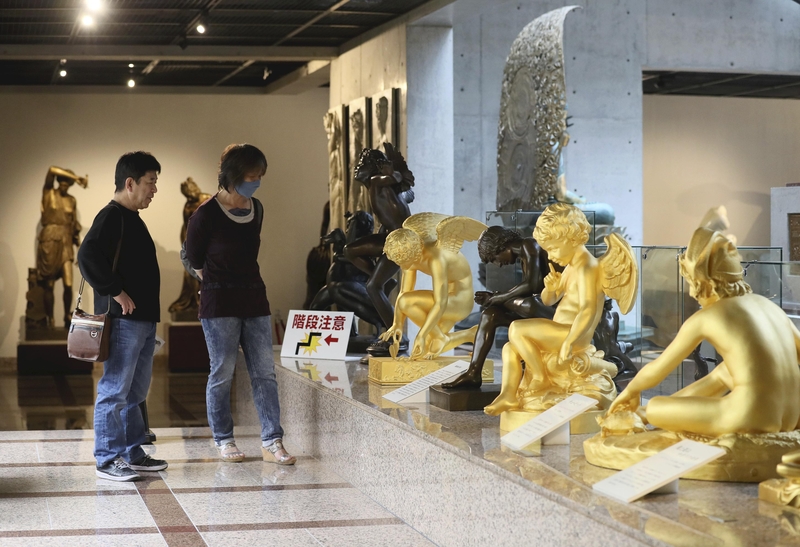
At the Japon Louvre Sculpture Museum in Tsu, stairway railings and other items often touched by visitors are frequently disinfected by staff. Visitors are urged to wear a mask and use hand sanitizers, and non-Mie Prefecture residents are asked to refrain from coming. The museum, which displays sculptures based on works of art from the Louvre in Paris, plans to halt sales of advance tickets to those outside Mie Prefecture.
"The coronavirus is a long-term problem," said curator Norikiyo Takegawa, 58. "We will have to take measures such as limiting those allowed to enter if many people come."
Read more from The Japan News at https://japannews.yomiuri.co.jp/