
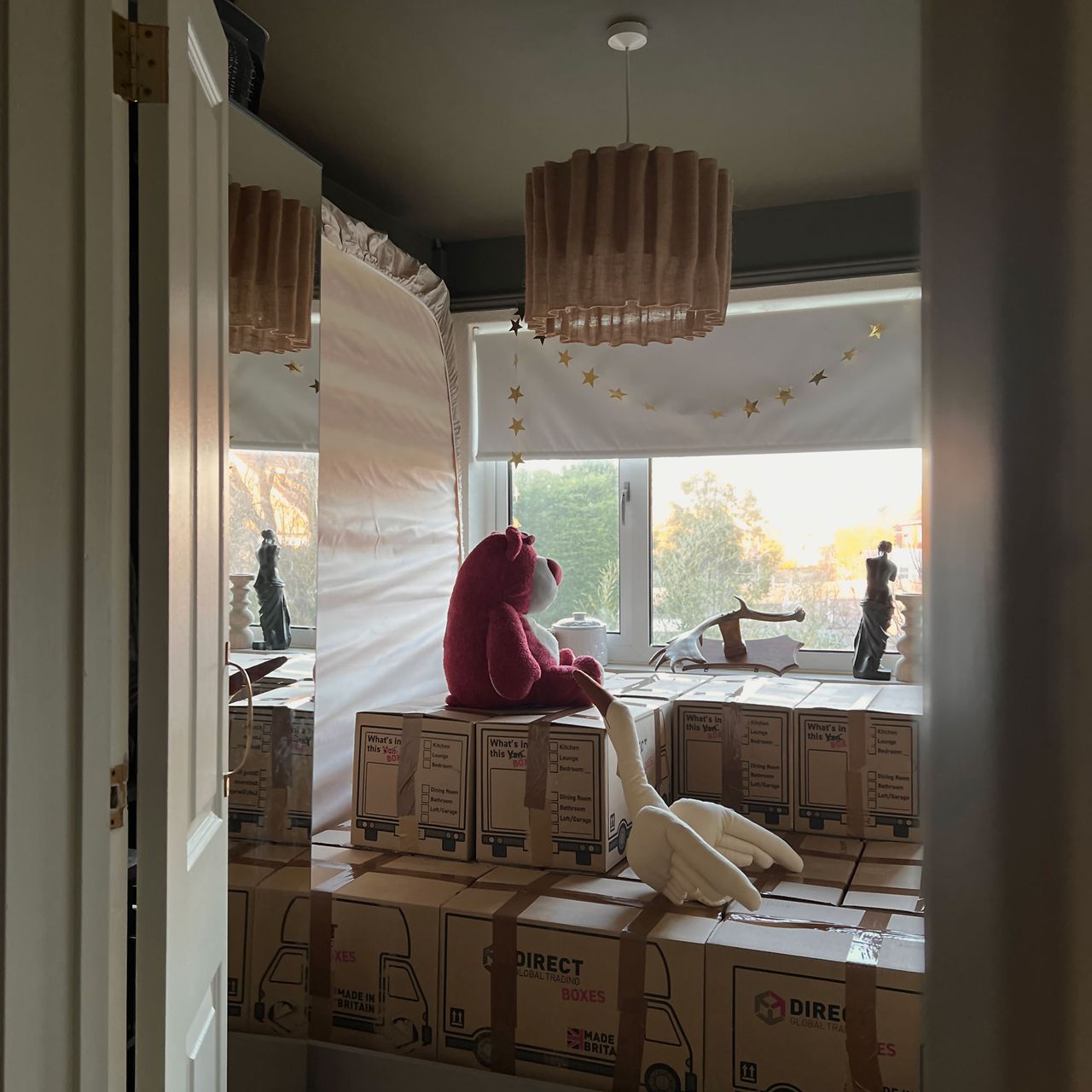
Home decorator and content creator Leah Hodson is one of Ideal Home's new Open House contributors, sharing her thoughts on overhauling a home with clever DIY and decorating tricks. See the rest of her articles here.
This week marks the start of our renovation. When we bought our house, I always had a vision of an apex extension to the rear of the house with a kitchen overlooking the garden.
Alas, we don’t have a huge budget to do that. Instead, I’ve opted for a rather small (2.5m x 2m) extension, garage conversion and internal re-design, that will give me ample storage and segregation of space in my 1960s home. Read on for everything that led to this point!
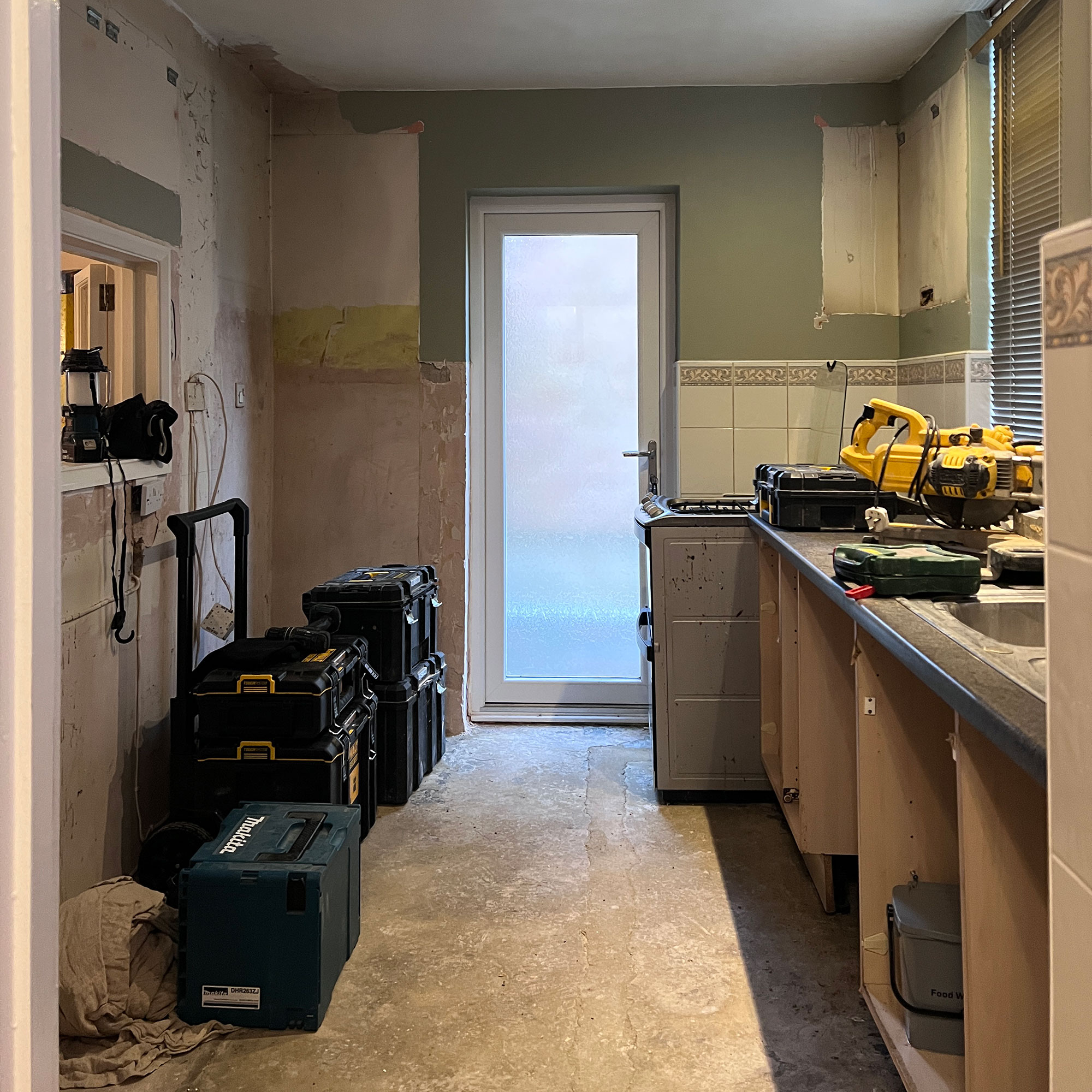
Planning with the architect
The extension process actually started back in August 2024, when we were looking for an architect to help with planning. Whilst you don’t need an architect to submit planning, when I first started thinking about our extension, I honestly had no idea what I wanted.
I began by Googling architects in our area and trawling through approved plans on the council website to see who had worked on similar homes. We invited a few over to talk through ideas, and those conversations alone were invaluable.
It was during this stage that we learned a double-storey extension wouldn’t be possible for us, as second-storey extensions need to sit at least 1.5 metres from the side boundary in our area.
Architect fees varied wildly, from fixed costs to a percentage of the build. We chose a fixed fee - a percentage of the build felt like a bit of a chicken-and-egg situation I wasn’t comfortable with at the time.
The architect put the plans through and thankfully it was approved, despite our neighbour taking issue with the plans…
Rethinking after approval
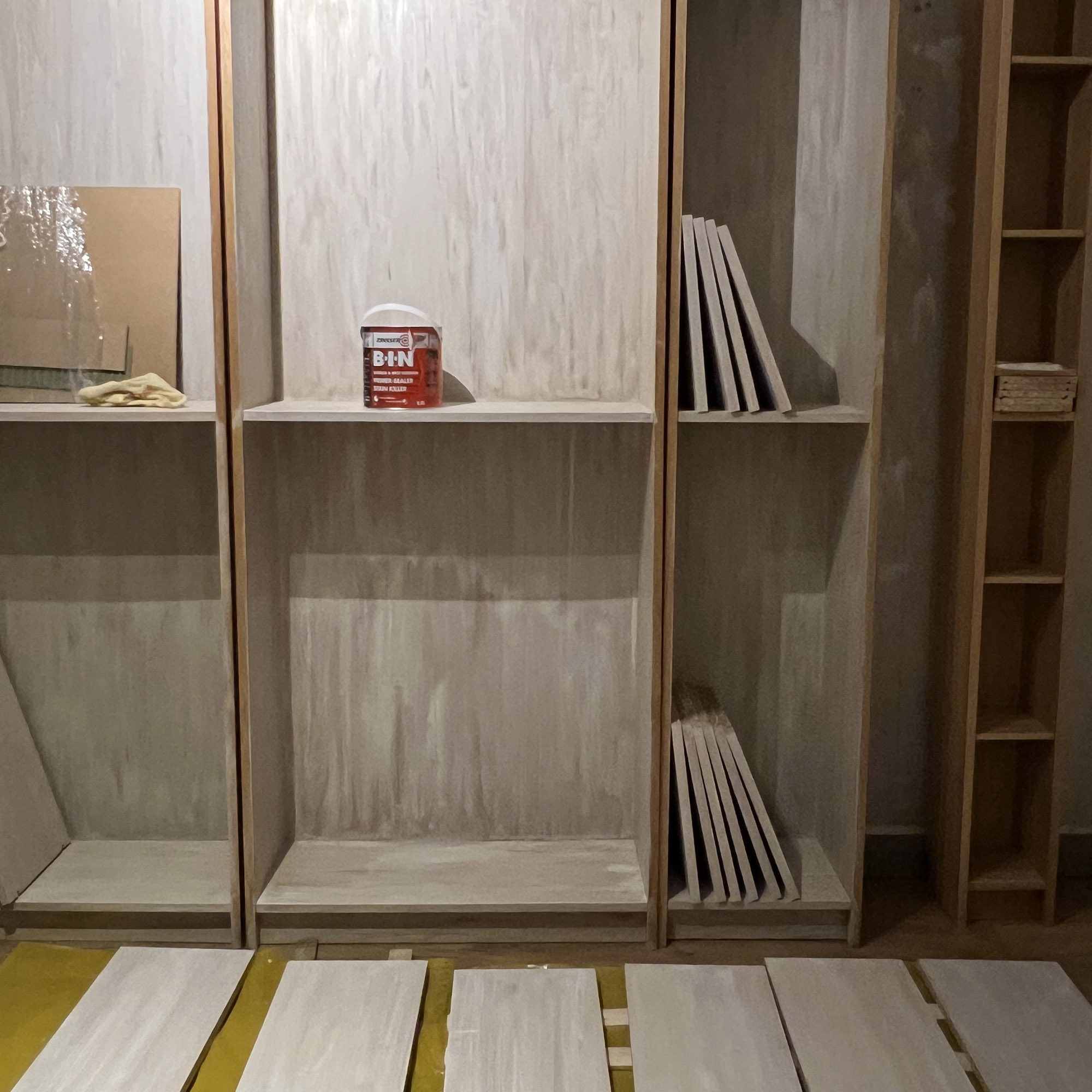
We live in a semi-detached house, but our extension is on the side we’re not attached to.
When we first submitted the plans, I wanted to push the extension as far as possible, building right up to our other neighbour’s wall. In theory, it would have turned two sets of semis into what looked like a terrace of four houses. Understandably, the neighbours objected, although the council ultimately approved it as our house sits slightly set back from theirs.
Once planning was granted and we had time to reflect, we realised that leaving a gap actually made far more sense. We’ve since decided on a 60cm space between the houses, which feels like the right compromise. It also solved a very practical issue we’d somehow overlooked at the planning stage… where on earth the bins would go? Sometimes the best decisions come after approval, not before.
If you're interested in becoming one of our Open House creators, sign up to learn more here and we'll be in touch with more details very soon.
Finding our wildcard builder
The worry didn't stop there either - next came finding the right builder. This is where things start to feel really daunting, because you’re suddenly talking about tens, if not hundreds of thousands, of pounds.
We cast the net wide, using recommendations from previous trades, Checkatrade, our architect’s suggestions and even the occasional leaflet through the door. In total, we met with six builders and talked through our plans in detail. Interestingly, the most expensive quotes came from builders recommended by previous trades and those found via Checkatrade.
But just like meeting multiple architects, speaking to different builders gave us invaluable insight. I went into those meetings set on pocket doors and underfloor heating, but after several conversations, and some honest reflections on how we actually live (not just how we want our home to look), we decided against both.
Meeting so many trades also helped me understand their personalities and working styles. I’m the one with more opinions on the build, so it mattered to me that whoever we chose would listen, communicate clearly, and genuinely take my ideas on board!
In the end, we went with a bit of a wildcard - a builder who came through via a simple leaflet drop. No long trail of personal recommendations, no shiny Checkatrade badges. It felt like a leap of faith, but it also made us question whether choosing a builder based on recommendations or verification truly guarantees a smoother experience.
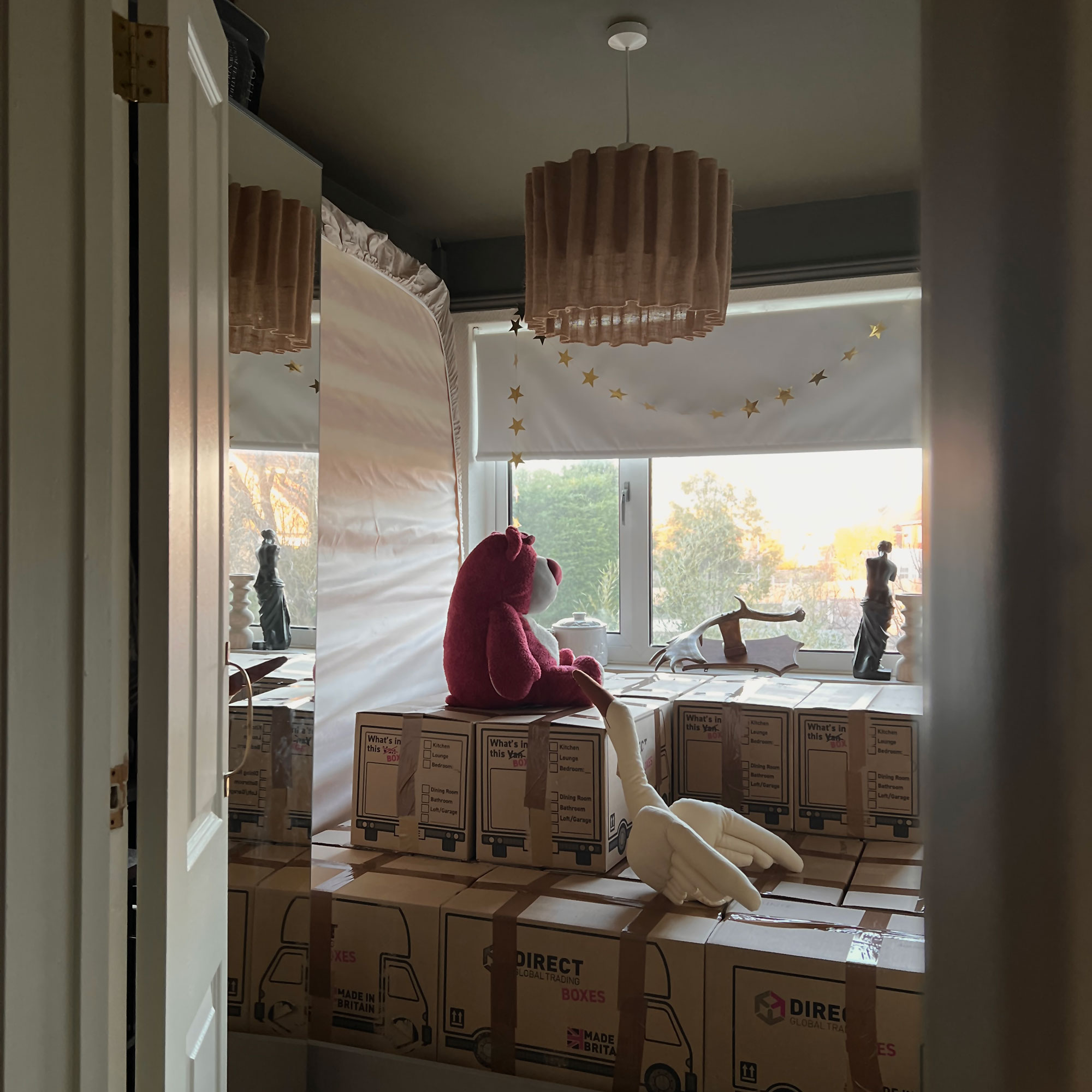
We’re only in the first few days, but so far, it’s been going well. I completely understand the trepidation that comes with every stage of a renovation, especially when each decision seems to cost more than the last.
Hopefully, by documenting our renovation journey here, it’ll help build confidence - whether that’s to start your own project, or simply to know when and how to ask for help along the way.