FROM a parochial perspective, the first thing to say about the NSW government's new Electricity Infrastructure Roadmap is that the Hunter should have been included as one of the initial Renewable Energy Zones created under the policy.
Because if the Coalition government is to live up to its "free market" mantras, then it should let the businesses involved decide where the infrastructure goes, especially as they are expected to provide the $32 billion in capital that the government and its consultants expect this dramatic overhaul of the power grid to cost.
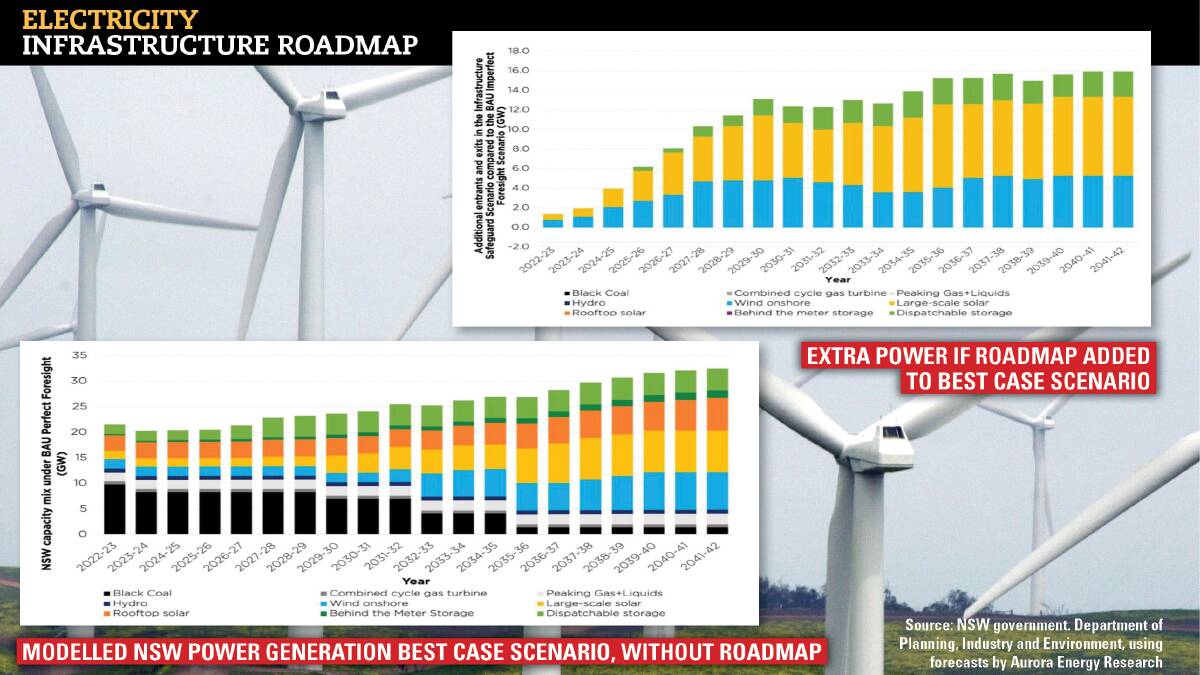
Putting our regional concerns to one side, though, it should be said that Energy Minister Matt Kean has come up with a renewable energy policy that will give both broad sides of the debate a lot to think about, not least because it spells out the sheer scale of the task if we are to turn off our coal-fired generators, without resorting to candles.
The report says that each renewable zone is expected to take up to 10 years to build, with eight years for each pumped hydro project to develop.
Each zone could require up to 11,000 kilometres of transmission line and "over 2000 square kilometres" - or 10 times the Newcastle local government area - of "generation" space.
The need to provide such a massive area for solar panels, wind farms and pumped hydro facilities is likely to be the major reason the three identified zones are all in rural NSW.
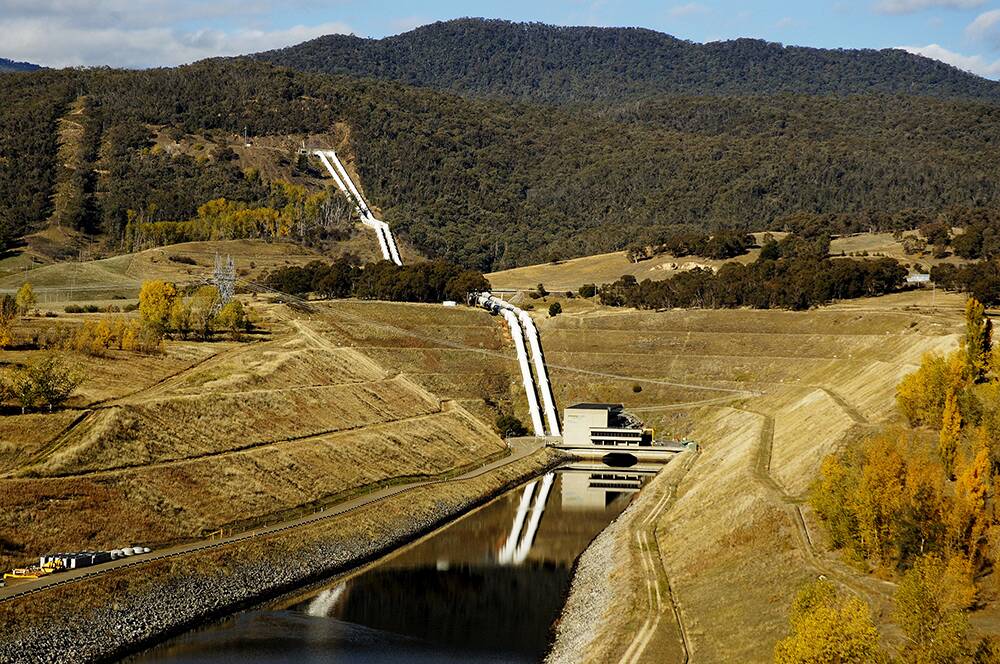
As shocking as this 2000-square-kilometre figure should be, it should also be noted that the pumped hydro method of "storing" electricity remains a relatively untested technology.
The report acknowledges the "bespoke design, long lead times and capital-intensive" nature of pumped hydro projects are a "high barrier to their development".
Even so, it says NSW will need "another 2.3 gigawatts of energy storage" on top of Snowy 2.0 "to maintain system security and reliability".
Snowy 2.0 is rated at 2 gigawatts, and has an estimated cost of $5 billion.
There's more in the report, and all of it to be paid for by the private sector, which must presumably make a profit, while delivering the government's promised cheaper electricity.
Intentionally or not, the government roadmap is a wakeup call to those who think the switch to a renewables-dependent grid will be an easy transformation.
ISSUE: 39,460.
READ ALSO