In the future, smart meters could notify electric cars when to top up with electricity so they utilise energy derived from wind, waves or solar, and enable smart white goods, such as dishwashers and washing machines, to come on when demand from the grid is low and energy is cheapest.
Everyday tech interacting like this might once have sounded like science fiction, but it’s not as far off you might think. And what’s more, it will be key to helping Britain hit its goal of cutting greenhouse gas emissions to net zero by 2050.
“Smart meters will be crucial to helping to fight climate change, and contributing to a national grid that can operate entirely on renewables,” says Robert Cheesewright, director of communications at Smart Energy GB. “We need to use energy from wind turbines and solar panels – but obviously the wind doesn’t blow at the exact same time that we use our energy. What smart meters enable the system to do is incentivise us to use energy when it’s good for the system – or, in the future, work with other technologies to do that job for us.”
Smart meters communicate wirelessly with energy suppliers, meaning households no longer have to keep track of their usage, and estimated bills are a thing of the past. An in-home display shows homeowners their energy consumption – and how much it costs in pounds and pence – in near real-time, giving consumers a better understanding of, and more control over, their energy use than ever before.
Combined with “time of use” tariffs – when energy is cheaper, for example at night – smart meters can help Britain avoid the peaks in electricity demand that force operators to switch to polluting coal power. According to the Energy Saving Trust, Britain could achieve 11% of its 2050 carbon target simply by household energy efficiency measures.
But this is just the tip of the iceberg. What’s truly exciting is how, in the near future, smart meters will work alongside other smart devices for the greener good.
“We are starting to see innovation in things like smart white goods, and smart meters are at the very centre of all this future tech,” Cheesewright explains. “So, for instance, you have your dinner at 7pm, you put all your dishes in the dishwasher and set your dishwasher to come on when energy is cheapest. It then works with the energy system to do dishes overnight – as cheaply and greenly as possible.”
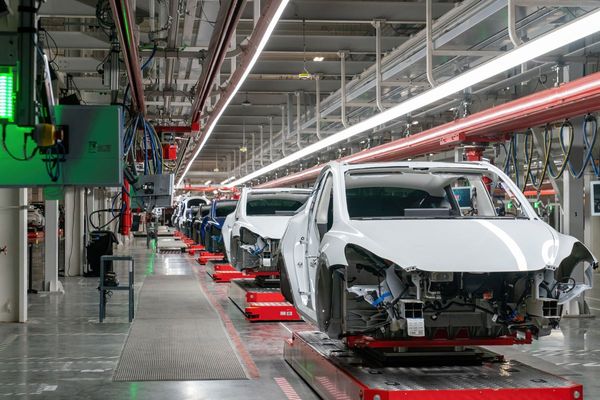
This smart tech collaboration will be even more vital when there are more electric cars on the road. At that point, smart meters will be necessary to make sure that the grid can not only cope with demand, but that the energy we use is as clean as possible.
Smart meters were first invented in the 1970s, says Cheesewright. “They were less thinking about climate change and more thinking about it as a telecommunications thing where, if you can digitise everything you can make it more efficient.”
But now, they’re seen as a key tool in helping the UK decarbonise its energy supply. Last summer, Britain went more than 67 days without burning coal for the first time since the Industrial Revolution. The government has pledged to end the use of coal power by 2024.

Ecotricity founder and environmentalist Dale Vince agrees that smart meters will be key to helping Britain move away from fossil fuel-derived energy sources in homes and transport.
Vince, a former new age traveller, founded the UK’s first green energy supplier 25 years ago, building Ecotricity’s first wind turbine in Gloucestershire in 1996. As owner of Forest Green Rovers, he has also transformed it into the world’s first vegan football club.
“Smart meters are fundamental to bringing the energy industry into the 20th century – never mind the 21st,” he says. “Where else do we currently have meters that people need to read themselves?
“Nine out of 10 problems in energy supply are related to meter reads. The sooner that is a thing of the past, the better. Smart meters will also enable people to better understand their own consumption and pattern of use.”
Smart meters will work alongside new technologies such as grid-scale batteries, which allow electricity suppliers to store energy from renewable sources to use later, says Vince.
“We need a smart grid to operate at 100% green. Smart meters are a key part of this, along with grid-scale energy storage and ‘smart demand’ – a relatively new approach that sees demand as a controllable element.
“The switch is underway, we’re at circa 40% green electricity now and could be at 100% within 10 years,” he says.
Electric cars, side by side with smart meters in homes, will also be a key part of the UK’s drive towards net zero (and cleaner air), Vince believes.
“Electric cars are vital for reducing fossil fuel consumption in the transport sector and cleaning up the air we breathe, particularly in towns and cities where it’s literally killing people – up to 40,000 every year.
“Ultimately we have to give up fossil fuels in our energy supply and in transport, and replace them with green energy. The transition is under way, but we all need to play our part, and getting a smart meter installed is a big part of that.”
Join the energy revolution and contact your energy supplier to request a smart meter. For more information visit smartenergygb.org
This article was paid for by Smart Energy GB – the not-for-profit, government-backed campaign helping everyone in Britain to understand the importance of smart meters and their benefits to people and the environment.