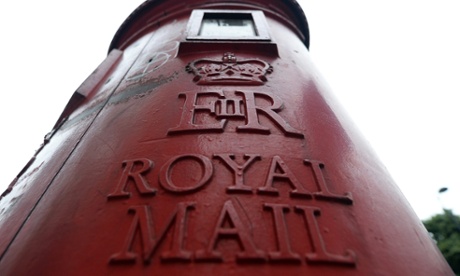
The sale of the last 30% of Royal Mail “will be designed to deliver best value for money to the taxpayer”, says the Treasury. Let’s hope so because it would make a pleasant change. Last time, at privatisation in 2013, the state sold at 330p, which turned out to be a gross undervaluation. The stock immediately shot above 400p and has spent barely a day below that level. It has been as high as 600p and has now settled around 500p.
This time there can be no excuses. Royal Mail is now a FTSE 100 company and the market in its shares is deep and active, making it easier to define value for money: it means shedding the stock as close to the market price as possible.
In practice, that probably means selling slowly but steadily. The current “trading plan” in operation at Lloyds Banking Group shows the way. A drip-feed of shares is proving very effective. The state’s stake has been quietly reduced from 25% to 19% in less than four months.
The government, then, should forget any fancy idea about launching a second retail offer at Royal Mail. In government hands, a retail offer always means discounts or loyalty bonuses, which are a straightforward cost to the public purse.
Chancellor George Osborne, nonsensically given current success, is committed to a retail offer for some portion of the Lloyds rump. At Royal Mail, he should cast aside any airy notions of promoting “the shareholder society” via the use of discounts.
Keep it simple. If we must relinquish our last Royal Mail shares (currently sporting a not-bad dividend yield of 4%), let it be done at the highest possible price, thus benefitting all taxpayers equally.
Lloyds record PPI fine a knock to Horta-Osório’s credibility
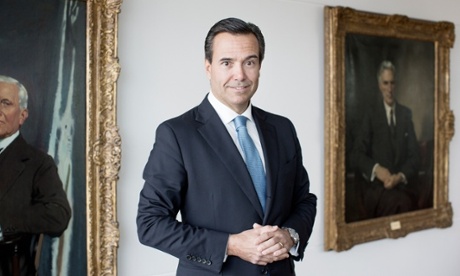
The sale of Lloyds shares won’t be seriously affected by the imminent £100m fine for mishandling payment protection insurance (PPI) claims. But, for the credibility of Lloyds’ chief executive, António Horta-Osório, and his management, a record fine from the Financial Conduct Authority is a serious knock.
Horta-Osório likes to promote Lloyds as a bank that does “the right thing” by its customers. To be fair to him, on arrival at Lloyds in 2011, he broke ranks with the banking industry by conceding that PPI had been mis-sold to hundreds of thousands of customers. But doing the right thing also means handling claims fairly, even if half those claims are fuelled by devious legal locusts.
Horta-Osório can’t say he wasn’t warned. In 2013, the FCA fined Lloyds £4.3m for delays in making compensation payments to up to 140,000 customers. That was firmly on his watch, not the old regime’s.
Lloyds took the affair so seriously that it withheld bonus awards from senior management from 2012 and 2013 until the current investigation was completed. The bank’s pay report suggests that Horta-Osório has £4m-worth of shares at risk.
We await the details of the FCA’s findings but a £100m fine suggests the failings are very serious. If the boss is to see any of that £4m, the Lloyds chairman, Lord Blackwell, will have to provide a very good explanation.
Morrisons should take shareholder rebellion to heart
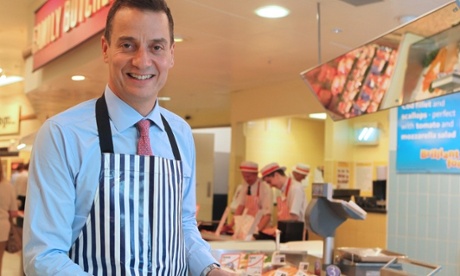
A 35.6% vote against a company’s pay report counts as a big rebellion, even these days. It might have been higher if Dalton Philips, recipient of a £1m bonus, was still chief executive.
New chairman Andrew Higginson can argue all he likes that the company did well to hit targets on profits, cash generation and dividends. But, come on, last year was not a good year for Morrisons: the mechanics of the incentive scheme are flawed if they can still produce such a sum in those circumstances.
Higginson promised a review of incentives and contracts, but didn’t sound thrilled by the prospect. “Knowing what to change may be difficult,” he said. Summon some enthusiasm: a 35% vote against is not good.
Sports Direct appoint will do little to allay fears about Ashley power
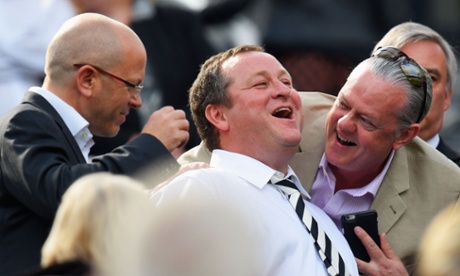
You labour for 18 months to find a finance director and then you appoint the internal financial controller on an “acting” basis. It can only be Sports Direct. Matt Pearson is the chap who has, in effect, got the job on probation.
Few financial specialists get the chance to join the board of a FTSE 100 company at 35, so you can’t blame Pearson for deciding to overlook the less-than-wholehearted endorsement from the board.
But this appointment will do little to address outside shareholders’ worry that Mike Ashley, 55% shareholder and owner, has too much power. Sports Direct would benefit from the scrutiny of an outsider in a key role – still.