Severe flooding has intensified across northern and southern Africa since last October. Extreme rainfall has affected many regions, intensifying sharply in January and leading to widespread emergencies. As the situation continues to unfold, the United Nations is appealing for international assistance.
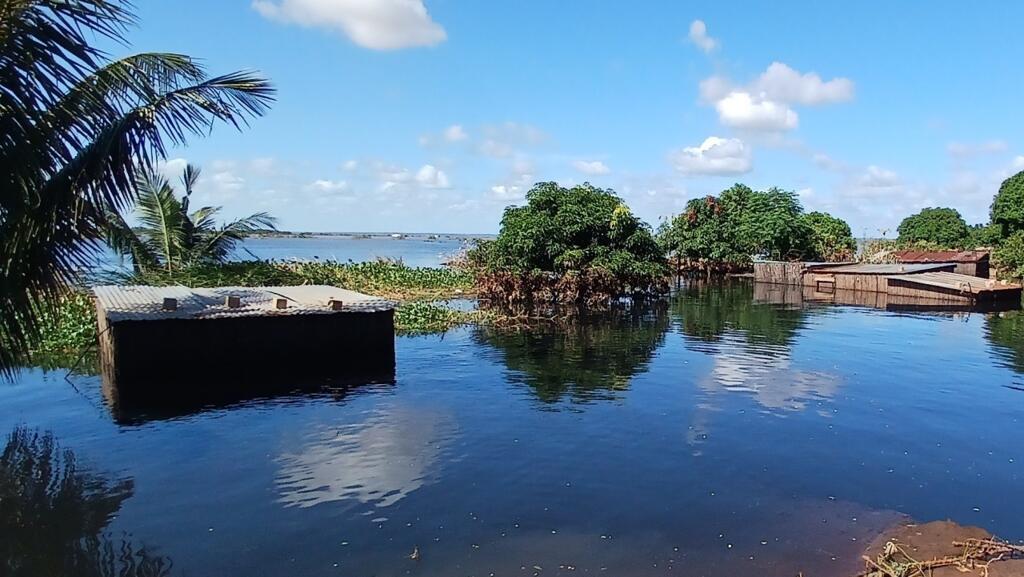
In Mozambique, flood victims are beginning to return home despite the damage.
“My daughters came to pick up their children; they want the whole family to return to Chilembene,” Aïda Mondlane told RFI's special correspondent, standing in water up to her calves, worried. “I told them it was too dangerous, but they refuse to listen to me. So, I’m staying here until they call to tell me everyone made it through safely.”
Five provinces, representing nearly half of the country's territory, remain severely affected by the floods that have plagued the nation since late December.
Much of the infrastructure has been destroyed and the government estimates reconstruction costs at nearly $650 million.
Calls for aid
The United Nations warned on Friday of severe overcrowding in temporary accommodation shelters hosting an estimated 100,000 people displaced by flooding in Mozambique, and appealed for more international support.
The southern African country's latest bout of flooding has claimed nearly 140 lives since 1 October, according to the National Disasters Management Institute, while nearly 400,000 people have had to flee their homes.
"An estimated 100,000 people are now sheltering in around 100 temporary accommodation centres, including schools and public buildings. Overcrowding in these centres is severe," the UN refugee agency UNHCR, said in a statement.
UNHCR Mozambique is seeking $38.2 million in 2026, and the World Food Programme (WFP) said it urgently needs $32 million for the next three months' operations, saying it was stepping up efforts to reach more than 450,000 people.
"The needs are skyrocketing in Mozambique," Ross Smith, WFP's emergency preparedness and response chief, told reporters in Geneva, speaking from Rome. "We are currently very, very stretched for resources."
South Africa, Zambia, Malawi, Eswatini and even Madagascar are also affected by heavy rains and floods.
Cyclone Fytia in Madagascar leaves three dead, flooding affects nearly 30,000
North Africa's unprecedented rains
Morocco, Tunisia and even parts of Algeria are also facing heavy rains and storms.
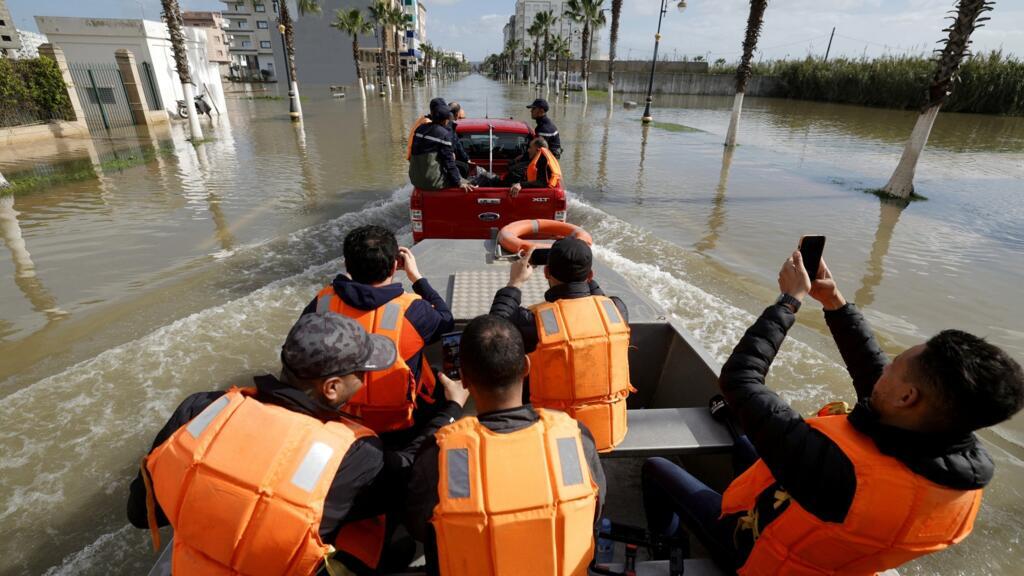
Morocco has deployed army rescue units this weekend to help with the evacuation of thousands of people after floods triggered by torrential rains and rising river levels hit parts of the country's northwest.
Weeks of heavy rainfall, combined with water releases from a nearly full dam nearby, increased water levels in the Loukous River and flooded several neighbourhoods in the city of Ksar Kbir, about 190 km (118 miles) north of the capital Rabat, a national flood follow-up committee said.
More than 20,000 people had been moved to shelter and camps by Saturday, official media reported. Authorities set up sandbags and temporary barriers in flood-prone districts as waters began to recede.
Schools in Ksar Kbir have been ordered to remain closed until 7 February as a precaution.
Last month, 37 people were killed in flash floods in the Atlantic coastal city of Safi, south of Rabat.
Tunisia flooding kills four as record rainfall shuts schools
Endangered heritage
In Tunisia, the famed blue-and-white village of Sidi Bou Said now faces the threat of landslides, after record rainfall tore through parts of its slopes.
Last week, Tunisia saw its heaviest downpour in more than 70 years. The storm killed at least five people, with others still missing.
"The situation is delicate" and "requires urgent intervention", Mounir Riabi, the regional director of civil defence in Tunis, told news agencies. "Some homes are threatened by imminent danger," he said.
Authorities have banned heavy vehicles from driving into the village and ordered some businesses and institutions to close, such as the Ennejma Ezzahra museum.
Beyond its famous architecture, the village also bears historical and spiritual significance. The village was named after a 12th-century Sufi saint, Abu Said al-Baji, who had established a religious centre there. His shrine still sits atop the hill. The village, once home of French writers Michel Foucault and Andre Gide, is protected under Tunisian preservation law, pending a Unesco decision on its bid for World Heritage status.
Experts say solutions to help preserve Sidi Bou Said could include restricting new development, building more retaining walls and improving drainage to prevent runoff from accumulating.
Climate change 'supercharging' deadly floods in southern Africa
Other parts of Africa have also been affected, from East Africa to the Sahel, with climate change increasing the frequency and severity of extreme rain events and floods, even in places that historically had lower rainfall.
(With newswires)