MINNEAPOLIS _ For the second time since the death of George Floyd, Minnesota is reckoning with questions over the transparency of its bail system.
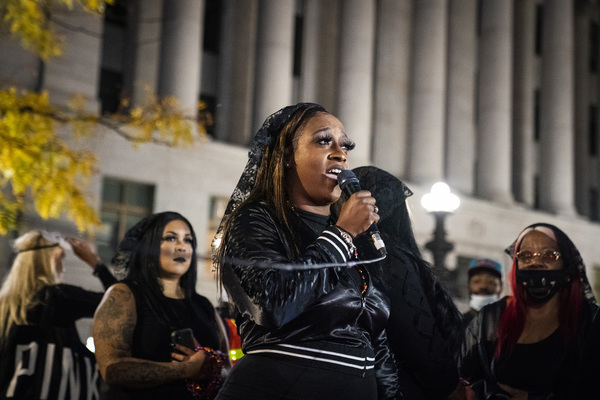
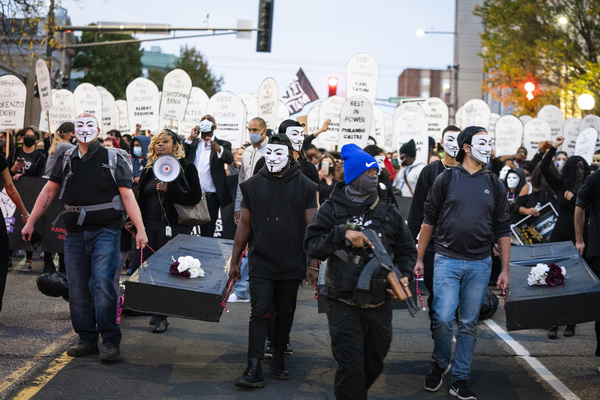
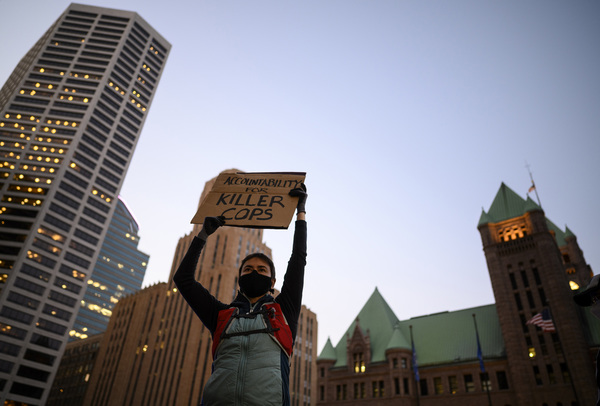
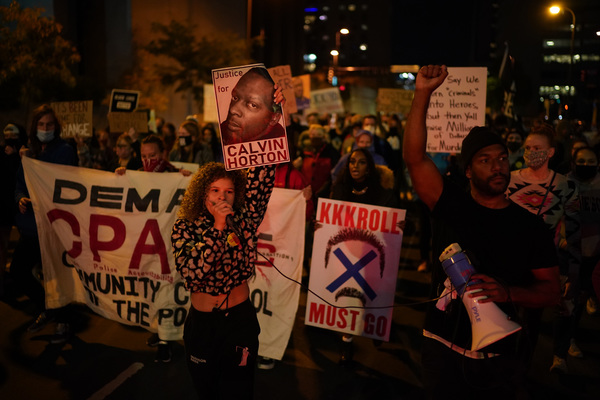
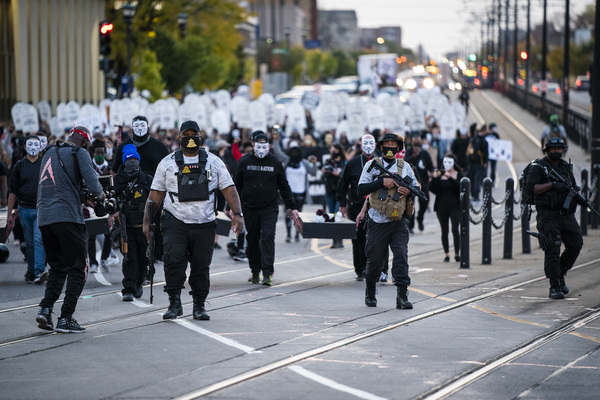
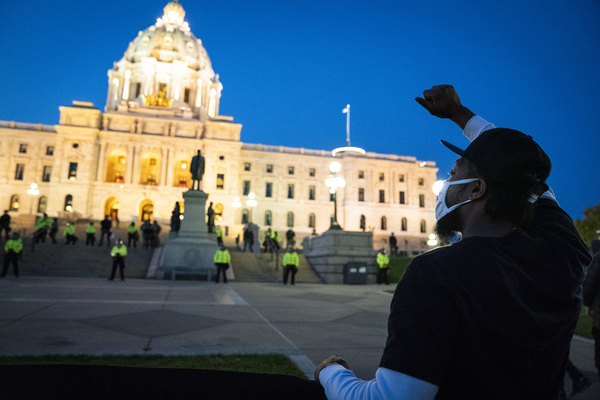
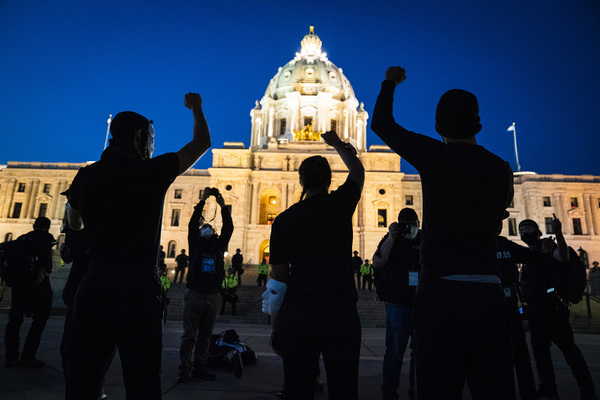
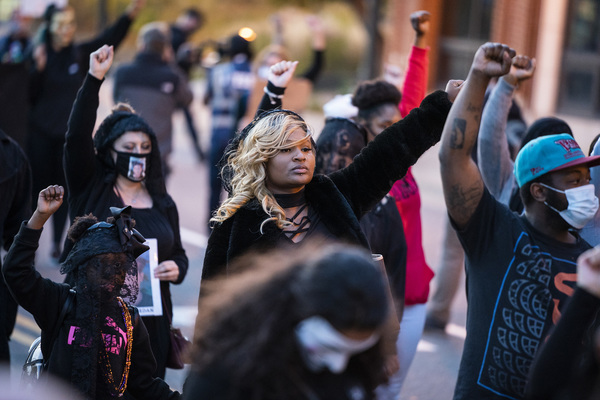
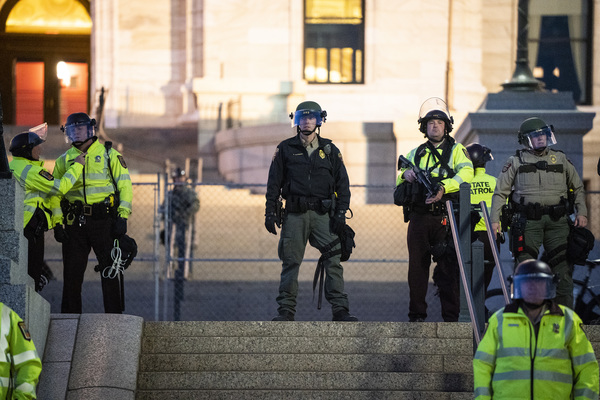
This week, the release on $1 million bond of Derek Chauvin, the former Minneapolis police officer charged with killing Floyd, was so contentious it prompted the governor to activate 100 National Guard members in anticipation of violent protests. Hundreds of people marched down south Minneapolis streets Wednesday evening, many calling Chauvin's release pending trial another example of inequality in the justice system, and Thursday questions lit up social media as to who posted the high-price bail.
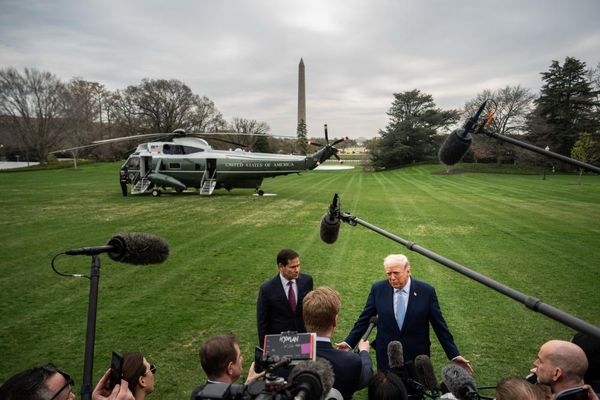
The protests, which continued Thursday night, come a few months after President Donald Trump's reelection campaign leveled attacks against the Minnesota Freedom Fund, a charitable organization that posts bail for people who cannot afford it. Trump's campaign and other Republicans accused the bail fund of endangering public safety by helping release people charged with violent crimes.
The two cases illustrate the complicated politics of a bail reform debate that other states have wrestled with for years, but Minnesota has mostly avoided up until now.
Court documents show Chauvin's $1 million conditional bond was secured through A-Affordable Bail Bonds, of Brainerd, Minnesota. Under Minnesota law, bond companies are not required to disclose who secured the bond or how much they paid in advance. A man who answered the phone at A-Affordable would not even confirm his agency posted for Chauvin.
Republican state Rep. Paul Novotny, of Elk River, wants to change that. In August, following the attacks on Minnesota Freedom Fund, Novotny drafted a bill that would require more transparency in the bail system, including when a third-party posts bail. In an interview Thursday, Novotny said the bill would create a public record showing who is securing a bond with private companies like A-Affordable.
"Should people know who's posting the bail? Yeah," said Novotny, a former law enforcement officer. "Whether it's for a protester or whether it's for this Chauvin guy."
If reelected in November, Novotny said, he will introduce the bill in 2021.
Many news organizations have reported that Chauvin's mysterious benefactor paid $100,000 _ or 10% of the full bail _ to the bond agency, which prompted questions on the source of the money. But bail industry experts say that is not likely the case.
"If someone actually paid $100,000, then he's friends with millionaires, because no one has that kind of money lying around," said Cherise Fanno Burdeen, executive partner for Maryland-based Pretrial Justice Institute.
More likely, said Burdeen, the person behind the bail bond rounded up as much cash as they could and agreed to pay the rest in installments with interest.
"In this type of bail, I'm sure (the bond agency) got a fair amount of collateral," said Joshua Page, who researches bail and other criminal justice issues at the University of Minnesota. Collateral could include a house, cars or other assets, and it's possible the bond company could make Chauvin wear an ankle bracelet ensure he doesn't violate the conditions of his release and leave the state.
Bail reform advocates say the Freedom Fund and Chauvin cases also shows a double standard on part of private bail companies that lambasted the Minnesota Freedom Fund for lack of transparency this year.
"This situation shows you that hypocrisy," said Chief Hennepin County Public Defender Mary Moriarty. "We don't know who posted Chauvin's bail, and we don't see bail bonds companies question that."
Unlike the Minnesota Freedom Fund, which operates on donations, A-Affordable is set to make at least $100,000 off the agreement.
The American bail system, often misrepresented in popular culture, is not designed to be a punishment, but as a way to incentivize people charged with crimes _ and still presumed innocent _ to return to court and face trial.
When someone is arrested, the court assesses the person's risk of not returning, along with the potential threat to public safety. A judge may determine a defendant poses such little flight risk or community threat that the person can simply go free on their word to return. The other option is that the court will conditionally release the individual in exchange for cash, known as a "bond," which the person gets back if they fulfill their promise to return.
The latter is where reform advocates say the system fails. The Eighth Amendment to the United States Constitution prohibits "excessive" bail. Yet 34 % of Americans charged with crimes linger in jail pretrial for no other reason than they can't afford to pay, according to a 2016 report by the Harvard Law School. Hennepin County Judges say they've seen bail set as low as $10 and people still can't afford it.
This systemic inequality has prompted a national wave of change. New Jersey eliminated traditional money-bail in 2014. This November, Californians will vote on whether to get rid of cash bail statewide. Minnesota has seen local efforts to reform bail, but the issue has failed to gain widespread attention until this summer.