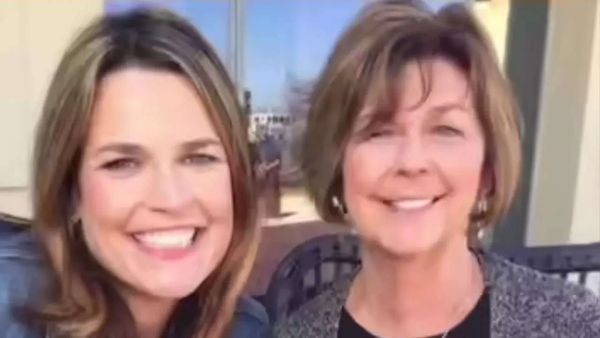
When I founded my small charity in 2007 I was in an emotional whirlwind. My son had got divorced and we lost contact with our granddaughter. We had been in her life for seven years and I was heartbroken. I knew I could either sink or swim, and setting up the Bristol Grandparents Support Group was my attempt to swim. I wanted to help and support others who had experienced what I did.
So I put up posters and wrote to the local press inviting anyone who was estranged from their grandchildren to come to my house for tea and cake.
We’d been up and running for five years when I first approached our patron, Esther Ranzen. She invited my husband and I to meet her and the producer of the One Show. We featured with Esther on the show and she suggested that we become a registered charity.
It made sense. It would show our commitment, give us credibility in the eyes of the public and enable us to apply to a variety of organisations for funding.
So we embarked on the long, hard journey of becoming a registered charity. We didn’t know where to begin, and were lucky to find help in a pro bono charity lawyer. But we still drowned in paperwork, as well as articles of governance to complete, we had to register with Companies House as a company with charitable status, appoint new trustees and raise £5000.
To register with the Charity Commission you have to have at least £5,000 in the charity’s bank account. For a small charity that got excited to have £50 to its name that figure seemed almost unobtainable. But we set about fundraising and with the help of some very generous donors we – to my amazement – raised the money. In March 2015 we were granted a registration number and were delighted. Finally we were a charity.
However the paperwork didn’t stop there. Most of my time is still taken up by filling in forms and I am constantly worried that we are not doing it right. All of this means we now have less time to support and help those our charity was set up to help.
It took us just over a year to become registered and, almost a year after receiving the all-important charity registration number, I am not sure it is worth it. It has made us lose sight of our values, objectives and beneficaries.
We have to have that £5,000 in the bank, and if it drops below we become de-registered. It is a constant worry and to be honest seems ridiculous – the charity does not need that money. We can rely on donations from the public and have a variety of fundraising events every year that keep us ticking over.
Small charities are set up by people who, like me, have been affected by personal pain. We start off with a passion to make a difference and hope that others don’t have to experience what we did. But the registration process only damages that. I started my charity as an attempt to swim in a desperate situation, yet I am sinking under a pile of paper.
Confessions of a charity professional is the Guardian Voluntary Sector Network’s series where charity workers tell it how it is. To pitch us an idea read our guidelines here and email voluntarysectornetwork@theguardian.com.