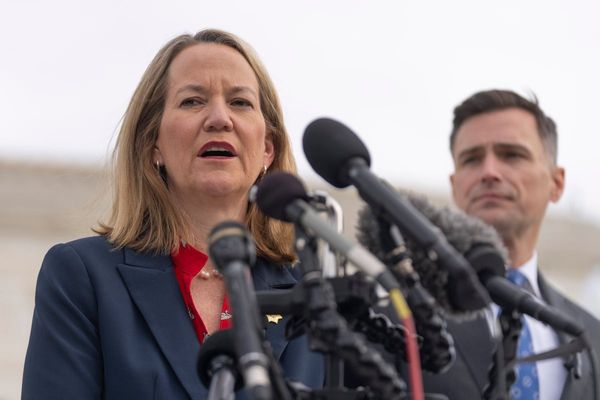
Standard Chartered chairman Sir John Peace called it a boardroom “refresh”, as if he was administering a light rub with a damp towel. But this is a full immersion with deep scrub. Chief executive Peter Sands is going, to be replaced by perennial big-job contender Bill Winters, a former JPMorgan deputy. Asia boss Jaspal Bindra is also out. Peace himself will depart next year, following three long-serving non-executives.
In the slow world of Asian banking, where stable relationships matter (or so Standard always tells us), this is a regime change. Most shareholders will say it’s overdue. After three profit warnings, Aberdeen Asset Management and the Singaporeans at Temasek – the two big investors – applauded Winters’ appointment quickly, almost with relief.
Sands deserved a portion of Peace’s lavish praise. His first six years in the job brought only success, even as western banks crumbled. But the past two years have been horrible.
There was the badly handled run-in with US regulators for busting sanctions against Iran. Sands is also accused of being slow to smell the slowdown in Asia, and then being timid in his cost-cutting. Standard’s profits have doubled during his reign but there’s a reason why the share price is lower than it was eight years ago: Standard’s capital buffers may need reinforcement.
In theory, the problem isn’t serious: 10.7% on the core tier-one measure is within official guidelines. In practice, the market worries that an overexposure to Asian property developers and miners can only lead to a rise in bad debts.
Winters lacks experience in Asia and retail banking, but so what? An outsider’s eyes are required. He is regulator-friendly, too, so not the type to sound off about banks being treated “like criminals” (Bindra) or to try to airbrush a corporate admission of “past knowing and wilful criminal conduct” as a “clerical error” (Peace).
Winters is an investment banker, so knows the game on raising cash from shareholders: if you think you need a rights issue, go early. His arrival sparked a 5% rise in the shares. That looks premature: the presumed hero hasn’t delivered his verdict on capital yet.
Cleaning up RBS
“We should stop kidding ourselves that we’re going to be all things to all people,” said Ross McEwan as he reached for a bigger axe to apply to Royal Bank of Scotland’s investment bank. Job losses among the 16,000 staff will be “substantial”, said the chief executive.
Post-crisis RBS has always had a love-hate relationship with its investment bank. For a couple of years, when returns were good, the unit’s profits came in handy, despite the annual bonus angst. But investment banks require vast sums of capital to operate and being a bit-part player is pointless in today’s climate. Getting smaller would be the right thing to do even if Chancellor George Osborne wasn’t commanding such a strategy.
But we should also stop kidding ourselves that RBS can be returned to private ownership soon. McEwan is correct in boasting that “underneath the conduct, litigation and restructuring charges” there lurks a bank that is operating better. Behind the latest headline loss, operating profits were £3.5bn. But the litigation and restructuring stuff still matters – and keeps coming. The German investigation of the Swiss arm of Coutts subsidiary joins a long list.
RBS does not have to be wholly pristine for the government to sell a few shares – but it has to be much cleaner. Incoming chairman Sir Howard Davies will be lucky if the day dawns within his first two years in the job.
Reed it and weep
It’s a bad sign when you have to ask a company how to pronounce its new name. RELX – what we are now supposed to call Reed Elsevier – does not rhyme with whelks, it can be revealed. Rather, the “x” is more of an “ex”, as in Rolex or FedEx.
“We believe that this shorter and more modern name reflects the transformation of the company to a technology, content and analytics driven business while maintaining the link with its proud heritage,” said Reed, sorry, RELX. Believe what you wish but it sounds more like a constipation tablet.
Isn’t highly regarded chairman Anthony Habgood meant to be above such fads? He made his reputation at Bunzl, hardly a go-go name. And he stuck with the solidity of Whitbread long after the breweries were sold.
Investors will be relaxed about RELX because the company has been a wonderful performer. The share price has more than doubled in the past three years and the Anglo and Dutch ends are now worth a combined £24bn.
On day one as RELX, though, the shares fell 5%. Serves ’em right.