
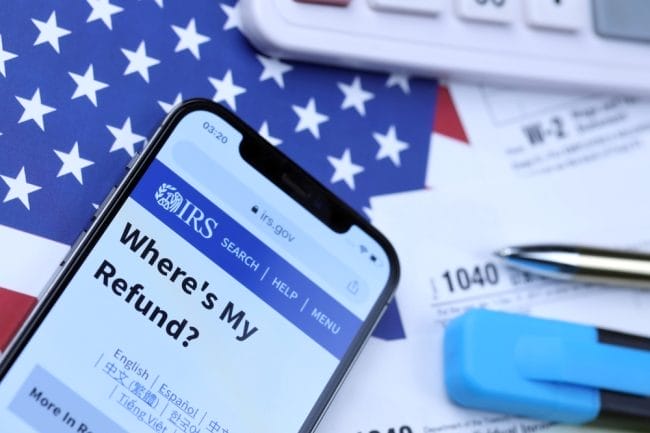
You have been refreshing the Where’s My Refund? tool for days, hoping for movement. Nothing happens. Then you finally pull your tax transcript and see the magic number. IRS Code 846 is the one code every taxpayer waits for during the season. It is supposed to mean your refund has been issued and money is on the way. However, your bank account is still sitting at zero dollars. This is the moment when millions of taxpayers start to worry. The IRS says the refund is out the door, but the money is nowhere to be found. Here is what IRS Code 846 actually means and the real reasons your money is still missing.
1. The Truth About IRS Code 846
IRS Code 846 is the official stamp that your refund has been approved and issued by the agency. It signifies that your return has cleared all internal reviews and math checks. Furthermore, it indicates that the IRS has officially released the funds for delivery to your bank. You should note that the date next to the code is the scheduled release date rather than the actual deposit date. Often, your transcript will update with this code before the Where’s My Refund? online tracking tool shows any change. Code 846 is the finish line for the government, but the banking process is just beginning.
2. Why Your Bank Is Holding the Funds
Once the IRS sends the money, your financial institution takes over the delivery process. Banks move at their own pace and do not always post deposits the moment they arrive. Several factors can slow down your deposit once it leaves the government. For instance, many banks only process electronic deposits during overnight cycles. Additionally, if you used a tax prep service like TurboTax or H&R Block, the money might go to a third-party bank first to pay your fees. This extra step adds another layer of delay before the remaining balance reaches your personal account.
3. Weekend and Holiday Processing Lags
The IRS and the federal banking system do not move money on weekends or federal holidays. If your 846 date lands on a Saturday or Sunday, the funds usually do not release until the following business day. Consequently, your bank still needs its own time to process the incoming deposit after that release. This is how a refund issued over the weekend can easily turn into a Wednesday deposit. It is not a sign of fraud or a rejection of your return. Instead, it is simply a result of the slow processing systems used by the banking industry.
4. Identifying Potential Deposit Errors
While your refund is in transit, you should double-check your routing and account numbers on your tax documents. A small mismatch in these digits can cause the electronic deposit to bounce back to the IRS. If this occurs, the agency will automatically mail a paper check to your address on file. This switch adds significant time to the process, but your money remains secure. Moreover, you should avoid taking out expensive refund loans once you see Code 846. Since the money is already in motion, those high-interest products are an unnecessary expense for most taxpayers.
5. Watching for the Final Posting Window
Every bank follows a specific posting schedule for incoming electronic funds. Some institutions update their balances at midnight, while others refresh throughout the business day. Credit unions and prepaid cards are sometimes slower and can take several days to post federal deposits. If five business days pass after your 846 date with no sign of the money, you should contact your bank first. They can often see pending deposits that have not yet cleared your available balance. You can also check the Taxpayer Advocate Service if you encounter severe delays.
6. Your Refund Is Almost Home
Seeing IRS Code 846 on your transcript is a major milestone in the tax season. It means you survived the filters, identity checks, and the dreaded 570 account freezes. Your refund has officially been released from the government’s hands and is now moving through the financial system. Now you are just waiting for the modern banking system to catch up with the agency’s approval. Stay alert and keep checking your balance as the deposit window approaches. Your long wait is finally coming to an end.
Have you seen Code 846 on your transcript but the online tool still shows your return is processing? Share your timeline in the comments below to help other taxpayers estimate when their money might arrive.
What to read next….
- Ohio Income Taxes Just Changed: The New 2.75% Flat Rate Explained
- Austin Tax Vote Could Raise Prices for Customers — What to Watch
- From Injury to Income: Filing Your First Workers’ Comp Claim Without the Stress
The post Refund Transcript Watch: What IRS Code 846 Really Means (And Why Your Deposit Still Hasn’t Hit) appeared first on Budget and the Bees.