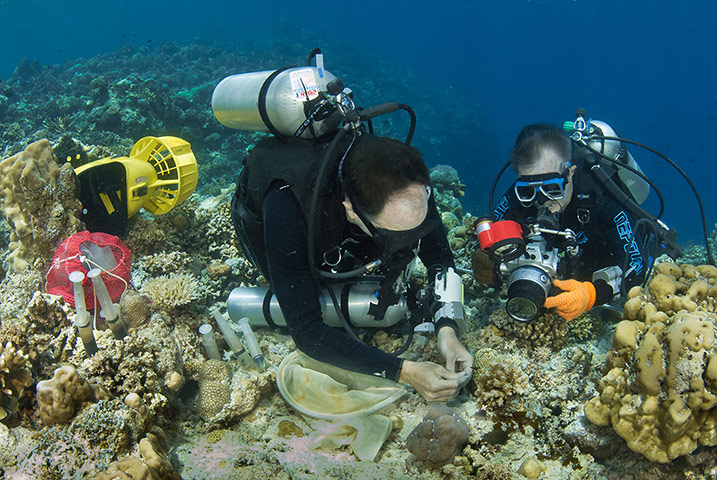
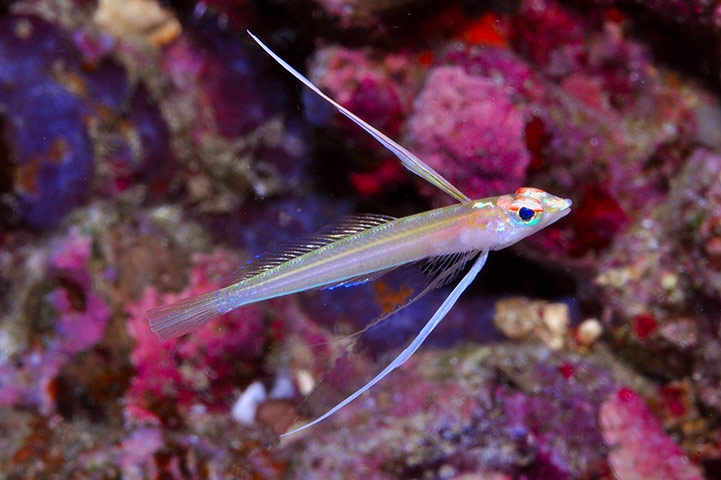
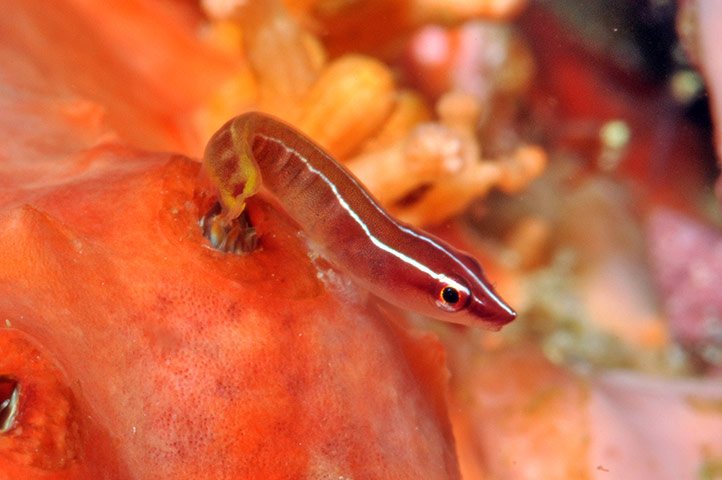
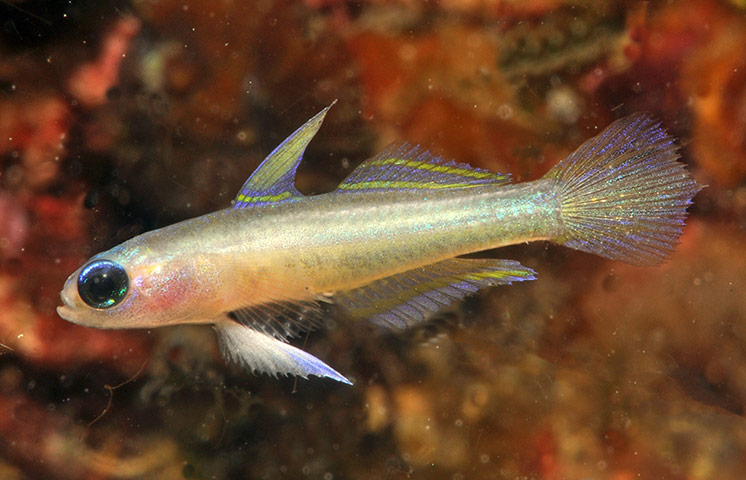
The book's authors at work photographing a new species in Cendrawasih Bay Photograph: Jones/Shimlock. Secret Sea Visions/Conservation InternationalNew species: Pterapsaron longipinnis - A deep reef species (below 60m depth) discovered in Cendrawasih Bay in West Papua. The name refers to the unusually long pelvic fins which this fish uses to rest on the bottom in tripod-like fashion Photograph: Gerald Allen/Conservation InternationalNew species: Aspasmichthys alorensis – a tiny clingfish known only from the Alor Strait in south-east Indonesia – an area renowned for ferocious currents. This species was found while the authors were sheltering from a raging current in a rock depression at 16m Photograph: Gerald Allen/Conservation International
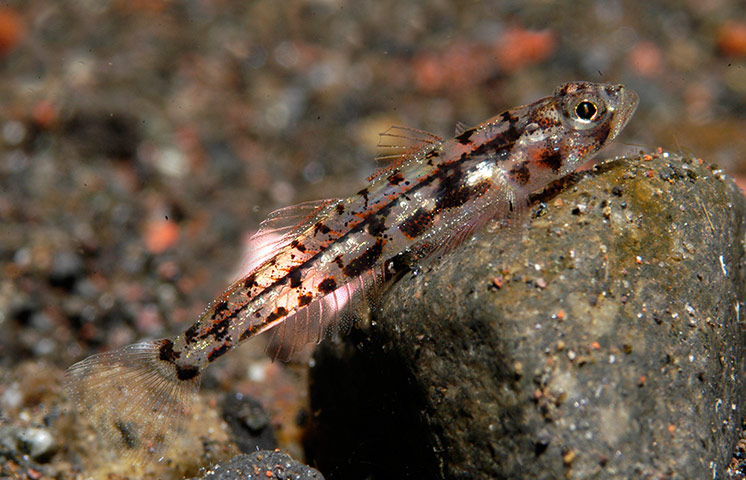
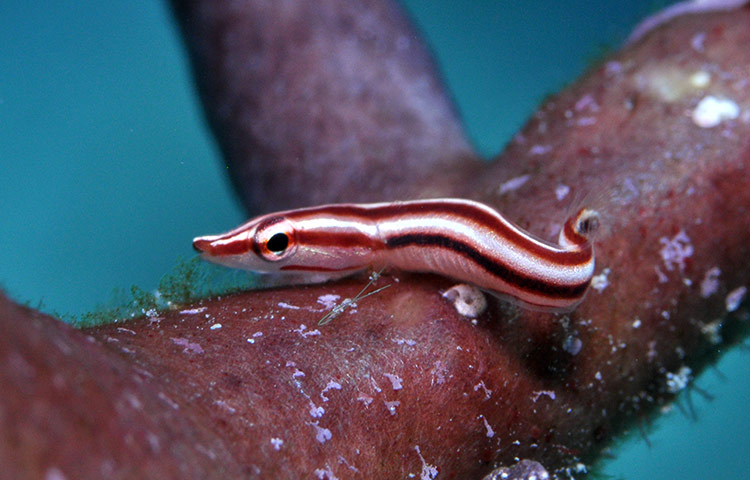
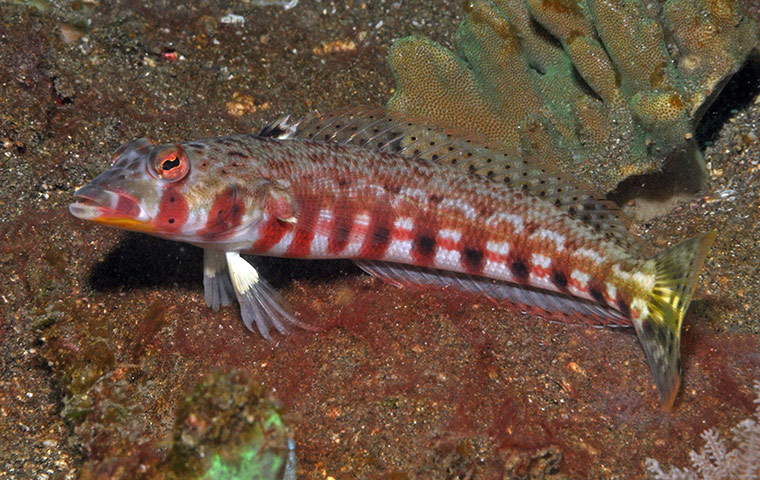
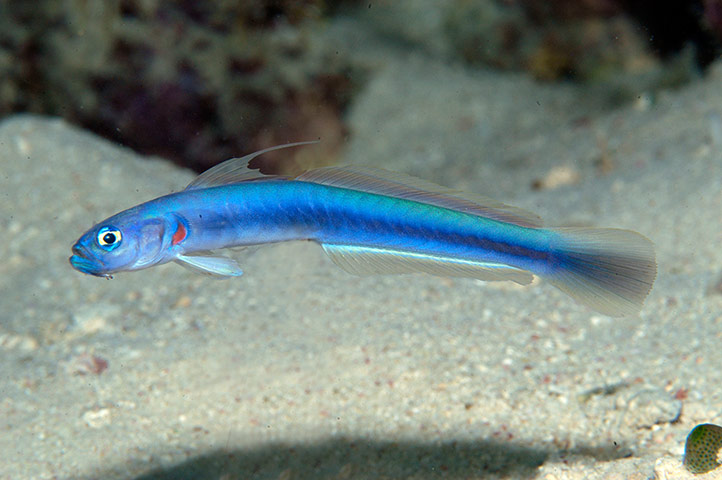
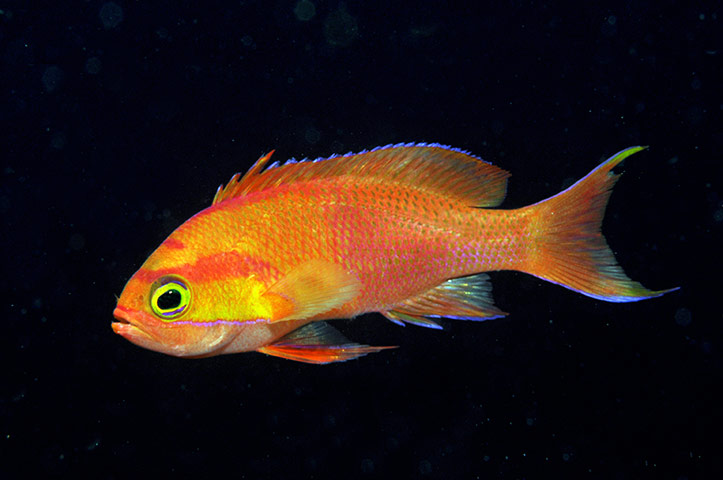
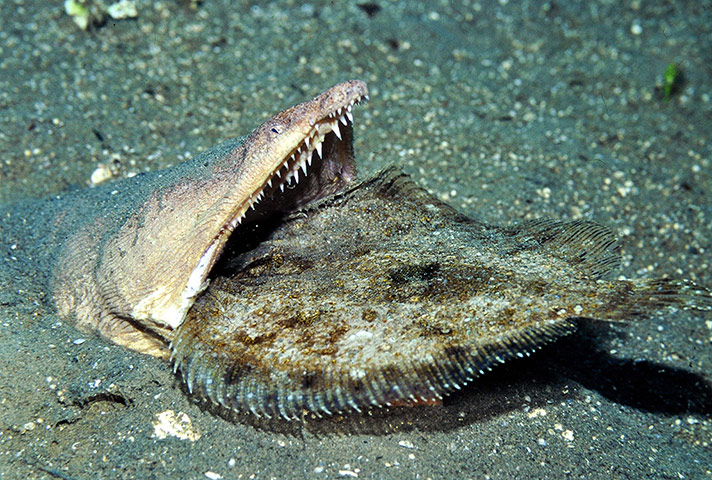
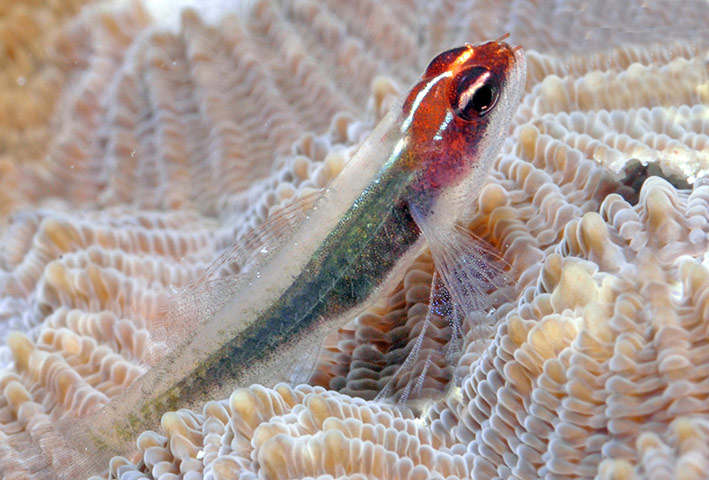
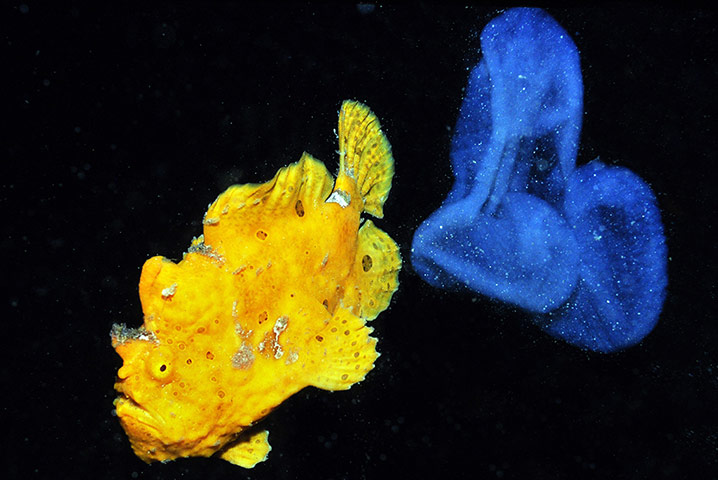
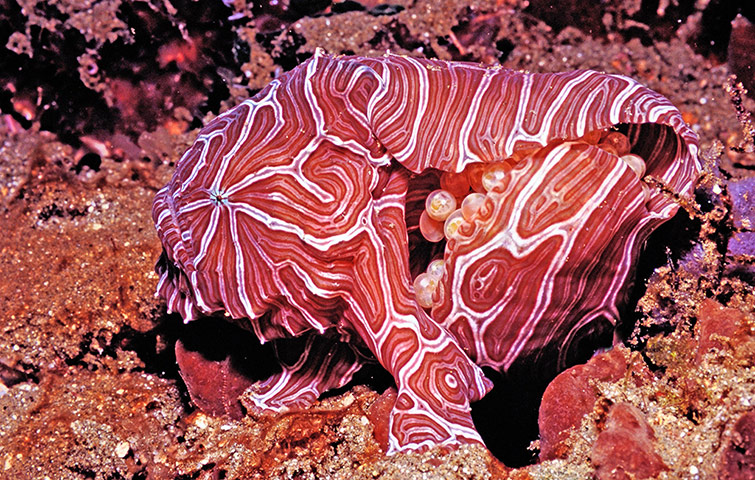
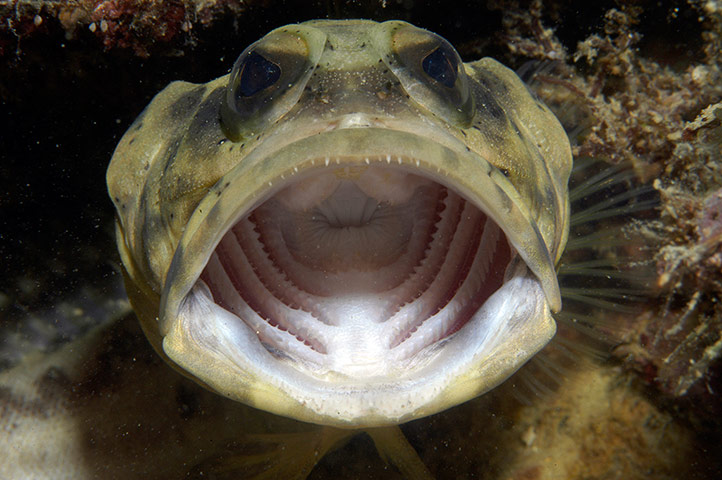
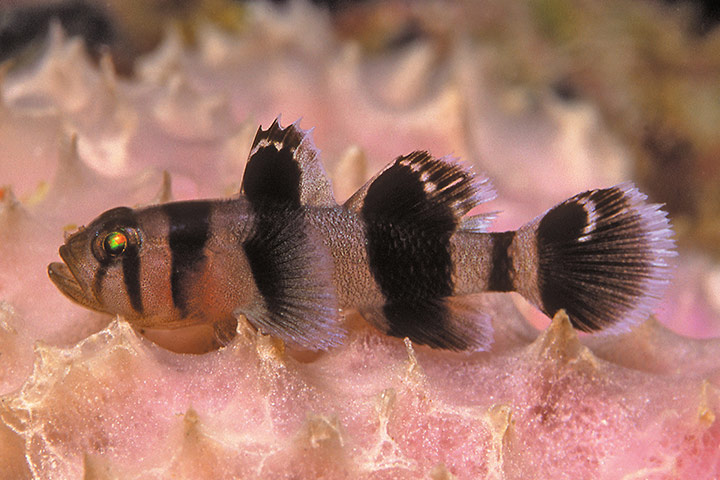
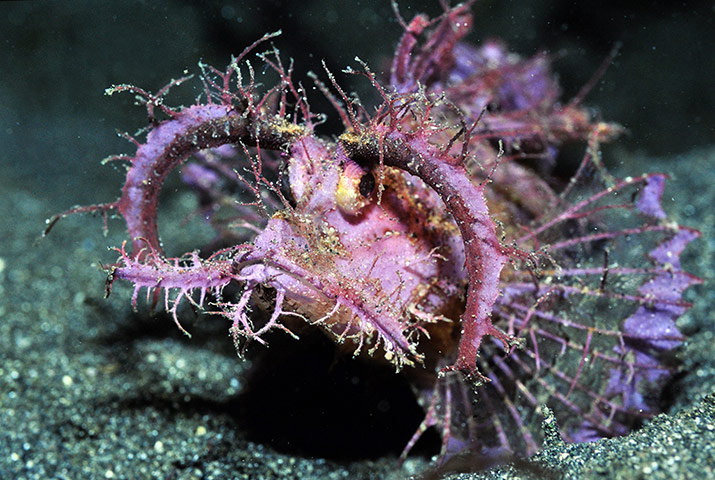
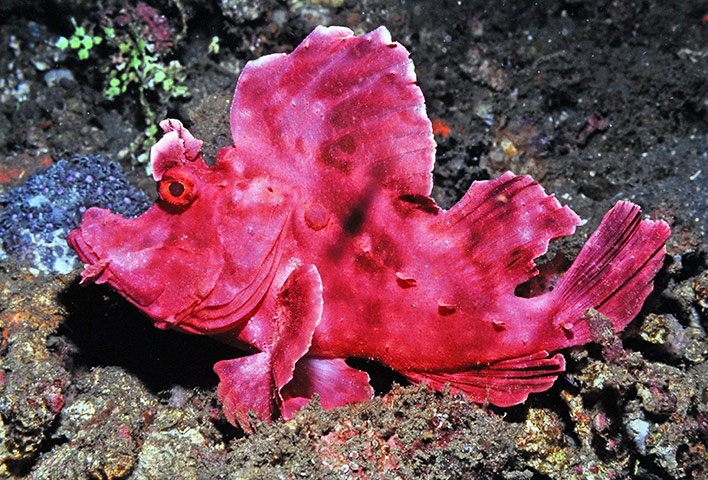
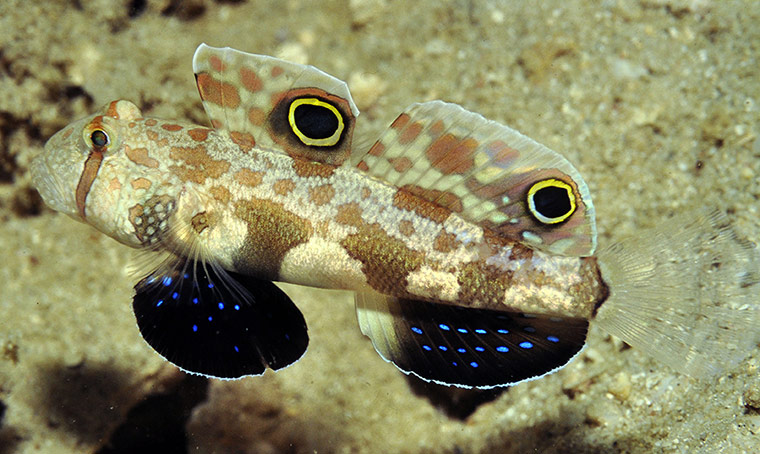
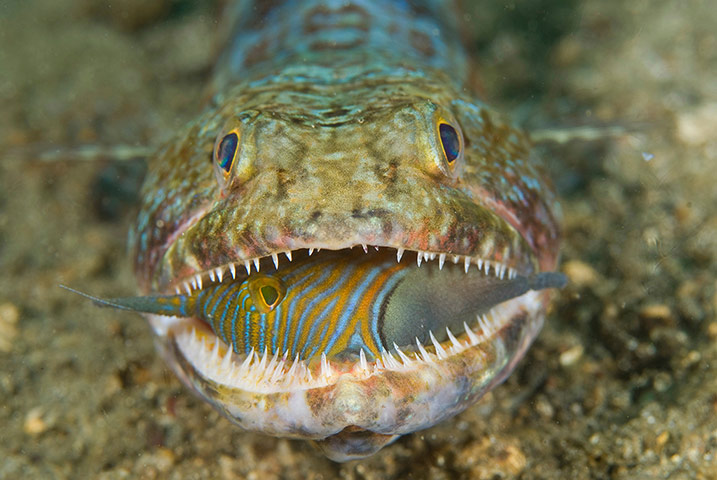
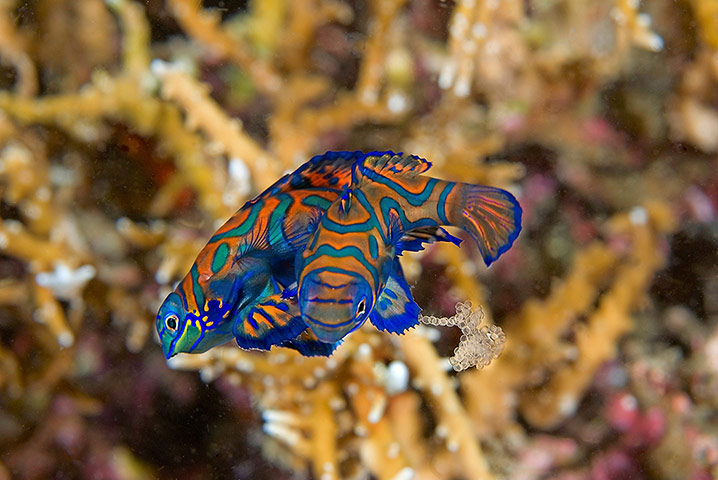
New species: Grallenia baliensis – a delicate, miniscule sand goby found on the slopes of north-east Bali during a Conservation International marine survey in 2011. The fish is named after the island of BaliPhotograph: Gerald Allen/Conservation InternationalNew species: Lepidichthys akiko – a candy-striped clingfish known only from deep reefs of Cendrawasih Bay in West PapuaPhotograph: Gerald Allen/Conservation InternationalNew species: Parapercis bimacula – A strikingly coloured, red spotted sand perch known only from southern Indonesia (Sumatra to Komodo) and west to the Andaman islands of India. Easily observable by snorkellers in shallow depths of 2-8mPhotograph: Gerald Allen/Conservation InternationalNew species: Ptereleotris rubristigma – a blue dart fish named for the prominent red spot on the gill cover. Widespread throughout the region and found on soft bottoms exposed to currentsPhotograph: Gerald Allen/Conservation InternationalNew species: Pseudanthias mica - A fairy basslet known only from a single deep reef off the southern Indonesian island of Lembata. Named after one of the author's daughterPhotograph: Gerald Allen/Conservation InternationalNew species: Tryssogobius sarah - A delicate fairy goby with iridescent blue eyes known from deep (40-70m) reefs around the region. Named after Sarah Crow, a young marine biologist who accompanied one of the authors on dives in Raja Ampat that collected this speciesPhotograph: Gerald Allen/Conservation InternationalNon-new species: Brachysomophis cirrocheilos – a rarely photographed scene of a snake eel eating a flounder larger than its mouthPhotograph: Roger Steene/Conservation InternationalNon-new species: Eviota rubriceps – a recently described (2011) dwarf gobyPhotograph: Gerald Allen/Conservation InternationalNon-new species: Antennarius commersoni – a frogfish spawning and then releasing a floating egg raftPhotograph: Roger Steene/Conservation InternationalNon-new species: Histiophryne psychedelica – never before published photograph of the 'psychedelic frog fish' male incubating eggs attached to its sidePhotograph: Roger Steene/Conservation InternationalNon-new species: Opistognathus dendriticus – the Philippines giant jawfish Photograph: Gerald Allen/Conservation InternationalNon-new species: Priolepis nocturna – a rarely seen reef gobyPhotograph: Gerald Allen/Conservation InternationalNon-new species: Pteroidichthys amboinensis – an unusually coloured specimen of the Ambon scorpionfishPhotograph: Roger Steene/Conservation InternationalNon-new species: Rhinopias eschmeyeri – the beautifully coloured Eschmeyer's scorpionfishPhotograph: Roger Steene/Conservation InternationalNon-new species: Signigobius biocellatusPhotograph: Gerald Allen/Conservation InternationalNon-new species: a lizardfish preying upon an orange-lined triggerfish, Balistapus undulatusPhotograph: Jones/Shimlock. Secret Sea Visions /Conservation InternationalNon-new species: Synchiropus splendidus. Mandarinfish of the dragonet family mate just before sunset. The pair meets and swims slow spirals off the substrate. At the apex of their ascent they release sperm and eggs then dash back to the protection of the bottomPhotograph: Jones/Shimlock. Secret Sea Visions /Conservation International
Sign up to read this article
Read news from 100’s of titles, curated specifically for you.