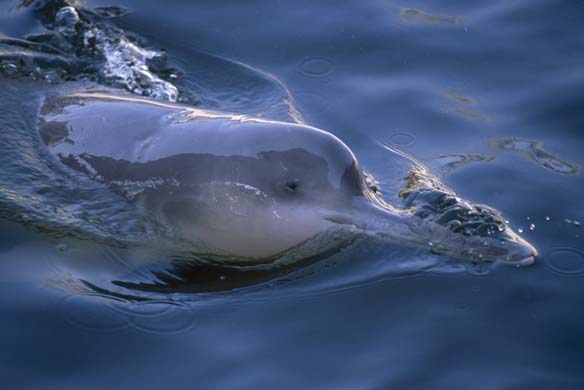
Status: moves up from critically endangered to critically endangered (possibly extinct).
A survey in 2006 failed to find a single Baiji in the Yangtze River. A sighting last month has yet to be confirmed. Fishing, pollution and vessel traffic have all contributed to its demise Photograph: Mark Carwardine/NHPA/Photoshot
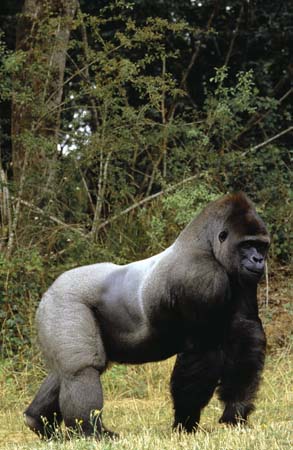
Status: moves up from endangered to critically endangered.
Found in central and west Africa, the Ebola virus and commercial hunting have decimated this gorilla's numbers by 60% over the last 25 years. If the virus continues at the same rate the remaining gorillas could be wiped out within five years Photograph: Anup Shah/naturepl.com
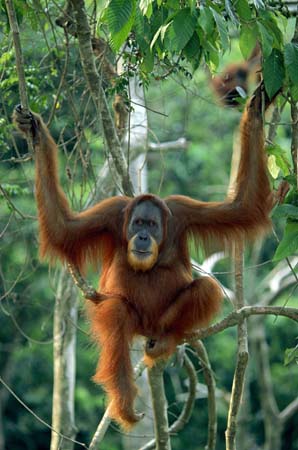
Status: remains critically endangered.
There are just over 7,000 of these orangutans, found on the Indonesian island of Sumatra, surviving in the wild. Forest clearance for oil palm plantations, and illegal logging, has led to an 80% decline in their numbers Photograph: Anup Shah/naturepl.com
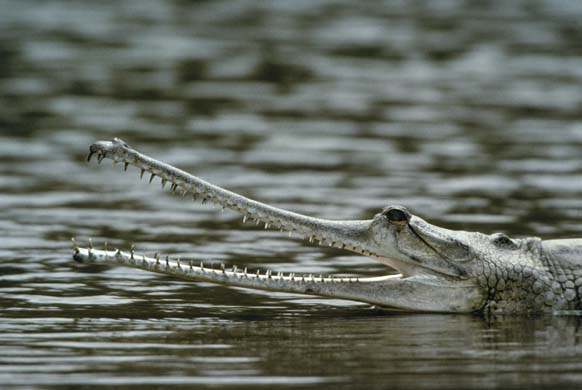
Status: moves up from endangered to critically endangered.
There are just 182 breeding adults left in the wild in Nepal and India following irreversible habitat loss after the construction of dams and irrigation canals Photograph: G & H Denzau/naturepl.com
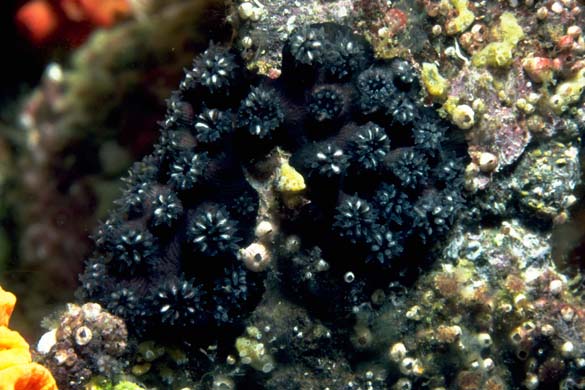
Status: critically endangered (new entry).
This coral once found in the Galapagos may already be extinct. After El Niño most colonies were destroyed as sea temperatures rose Photograph: Paul Humann/www.fishid.com
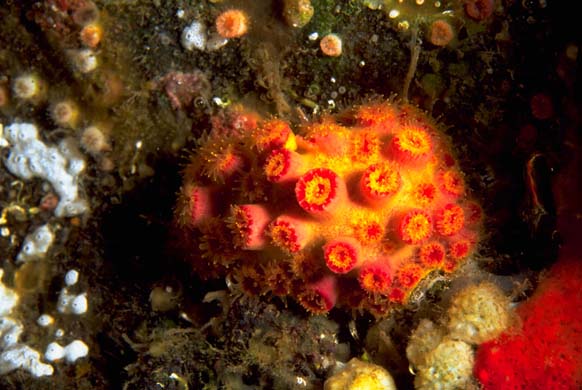
Status: critically endangered (new entry).
A rare species of coral native to the Galapagos, it is found on the ceilings of caves, ledges and rock overhangs at depths of up to 46 metres. The main threats are El Niño and climate change. Since 1982 it has suffered more than an 80% decline Photograph: Paul Humann/www.fishid.com
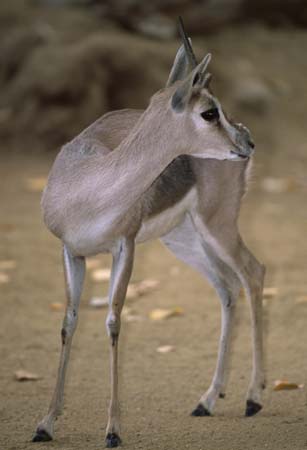
Status: moves up from vulnerable to endangered.
Once widespread across the grasslands of Somalia and Ethiopia, its numbers have greatly declined following hunting, drought and overgrazing. It is likely to face further decline unless effective protection programmes are implemented Photograph: Mark Bowler/NHPA/Photoshot
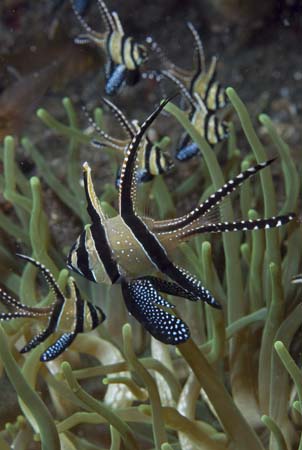
Status: endangered (new entry).
Only found in the Banggai Archipelago, in Indonesia, around 900,000 of this highly prized aquarium fish are being caught and exported each year. This has led to an 89% reduction in numbers in the last 12 years Photograph: B Jones & M Shimlock/NHPA/Photoshot

Status: remains endangered.
High levels of habitat loss, due to expanding human activities, poaching and disease, has significantly reduced this chimpanzee's population in central and east Africa Photograph: Anup Shah/naturepl.com
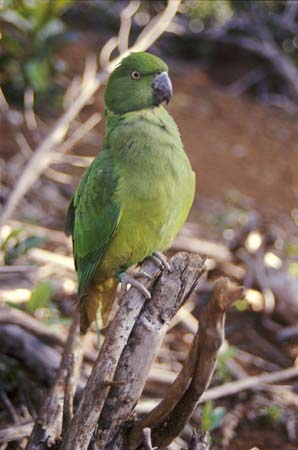
Status: moves down from critically endangered to endangered.
Successful conservation measures, which have released captivity-bred birds into the wild, have led to rise in the number of these parakeets in the wild from 10 or so in the mid 1980s to more than 320 birds Photograph: Malcolm Burgess
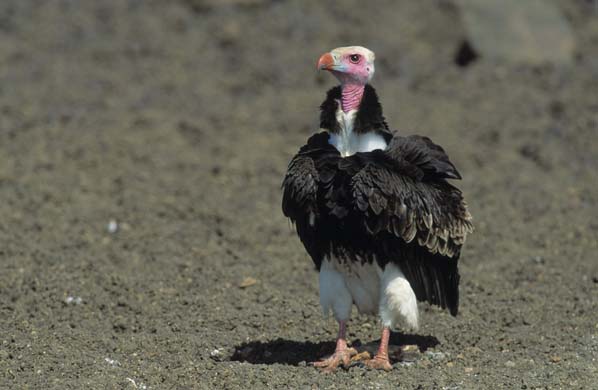
Status: moves up from least concern to vulnerable.
The decline in the rotting animal flesh it feeds on, as well as habitat loss, has lead to a rapid decline in this vulture in parts of west Africa. There are thought to be only some 12,500 adults left Photograph: Nigel J Dennis/NHPA/Photoshot
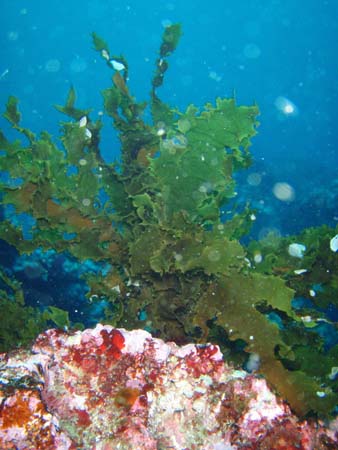
Status: vulnerable (new entry).
Previously found throughout the Galapagos, this kelp is now only located near a few islands. Its decline is the result of ocean warming and the hunting of predators that eat sea urchins which overgraze on the algae Photograph: Sean Connell/University of Adelaide