A powerful car explosion outside an iconic monument in India’s capital Delhi has killed at least eight people and injured 20 others, prompting police to open an investigation under India’s anti-terrorism laws.
The blast occurred around 6.52pm on Monday evening near a metro station gate of the Red Fort, police said.
Authorities have not yet confirmed whether the blast was an act of terrorism, as police probed the case under the Unlawful Activities (Prevention) Act (UAPA), India’s primary law for probing terrorism-related offences and activities seen as threats to the country’s sovereignty and integrity.
Federal home minister Amit Shah said, “All angles are being investigated and security agencies will come to a conclusion soon.”
Indian prime minister Narendra Modi, who was on a scheduled visit to Bhutan on Tuesday, said investigators would "get to the bottom of this conspiracy”.
Here is everything we know about the explosion.
How did the explosion occur?
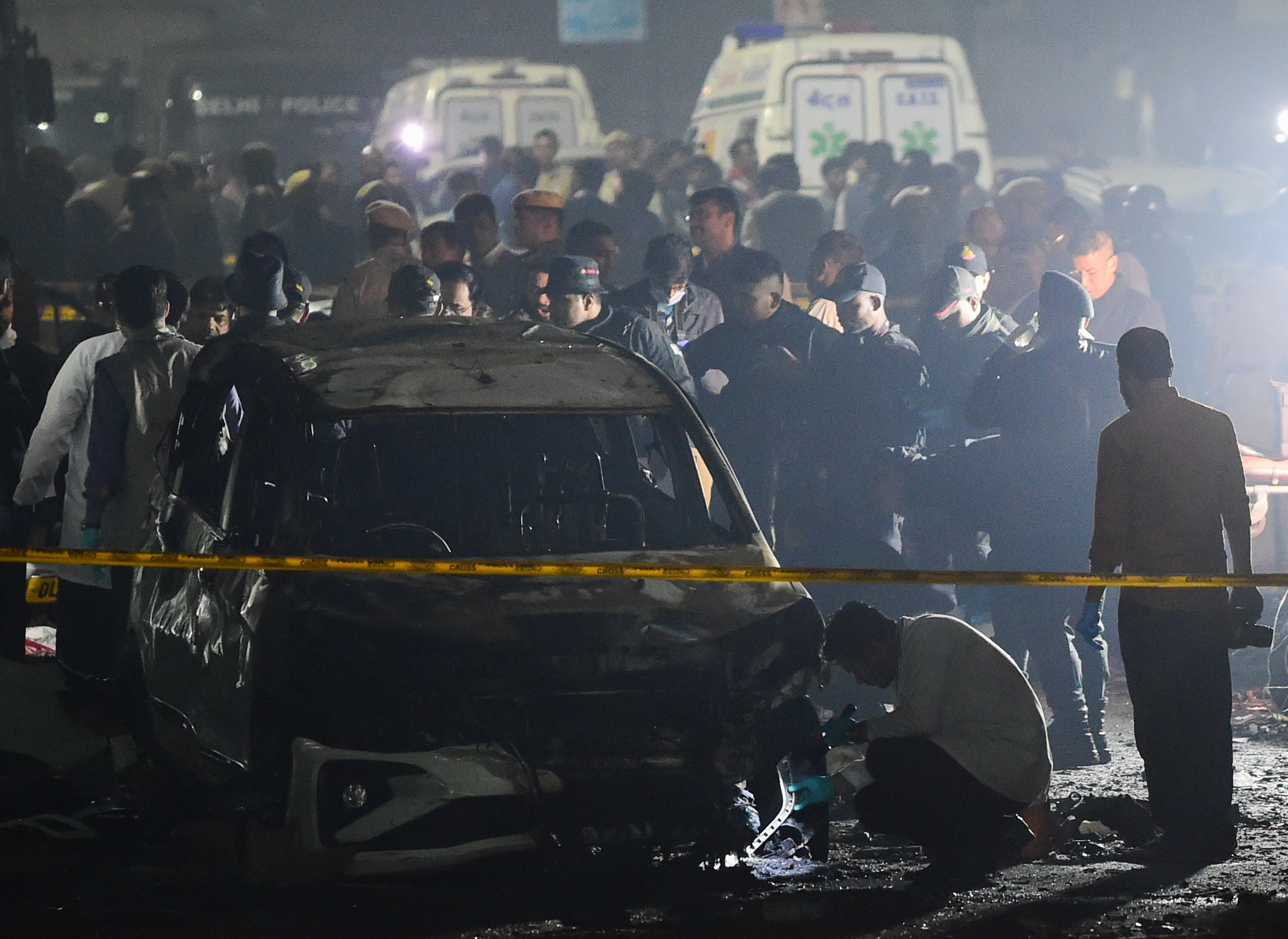
Police commissioner Satish Golcha said the incident occurred when a slow-moving Hyundai i20 stopped at a traffic signal and exploded, damaging several nearby vehicles.
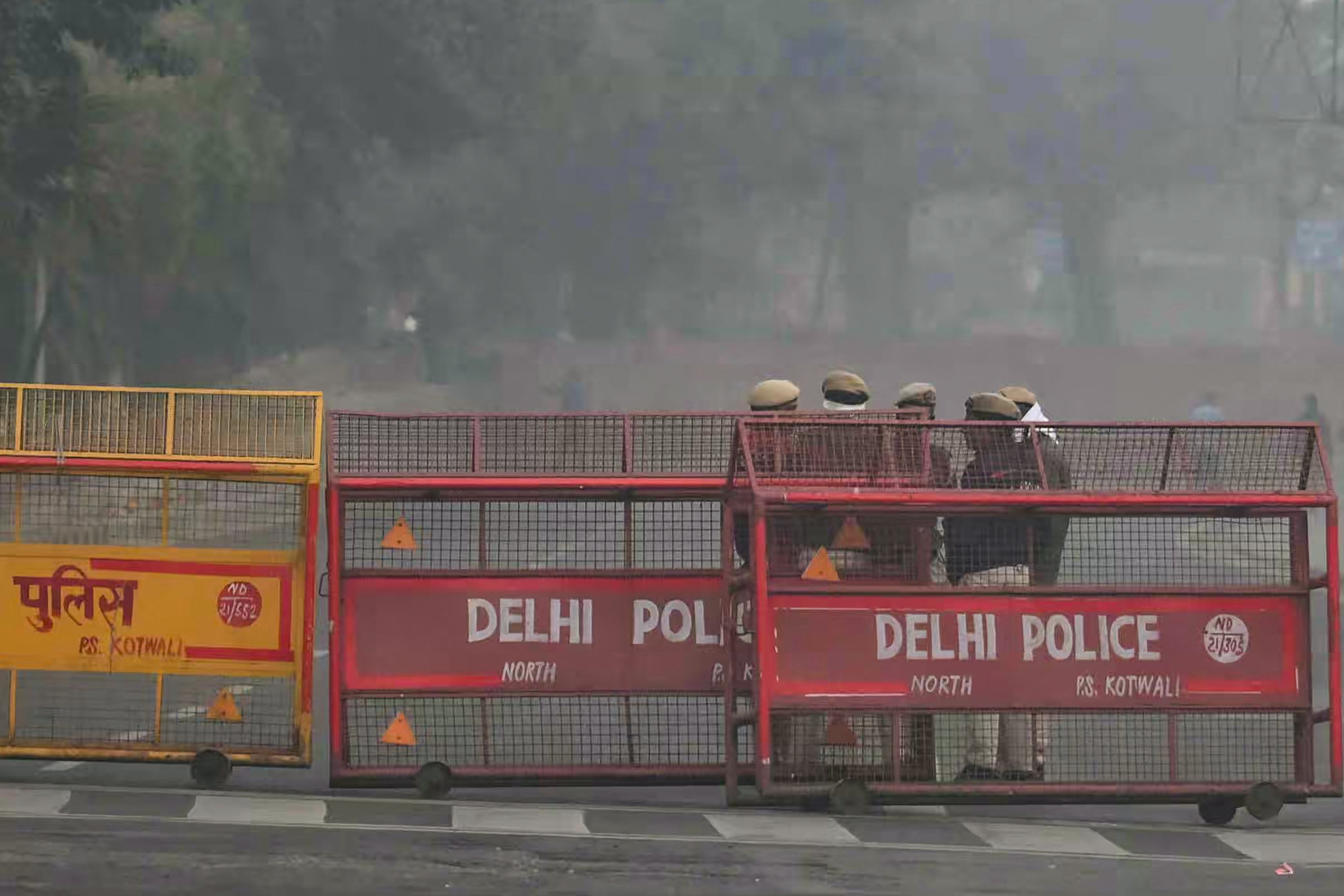
Eyewitnesses described scenes of panic as flames engulfed cars and people fled the area. “I was at the metro station, going down the stairs, when I heard an explosion. I turned around and saw a fire. People started running helter-skelter,” said Suman Mishra. Another witness, Wali Ur Rehman, told ANI news agency: “I fell from the impact of the explosion, it was that intense.”

Scene of chaos and destruction at Red Fort
At least six cars and three auto-rickshaws caught fire, according to the city’s deputy fire chief. Police and firefighters arrived within minutes, and the blaze was extinguished by 7.36pm. Mangled cars, shattered windows and scattered debris filled the street near the Chandni Chowk market area.
The explosion was so powerful that a police post 100m away was destroyed and car fragments were found as far as 200m from the blast site.

What has the preliminary investigation revealed?
Investigators have traced the vehicle involved in the blast to a 34-year-old man from Pulwama district in Indian-administered Kashmir. He reportedly bought the Hyundai i20 on 29 October, just weeks before the explosion, sources told The Indian Express. His identity has not yet been disclosed.
Hours after the explosion, police questioned a man from Delhi’s neighbouring Gurugram city who previously owned the car. He claimed to have sold it, prompting investigators to work with the Regional Transport Office to track its subsequent ownership. Authorities later determined that the vehicle had changed hands multiple times before ending up with the Pulwama resident.
CCTV footage shows the car entering a parking lot near the Red Fort at 3.19pm and leaving at 6.48pm – minutes before the explosion. Footage also appears to show the driver collecting a parking slip. Investigators are reviewing video from nearby roads and toll barriers to map the car’s full route through Delhi.

The blast occurred just a day after police in Jammu and Kashmir uncovered 350kg of explosives from two residential buildings in Faridabad, a city in the neighbouring state of Haryana. Investigators are examining whether the two incidents are connected.
What was the nature of the explosive device?
Preliminary findings suggest no crater was formed at the site and the injured victims did not have shrapnel wounds, raising questions about the type of explosive used. Police said those injured sustained severe burns and crushed limbs, consistent with a powerful heat-based explosion rather than a conventional bomb.
Legal experts note that while the UAPA allows wide-ranging powers for investigation, police will need to establish strong forensic evidence and clear chain of custody to ensure the case holds up in court — particularly if terrorism charges are invoked.
Mr Shah said teams from the National Investigation Agency (NIA), National Security Guard (NSG), and the Forensic Science Laboratory (FSL) were at the site “within 10 minutes” of the explosion. “We are exploring all possibilities and will conduct a thorough investigation… all options will be investigated immediately,” he said, adding that prime minister Narendra Modi had been briefed on the situation.
What has the Indian prime minister said?
Indian prime minister Narendra Modi condoled those killed in the explosion.
“Condolences to those who have lost their loved ones in the blast in Delhi earlier this evening. May the injured recover at the earliest… Those affected are being assisted by authorities,” he wrote on X.
"The conspirators won't be spared and all those responsible will be brought to justice," Mr Modi, who is in Bhutan on an official trip, said on Tuesday.
A high alert has been issued across Delhi and neighbouring states. The US Embassy in New Delhi also advised its citizens to avoid the area and remain vigilant in tourist zones.
What is the Red Fort?
The Red Fort, or Lal Qila, is a 17th-century Mughal fortress and Unesco World Heritage Site where the Indian prime minister delivers the annual Independence Day address every 15 August. The fort is located near Chandni Chowk, one of Delhi’s busiest markets, and the Jama Masjid mosque.
Delhi has faced deadly bombings in the past, including a 2011 explosion outside the Delhi High Court that killed 12 people. Monday’s blast marks one of the capital’s most serious incidents in over a decade.
‘Shook ground under my feet’: Witnesses recount aftermath of explosion near Red Fort
Police crack down as hundreds protest against Delhi’s toxic air
The Fujian: China’s new aircraft carrier with an electromagnetic catapult
Court says no one blames pilot for Air India crash and hits out at ‘nasty’ reporting
Delhi Airport chaos: Over 400 flights delayed due to technical glitch
Anunay Sood passes away: Dubai-based Indian travel influencer dies aged 32